
Am Ufer der Durance — History & Facts
What if silence could speak through light? In Am Ufer der Durance, Paul-Camille Guigou captures an evocative moment where nature breathes with quiet grace, revealing the delicate fragility of life. Focus first on the gentle strokes of green and blue that cradle the foreground, where whispering grasses and water meet. The painter employs a soft palette, allowing the delicate hues to blend seamlessly, inviting the viewer into a serene landscape. Notice how the light dances on the rippling surface of the Durance River, creating a shimmering effect that suggests movement and tranquility.
The way the light touches the scene evokes an almost ethereal quality, as if the moment could dissolve at any second. As you delve deeper, consider the contrasts: the sturdy trees standing sentinel against the fleeting waters. They represent endurance amidst the ephemeral beauty of the river's edge. The juxtaposition of the robust and the transient speaks to the fragility of existence, capturing both strength and vulnerability in the same breath.
Each brushstroke seems to echo the artist’s contemplation of nature's impermanence, drawing the viewer into a reflective space. Guigou created this piece in 1871 while living in the south of France, a time when Impressionism was beginning to revolutionize the art world. As an artist influenced by the changing light and landscapes of his environment, he sought to depict the subtle emotions of nature. This work reflects his deep connection to the land and a desire to convey its fleeting beauty, a sentiment resonant with his contemporaries as they explored new ways of seeing and interpreting the world around them.
More Artworks by Paul-Camille Guigou
Browse all →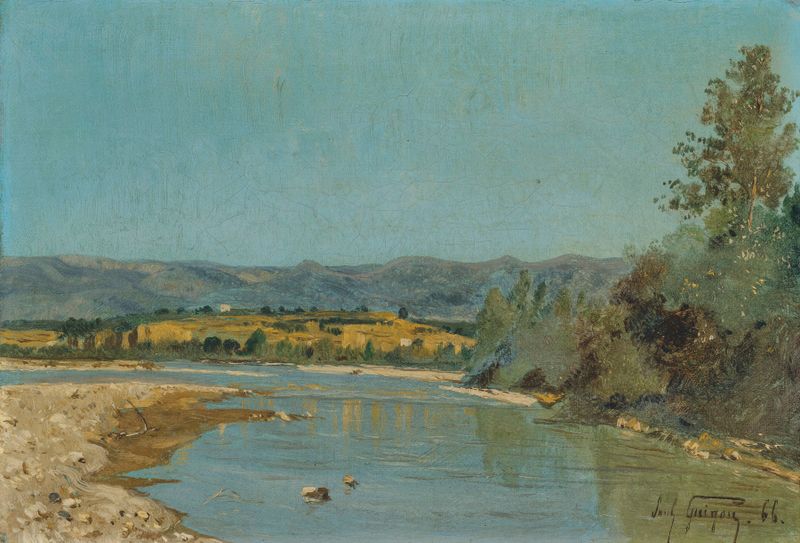
Les Bords de la Durance à Puyvert
Paul-Camille Guigou
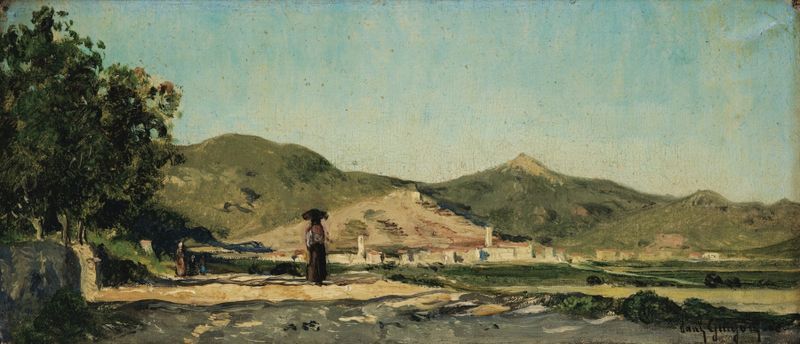
Paysanne sur un chemin en Provence
Paul-Camille Guigou
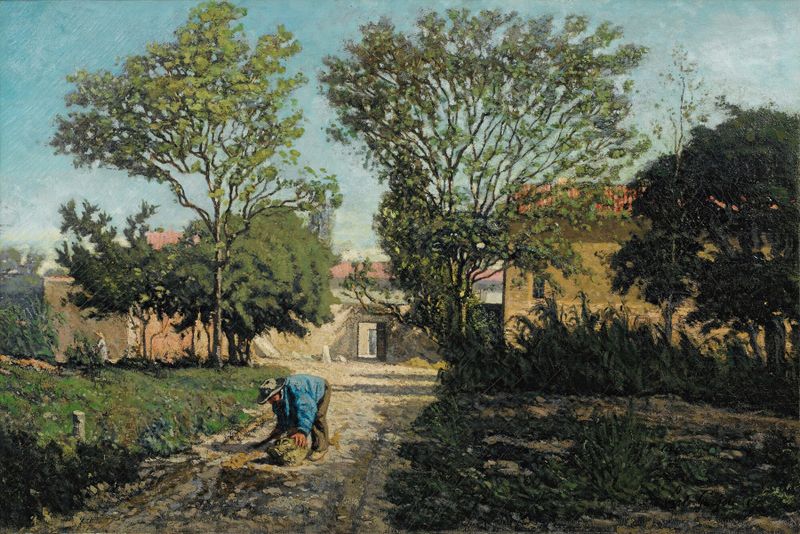
Ferme Aux Environs De Marseille
Paul-Camille Guigou

Hut by the sea shore (Cabane au bord de la mer)
Paul-Camille Guigou
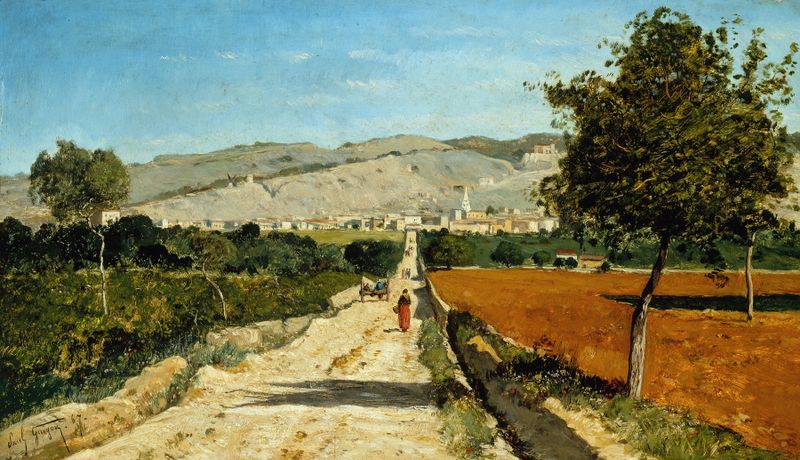
Paysage de Provence. Vue de Saint-Saturnin-les-Apt.
Paul-Camille Guigou

Barques sur la Durance
Paul-Camille Guigou
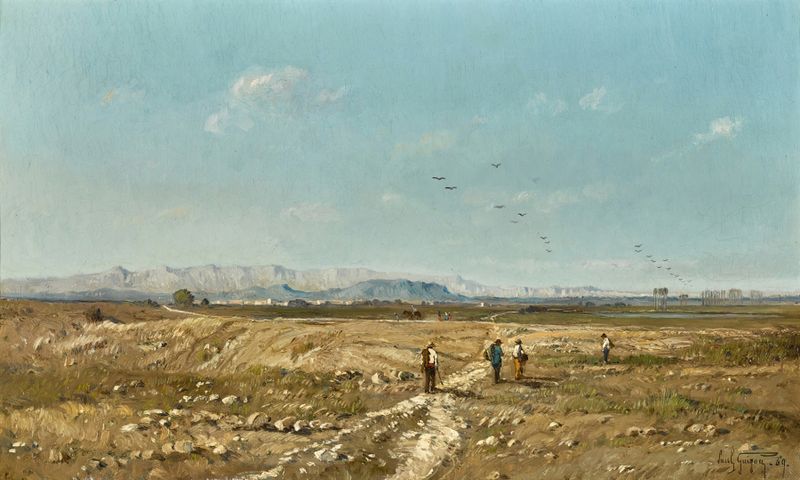
Souvenir de la Crau, Provence
Paul-Camille Guigou
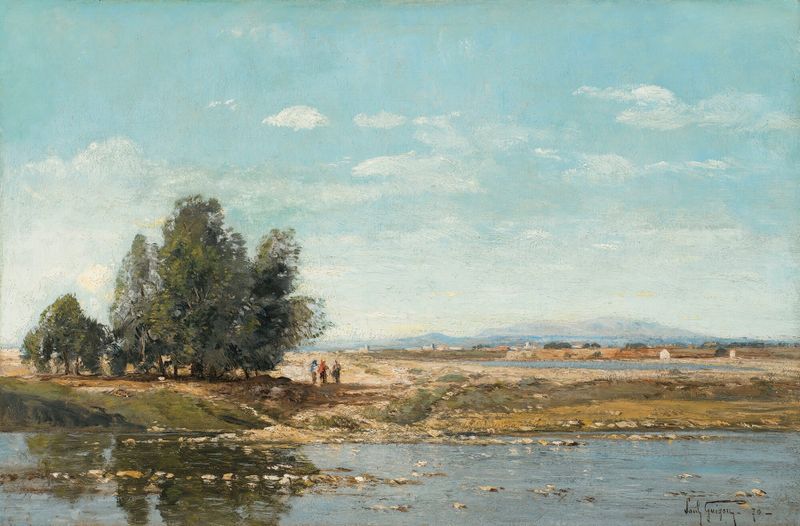
Bords De Durance
Paul-Camille Guigou
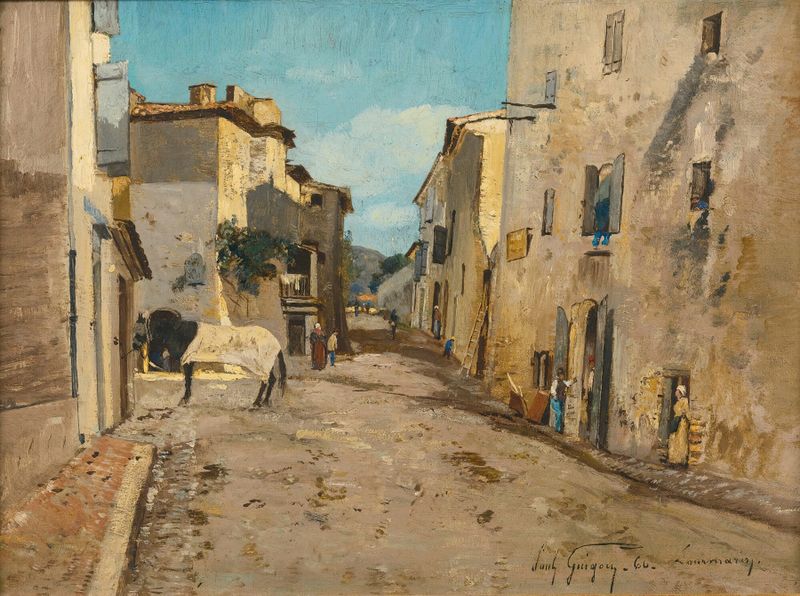
Rue À Lourmarin (Vaucluse)
Paul-Camille Guigou
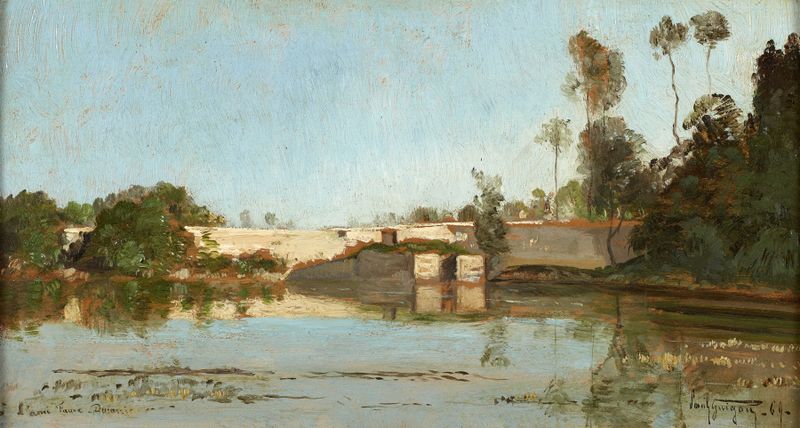
L’étang du Plessis-Picquet
Paul-Camille Guigou





