
Bords De Durance — History & Facts
In the stillness of nature, creation unfurls, captured in vibrant shades that whisper of life. It invites the viewer to pause and reflect, revealing the profound beauty that often remains unnoticed. Look to the center of this canvas, where the Durance River meanders serenely through the landscape. Notice how the artist employs a harmonious blend of greens and blues, evoking the tranquil flow of water while the sunlit banks breathe warmth into the scene.
The brushwork is dynamic yet controlled, a dance of impressionistic strokes that imbue movement into the stillness, drawing your eye along the winding path of the river. Deeper meanings emerge as one contemplates the juxtaposition of light and shadow. The river represents a boundary between the known and the unknown, while the surrounding flora embodies the vitality of creation. Tiny details—the delicate sway of reeds and the distant silhouettes of trees—speak of life’s persistence and resilience, urging us to appreciate the intricate balance of nature. Created during an era when France was embracing Impressionism, the artist worked on this piece amid the lush landscapes of Provence.
This period was marked by a growing interest in capturing the ephemeral qualities of light and atmosphere, reflecting the broader shifts in artistic expression. Guigou, influenced by his contemporaries, focused on celebrating the natural world, inviting viewers into a quiet dialogue with both the environment and themselves.
More Artworks by Paul-Camille Guigou
Browse all →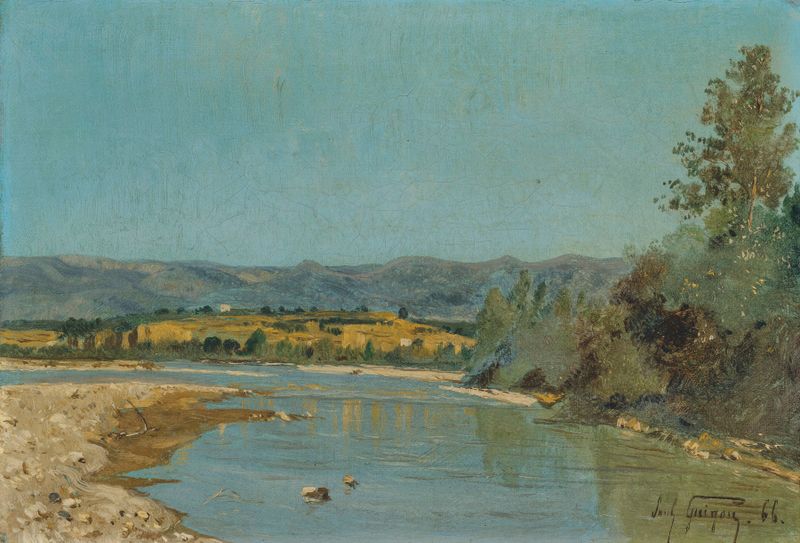
Les Bords de la Durance à Puyvert
Paul-Camille Guigou
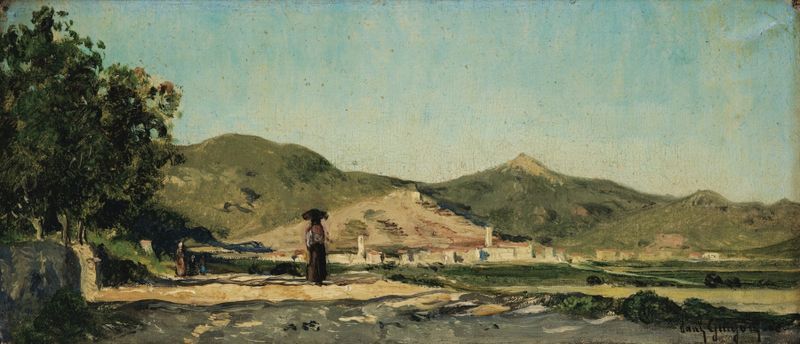
Paysanne sur un chemin en Provence
Paul-Camille Guigou
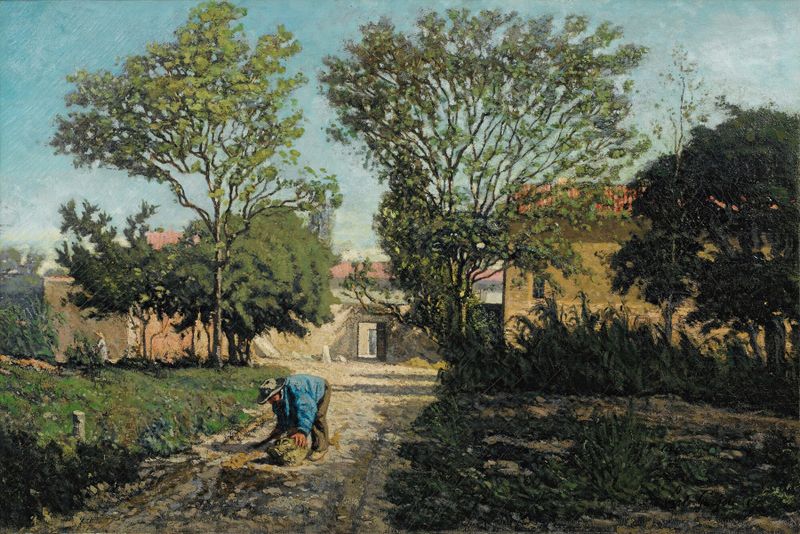
Ferme Aux Environs De Marseille
Paul-Camille Guigou

Hut by the sea shore (Cabane au bord de la mer)
Paul-Camille Guigou
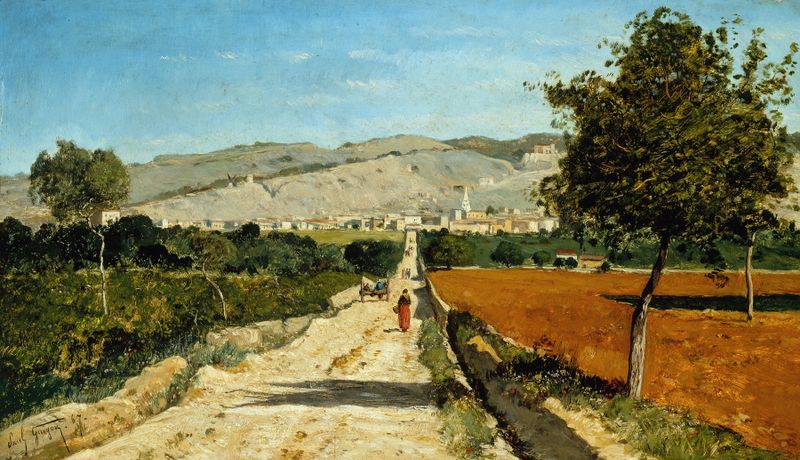
Paysage de Provence. Vue de Saint-Saturnin-les-Apt.
Paul-Camille Guigou

Barques sur la Durance
Paul-Camille Guigou
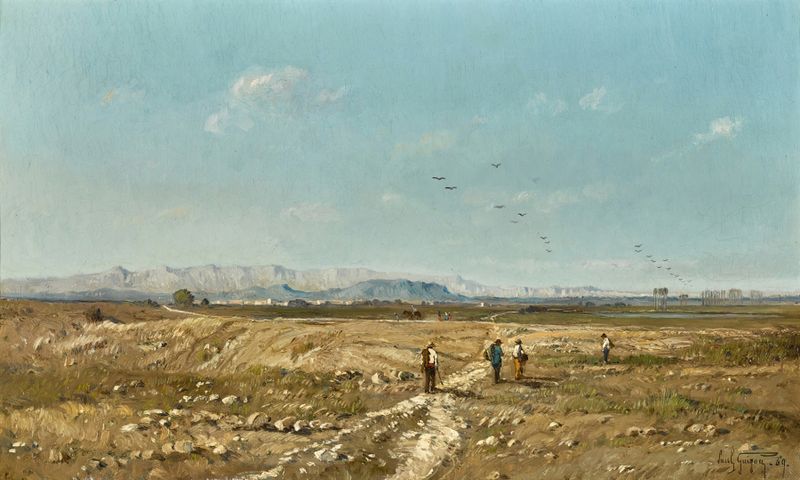
Souvenir de la Crau, Provence
Paul-Camille Guigou

Am Ufer der Durance
Paul-Camille Guigou
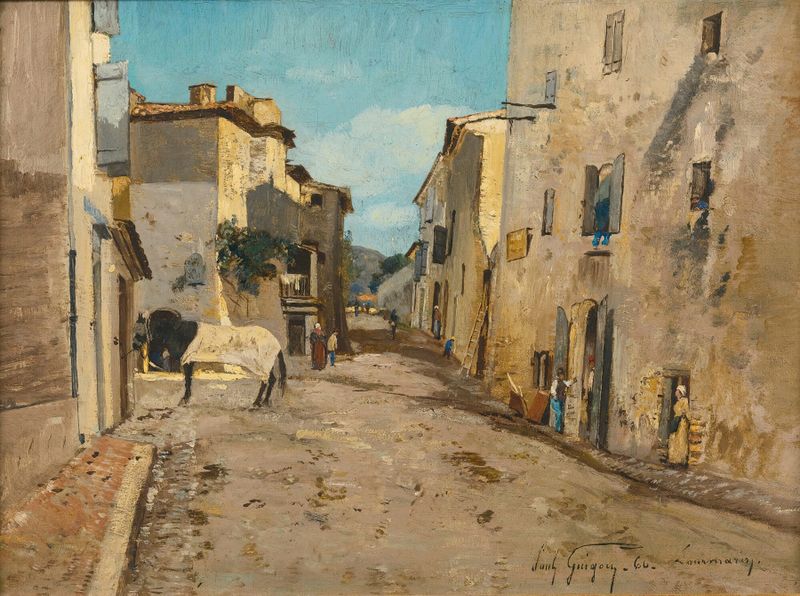
Rue À Lourmarin (Vaucluse)
Paul-Camille Guigou
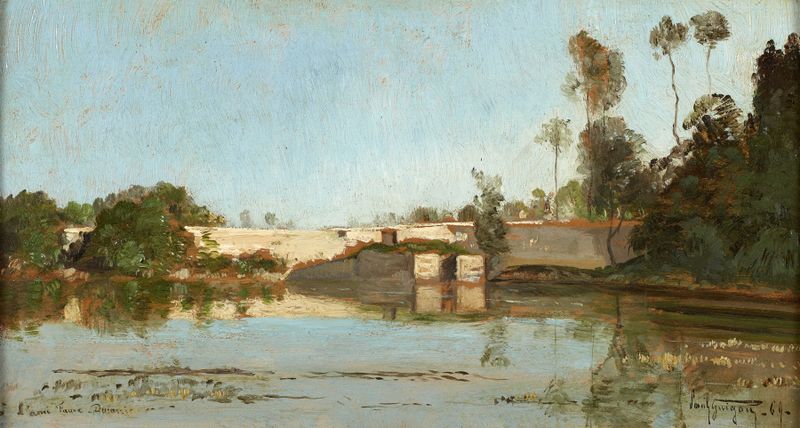
L’étang du Plessis-Picquet
Paul-Camille Guigou





