
L’étang du Plessis-Picquet — History & Facts
In Paul-Camille Guigou's work, reflections ripple across a tranquil pond, inviting us into a private moment suspended in time. Here, nature mirrors itself, and in that stillness, deeper truths emerge. Look to the center of the canvas, where the surface of the pond captures the surrounding greenery with a delicate precision. Notice how the brushstrokes blend soft greens and blues, creating an optical dance that draws the eye into the water's depths.
The light plays gently on the surface, illuminating the scene while casting shadows that hint at the intricacies of life beyond the frame. Each element is meticulously crafted, inviting contemplation rather than mere observation. Upon closer inspection, the painting reflects themes of duality and harmony. The calming surface belies the complexities lurking beneath, suggesting both peace and the tumult of existence.
The juxtaposition of the serene landscape with the murky water invites us to consider what lies hidden, echoing the often-unseen emotions that shape our lives. The delicate interplay of light and shadow becomes a metaphor for introspection, urging us to explore the layers of our own experiences. In 1869, Guigou painted this piece while living in France, amidst the changing tides of the art world as Impressionism began to take shape. This period saw a burgeoning exploration of light and color, each brushstroke a step toward breaking tradition.
As he embraced the natural beauty surrounding him, L’étang du Plessis-Picquet emerged as a quiet rebellion, encapsulating a moment of reflection that resonates even today.
More Artworks by Paul-Camille Guigou
Browse all →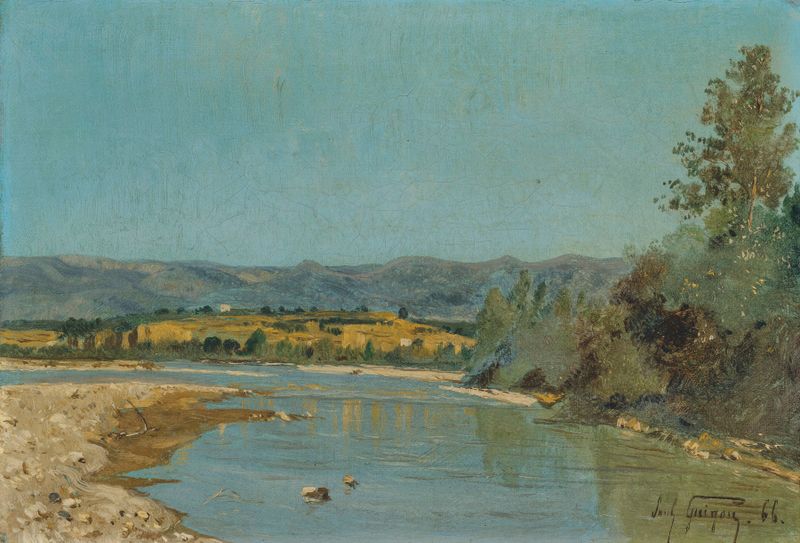
Les Bords de la Durance à Puyvert
Paul-Camille Guigou
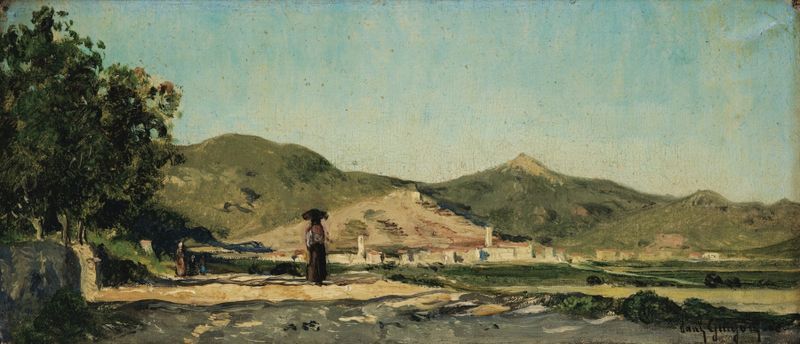
Paysanne sur un chemin en Provence
Paul-Camille Guigou
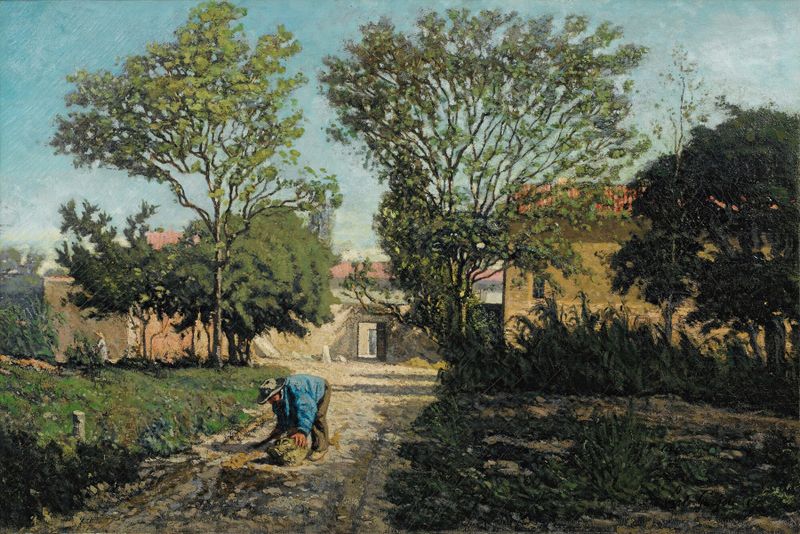
Ferme Aux Environs De Marseille
Paul-Camille Guigou

Hut by the sea shore (Cabane au bord de la mer)
Paul-Camille Guigou
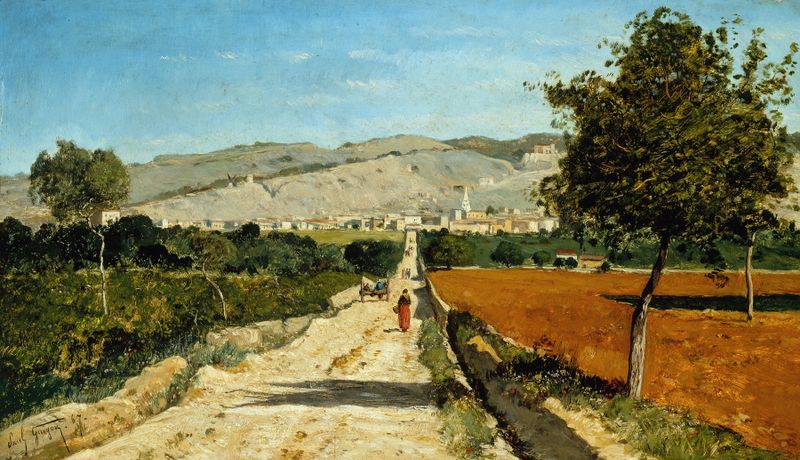
Paysage de Provence. Vue de Saint-Saturnin-les-Apt.
Paul-Camille Guigou

Barques sur la Durance
Paul-Camille Guigou
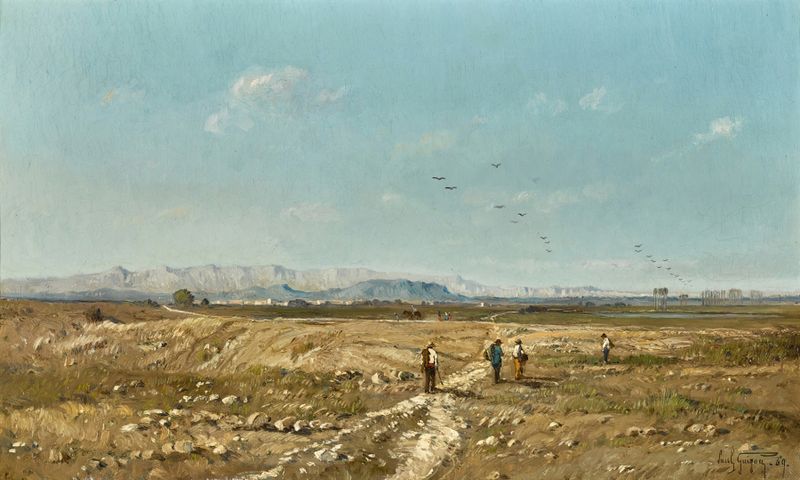
Souvenir de la Crau, Provence
Paul-Camille Guigou
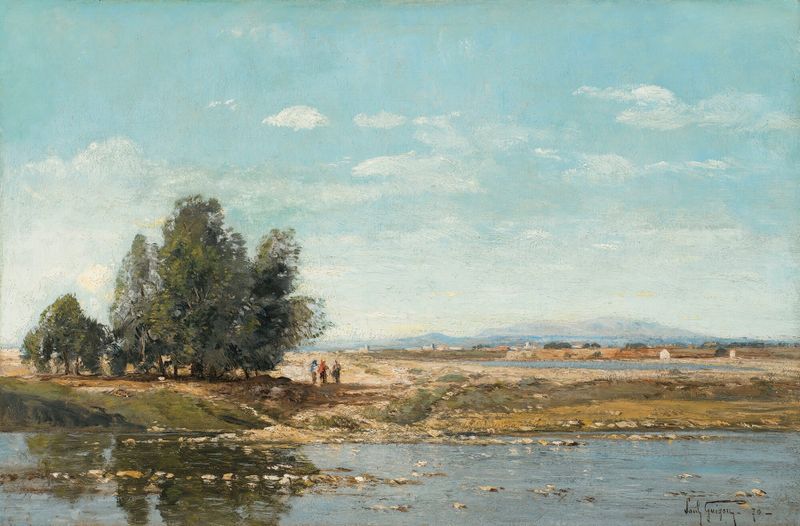
Bords De Durance
Paul-Camille Guigou

Am Ufer der Durance
Paul-Camille Guigou
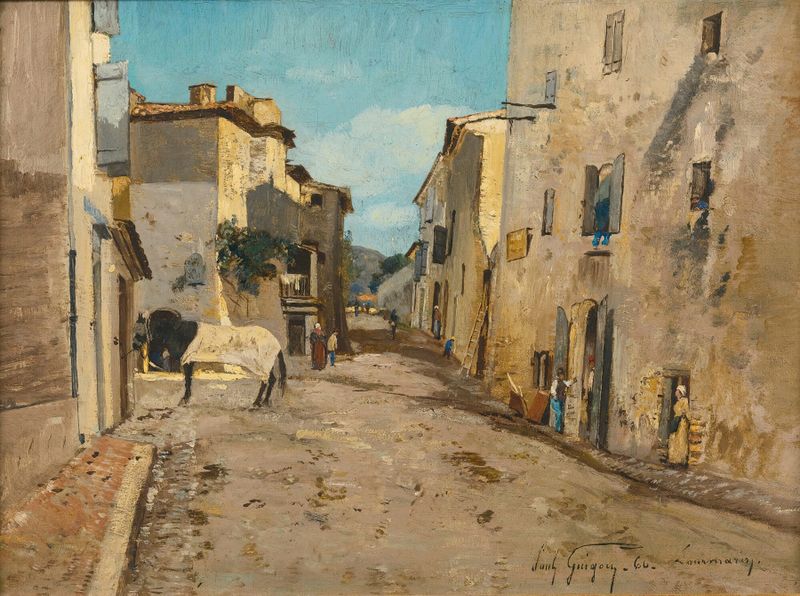
Rue À Lourmarin (Vaucluse)
Paul-Camille Guigou





