
Les Bords de la Durance à Puyvert — History & Facts
In the quiet embrace of nature, loneliness often manifests as a whisper among the vibrant hues of life. It is a reminder of our solitude even when surrounded by the beauty of the world. Focus on the shimmering blues and greens that breathe life into the canvas. Look to the left where a gentle curve of the Durance River flows, its reflective surface capturing the light like a mirror—offering a glimpse of the sky’s soft palette.
Notice how the brushstrokes oscillate between boldness and delicacy, lending texture to the foliage and inviting the viewer to step closer into this intimate dialogue with nature. As you absorb the scene, a deeper emotional tension arises. The interplay of light and shadow may evoke feelings of yearning, while solitary trees stand as sentinels of time, symbolizing resilience in isolation. The distant hills, barely discernible against the horizon, add an air of wistfulness, suggesting both presence and absence, echoing the artist’s contemplation of solitude. In 1866, Paul-Camille Guigou painted this piece while residing in the south of France.
This period marked a significant shift in the art world, with many artists exploring the Impressionist movement's influence. Guigou, however, maintained a more traditional approach, merging realism with a keen emotional sensitivity reflective of his own introspections during a time of personal and artistic exploration.
More Artworks by Paul-Camille Guigou
Browse all →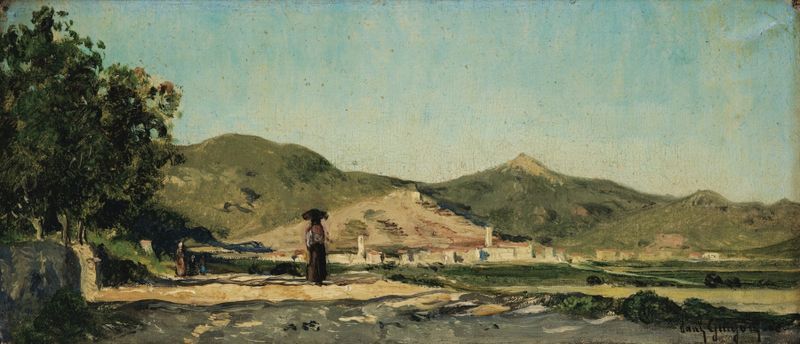
Paysanne sur un chemin en Provence
Paul-Camille Guigou
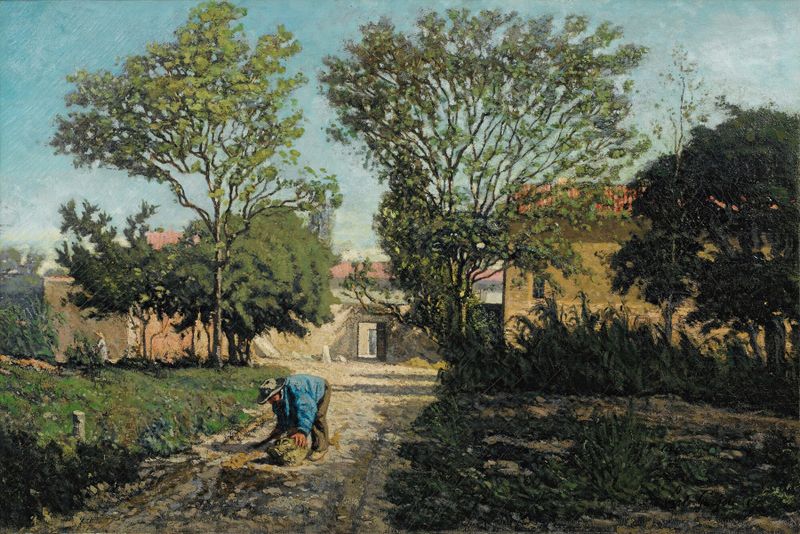
Ferme Aux Environs De Marseille
Paul-Camille Guigou

Hut by the sea shore (Cabane au bord de la mer)
Paul-Camille Guigou
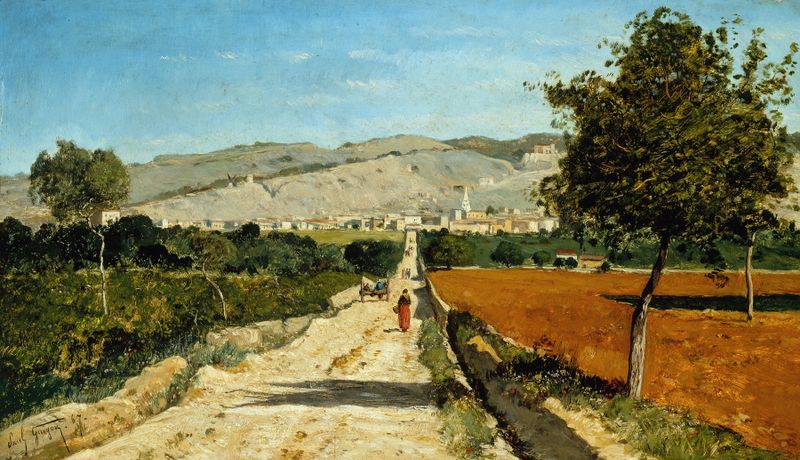
Paysage de Provence. Vue de Saint-Saturnin-les-Apt.
Paul-Camille Guigou

Barques sur la Durance
Paul-Camille Guigou
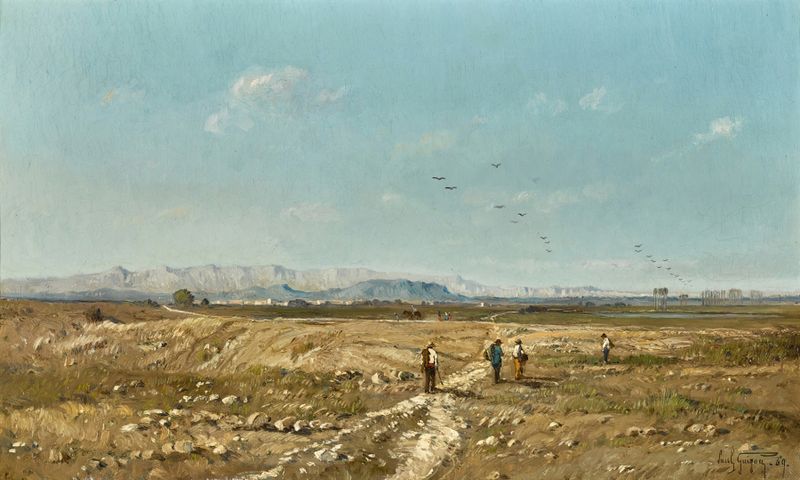
Souvenir de la Crau, Provence
Paul-Camille Guigou
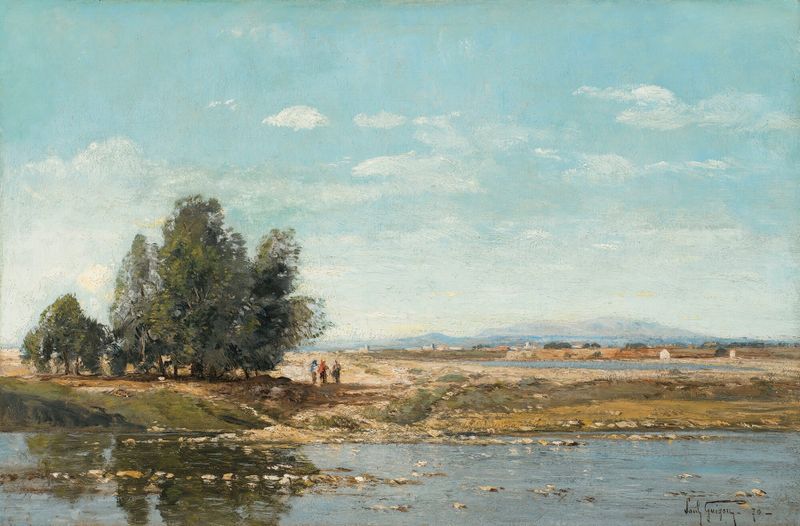
Bords De Durance
Paul-Camille Guigou

Am Ufer der Durance
Paul-Camille Guigou
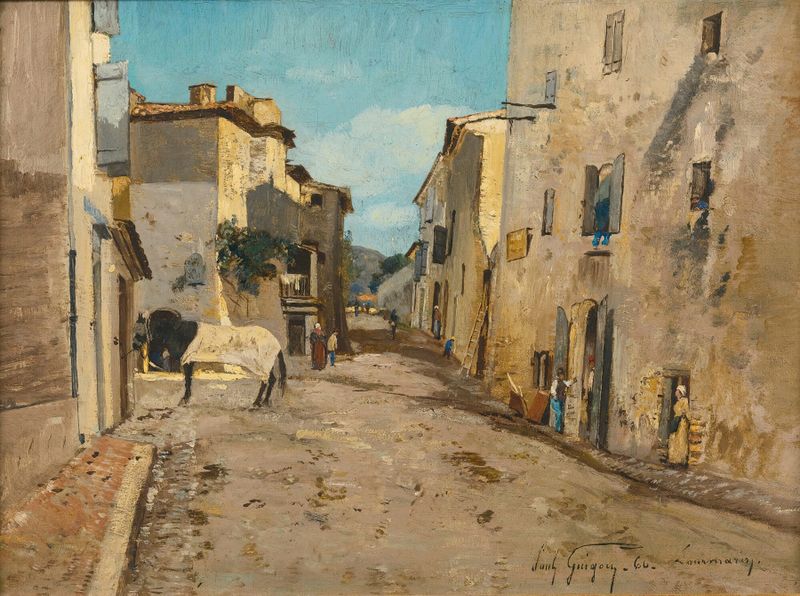
Rue À Lourmarin (Vaucluse)
Paul-Camille Guigou
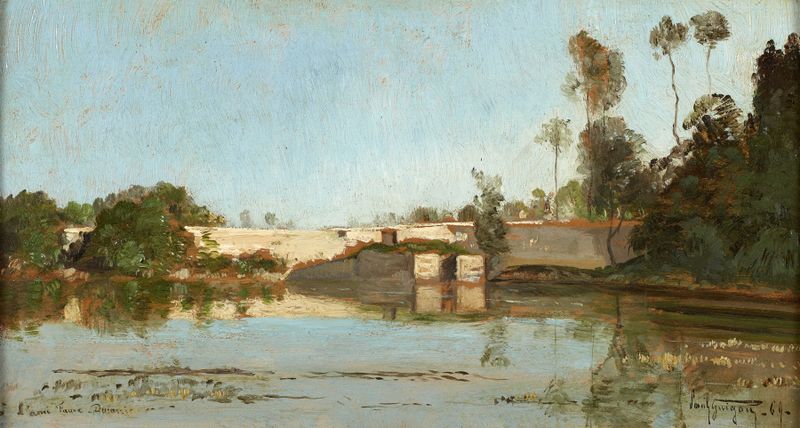
L’étang du Plessis-Picquet
Paul-Camille Guigou





