
Amstel bij de Munttoren — History & Facts
Could beauty survive in a century of chaos? This poignant question lingers as one gazes upon the tranquil waters captured in Amstel bij de Munttoren. The painting invites viewers into a world where serenity seems almost fragile amidst the tumult of the twentieth century. Focus on the gentle ripples of the Amstel, where the cool blue hues blend seamlessly with the muted tones of the surrounding architecture. Your eye is drawn first to the Munttoren, its stoic presence framed against a sky that hints at both dawn and dusk, embodying a delicate balance of light.
Notice how the soft brushstrokes create a sense of movement in the water, suggesting a fleeting moment that holds the weight of history. In this composition, contrasts abound. The tranquil scene belies the storms of social upheaval and war outside its frame. The juxtaposition of the enduring tower against the ephemeral reflections in the water evokes a sense of melancholy, a reminder of what is transient yet beautiful.
Each element seems to whisper stories of lives lived, dreams deferred, and the quiet resilience of a city that has weathered countless storms. Wenckebach painted this piece in the heart of the twentieth century, a time marked by both artistic innovation and societal turmoil. Living in Amsterdam, he was influenced by the post-war landscape and the burgeoning modern art movement. As he captured the timeless beauty of the Munttoren and its surroundings, he simultaneously grappled with the tensions of his era, crafting a work that resonates with both harmony and a profound sense of loss.
More Artworks by Willem Wenckebach
Browse all →
Bakkersgang te Amsterdam
Willem Wenckebach

Oude huizen aan het Markenplein te Amsterdam
Willem Wenckebach

Oude huizen aan het Waterlooplein te Amsterdam
Willem Wenckebach
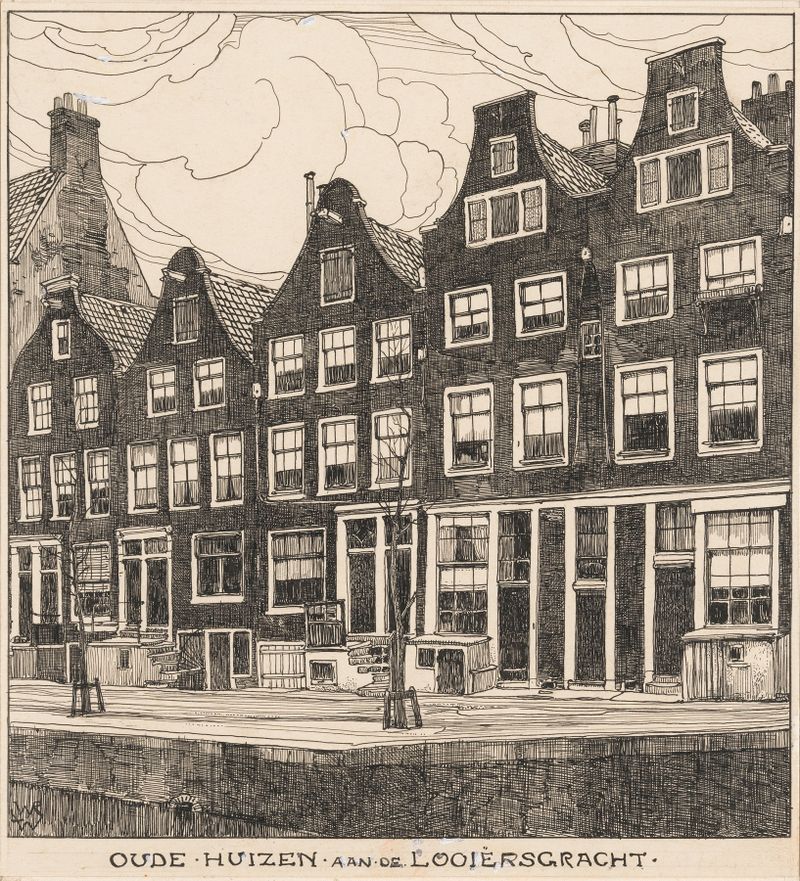
Oude huizen aan de Looiersgracht te Amsterdam
Willem Wenckebach
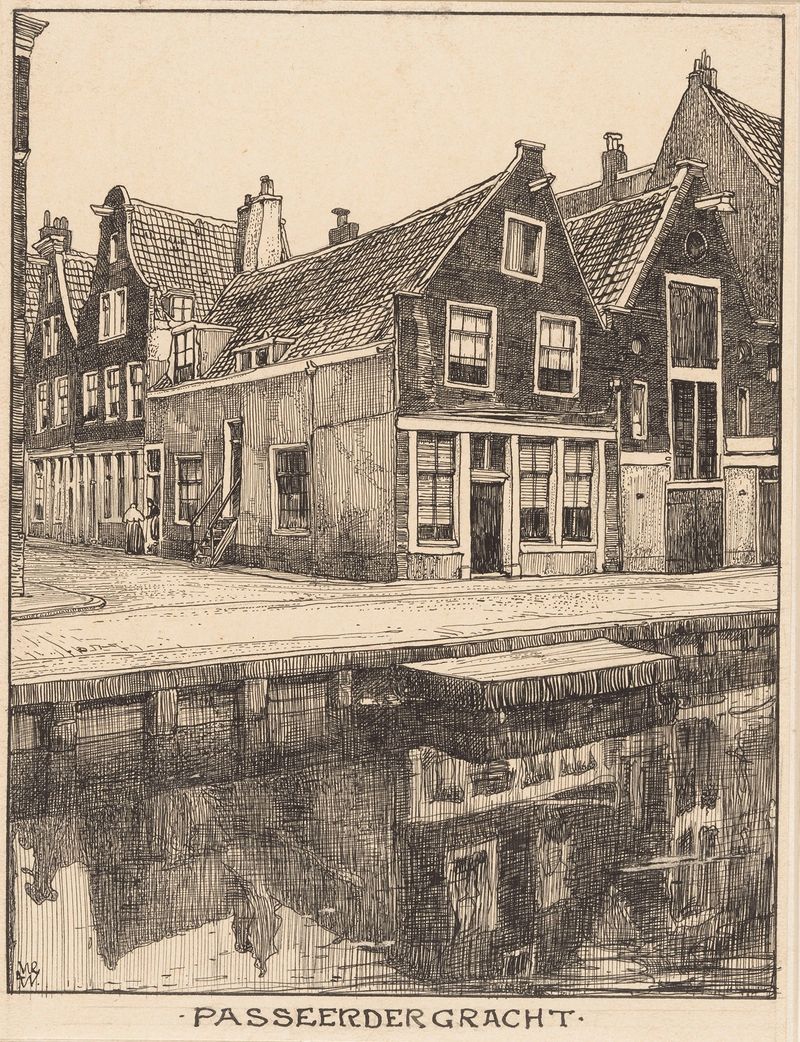
Passeerder Gracht te Amsterdam
Willem Wenckebach
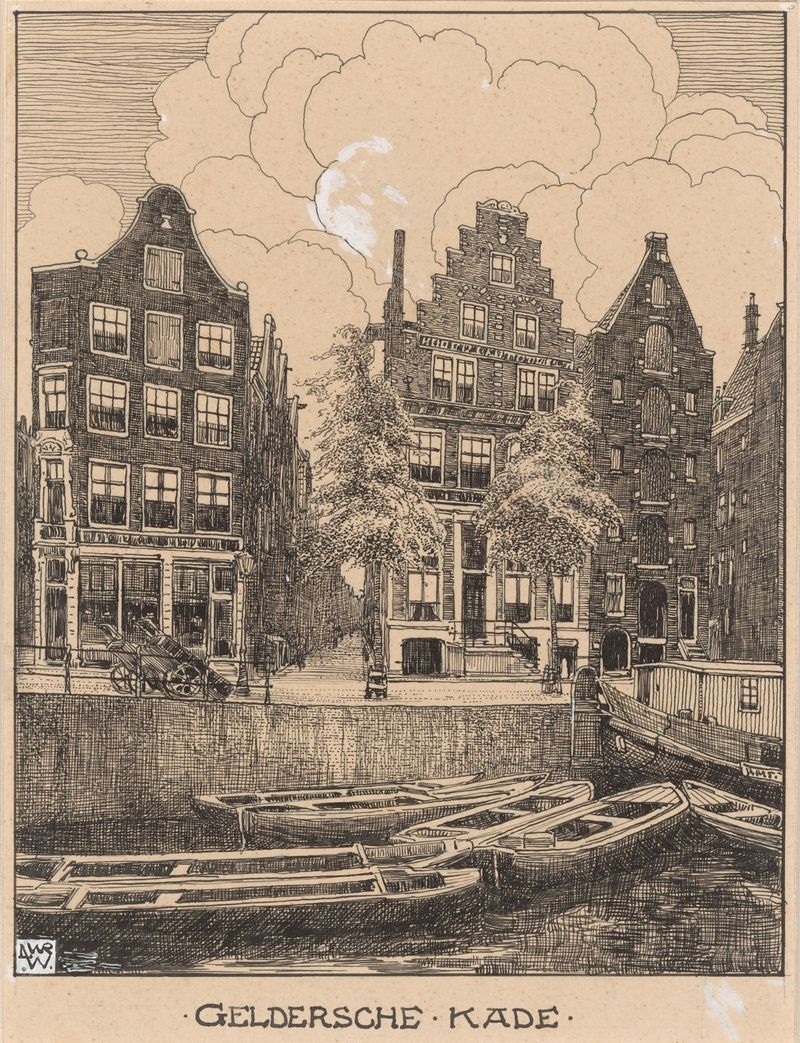
De Gelderse Kade te Amsterdam
Willem Wenckebach
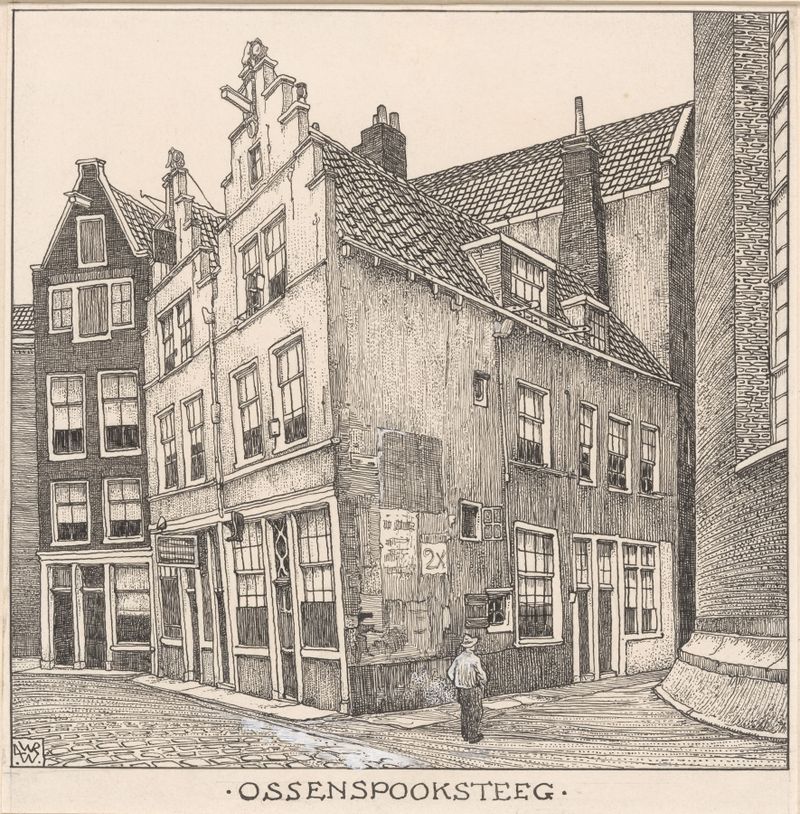
De Ossenspooksteeg te Amsterdam
Willem Wenckebach

Het Beurspleintje te Amsterdam
Willem Wenckebach
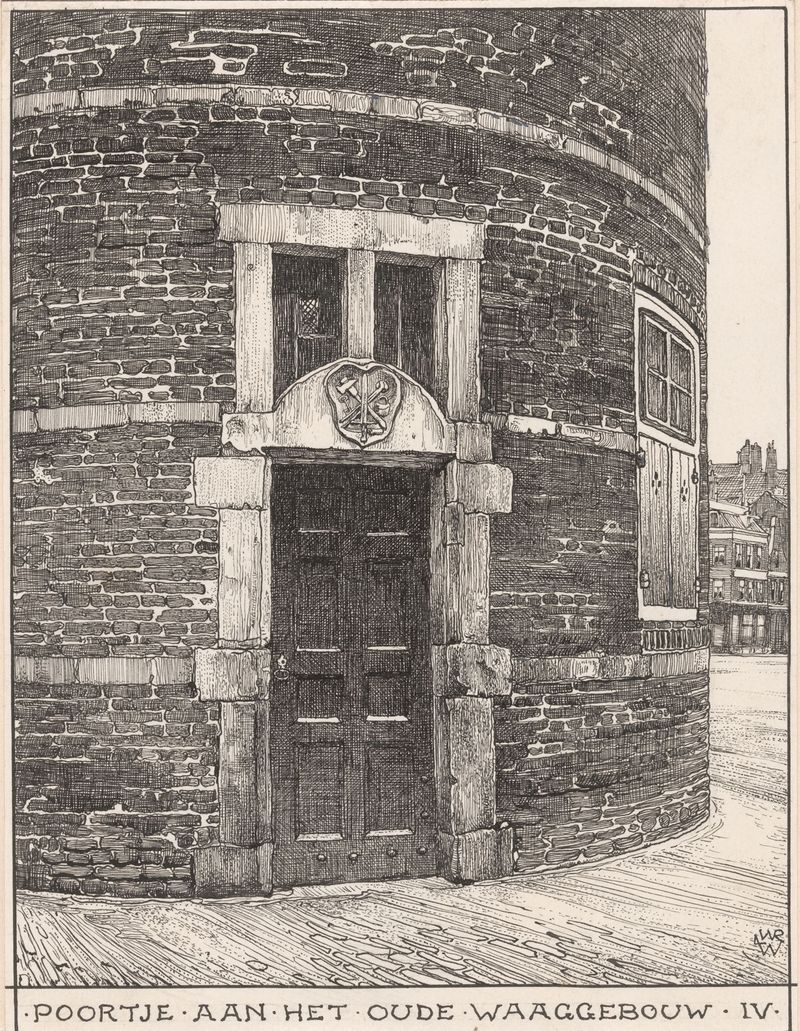
Poortje aan het oude Waaggebouw te Amsterdam
Willem Wenckebach

Torensluis te Amsterdam
Willem Wenckebach





