
Amsterdam from the Tolhuis — History & Facts
Could a single brushstroke hold eternity? In Amsterdam from the Tolhuis, reality bends and sways between the tangible and the ethereal, creating a mesmerizing illusion that invites deeper contemplation. Focus on the center of the canvas, where the winding waterways and delicate reflections unfold like a dream. The muted palette of grays and blues establishes a tranquil atmosphere, while the soft, diffused light lends an almost surreal quality to the scene. Notice how Whistler masterfully captures the play of water against the moody sky, each brushstroke a testament to his skill in manipulating color and form to evoke the essence of the city. As you explore the painting, pay attention to the subtle contrasts between light and shadow, which create an intricate dance of emotions.
The stillness of the water juxtaposes the vibrant life encapsulated in the distant buildings, suggesting a tension between tranquility and the bustling energy of urban life. This interplay reveals a deeper narrative, where each element reflects the impermanence of existence, inviting viewers to ponder the transient beauty of their own surroundings. Created during a pivotal time in his career in 1863, the artist found himself in Amsterdam, captivated by the city’s charm. This period marked a significant shift in his approach to color and composition, as he sought to challenge traditional boundaries within the art world.
Against a backdrop of artistic experimentation and the rise of Impressionism, he began to develop his unique style, which would eventually leave a lasting impact on modern art.
More Artworks by James Abbott McNeill Whistler
Browse all →
Nocturne in Blue and Silver
James Abbott McNeill Whistler
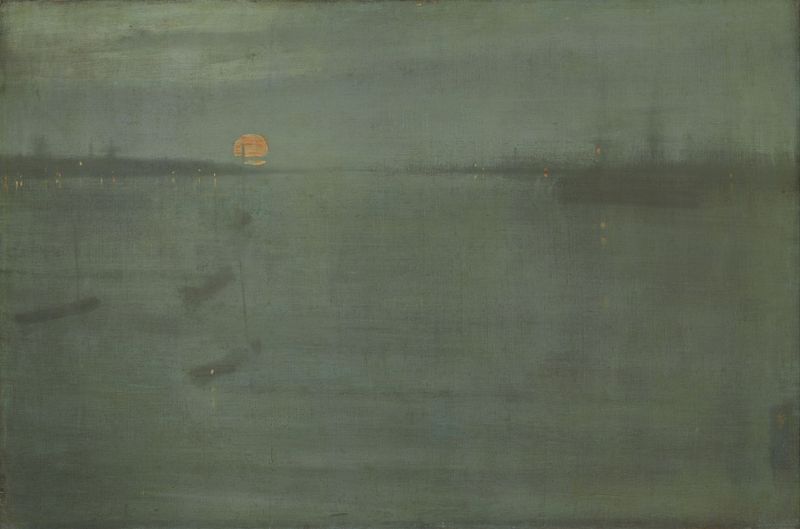
Nocturne: Blue and Gold–Southampton Water
James Abbott McNeill Whistler
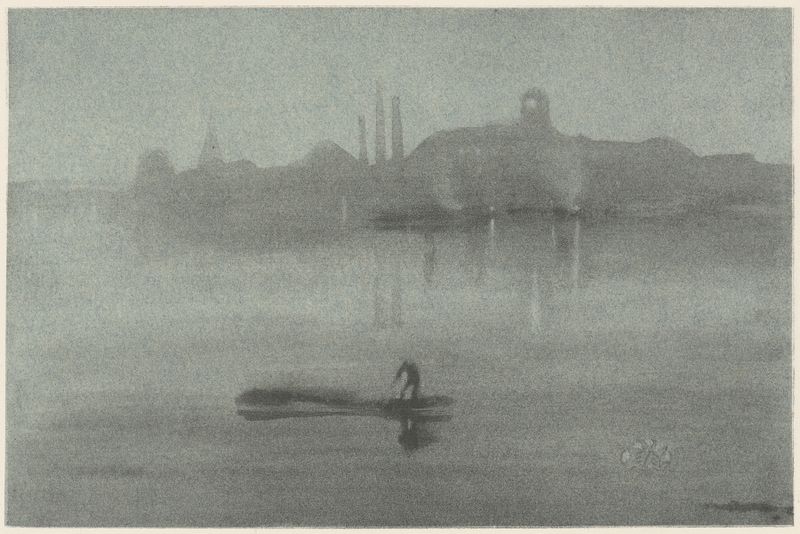
Nocturne
James Abbott McNeill Whistler
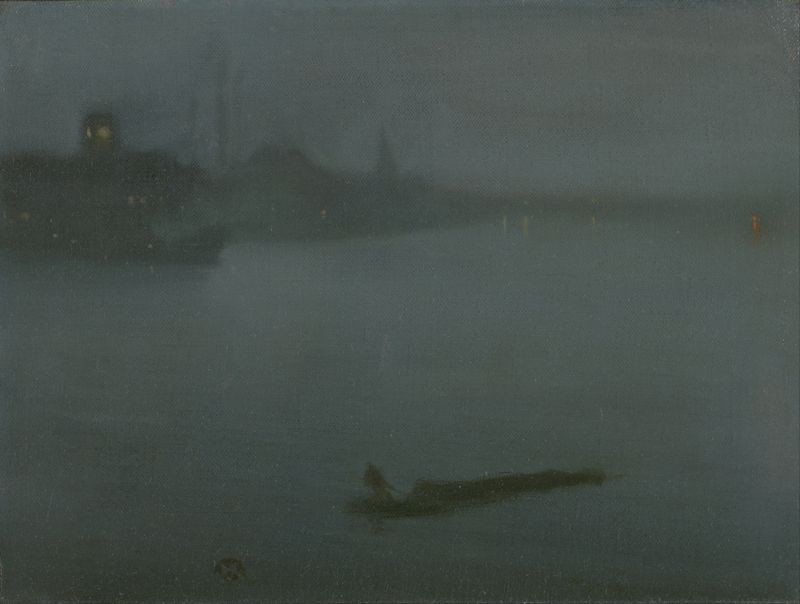
Nocturne in Blue and Silver
James Abbott McNeill Whistler
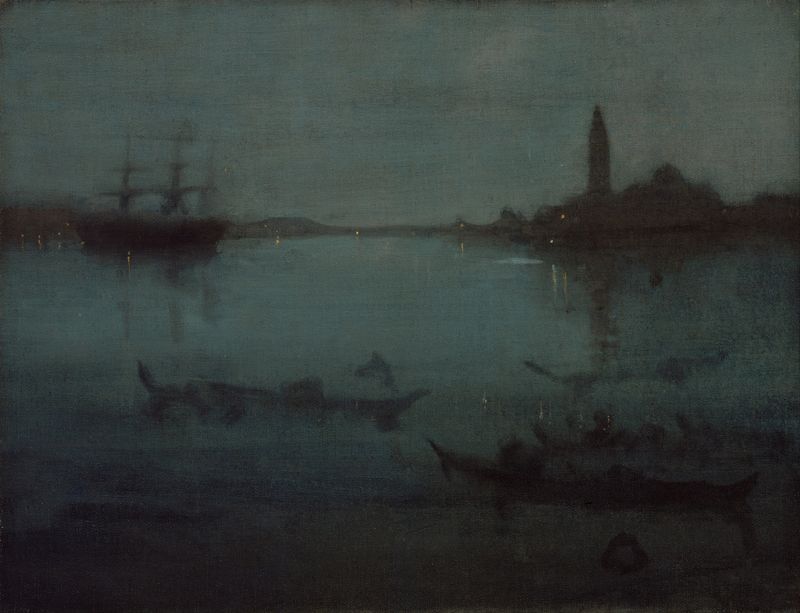
Nocturne in Blue and Silver- The Lagoon, Venice
James Abbott McNeill Whistler
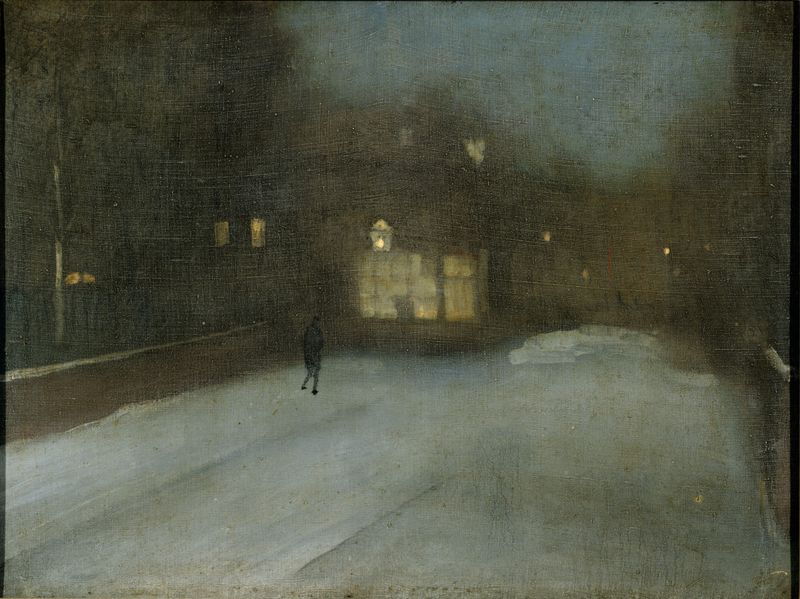
Nocturne in Grey and Gold: Chelsea Snow
James Abbott McNeill Whistler
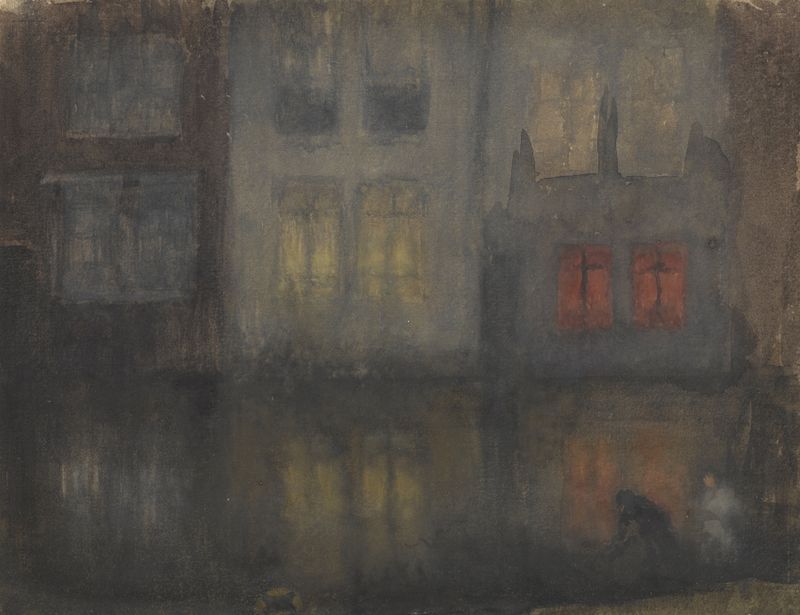
Nocturne: Black and Red—Back Canal, Holland
James Abbott McNeill Whistler
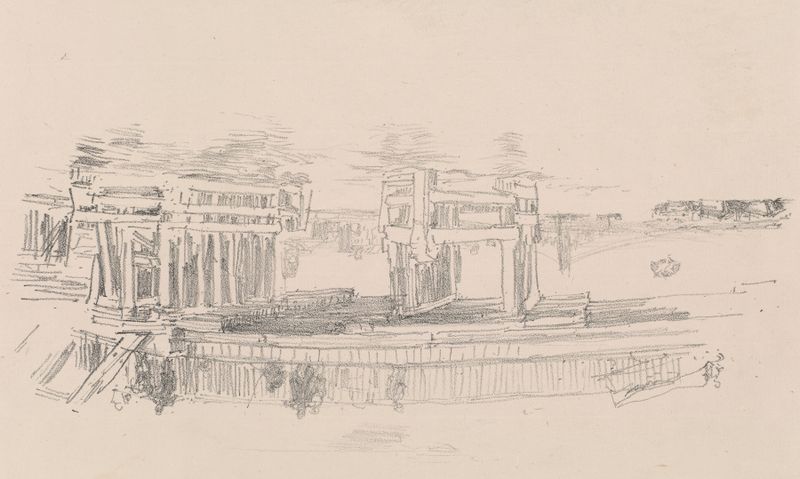
Old Battersea Bridge
James Abbott McNeill Whistler

Nocturne: Blue and Silver–Battersea Reach
James Abbott McNeill Whistler
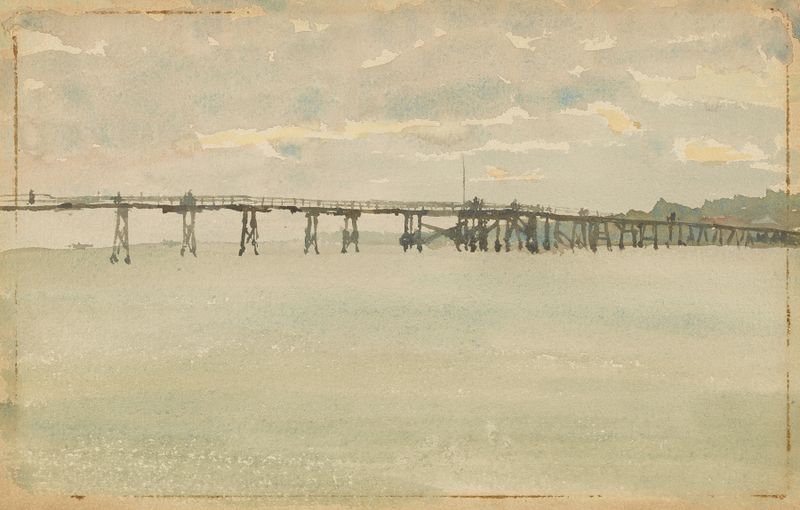
Grey and Silver–Pier, Southend
James Abbott McNeill Whistler





