
An allegory of Fortune — History & Facts
In An Allegory of Fortune, the viewer is greeted with a rich palette of golds, deep blues, and vibrant reds. The central figure, often depicted as a woman, embodies Fortune, surrounded by symbols of luck and chance. Various figures in the background appear to be engaged in different activities, reflecting the unpredictability of fate.
The setting is ornate, enhancing the theme of wealth and fortune. The painting is executed in oil on panel, a common medium during the Dutch Golden Age. Schalcken's technique showcases his skill in chiaroscuro, creating a dramatic contrast between light and shadow. The details in the fabric and the expressions of the figures are finely rendered, inviting viewers to explore the narrative within the artwork.
The dimensions are approximately 60 x 80 cm, making it a medium-sized piece. Godfried Schalcken was known for his genre scenes and allegorical works, often emphasizing light effects. An Allegory of Fortune reflects his interest in the theme of fate and chance, which was prevalent in Dutch art of the time. Interestingly, this painting may have been commissioned for a private collection, highlighting the demand for such themes among the wealthy patrons of the era.
Schalcken's ability to blend realism with allegory makes this work a notable example of his artistic style.
More Artworks by Godfried Schalcken

Young Man and Woman Studying a Statue of Venus, by Lamplight
Godfried Schalcken

Portrait of an Artist in His Studio
Godfried Schalcken
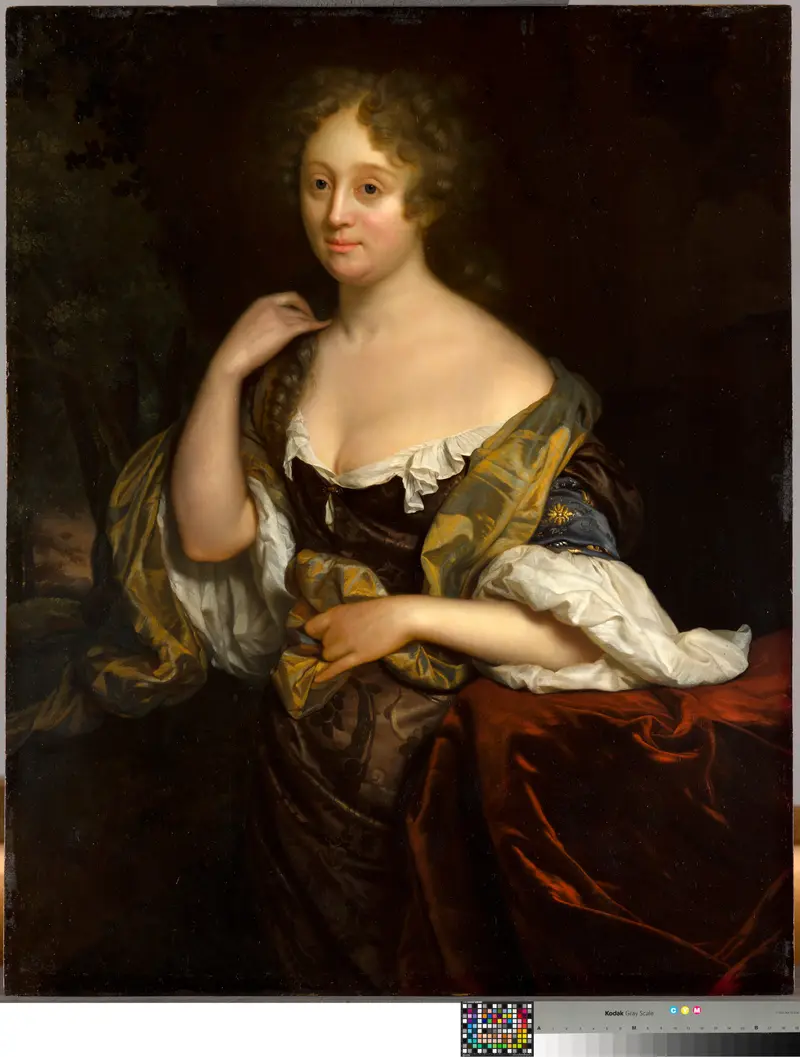
Portrait of Isabella Agneta Deutz
Godfried Schalcken
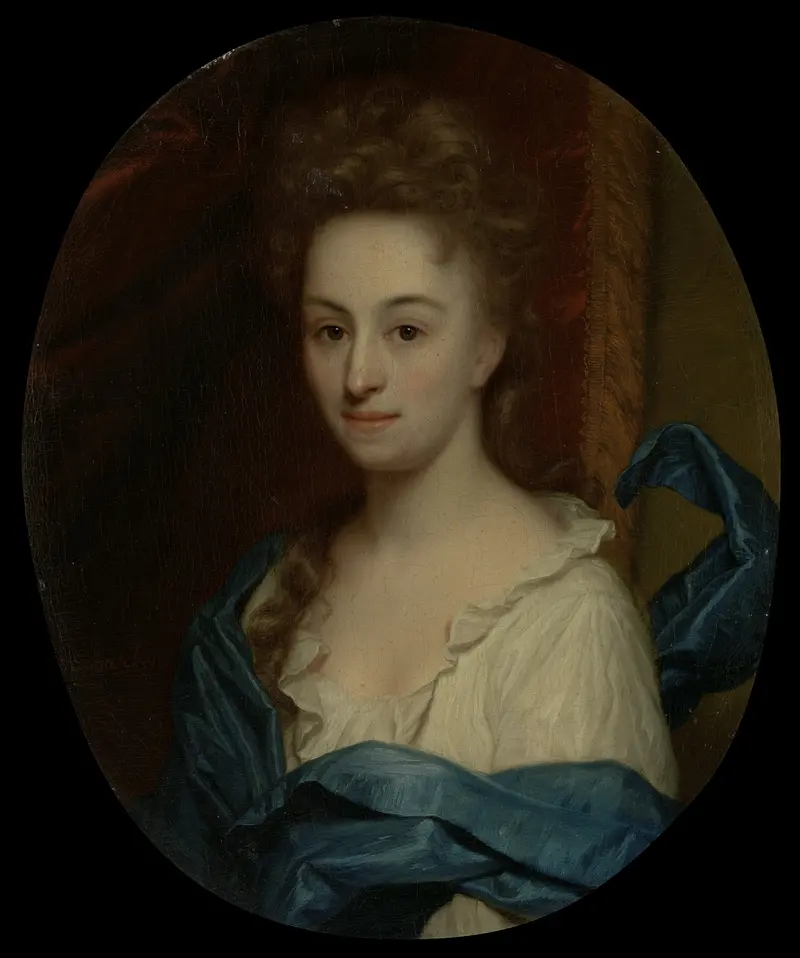
Portrait of Josina Clara van Citters (1671-1753), daughter of Josina Parduyn
Godfried Schalcken
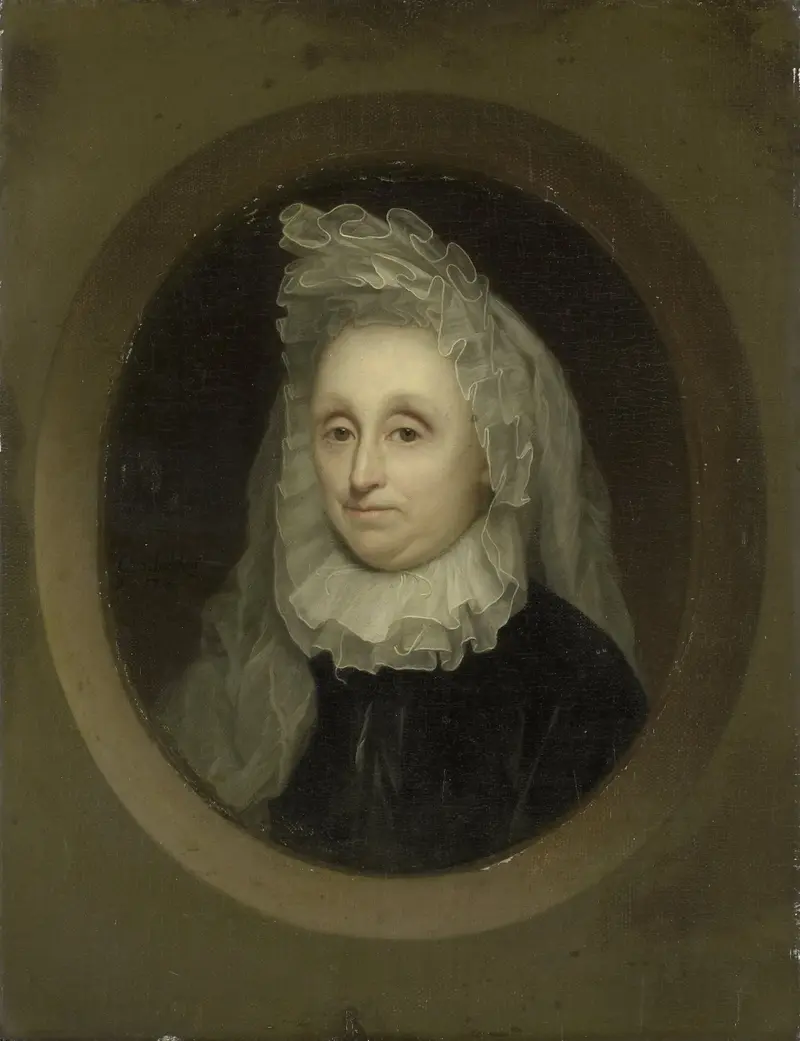
Portrait of Josnia Parduyn (1642-1718), second wife of Aernout van Citters
Godfried Schalcken
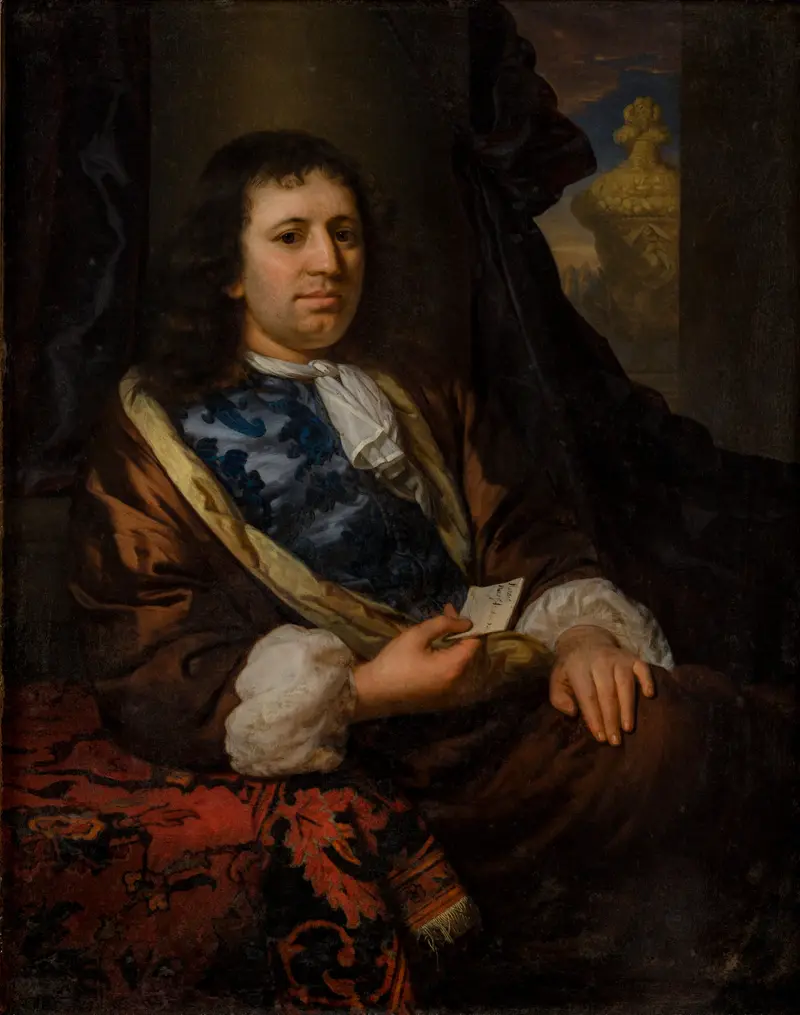
Portret van Johan de Bruin (1678-
Godfried Schalcken
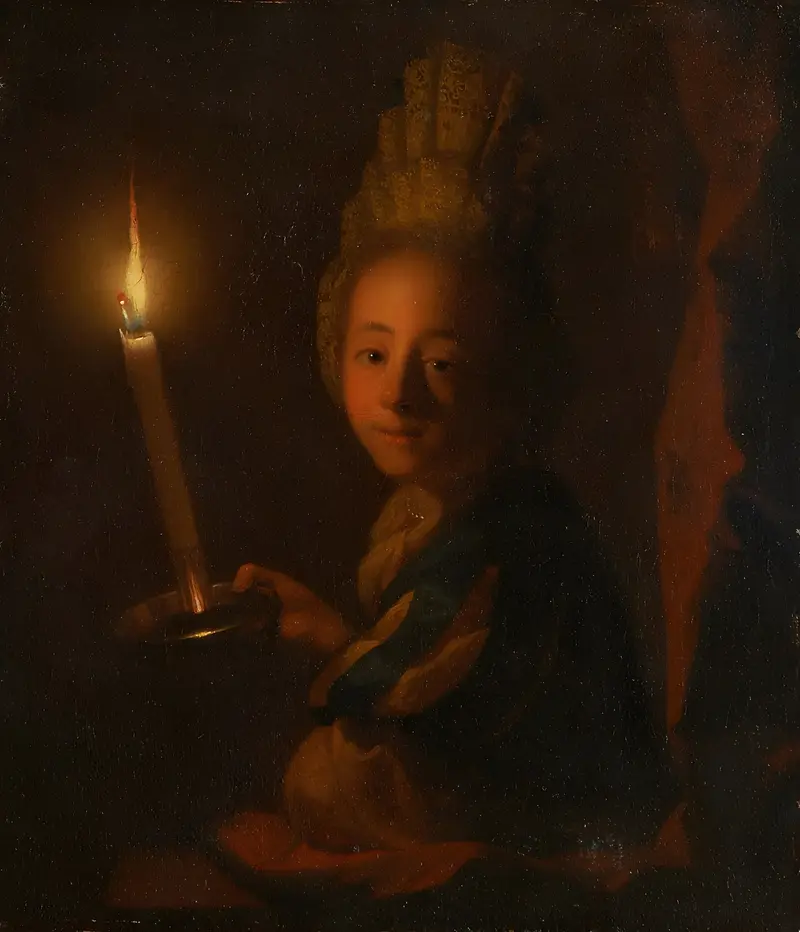
Girl with Burning Candle
Godfried Schalcken
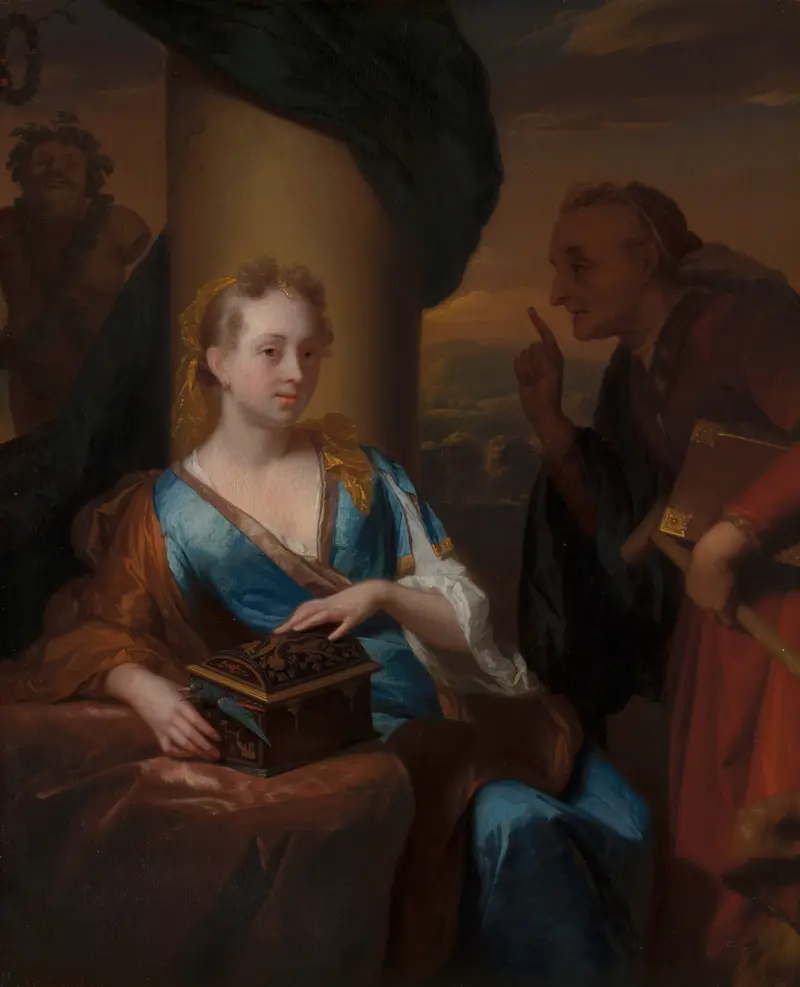
A Useless Moral Lesson
Godfried Schalcken
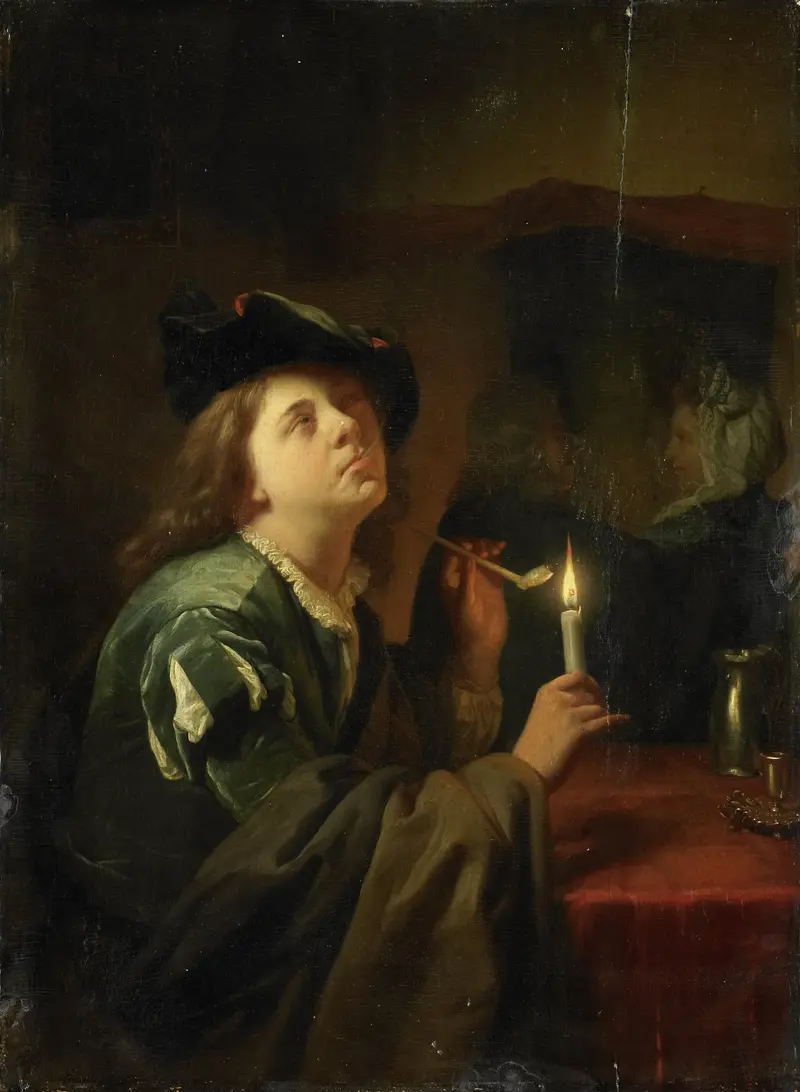
‘Differing tastes’
Godfried Schalcken
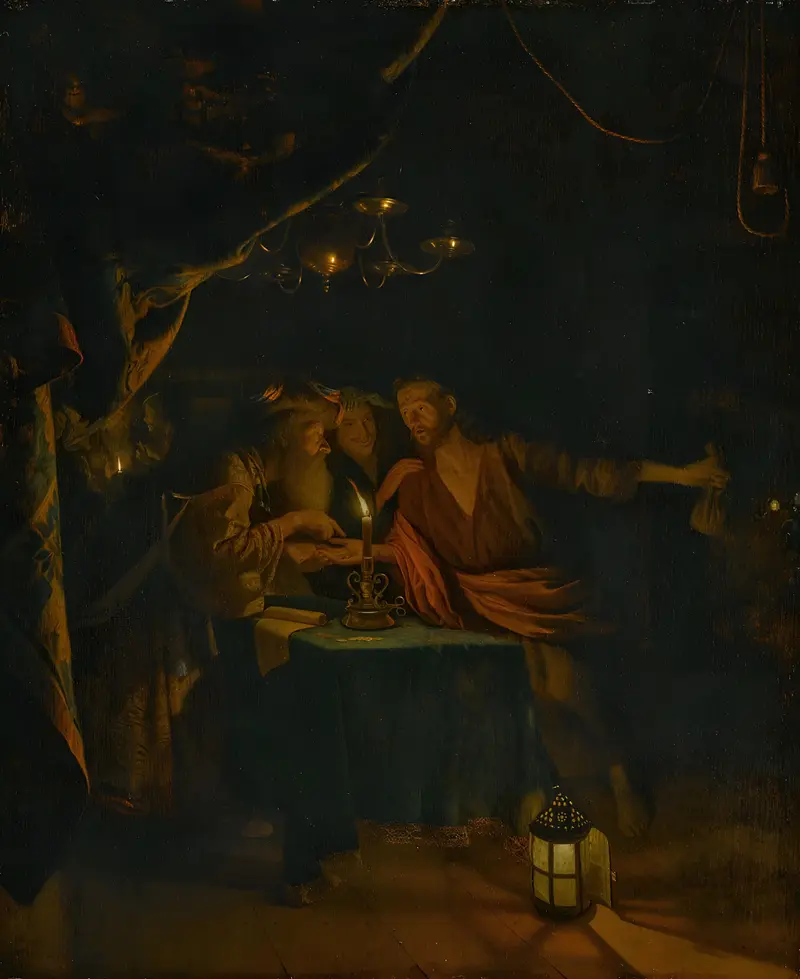
The betrayal of Judas
Godfried Schalcken





