
Portret van Johan de Bruin (1678- — History & Facts
When Godfried Schalcken painted Portret van Johan de Bruin (1678-), he captured not just a likeness but a moment of social ambition. Johan de Bruin was a member of the Dutch patriciate, a class whose fortunes rose with the Republic’s golden age. Portraits like this were more than personal mementos; they were declarations of status, intended for display in the family home or city hall.
Schalcken, famed for his candlelit scenes, here turns his attention to the rising bourgeoisie, whose desire for recognition drove much of the portrait market in late 17th-century Holland. The sitter, Johan de Bruin, is presented with a direct gaze, his attire carefully rendered to signal both wealth and sobriety—hallmarks of the Dutch elite. Schalcken’s handling of light, though less dramatic than in his nocturnal genre scenes, subtly models the face, lending it a quiet dignity. The pose is restrained, hands likely resting on a table or armrest, signaling composure and self-command.
Unlike the flamboyant portraits of Anthony van Dyck, Schalcken’s approach is intimate, focusing on the sitter’s character rather than grand gestures or opulent settings. The background is kept plain, ensuring that the viewer’s attention remains on de Bruin’s features and bearing. The exact circumstances of the painting’s commission remain unclear, as do the details of its early provenance. Like many works by Schalcken, it likely passed through private collections before entering the public eye.
The artist himself was celebrated in his own day for his technical skill and his ability to flatter sitters without sacrificing realism. Today, Portret van Johan de Bruin (1678-) stands as a testament to the aspirations of the Dutch middle class and the enduring appeal of portraiture in the Baroque era, even as scholars continue to seek out more about its origins and journey.
More Artworks by Godfried Schalcken

Young Man and Woman Studying a Statue of Venus, by Lamplight
Godfried Schalcken

Portrait of an Artist in His Studio
Godfried Schalcken
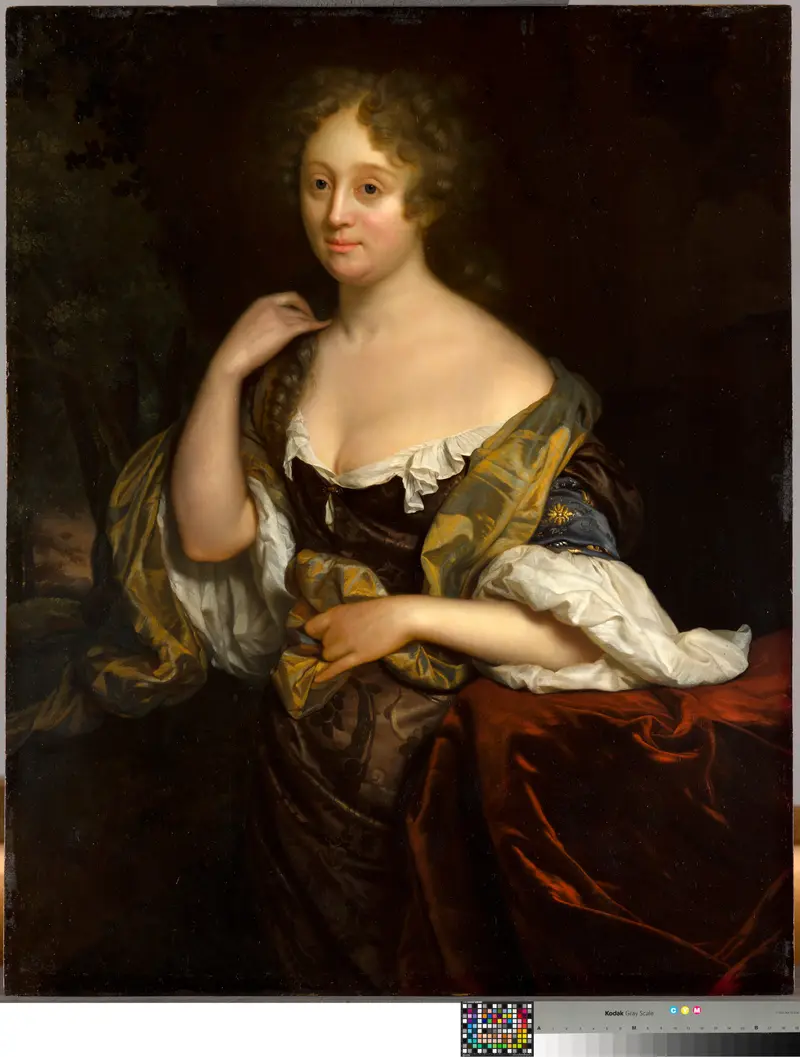
Portrait of Isabella Agneta Deutz
Godfried Schalcken
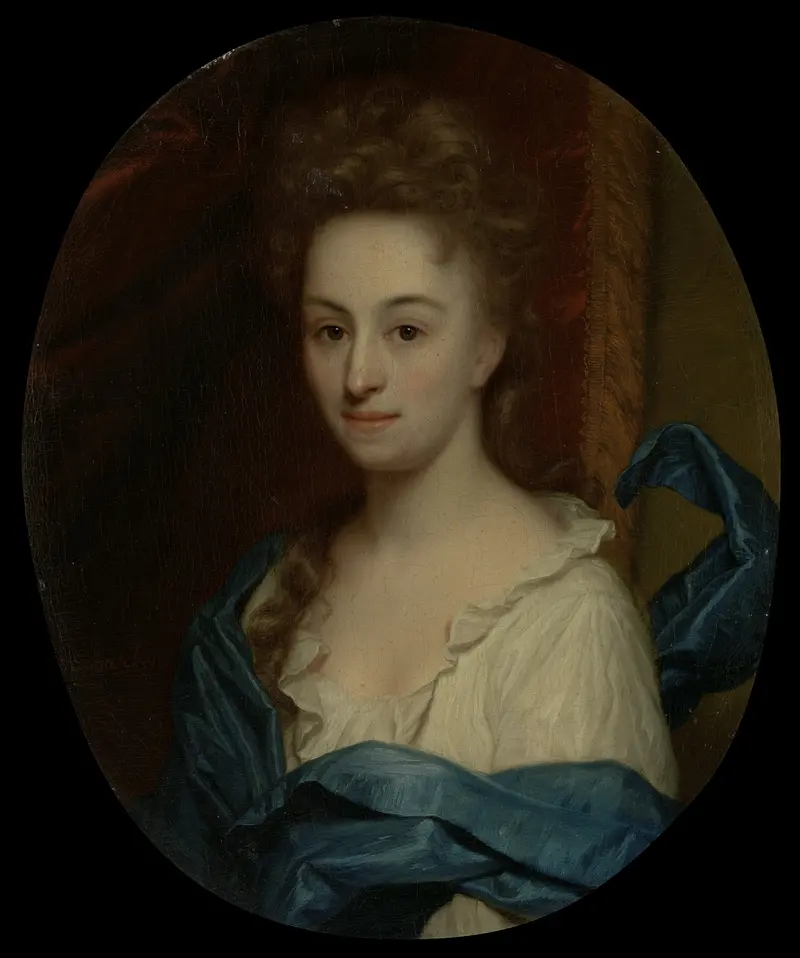
Portrait of Josina Clara van Citters (1671-1753), daughter of Josina Parduyn
Godfried Schalcken
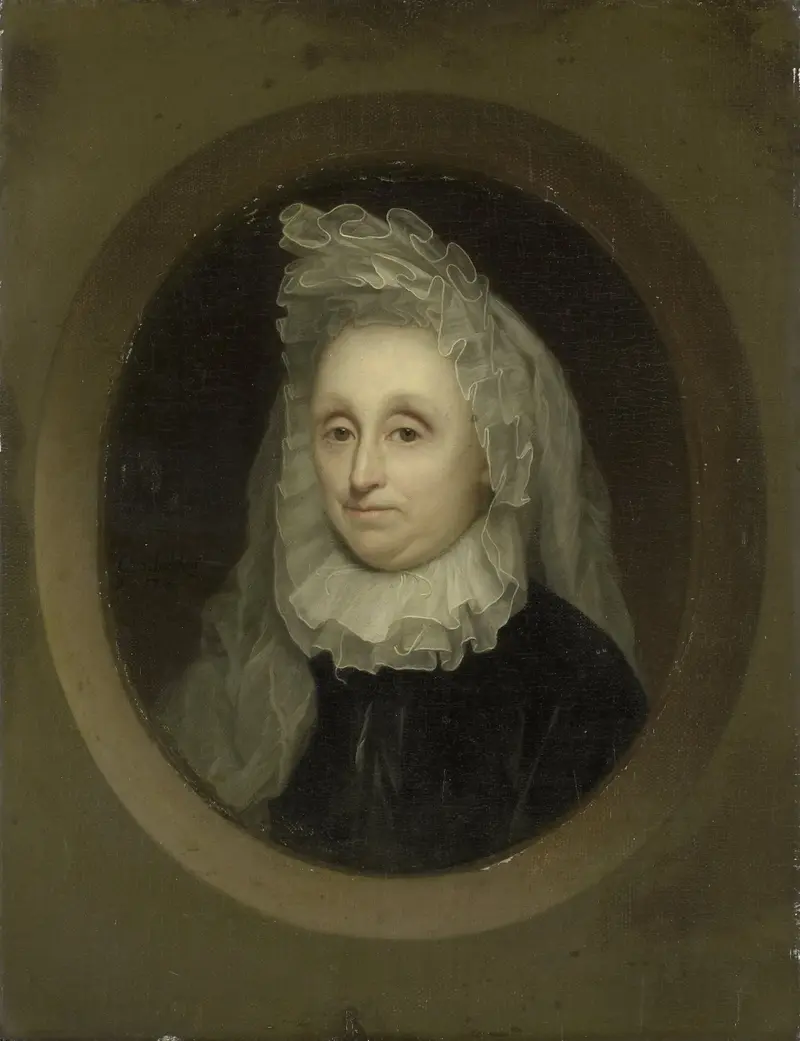
Portrait of Josnia Parduyn (1642-1718), second wife of Aernout van Citters
Godfried Schalcken
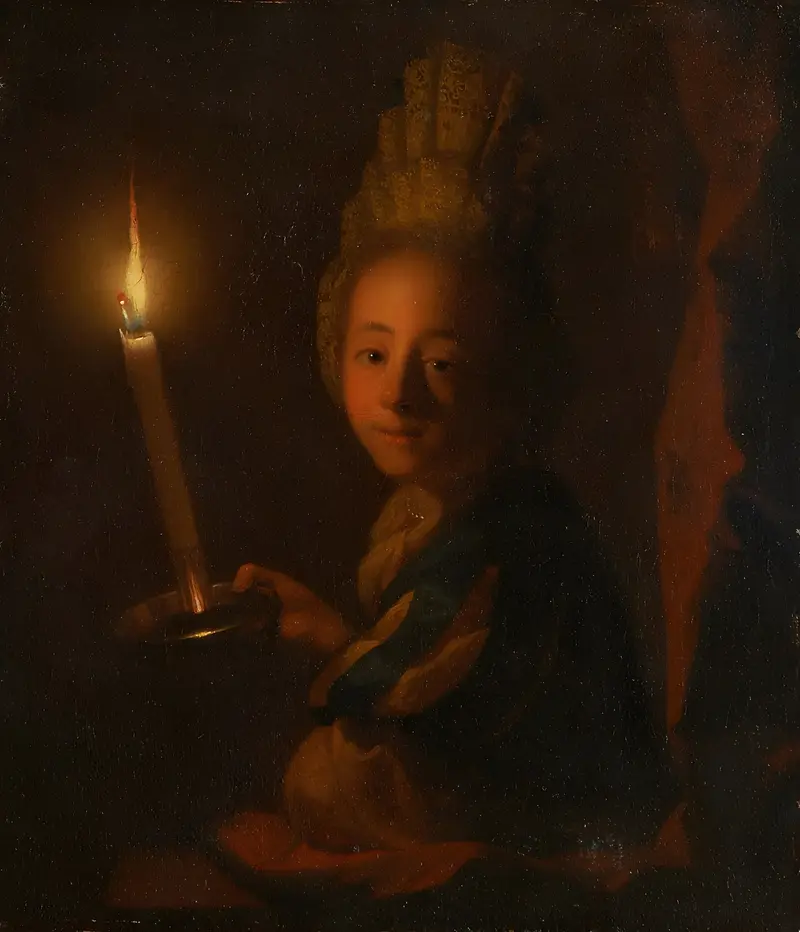
Girl with Burning Candle
Godfried Schalcken
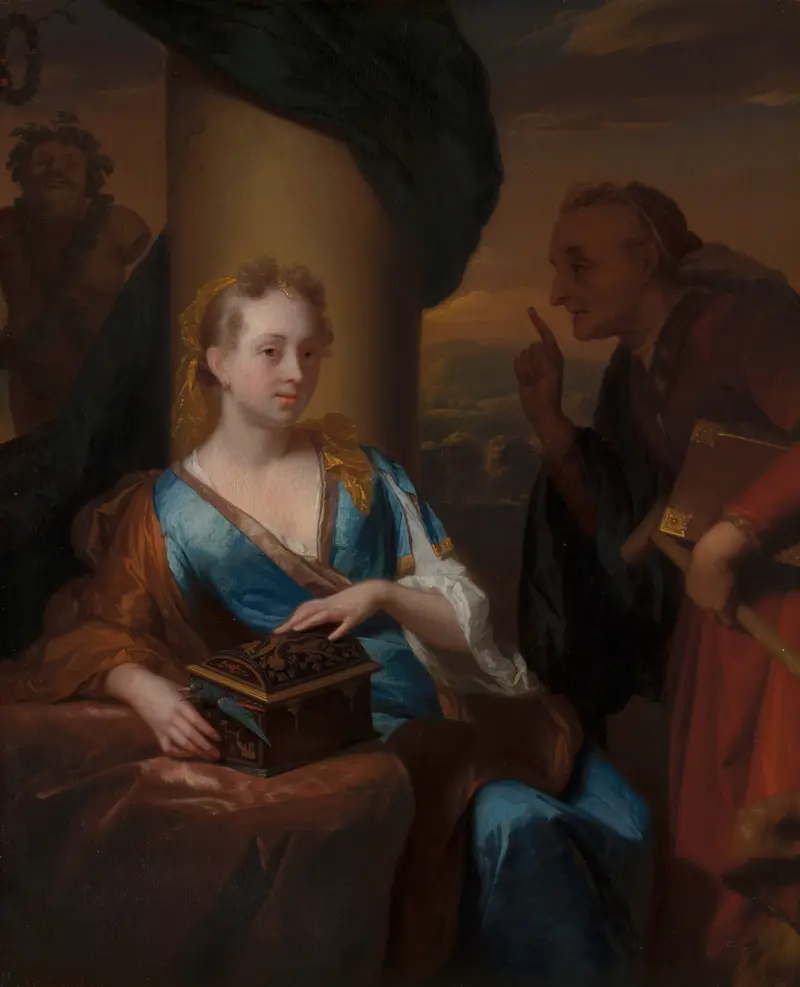
A Useless Moral Lesson
Godfried Schalcken
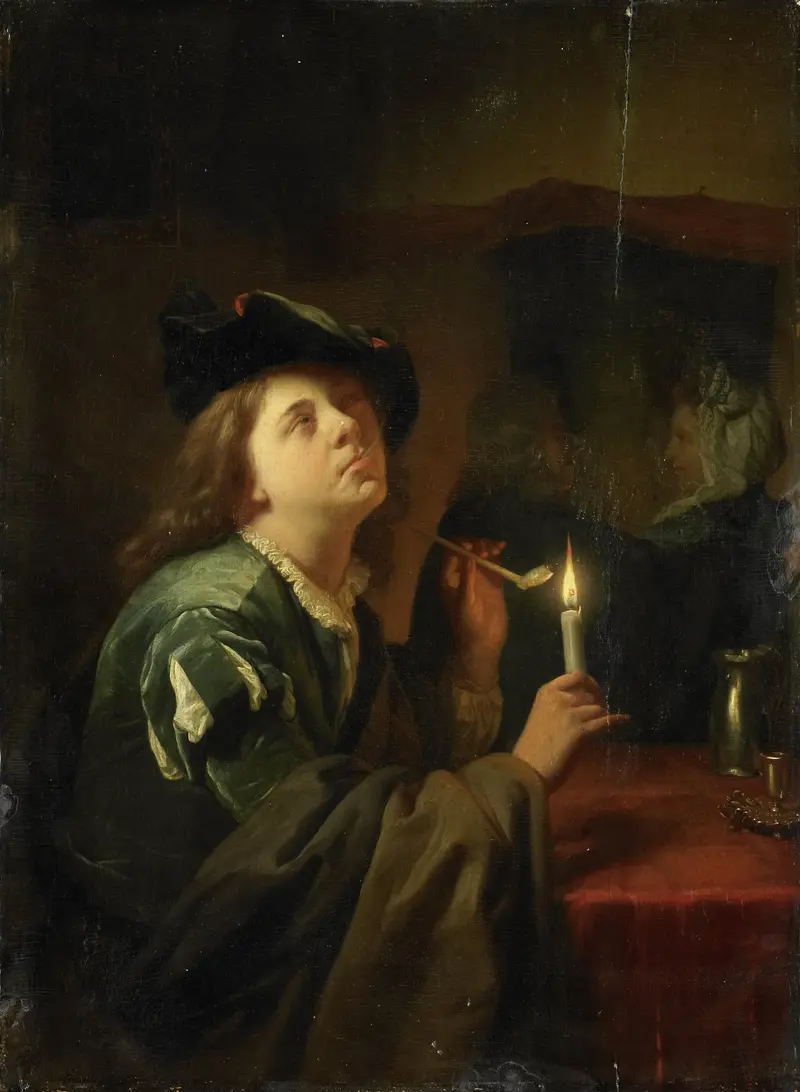
‘Differing tastes’
Godfried Schalcken
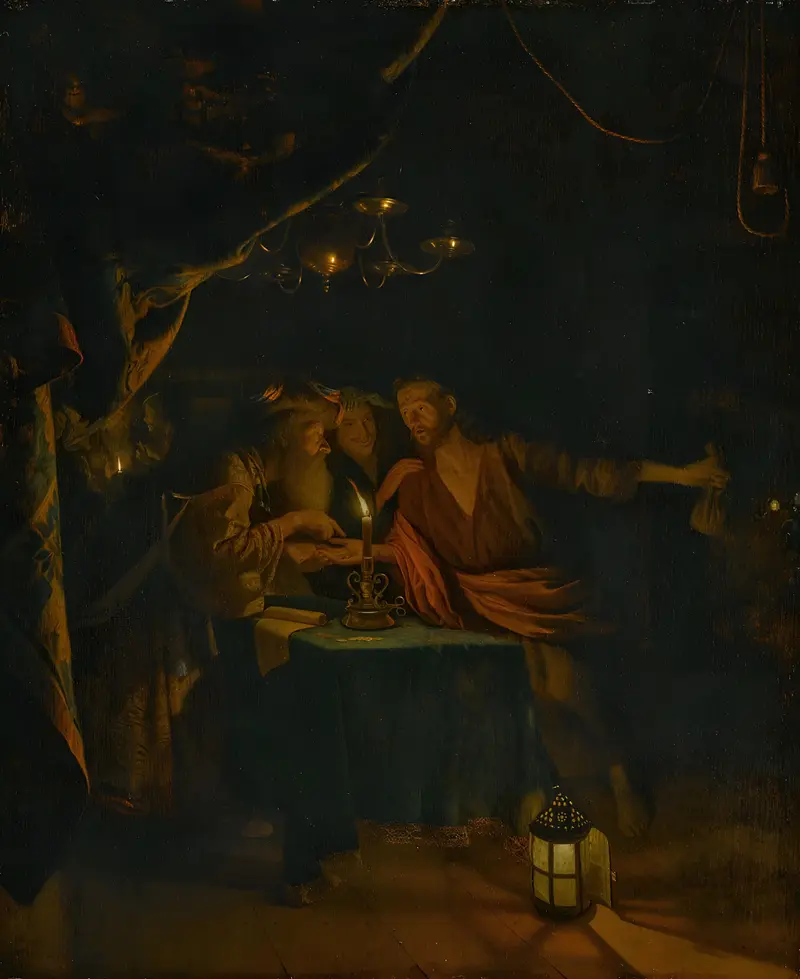
The betrayal of Judas
Godfried Schalcken
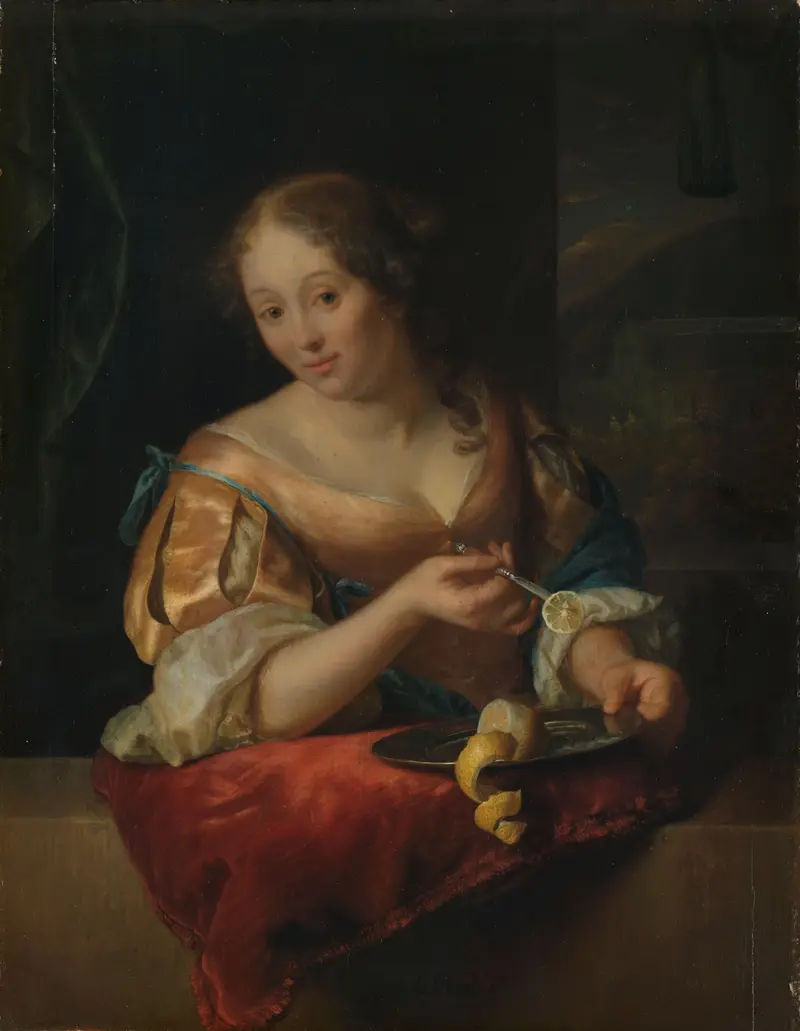
Young Woman with Lemon
Godfried Schalcken





