
Girl with Burning Candle — History & Facts
Nocturnal candlelight scenes became a signature for Godfried Schalcken, and Girl with Burning Candle is among his most enigmatic. Schalcken’s fascination with the flicker of flame was so well known that, according to early biographer Arnold Houbraken, he was “the best at painting a candle’s light and the secrets it reveals.” The painting’s precise date and commission are lost to history, but its subject—a solitary young woman holding a candle—recurs in several versions by Schalcken and his followers, fueling debate over whether she was a model, a muse, or a symbol. The viewer is drawn into the hush of a darkened room, where a girl shields her candle with one hand, her face half-lit by the wavering glow. Schalcken captures the moment when light and shadow vie for dominance, the flame illuminating her delicate features while the rest of the scene recedes into obscurity.
The gesture of her hand, both protective and tentative, suggests vulnerability and curiosity, inviting us to wonder what she expects to find—or fears to reveal. Unlike Georges de La Tour’s more meditative candlelit figures, Schalcken’s subject meets our gaze, implicating us in her secret vigil and making the darkness feel intimate rather than remote. As with many of Schalcken’s candlelit works, the provenance of Girl with Burning Candle is uncertain. Such paintings were highly sought after in late seventeenth-century Holland and England, collected by merchants and aristocrats who prized their technical bravura and atmospheric effect.
Over time, versions of this composition have circulated through private hands and public collections, sometimes misattributed or confused with copies by Schalcken’s workshop. Today, the painting stands as a testament to the artist’s enduring fascination with light, and to the quiet drama he found in the everyday act of holding a flame against the dark.
More Artworks by Godfried Schalcken

Young Man and Woman Studying a Statue of Venus, by Lamplight
Godfried Schalcken

Portrait of an Artist in His Studio
Godfried Schalcken
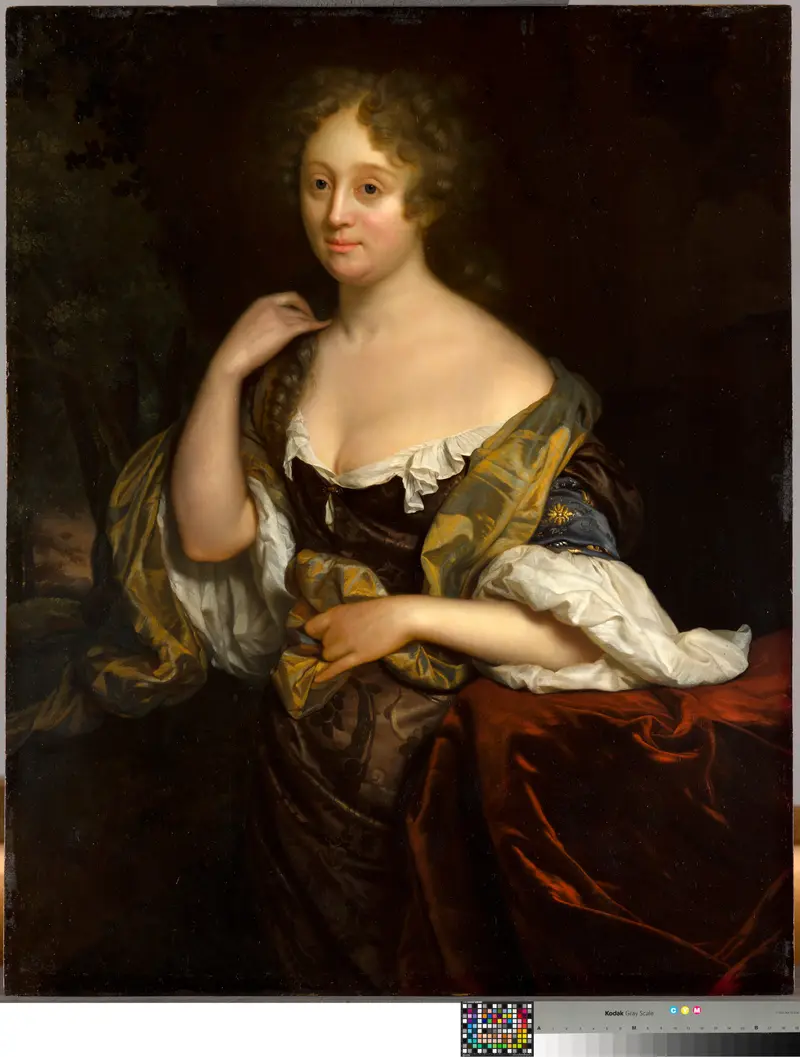
Portrait of Isabella Agneta Deutz
Godfried Schalcken
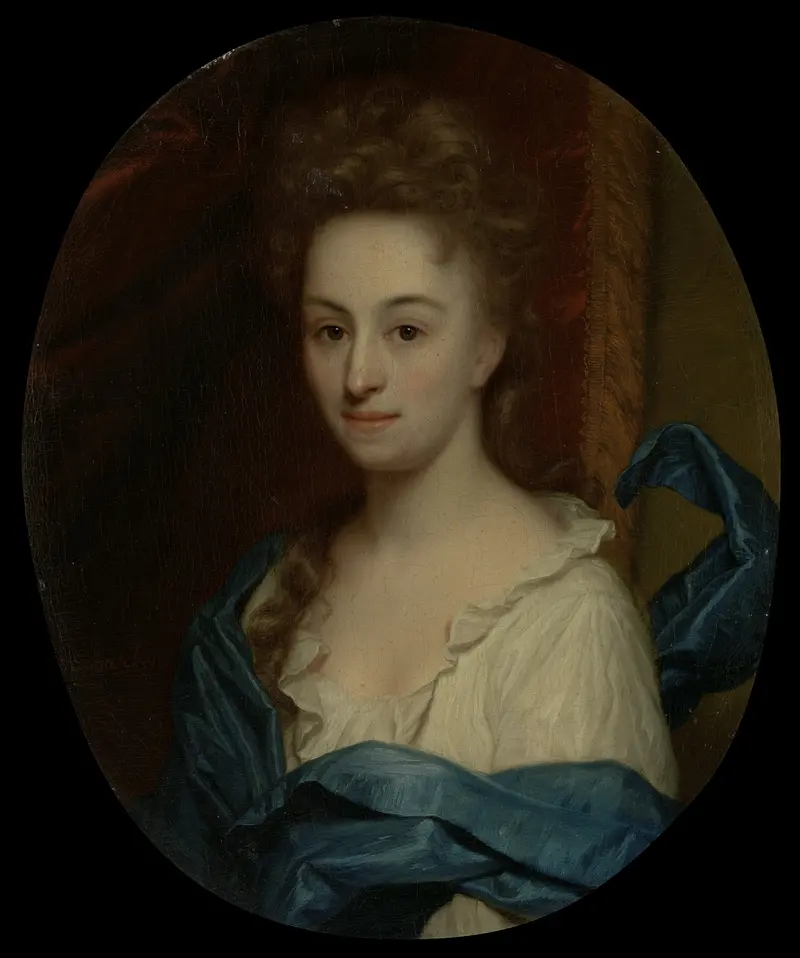
Portrait of Josina Clara van Citters (1671-1753), daughter of Josina Parduyn
Godfried Schalcken
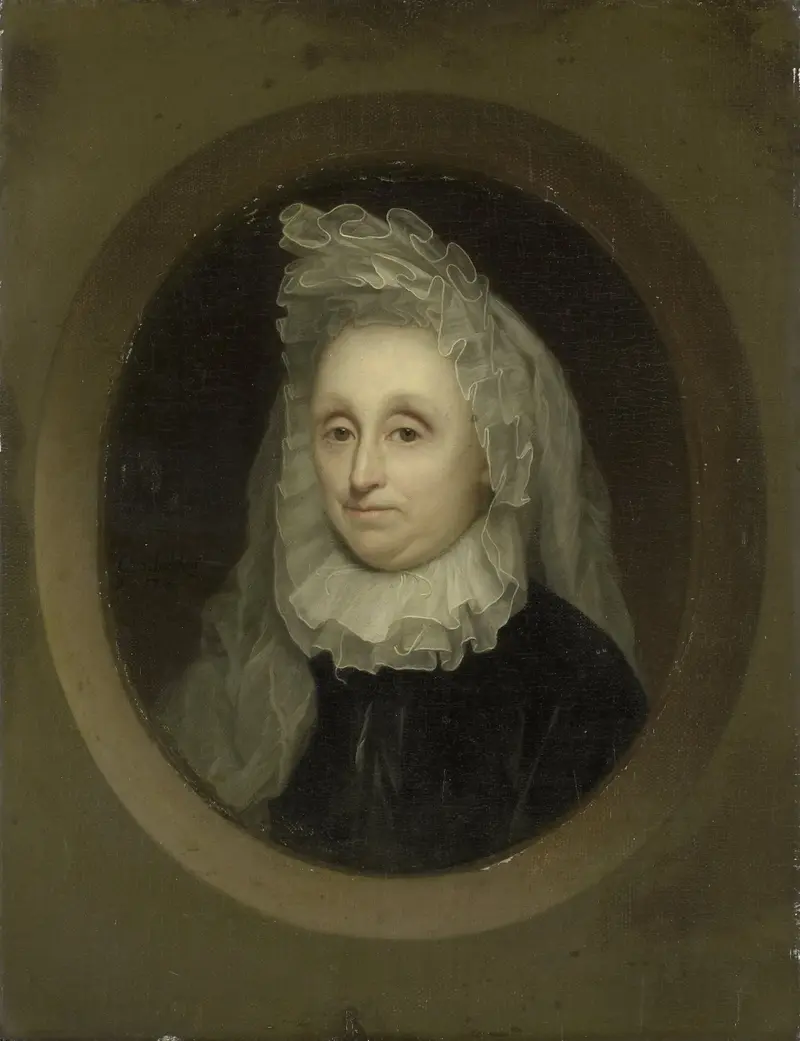
Portrait of Josnia Parduyn (1642-1718), second wife of Aernout van Citters
Godfried Schalcken
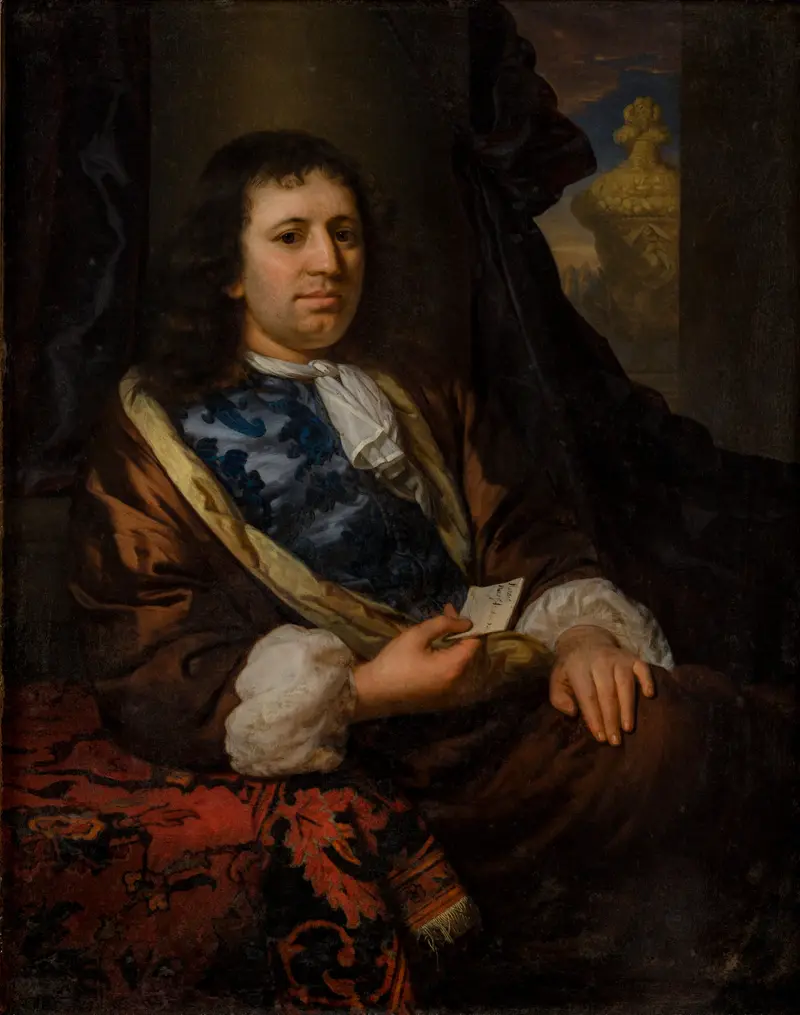
Portret van Johan de Bruin (1678-
Godfried Schalcken
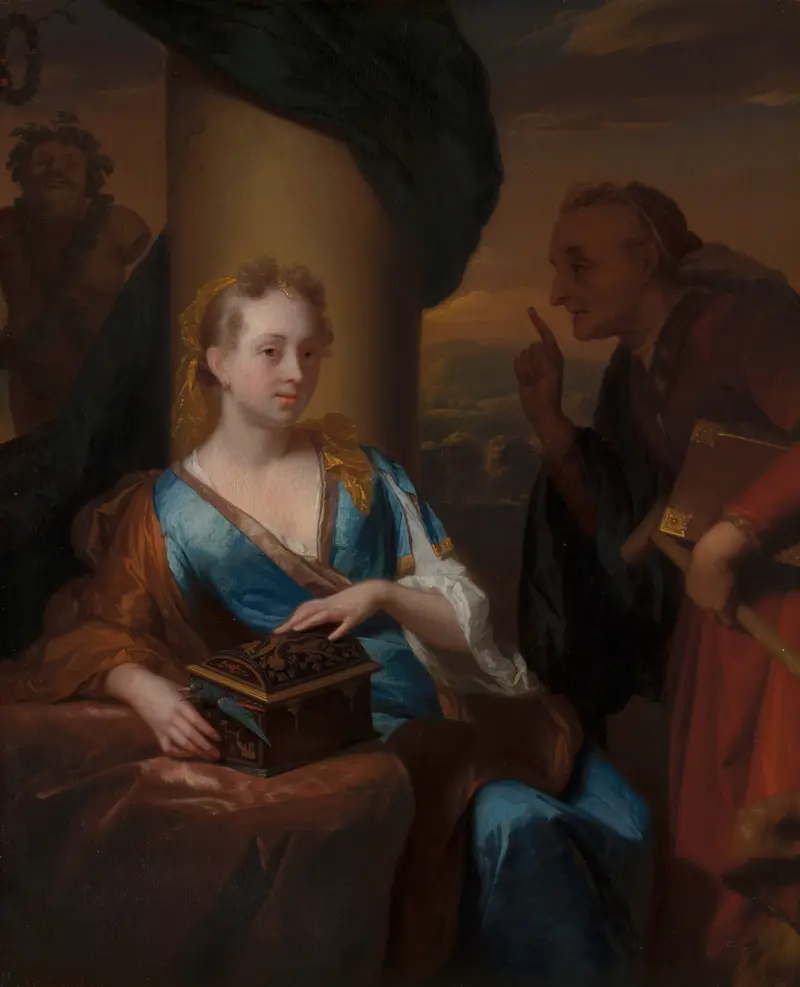
A Useless Moral Lesson
Godfried Schalcken
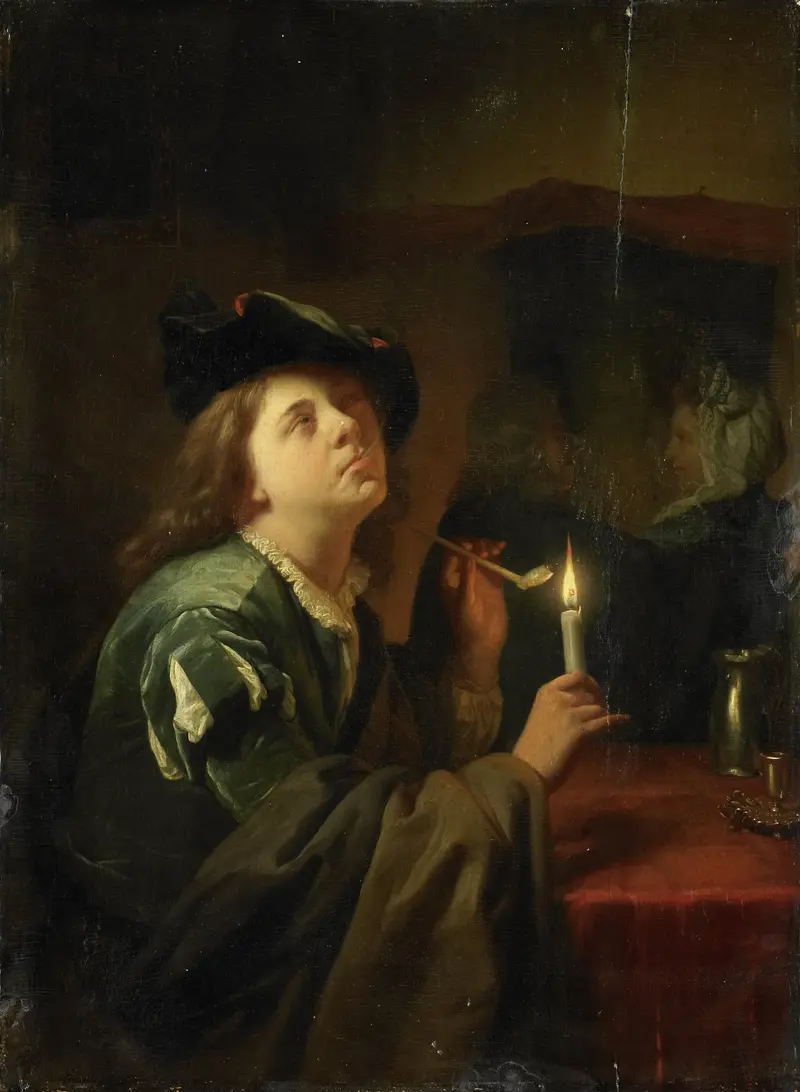
‘Differing tastes’
Godfried Schalcken
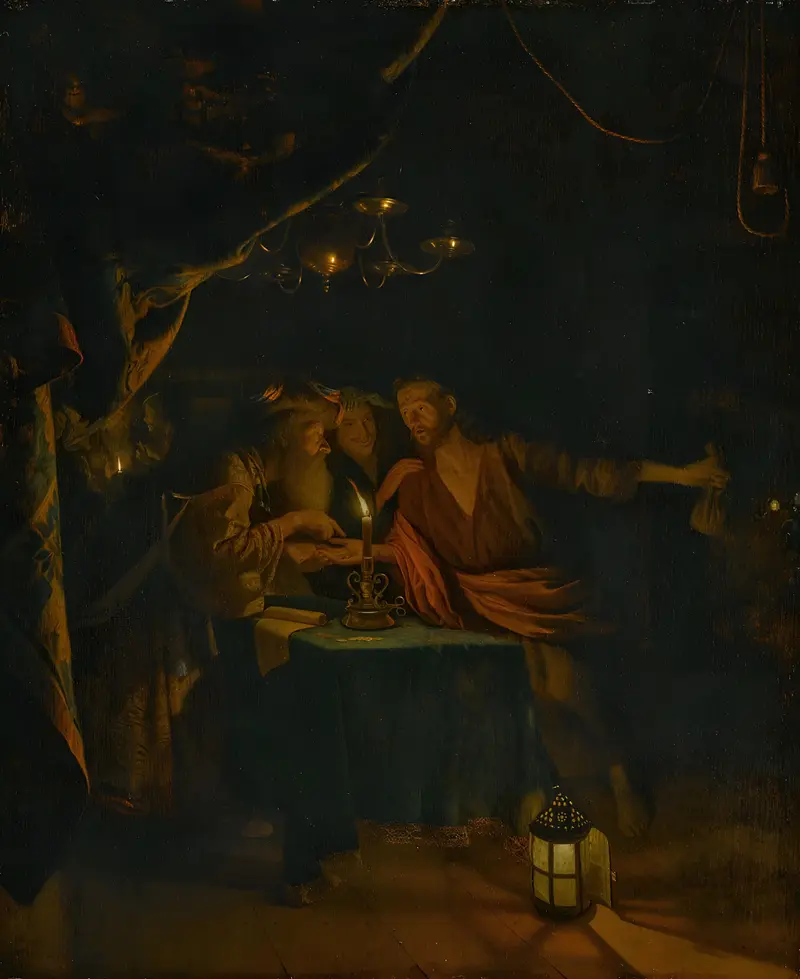
The betrayal of Judas
Godfried Schalcken
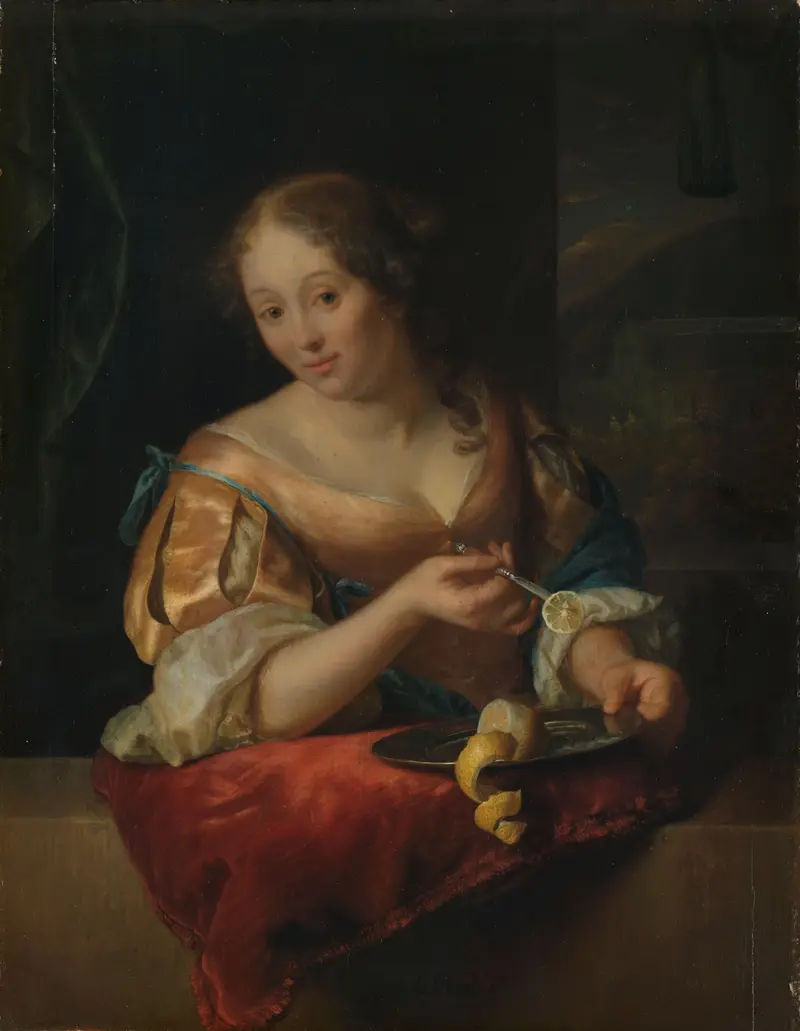
Young Woman with Lemon
Godfried Schalcken
More Genre Scene Art

Banquet of the Officers of the St George Civic Guard
Frans Hals

Rembrandt and Saskia in the Scene of the Prodigal Son
Rembrandt van Rijn

Bal du moulin de la Galette
Pierre-Auguste Renoir

Quadrille at the Moulin Rouge
Henri de Toulouse-Lautrec

A Burial at Ornans
Gustave Courbet

When Will You Marry?
Paul Gauguin