
The betrayal of Judas — History & Facts
Few paintings capture the chilling intimacy of betrayal quite like The betrayal of Judas by Godfried Schalcken. What sets this work apart is Schalcken’s choice to focus not on the chaos of the arrest, but on the private, torch-lit moment when Judas identifies Jesus to the soldiers—a scene rarely rendered with such psychological tension in Dutch art. Schalcken, renowned for his mastery of candlelight, brings the viewer uncomfortably close to the drama, echoing the fascination for nocturnal scenes that swept through the Northern Baroque in the late 17th century. At the heart of the painting, Judas leans in, his hand poised for the fateful kiss, while Christ’s calm gaze meets his betrayer’s eyes.
The flickering light, possibly from a single torch or lantern, throws sharp shadows across the figures, emphasizing the secrecy and moral darkness of the act. The coins glint in Judas’s grasp, a direct reference to the thirty pieces of silver, while the soldiers linger in the gloom behind, their armor catching stray highlights. Schalcken’s use of chiaroscuro recalls the influence of Caravaggio, yet where Caravaggio’s The Taking of Christ is crowded and tumultuous, Schalcken’s version is hushed, almost claustrophobic, heightening the sense of treachery. The precise origins of The betrayal of Judas remain uncertain; no clear commission or early provenance has been traced, and the painting’s date is still debated among scholars.
Like many of Schalcken’s religious works, it likely circulated among private collectors who prized his virtuoso handling of light and shadow. Today, the painting stands as a testament to the artist’s ability to fuse narrative drama with technical brilliance, occupying a unique place in his oeuvre, which is better known for genre scenes and candlelit interiors. Its journey through time is largely undocumented, but its psychological intensity continues to intrigue viewers and scholars alike.
More Artworks by Godfried Schalcken

Young Man and Woman Studying a Statue of Venus, by Lamplight
Godfried Schalcken

Portrait of an Artist in His Studio
Godfried Schalcken
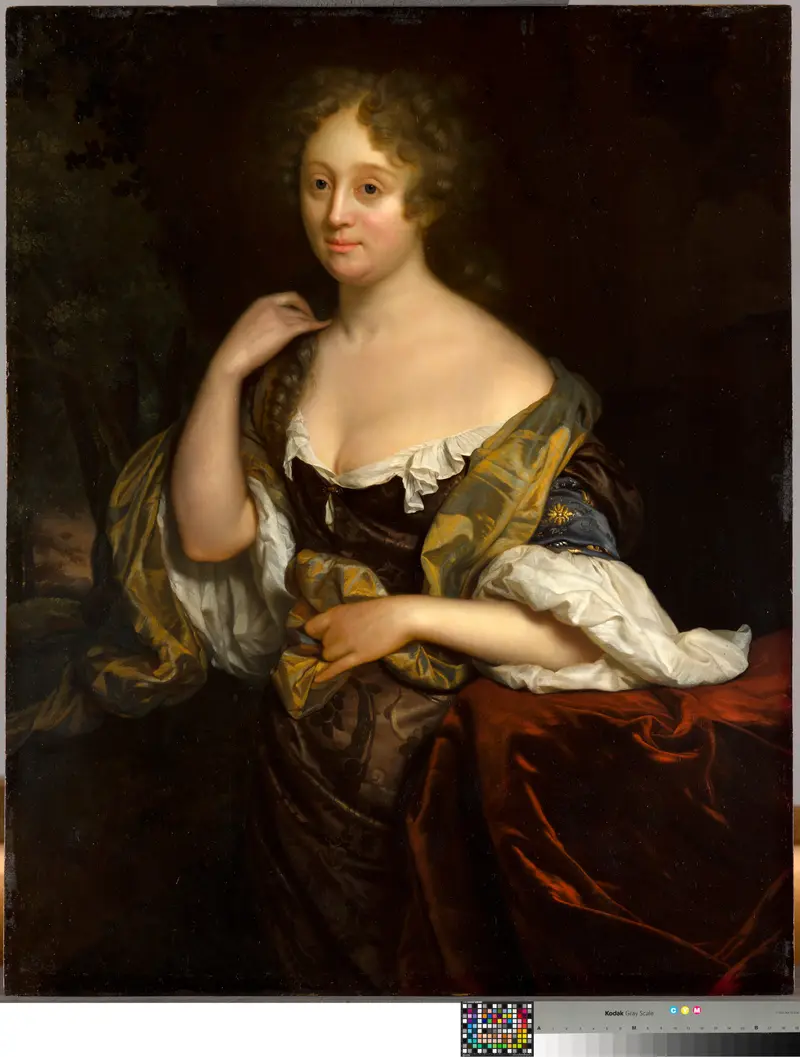
Portrait of Isabella Agneta Deutz
Godfried Schalcken
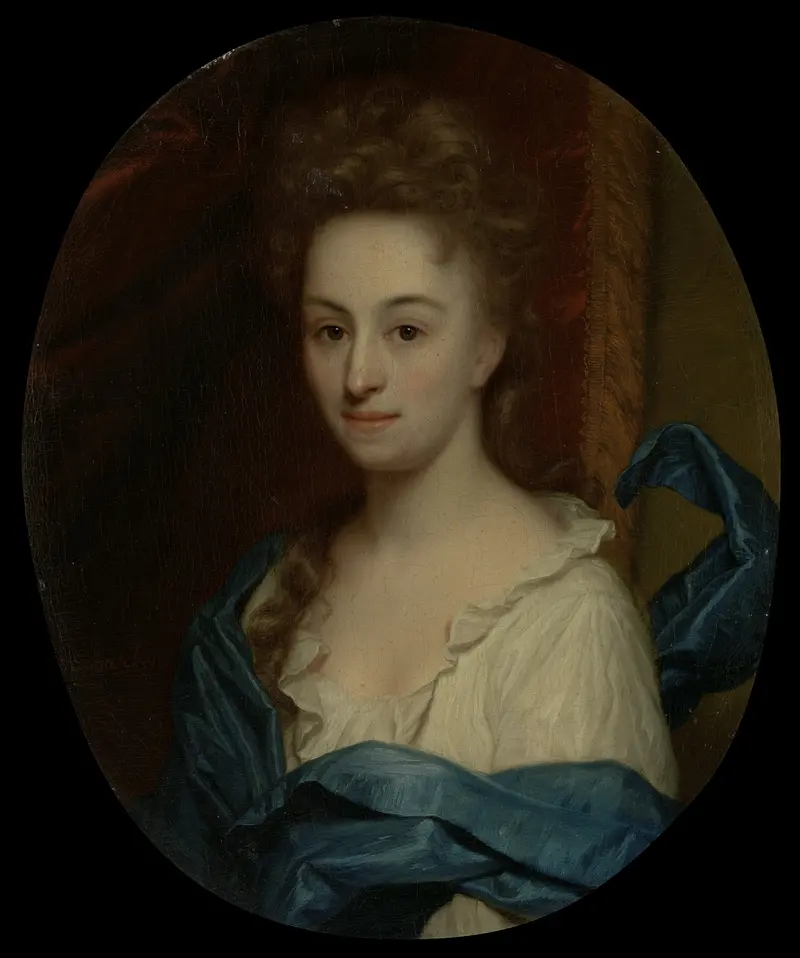
Portrait of Josina Clara van Citters (1671-1753), daughter of Josina Parduyn
Godfried Schalcken
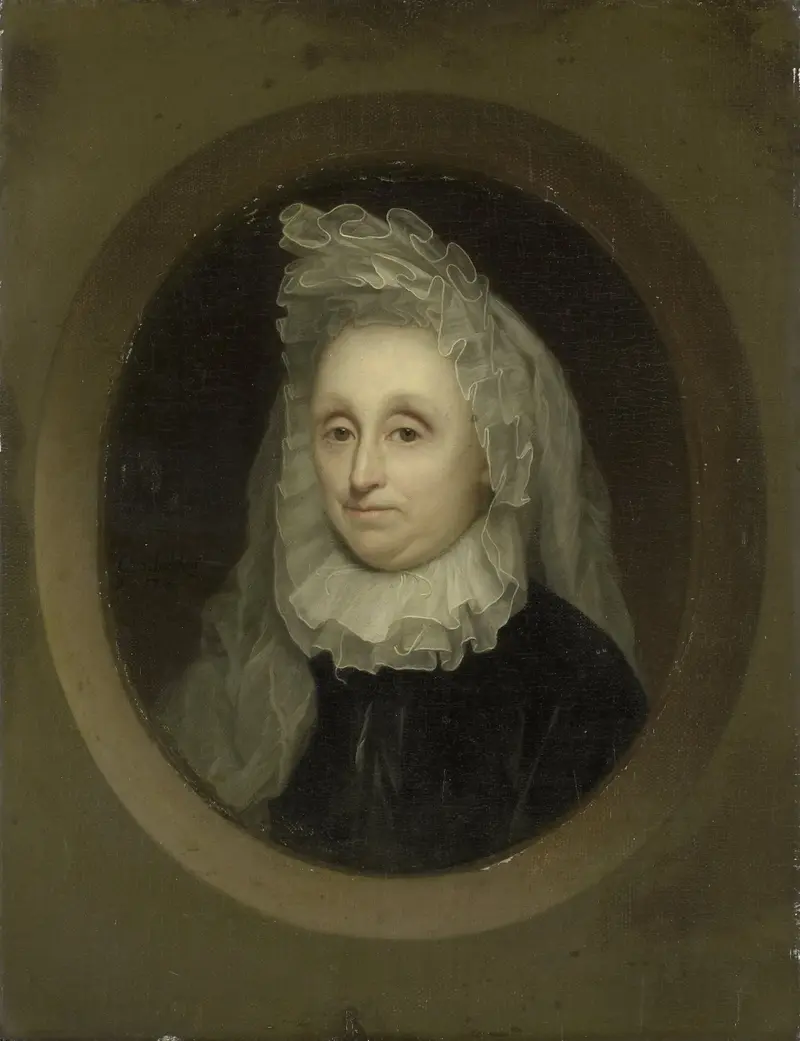
Portrait of Josnia Parduyn (1642-1718), second wife of Aernout van Citters
Godfried Schalcken
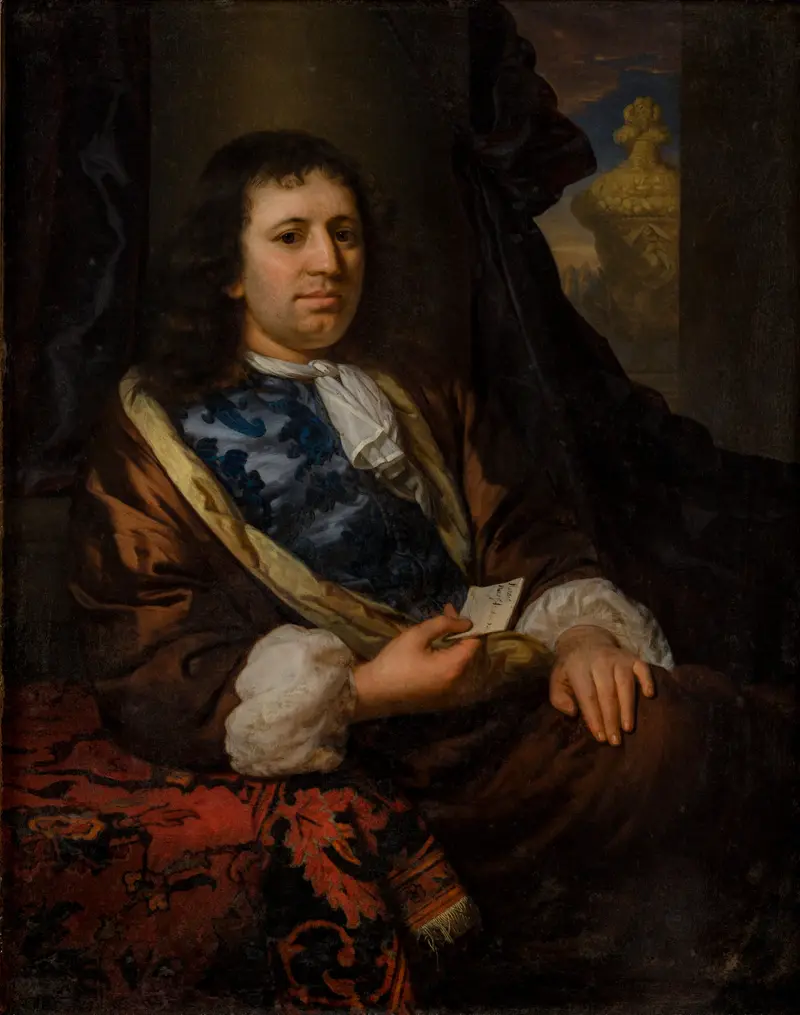
Portret van Johan de Bruin (1678-
Godfried Schalcken
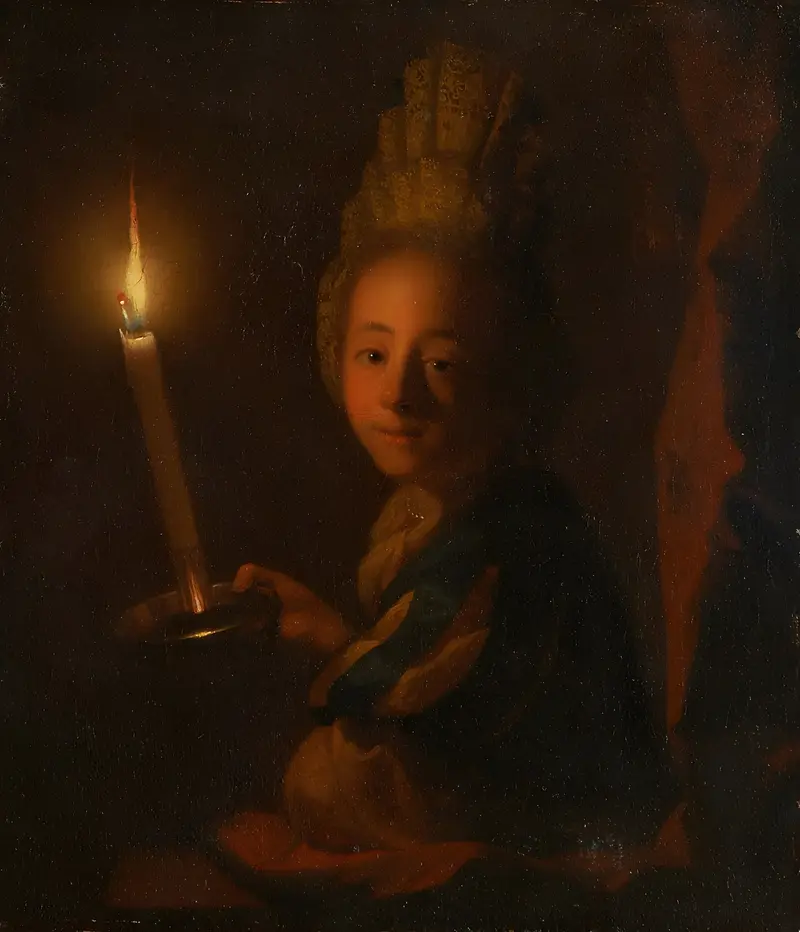
Girl with Burning Candle
Godfried Schalcken
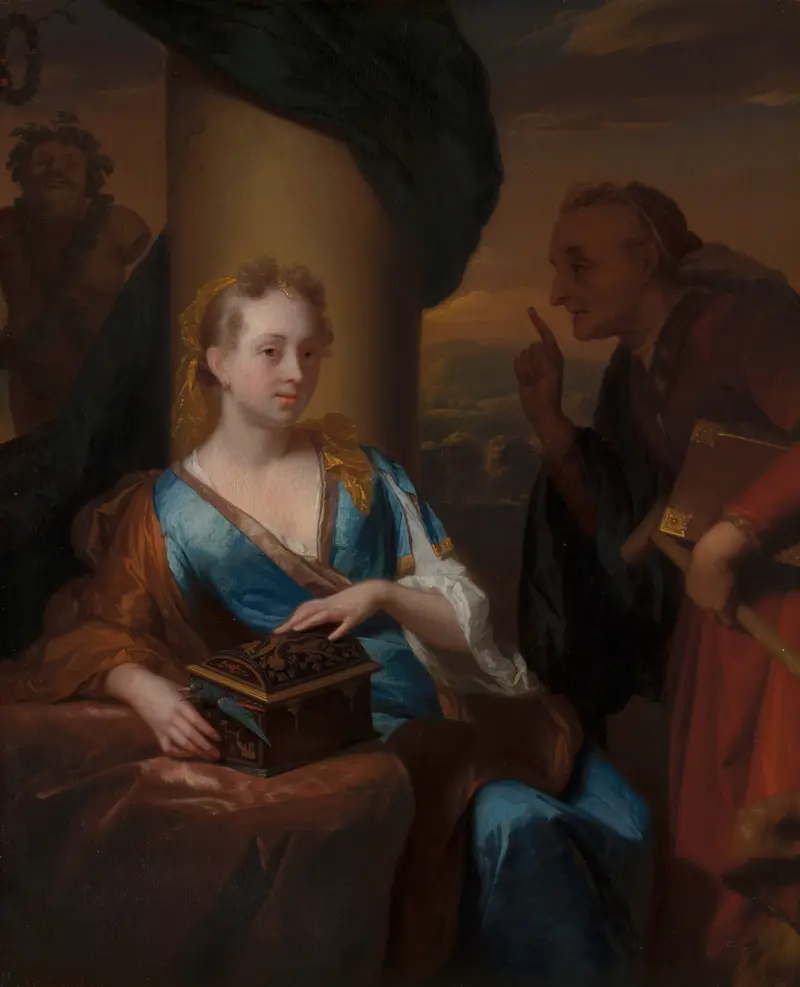
A Useless Moral Lesson
Godfried Schalcken
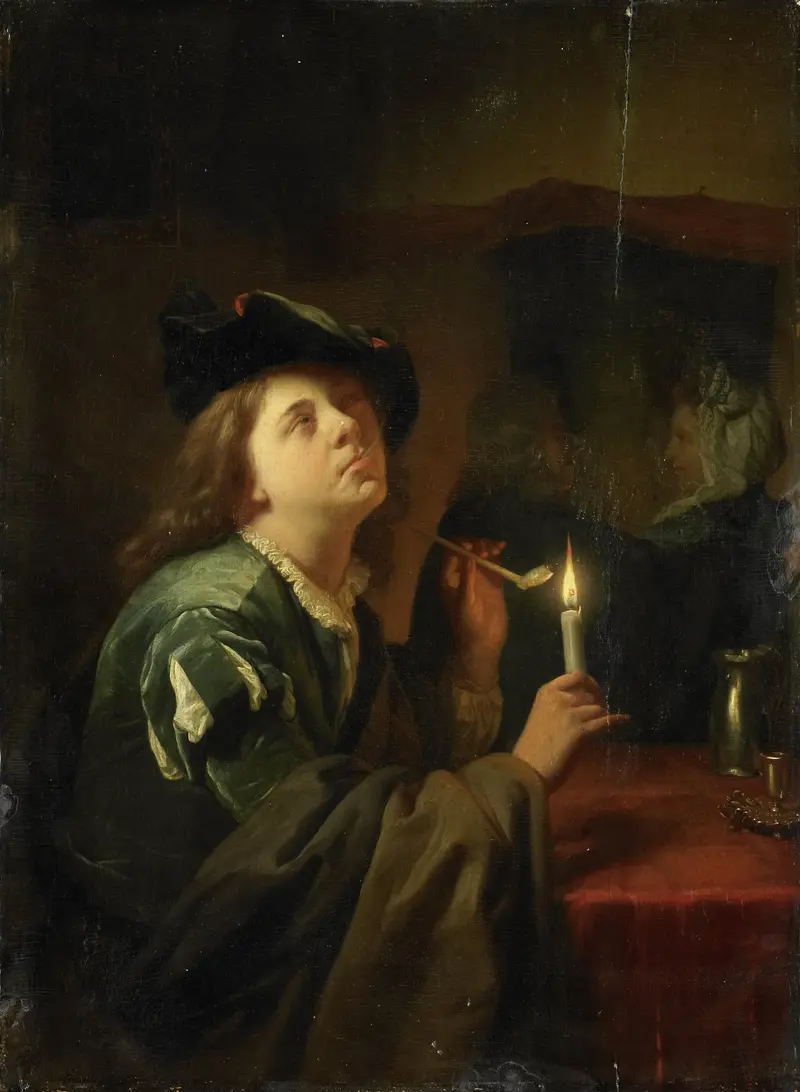
‘Differing tastes’
Godfried Schalcken
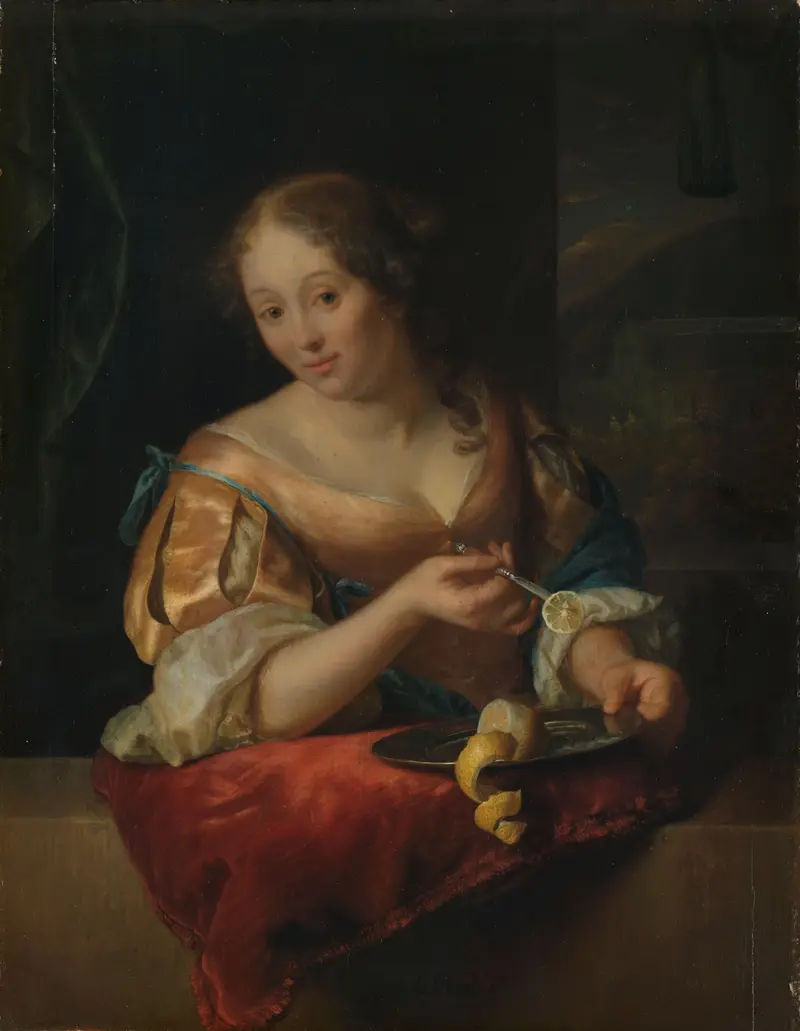
Young Woman with Lemon
Godfried Schalcken





