Discover insights about this artwork
An Alpine Scene — History & Facts
An Alpine Scene depicts a breathtaking view of towering mountains surrounded by lush greenery. The sky is painted in soft blues, while the peaks are capped with white snow. In the foreground, trees and shrubs add a vibrant touch of green, inviting the viewer into this tranquil setting.
The overall composition creates a sense of harmony between nature and the viewer's gaze. As you observe the painting, notice the detailed brushwork used to depict the textures of the trees and the rugged mountain surfaces. The colors are rich and varied, showcasing Courbet's skill in capturing the essence of the alpine environment. The interplay of light and shadow on the mountains adds depth and dimension to the scene.
Look closely at the way the artist has blended the colors, creating a seamless transition between the sky and the landscape. Gustave Courbet was a leading figure in the Realism movement, which aimed to portray everyday life and nature in a truthful manner. He painted An Alpine Scene during the 1860s, a time when he was inspired by the beauty of the French countryside. Courbet often rejected traditional artistic conventions, focusing instead on direct observation of the world around him.
An interesting fact about Courbet is that he once declared, 'I cannot paint an angel because I have never seen one.'
More Artworks by Gustave Courbet
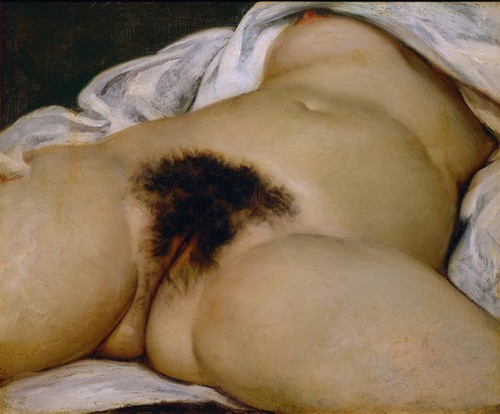
Origin of the World
Gustave Courbet
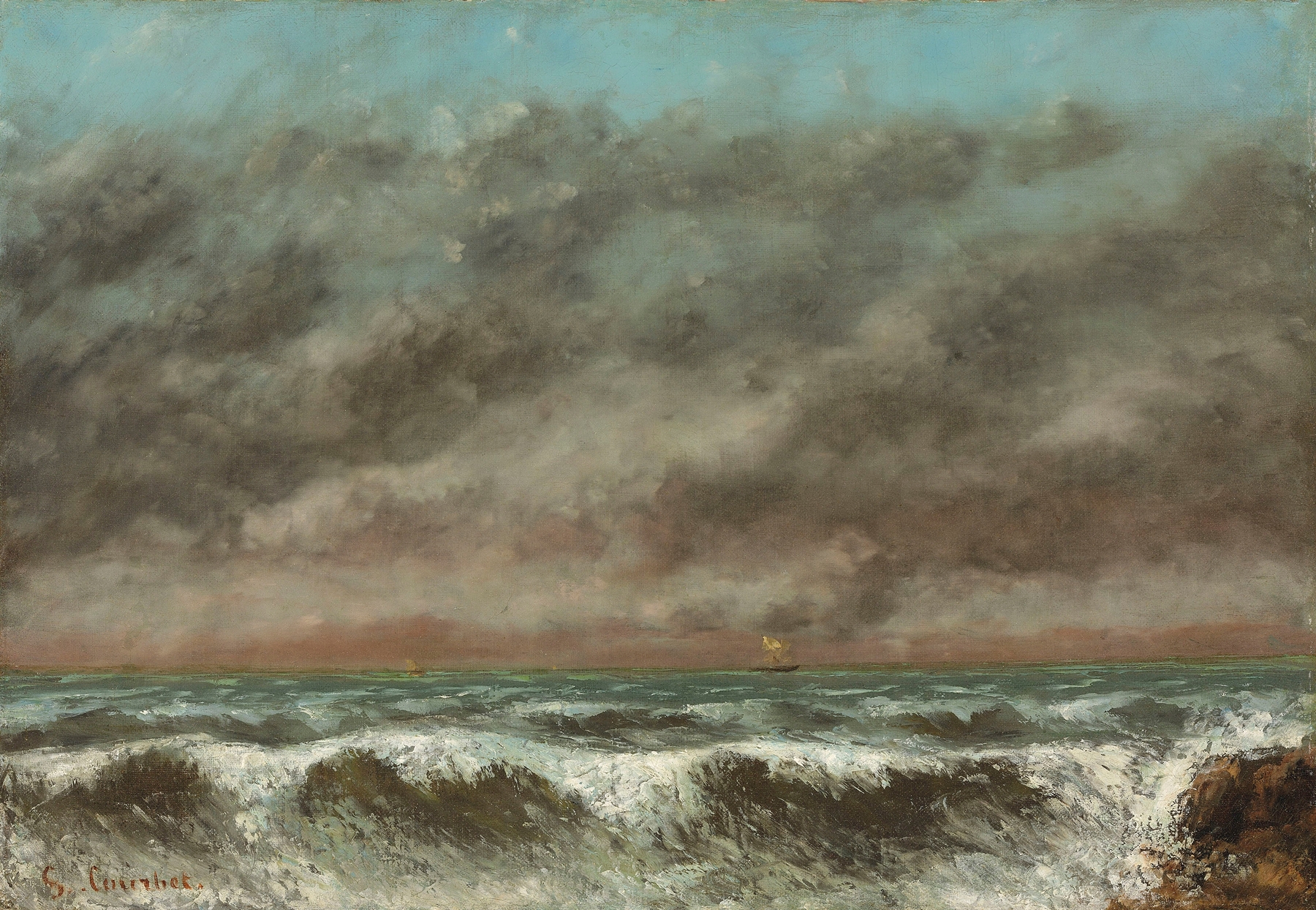
Marine
Gustave Courbet
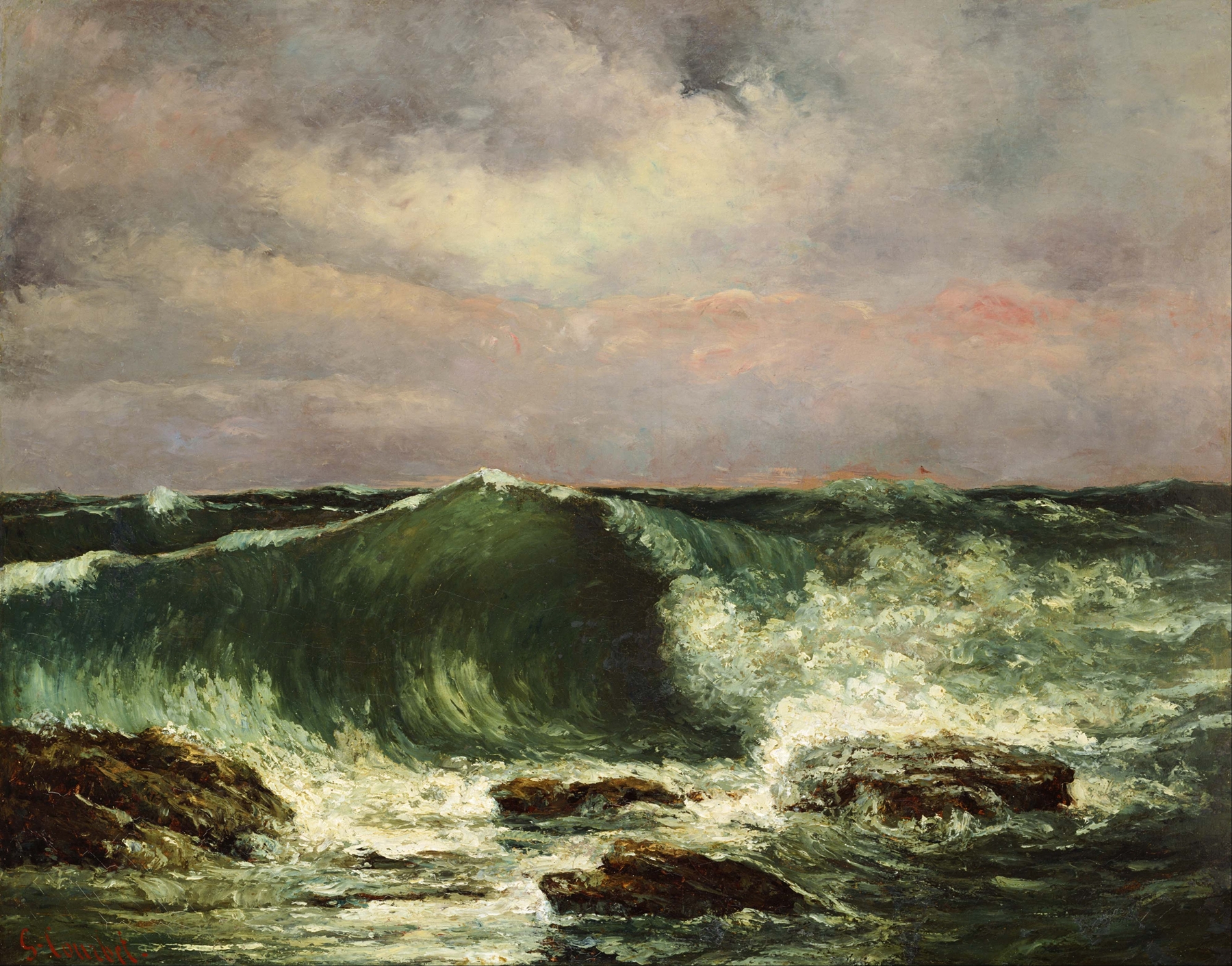
Waves
Gustave Courbet
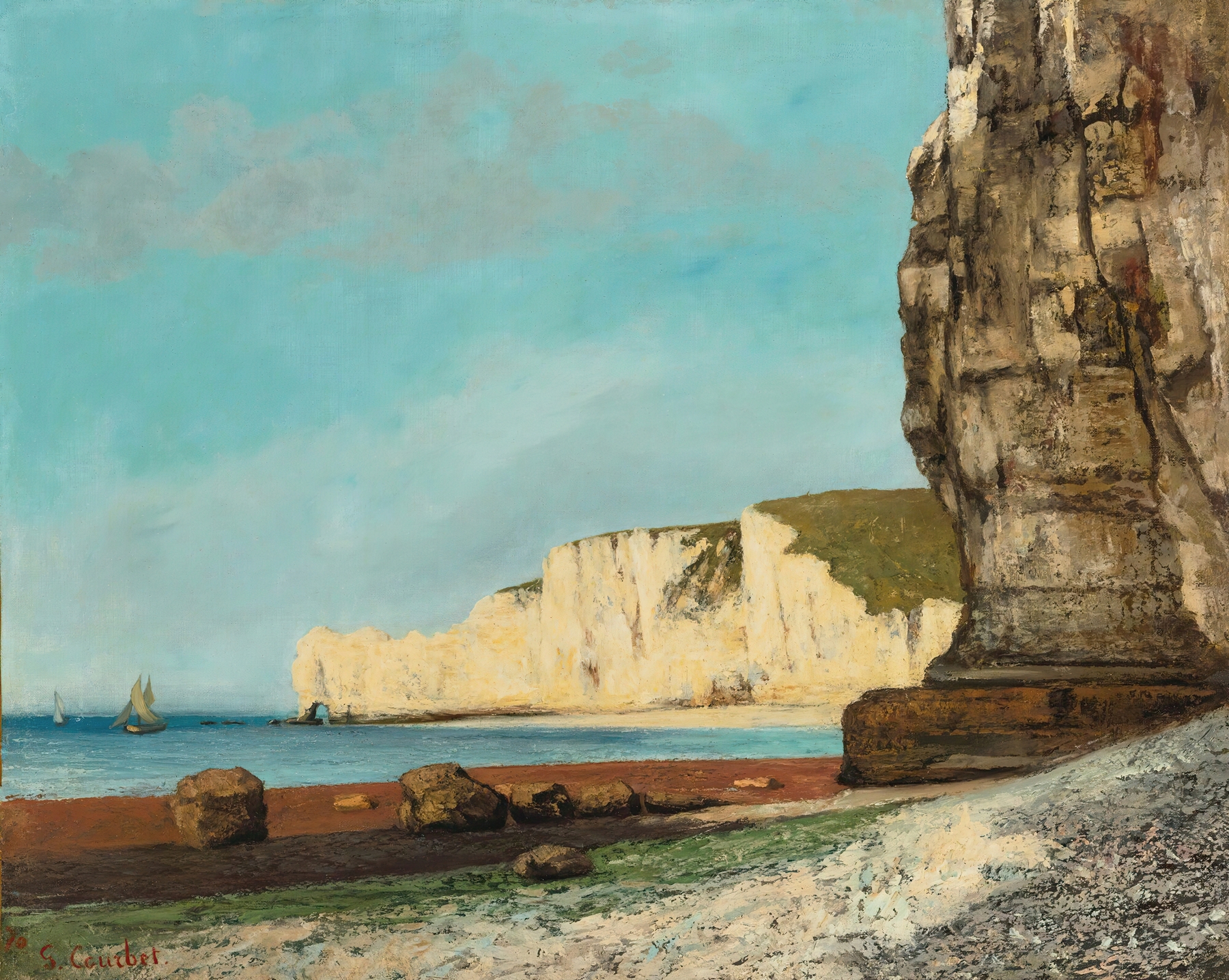
Étretat; Les Falaises
Gustave Courbet
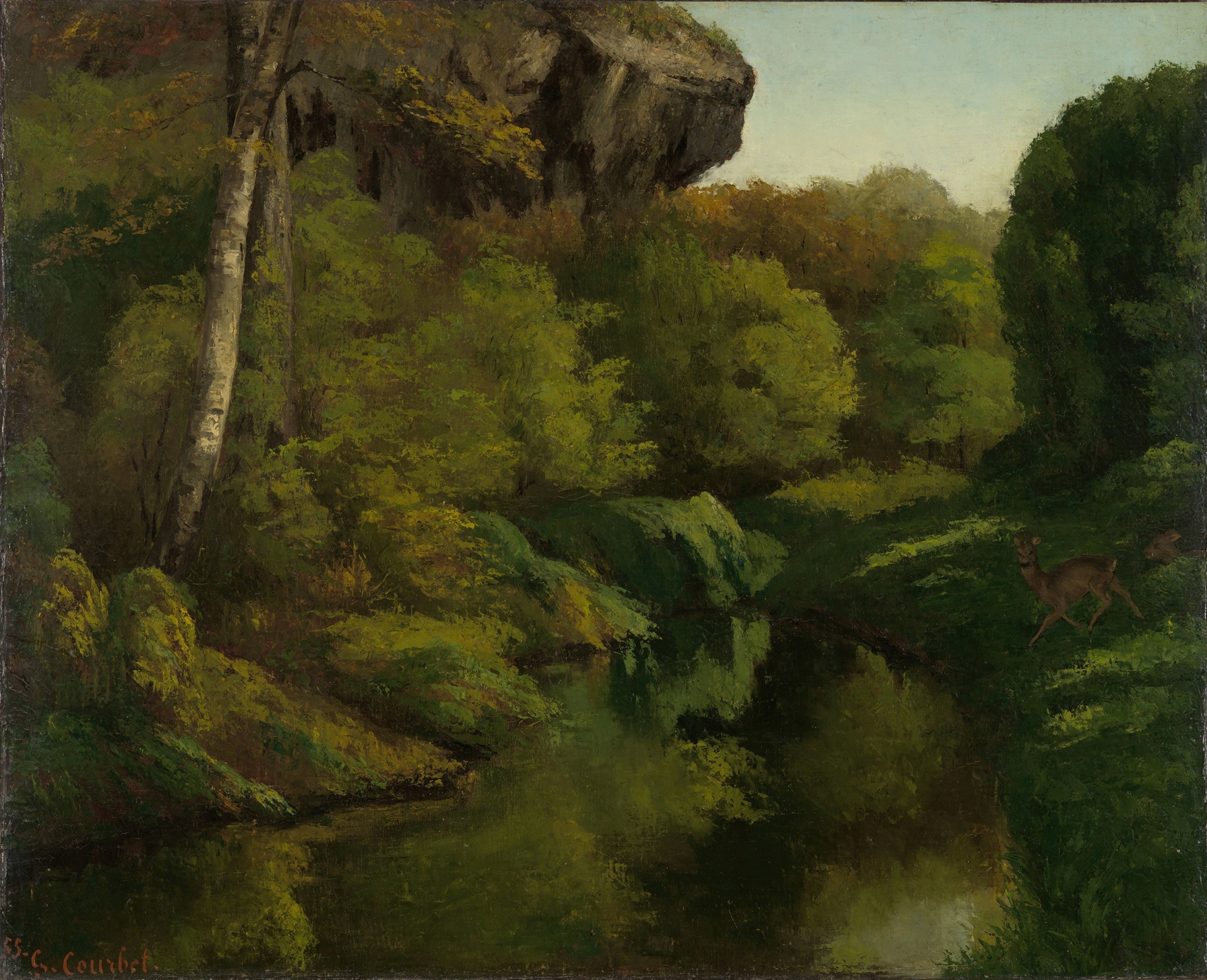
View in the Forest of Fontainebleau
Gustave Courbet
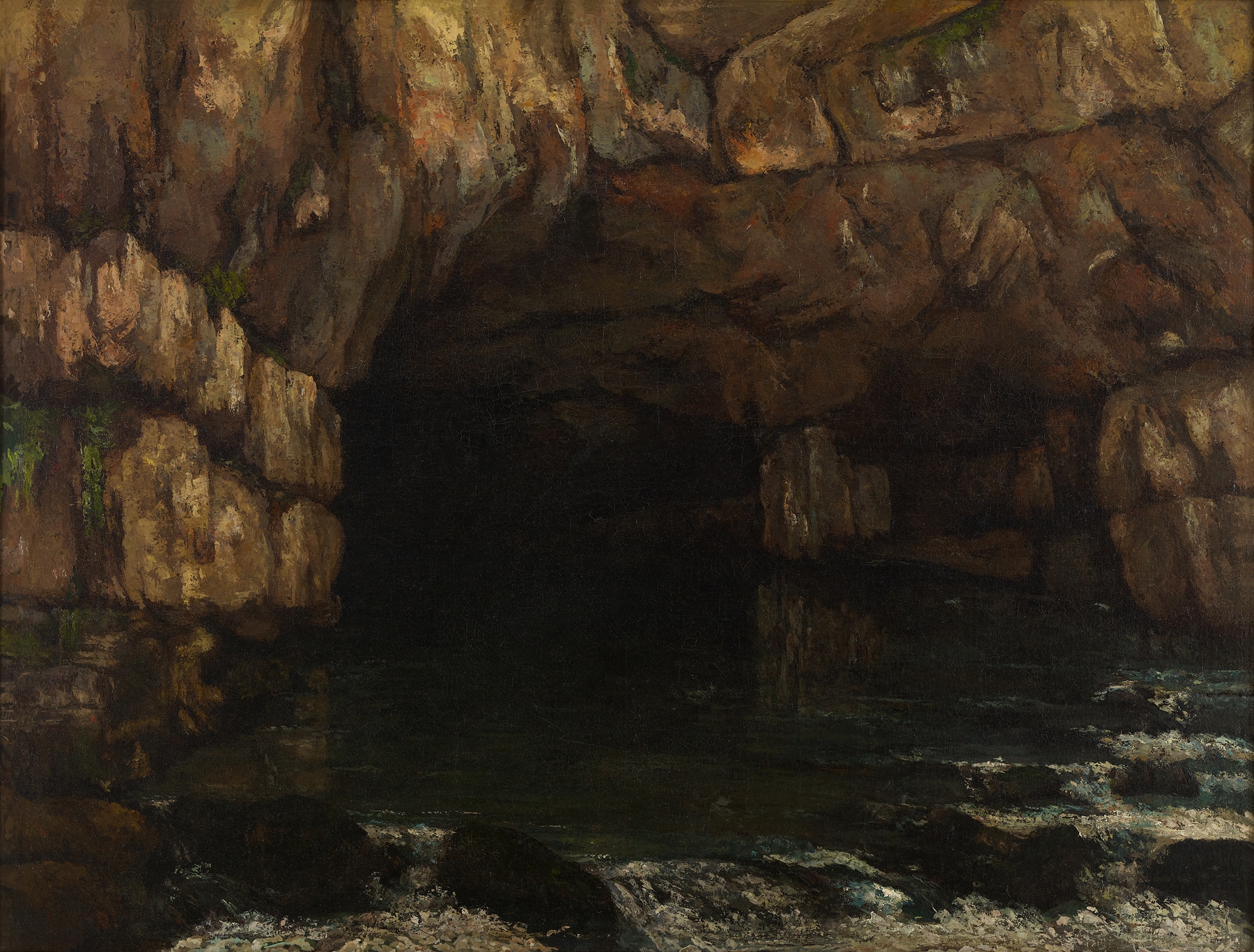
La source de la Loue (The Source of the Loue)
Gustave Courbet
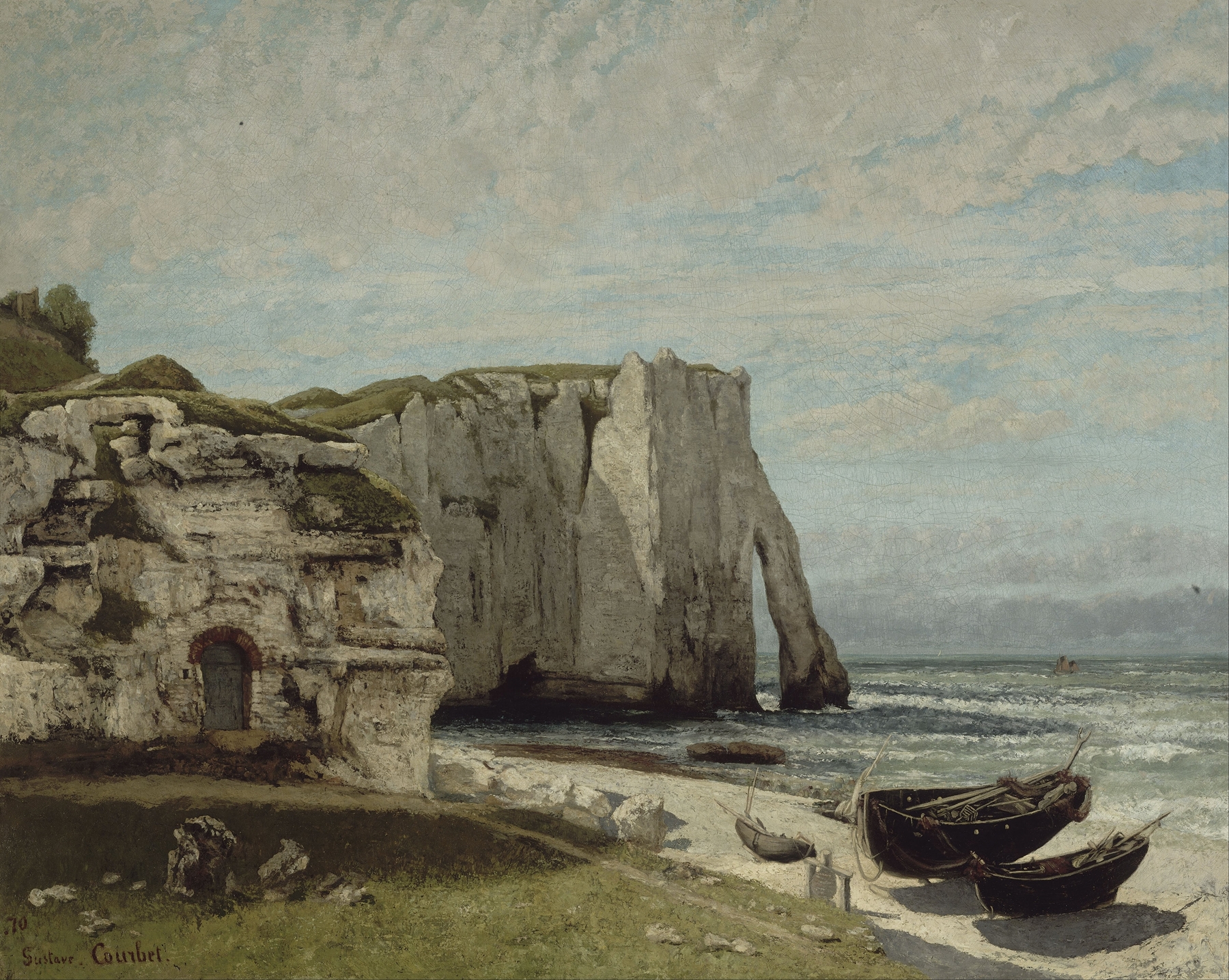
The Etretat Cliffs after the Storm
Gustave Courbet
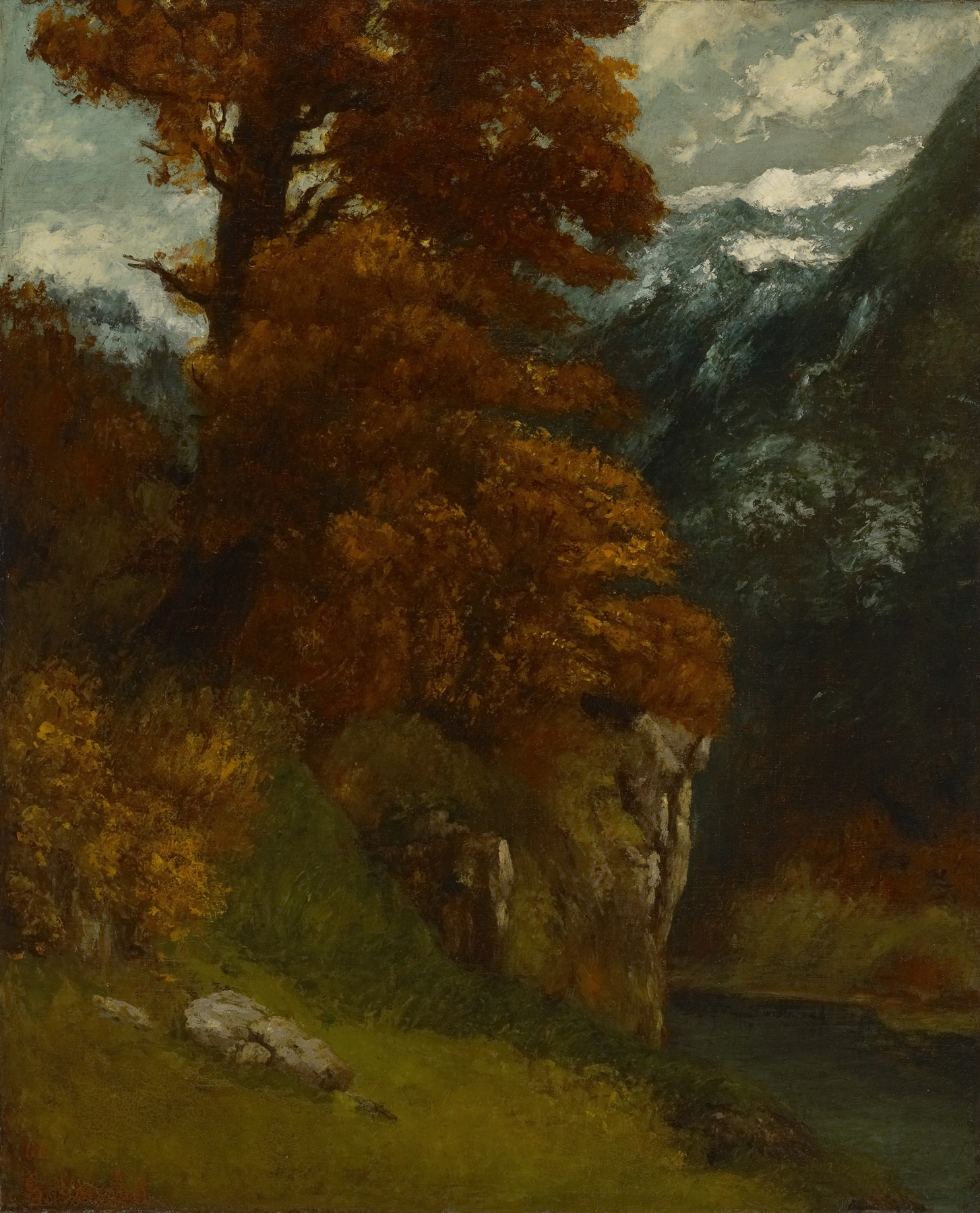
The Glen at Ornans (Bords du Doubs; Effet d’Automne)
Gustave Courbet
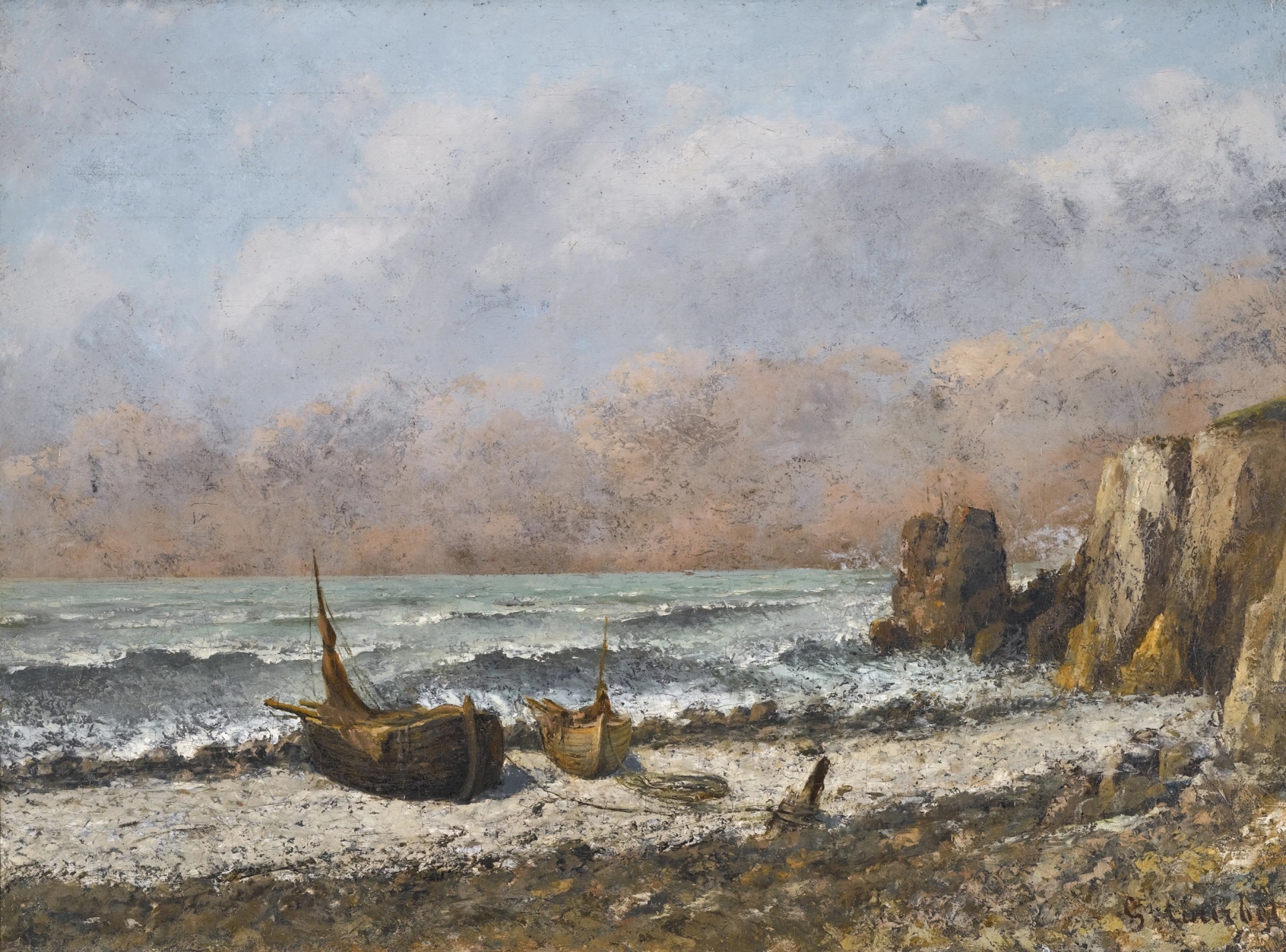
Deux bateaux sur la plage
Gustave Courbet
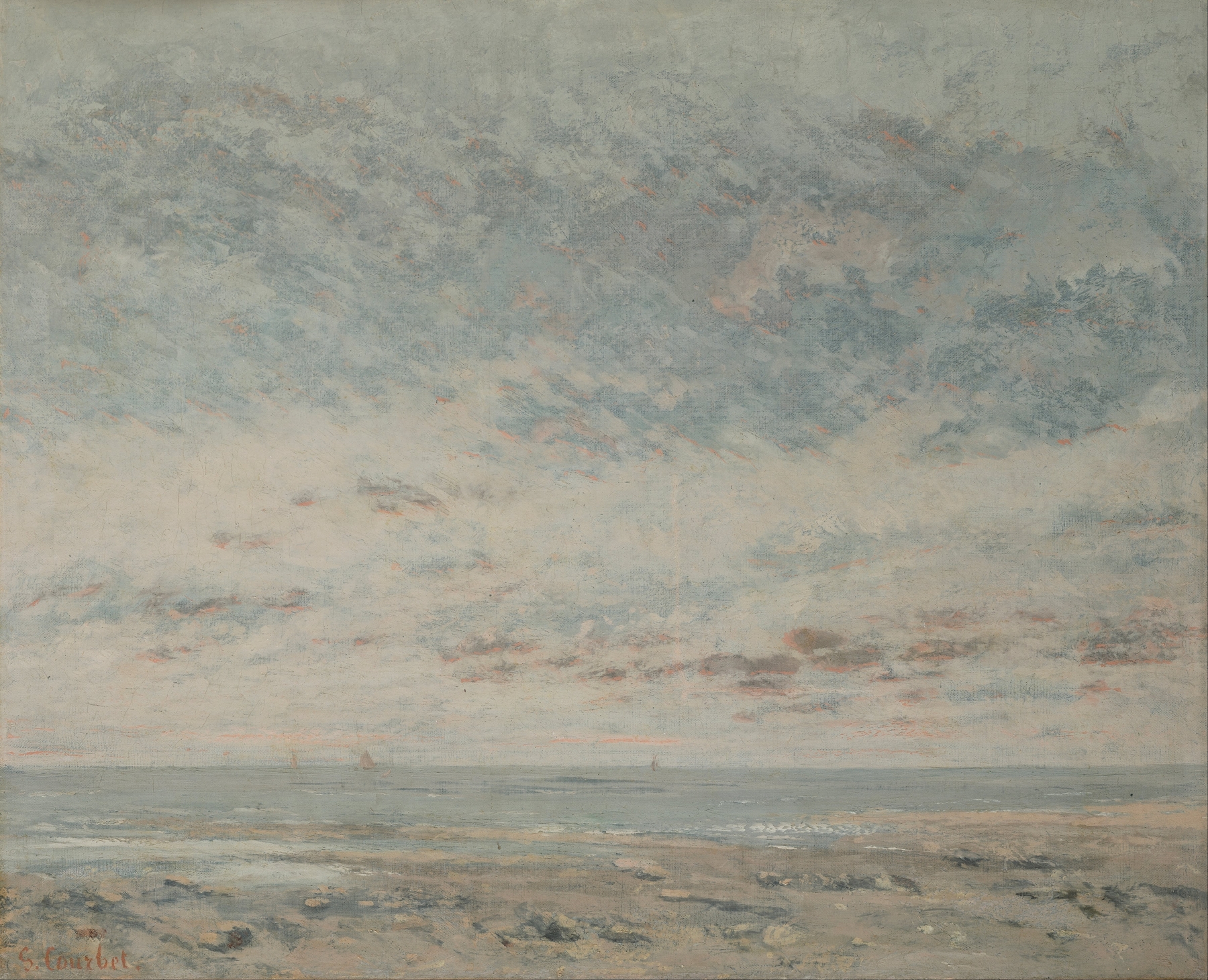
Low Tide at Trouville
Gustave Courbet