
An Encounter by the Fountain — History & Facts
In a realm overshadowed by fear and uncertainty, how do we confront what we wish to escape? Look closely at the figures depicted in this poignant work. The fountain, a central motif, draws the viewer's eye with its shimmering surface and subtle movement, capturing droplets that dance in the light. Notice the contrasting expressions on the faces of the figures—one radiates apprehension, while the other embodies an unwilling resolve.
The color palette, dominated by muted earth tones, evokes a sense of nostalgia, creating an atmosphere heavy with unspoken tension. Delve deeper into the details; each brushstroke tells its own story. The slight tremor in the posture of the apprehensive figure hints at an inner conflict, a vulnerability that is palpable. Meanwhile, the fountain itself symbolizes the flow of time and the inevitability of facing one’s fears.
The juxtaposition between the serene water and the emotional turmoil of the characters captures a universal struggle—each drop reflecting a moment of hesitation, a choice yet to be made. Ludwig Halauska created this piece in 1849, a time marked by social upheaval and political unrest in Europe. Living in Vienna, he was influenced by the Romantic movement, which often emphasized individual emotion and the complexities of human experience. During this period, Halauska sought to portray the intimate moments of life, allowing viewers to confront their own fears and vulnerabilities through the lens of his art.
More Artworks by Ludwig Halauska
Browse all →
Der Schneeberg in Niederösterreich von Gutenstein aus gesehen
Ludwig Halauska

A View of Klamm Castle near Imst in the Inntal in Tyrol
Ludwig Halauska
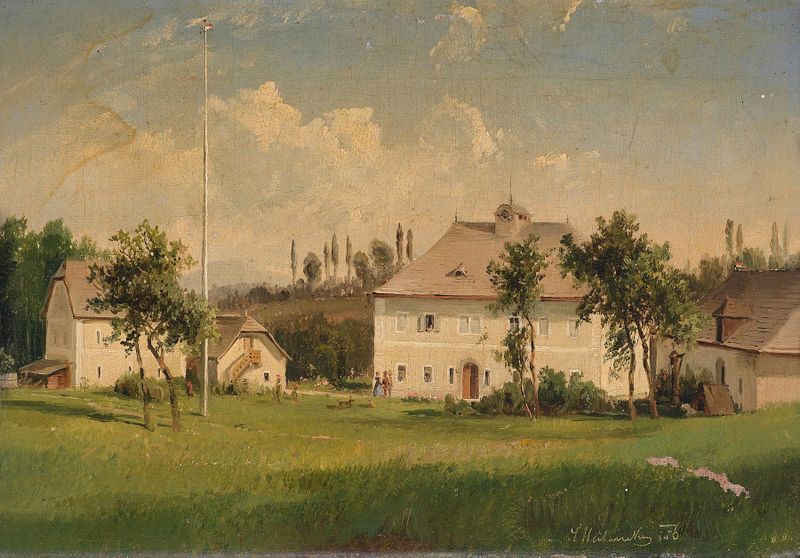
Blick auf einen Gutshof
Ludwig Halauska

Blick auf das Dorf Tutschach bei Aflenz
Ludwig Halauska
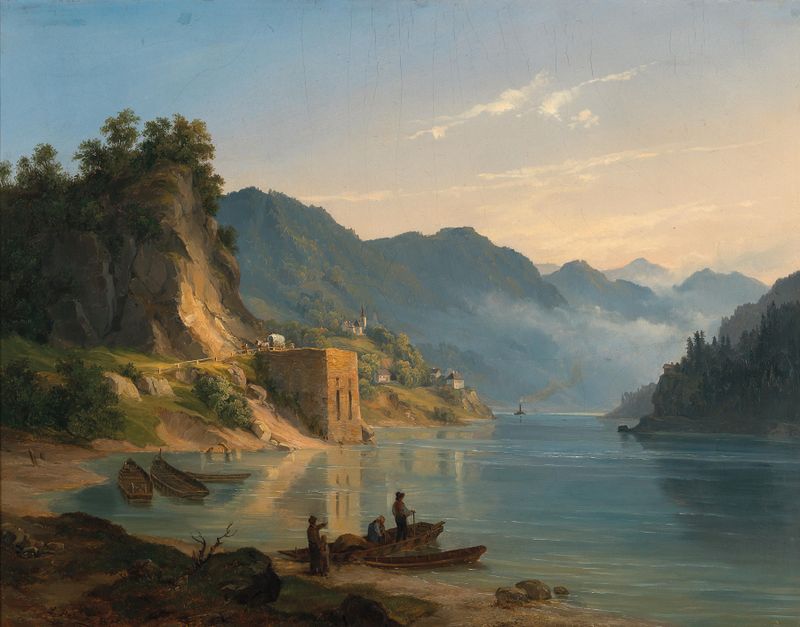
St. Nikola im Strudengau
Ludwig Halauska

Blick auf das Dorf Tutschach bei Aflenz mit dem Jauringbach im Vordergrund
Ludwig Halauska

Landschaft bei Flintsbach am Inn
Ludwig Halauska
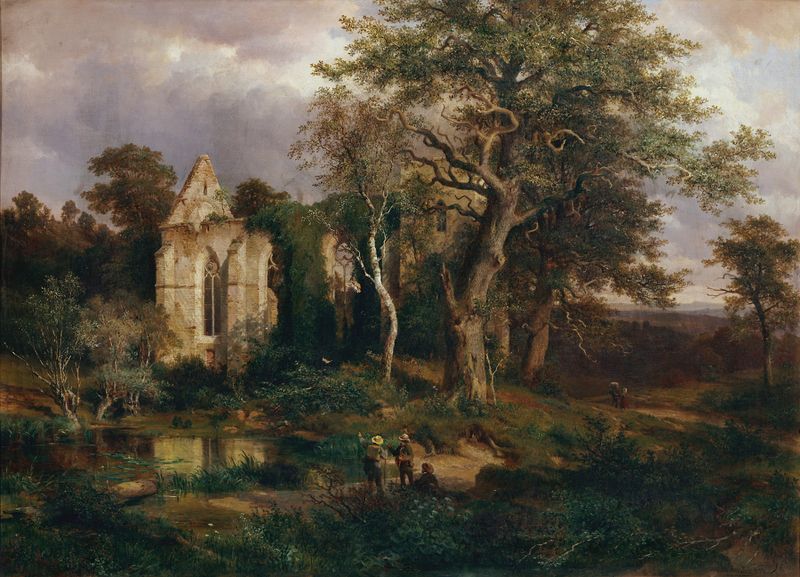
Kirchenruine
Ludwig Halauska

Partie aus Mittenwald am Karwendelgebirge
Ludwig Halauska

Sommerlandschaft
Ludwig Halauska





