Anatomische studie van een schedel — History & Facts
What if silence could speak through light? In the stillness of an anatomical study, a solitary skull rests under a soft wash of illumination, its secrets waiting to be unveiled. Look to the right at the delicate contours of the skull, where the light falls gently—highlighting the intricate details of bone and shadow. The chiaroscuro technique brings forth a striking contrast between the illuminated areas and the darkness that surrounds, enveloping the skull in an almost ethereal glow. This careful balance of light and dark invites contemplation, as each crevice and curve seems to tell a story of life once lived. As your gaze wanders, notice the subtle texture of the surface, revealing the tension between science and the mystery of mortality.
The positioning of the skull speaks to a longing for understanding—both of the physical form and the essence of existence itself. There is a haunting beauty in its stillness, a reminder of fragility beneath the surface of knowledge, suggesting that even the most studied subjects hold an enigmatic depth. In 1645, Wenceslaus Hollar painted this anatomical study during a time of burgeoning interest in science and the human body. Living in the Netherlands, he was influenced by the detailed works of both artists and scientists who sought to explore human anatomy.
This piece reflects not only the artist's technical skill but also a wider cultural moment embracing curiosity and exploration, bridging art and science through intimate observation.
More Artworks by Wenceslaus Hollar
Browse all →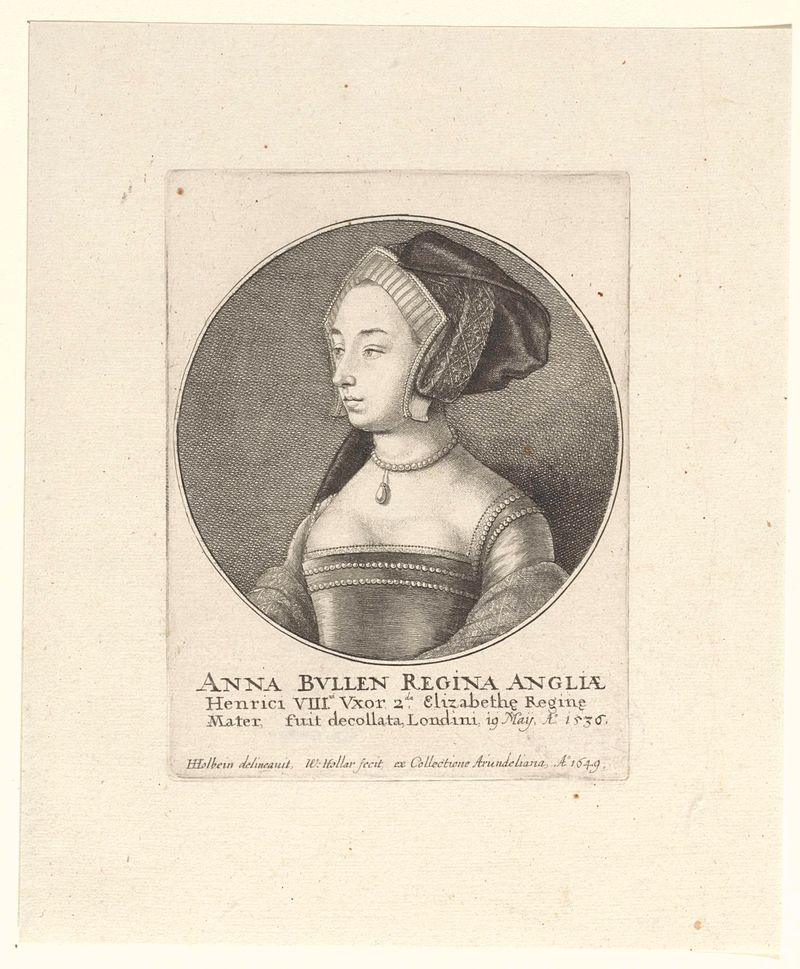
Portret van Anna Boleyn, koningin van Engeland
Wenceslaus Hollar
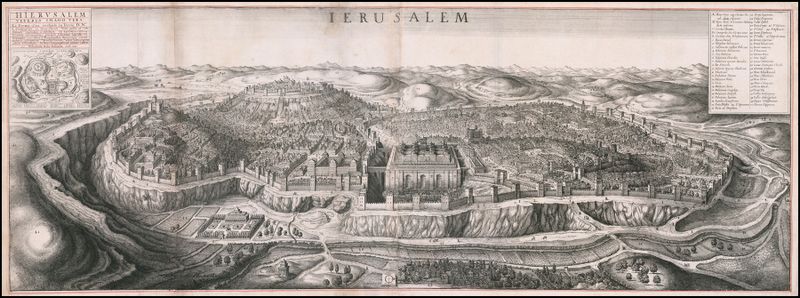
Bird’s eye view of Jerusalem
Wenceslaus Hollar
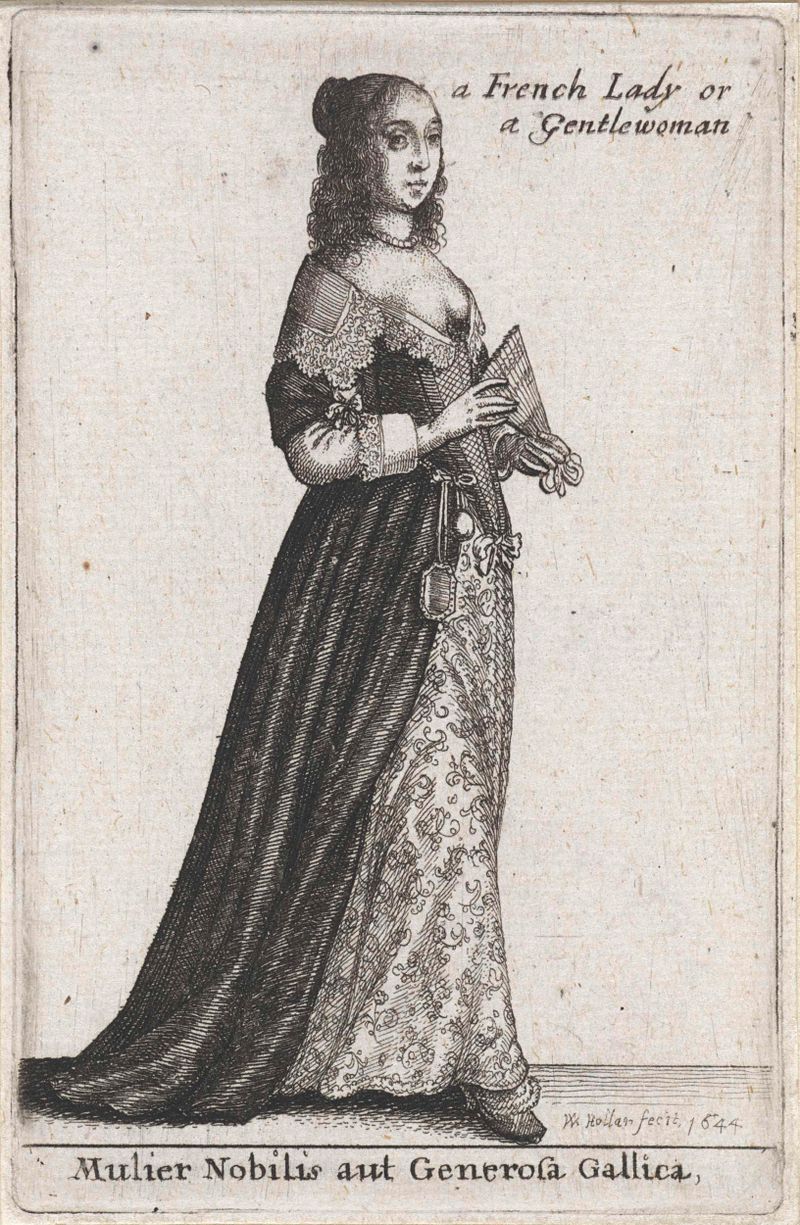
Mulier Nobilis aut Generosa Gallica / a French Lady or Gentlewoman
Wenceslaus Hollar
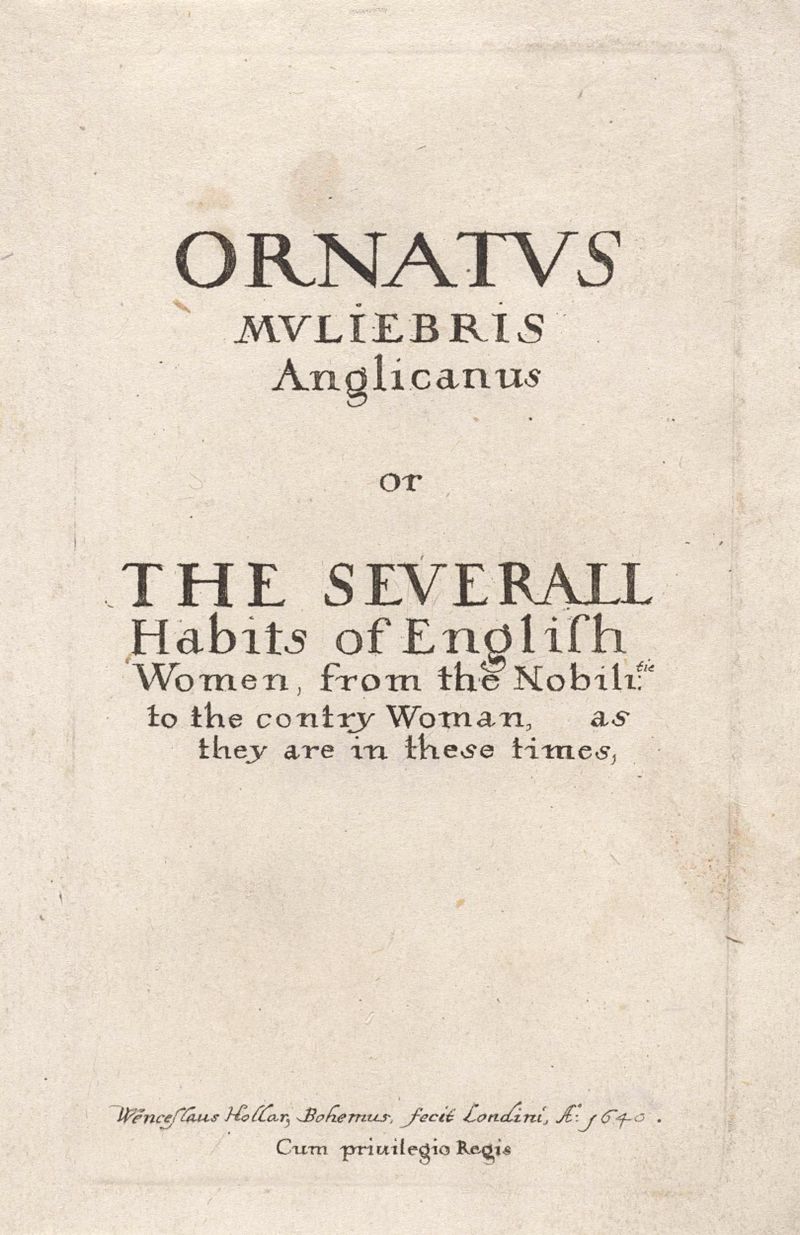
Titelprent voor: Ornatus Muliebris Anglicanus
Wenceslaus Hollar
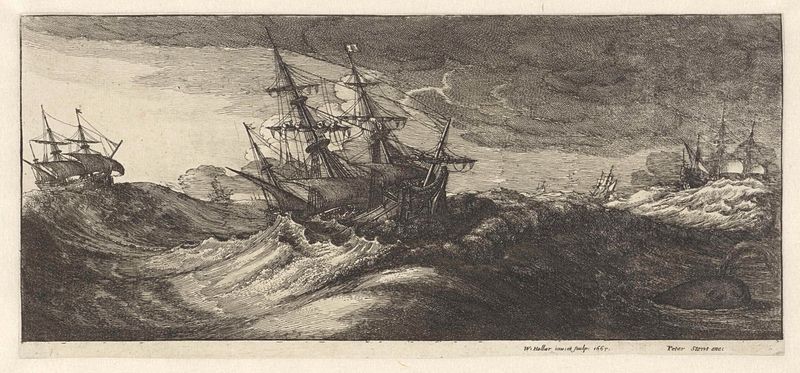
Oorlogsschepen en een walvis in een zeestorm
Wenceslaus Hollar
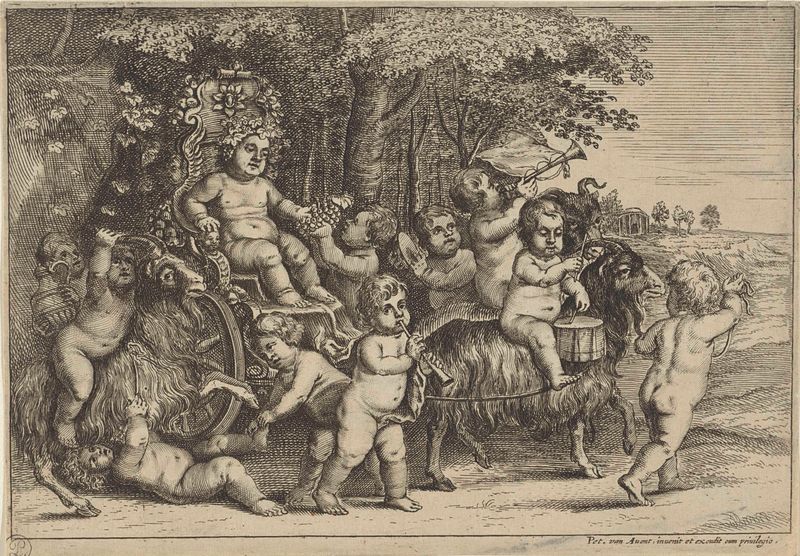
Optocht van bacchant en jongetjes op geiten
Wenceslaus Hollar
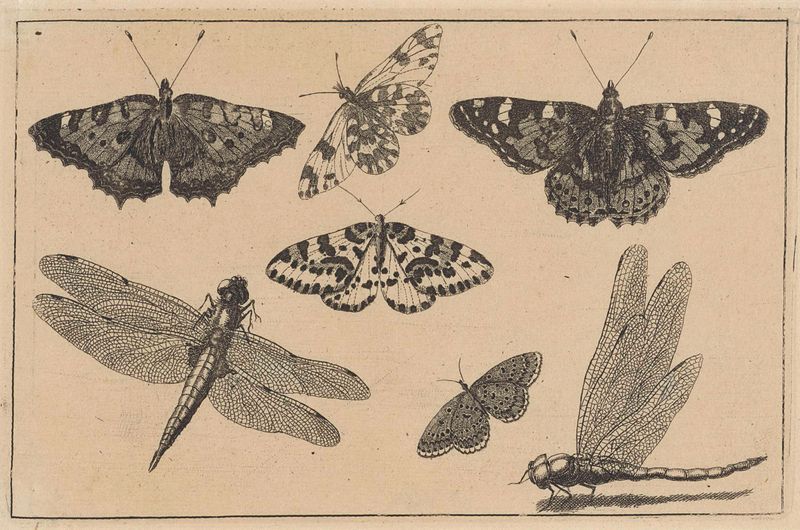
Twee libellen en vijf vlinders
Wenceslaus Hollar
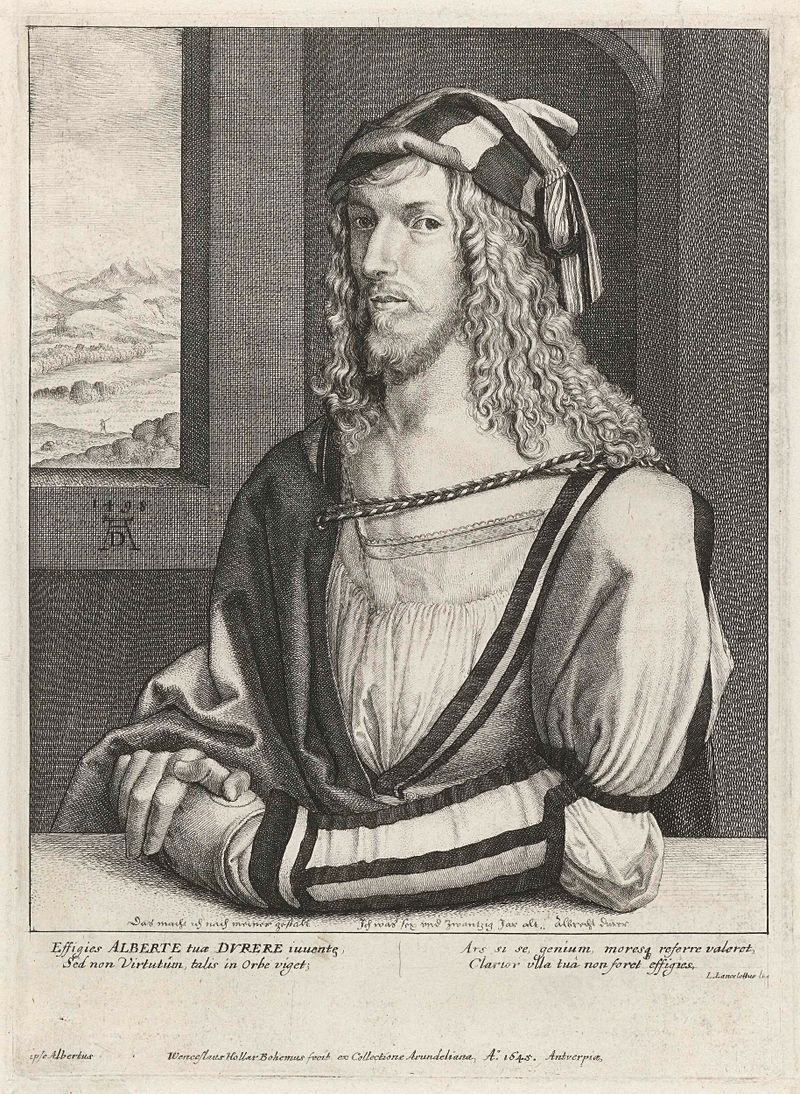
Portret van Albrecht Dürer
Wenceslaus Hollar
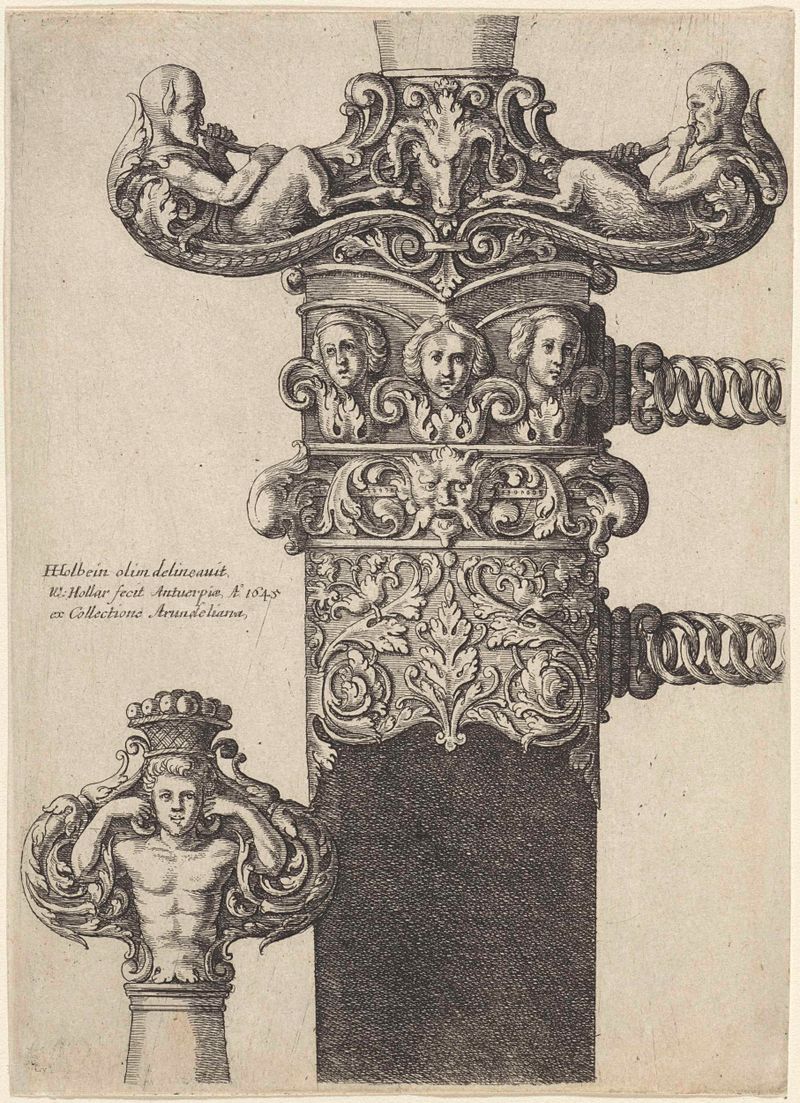
Ornamenteel ontwerp voor een dolk
Wenceslaus Hollar
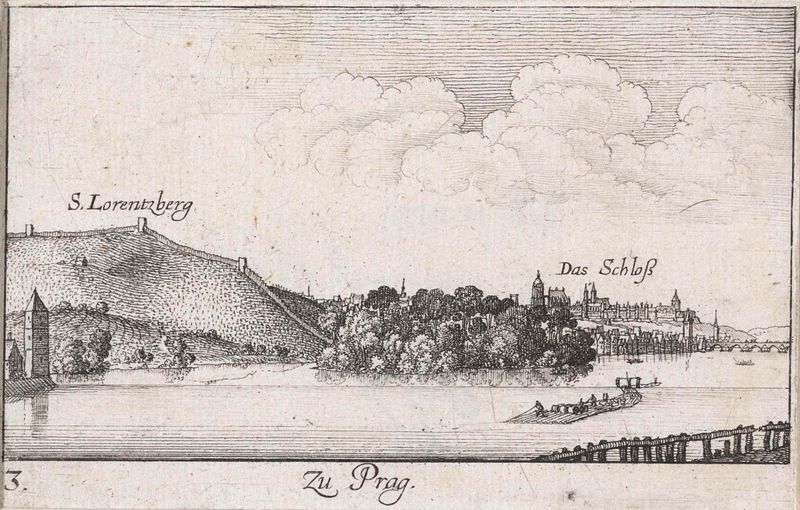
Gezicht op Praag vanaf de Moldau
Wenceslaus Hollar