Anatomische studie van een schedel met wormgaten — History & Facts
In this exploration of innocence, we confront the stark reminder of our mortality, portrayed through a haunting yet delicate study of a skull, marked by wormholes that echo the passage of life. Look to the left at the intricate details of the skull, where each line and shadow reveals the subtle artistry of Hollar’s etching technique. The fine crosshatching creates a sense of depth that pulls you into the hollowed contours, guiding your gaze to the delicate etchings of decay. Notice how the light interacts with the surface, illuminating the fragile beauty of decay while casting shadows that speak to the inevitability of time's embrace. These wormholes serve as a poignant metaphor, a physical manifestation of innocence lost and the impermanence of existence.
The juxtaposition of the skull’s once-living integrity and the encroaching decay evokes an emotional tension; it captures the sorrow of our fleeting moments and the innocence inherent in life before it succumbs to nature's call. Every void tells a story, reminding us that our memories are intricately woven into the fabric of what remains. In 1651, Hollar created this piece during a turbulent period in Europe, marked by war and social upheaval. Living in London under the shadow of the English Civil War, this artist turned to still life and anatomical studies, reflecting a fascination with life and death in the face of uncertainty.
It was a time when art served as both a refuge and a confrontation with the harsh realities of the human condition.
More Artworks by Wenceslaus Hollar
Browse all →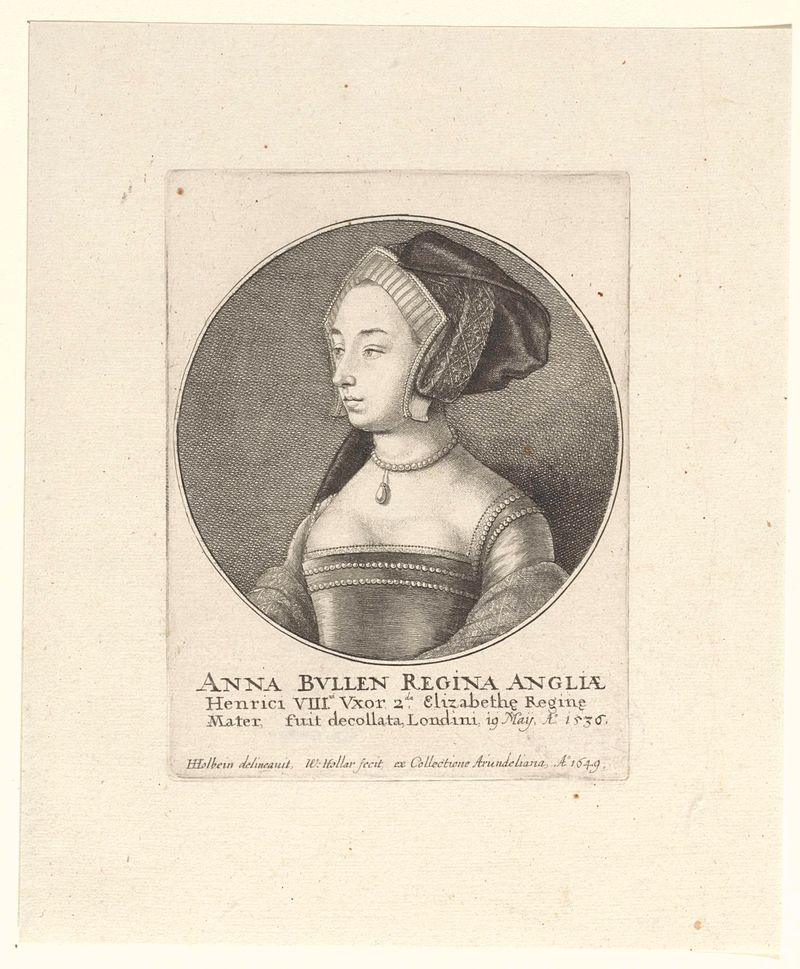
Portret van Anna Boleyn, koningin van Engeland
Wenceslaus Hollar
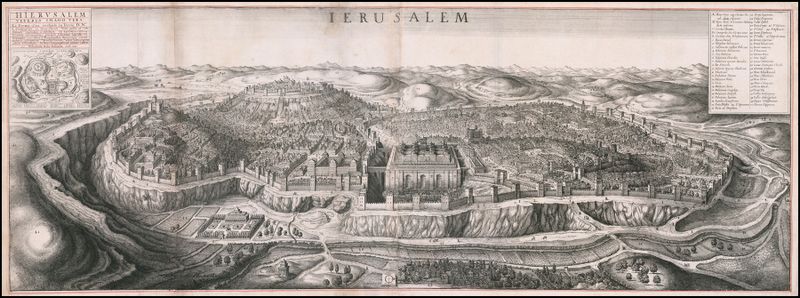
Bird’s eye view of Jerusalem
Wenceslaus Hollar
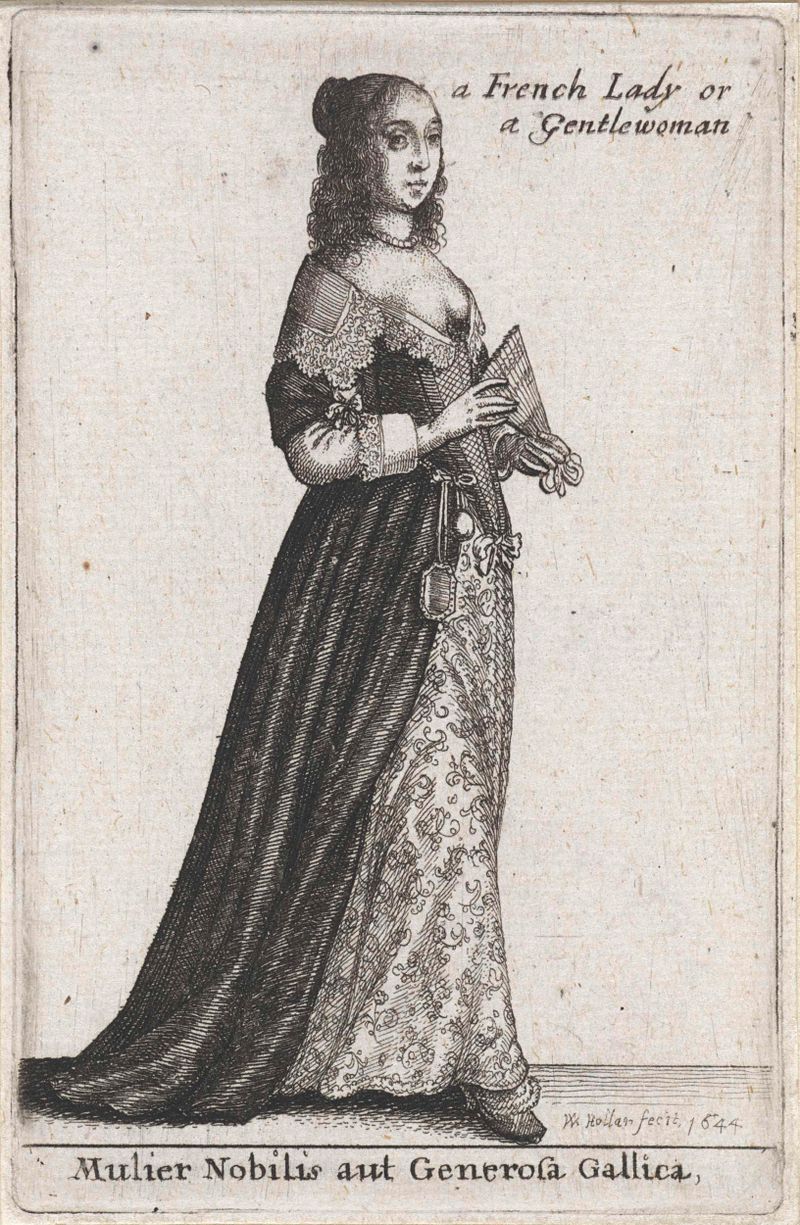
Mulier Nobilis aut Generosa Gallica / a French Lady or Gentlewoman
Wenceslaus Hollar
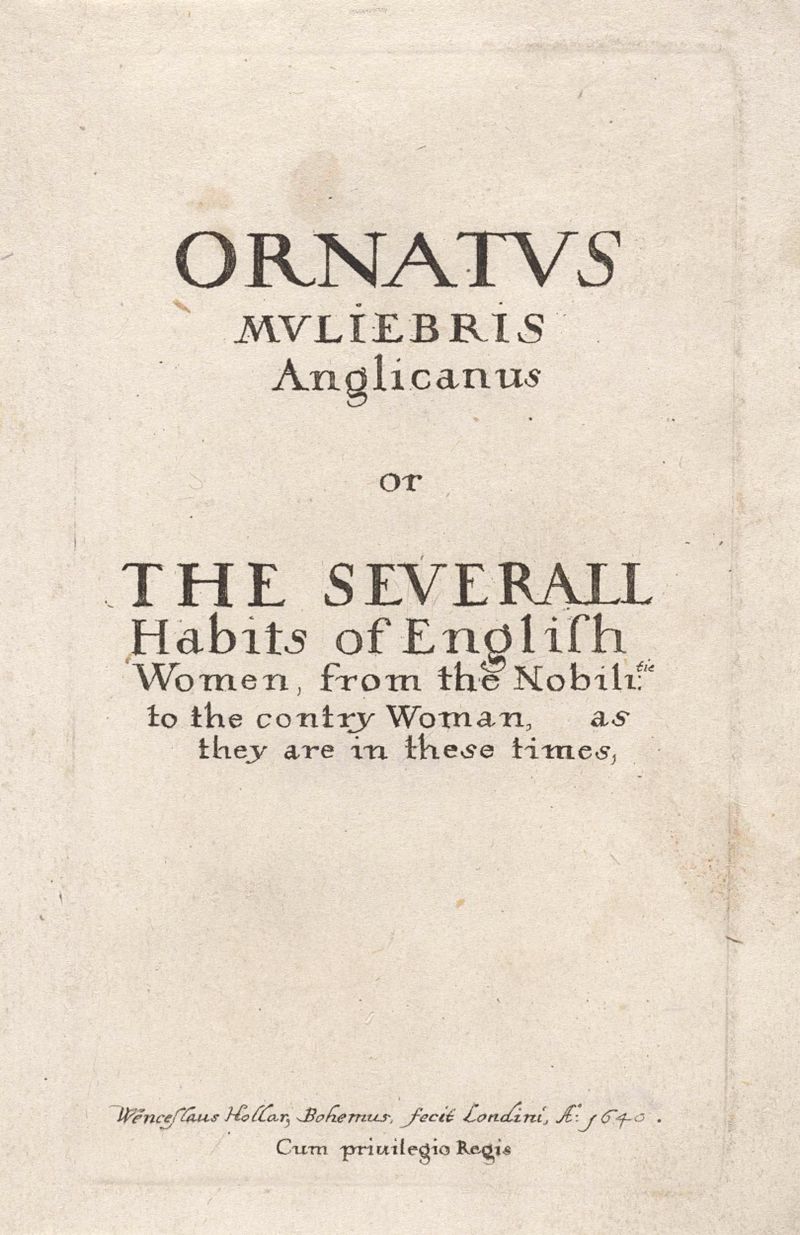
Titelprent voor: Ornatus Muliebris Anglicanus
Wenceslaus Hollar
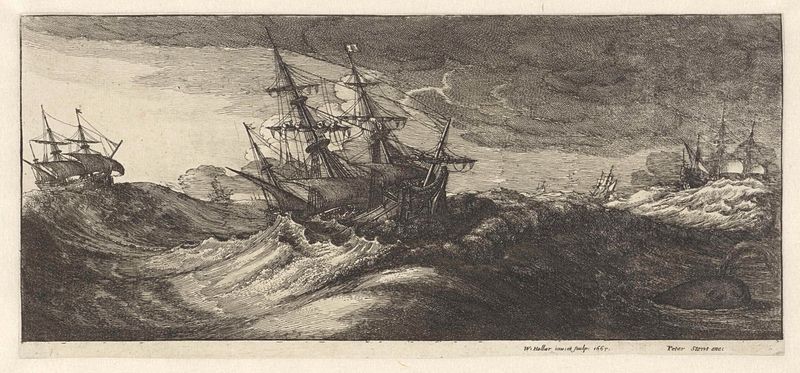
Oorlogsschepen en een walvis in een zeestorm
Wenceslaus Hollar
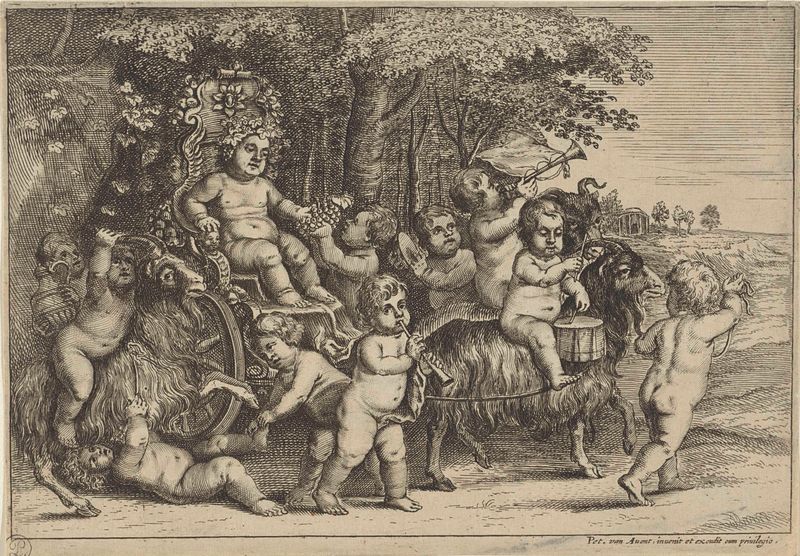
Optocht van bacchant en jongetjes op geiten
Wenceslaus Hollar
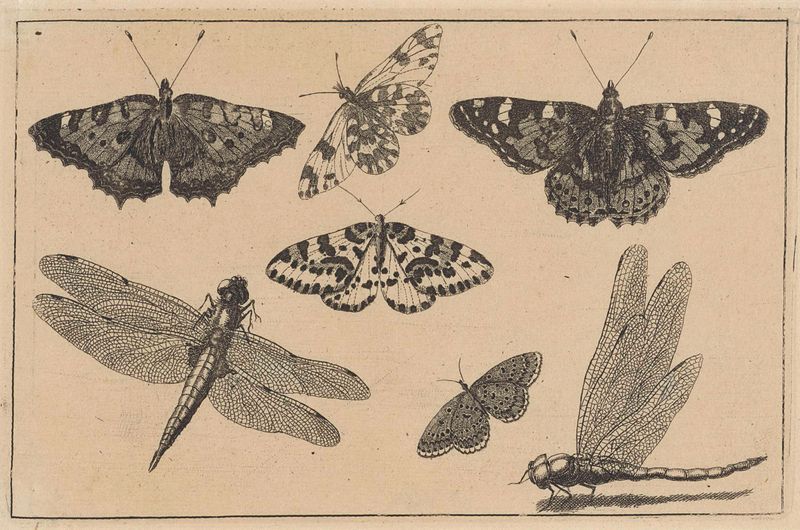
Twee libellen en vijf vlinders
Wenceslaus Hollar
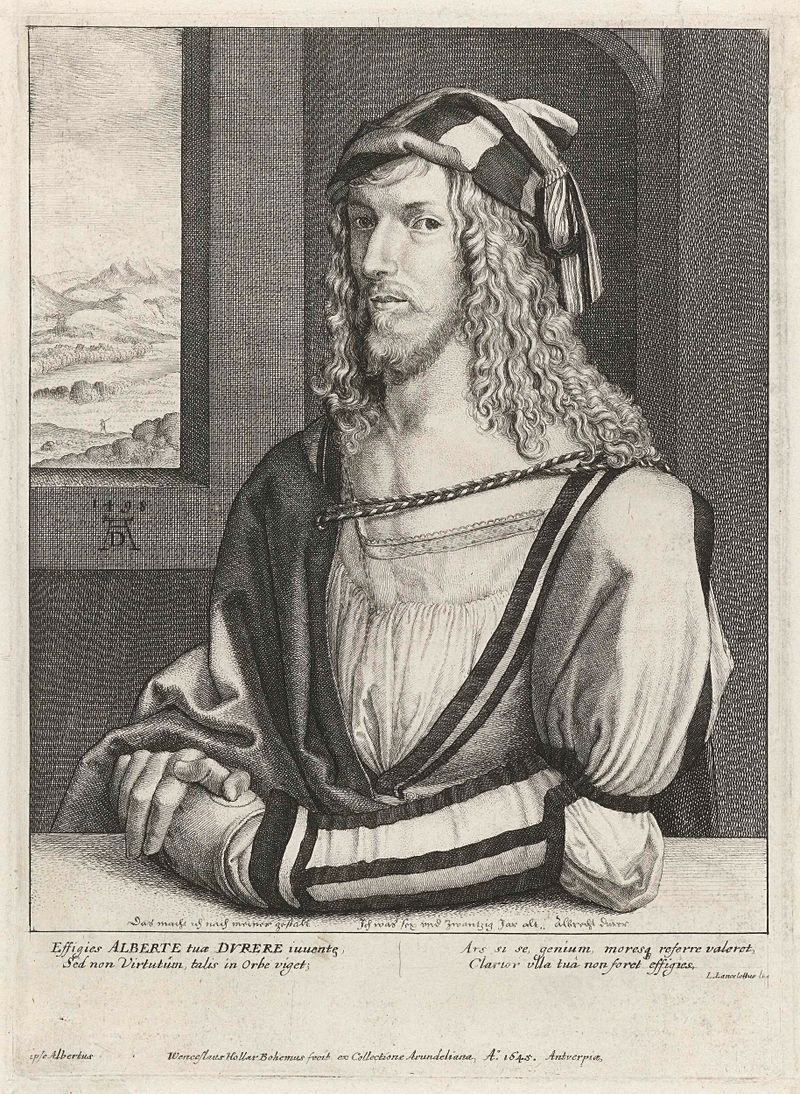
Portret van Albrecht Dürer
Wenceslaus Hollar
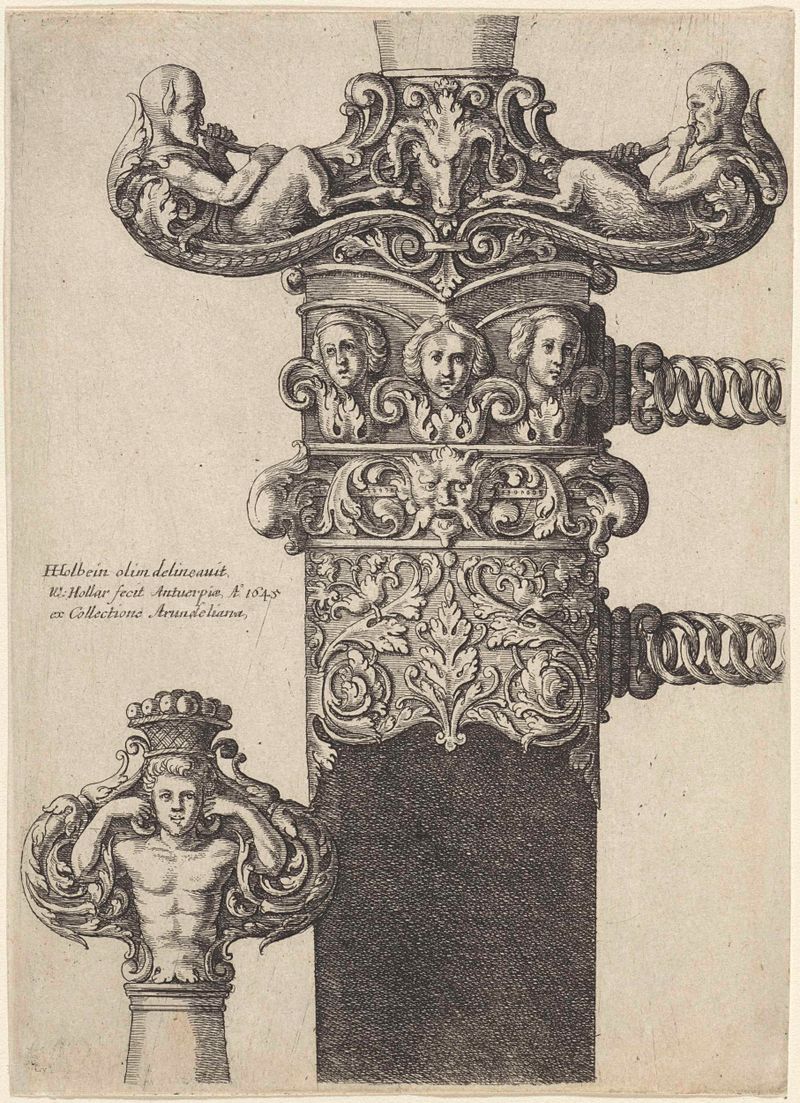
Ornamenteel ontwerp voor een dolk
Wenceslaus Hollar
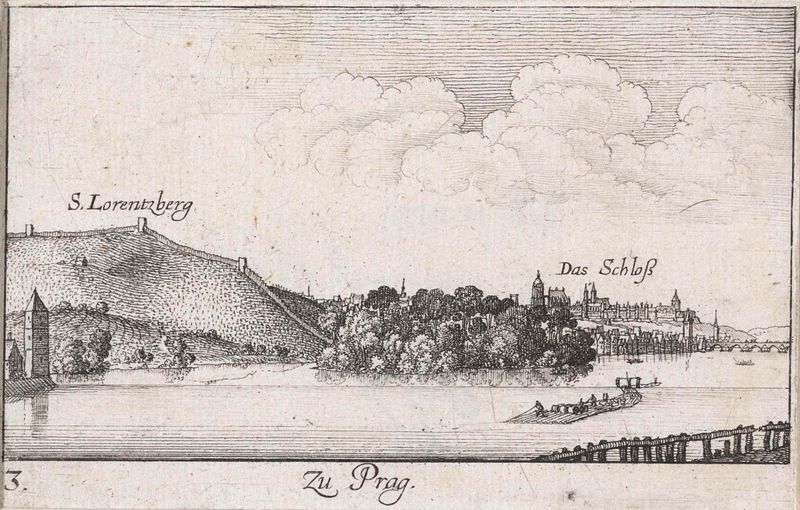
Gezicht op Praag vanaf de Moldau
Wenceslaus Hollar