
Anatomische studie van hoofd en schouders van een man, ontleed — History & Facts
When did color learn to lie? The depths of yearning are often cloaked beneath the surface, revealing truths that only the careful observer can uncover. Look closely at the intricate details of this work. The focus is immediately drawn to the precise anatomical study of the man’s head and shoulders—each line and shadow meticulously rendered to illuminate the structure beneath the skin. Notice how Hollar employs a delicate balance of light and dark, using chiaroscuro to emphasize the contours of the face, which seems almost to pulse with life.
The subtlety of the ink strokes allows for an exploration of both form and fragility, encapsulating the tension between the physical and the ephemeral. Hidden within the simplicity of the image lies a profound commentary on existence. The bare anatomy serves as a metaphor for vulnerability, revealing the human condition stripped of its colorful facades. Contrasts emerge as we contemplate the juxtaposition of the rigid, scientific analysis against the inherent tenderness of the subject—a man forever trapped between the realms of flesh and intellect.
This delicate dance of observation and emotion evokes a yearning for deeper understanding, both of ourselves and the world around us. Wenceslaus Hollar created this striking work in 1651 while in London, amidst a backdrop of artistic exploration and the burgeoning Enlightenment. Having fled from the turmoil of the Thirty Years' War, Hollar found a new community among English artists, and his anatomical studies reflect a growing fascination with the human form and its complexities. As the world shifted towards reason and observation, his works became a bridge between art and science, capturing the essence of human inquiry during a transformative era.
More Artworks by Wenceslaus Hollar
Browse all →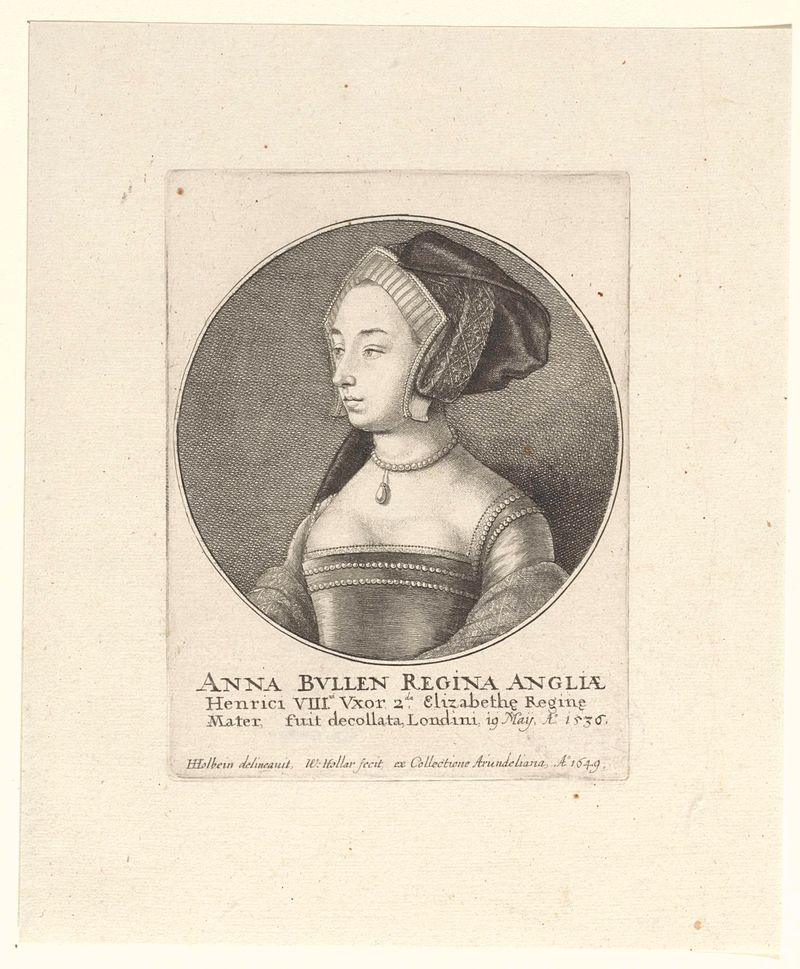
Portret van Anna Boleyn, koningin van Engeland
Wenceslaus Hollar
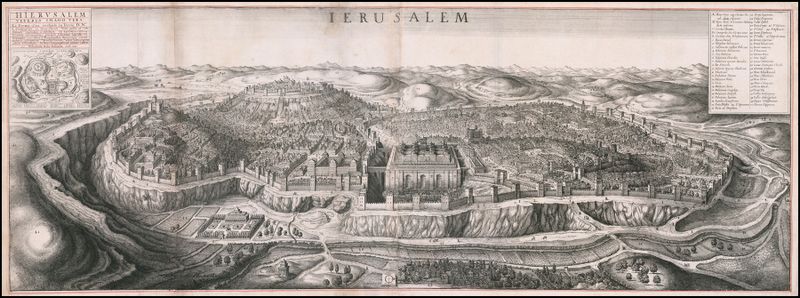
Bird’s eye view of Jerusalem
Wenceslaus Hollar
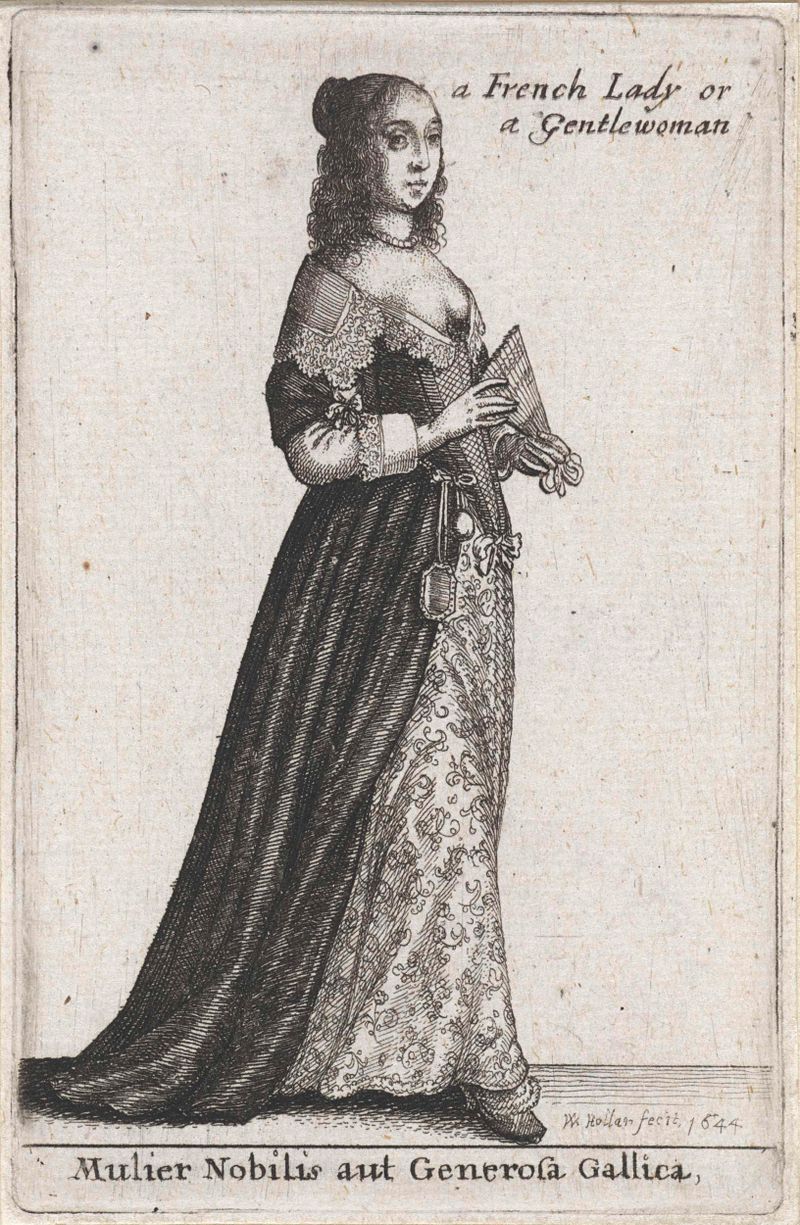
Mulier Nobilis aut Generosa Gallica / a French Lady or Gentlewoman
Wenceslaus Hollar
Titelprent voor: Ornatus Muliebris Anglicanus
Wenceslaus Hollar
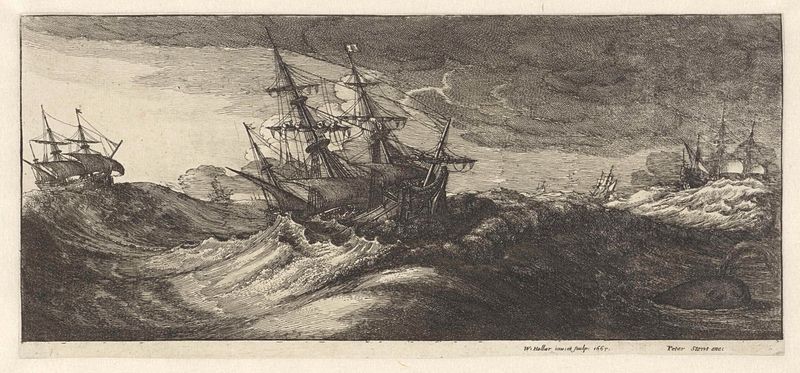
Oorlogsschepen en een walvis in een zeestorm
Wenceslaus Hollar
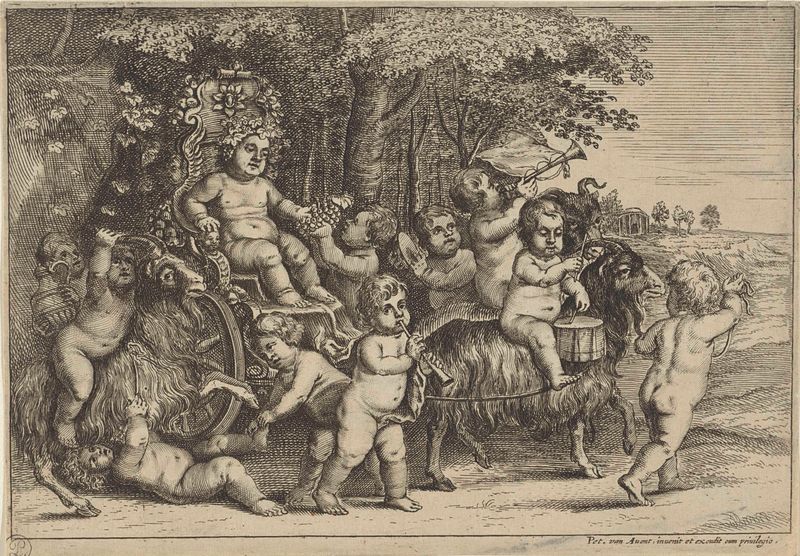
Optocht van bacchant en jongetjes op geiten
Wenceslaus Hollar
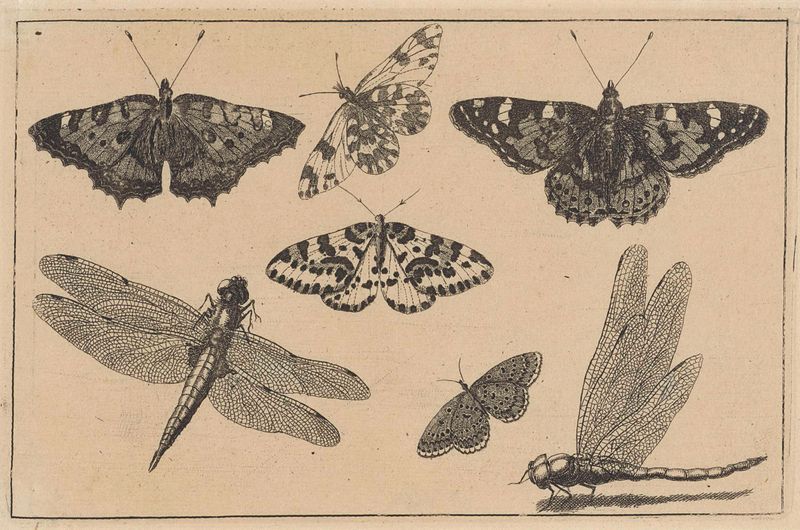
Twee libellen en vijf vlinders
Wenceslaus Hollar
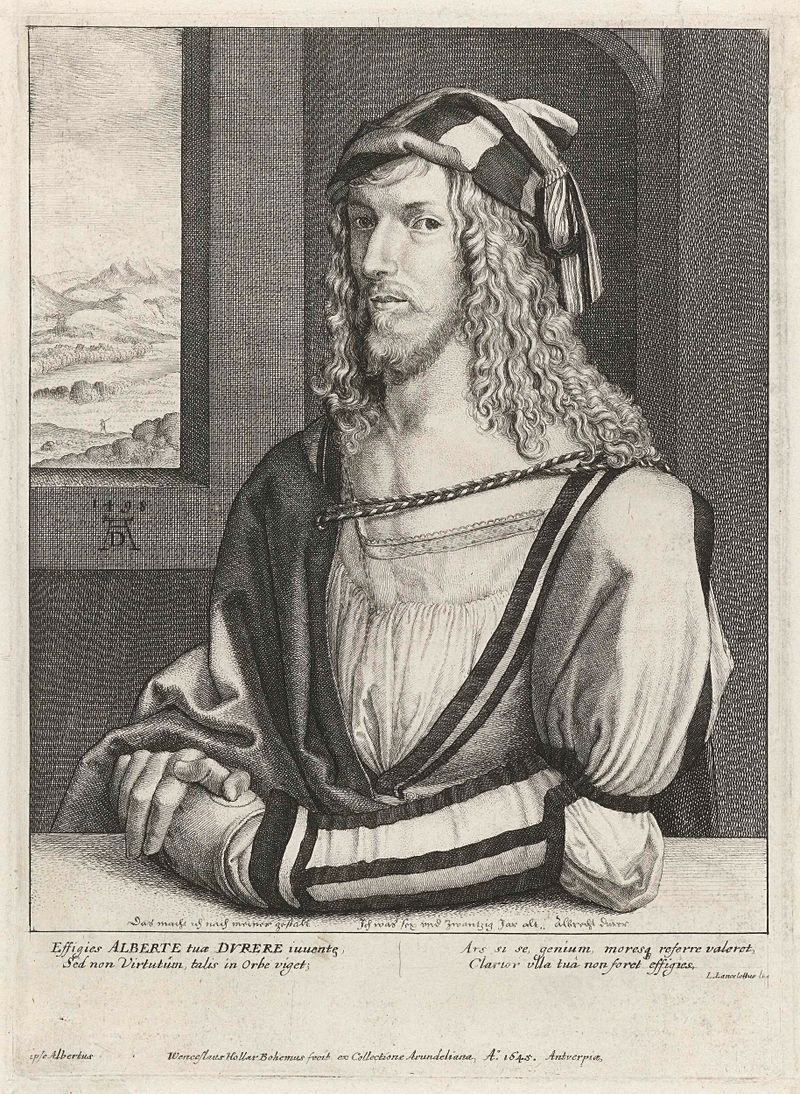
Portret van Albrecht Dürer
Wenceslaus Hollar
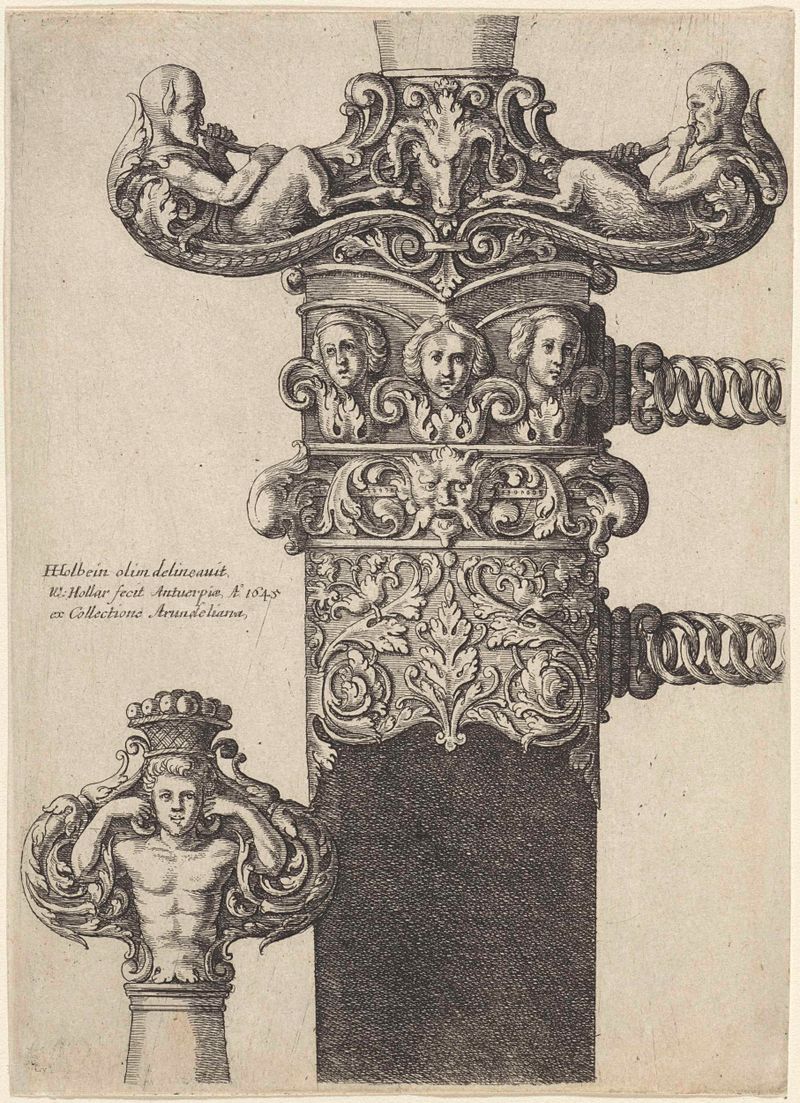
Ornamenteel ontwerp voor een dolk
Wenceslaus Hollar
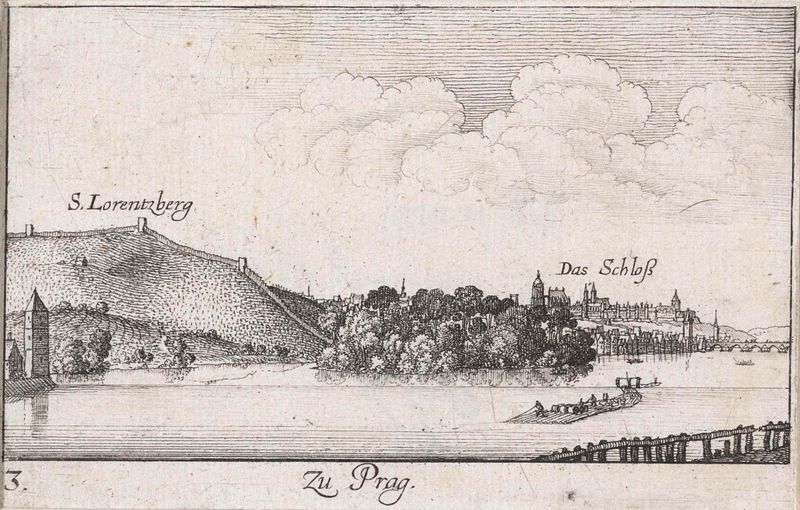
Gezicht op Praag vanaf de Moldau
Wenceslaus Hollar





