
Anbetung der Könige — History & Facts
What first seizes the eye in Anbetung der Könige is the charged intimacy of the encounter: the Magi, their faces etched with age and wonder, lean in so closely to the Virgin and Child that the air seems to hum with anticipation. The artist draws us into the drama, arranging the figures in a tight, almost theatrical grouping, each gesture and glance choreographed to direct our gaze toward the infant Christ. The oldest king, kneeling with his gift, meets the child’s eyes with a humility that is echoed in the clasped hands and furrowed brows of those behind him.
The Virgin, serene and pale against the deep blue of her robe, lowers her gaze, creating a quiet center amid the swirl of color and movement. Painted in the 16th century, this scene belongs to a long tradition of Adoration of the Magi images that flourished in Northern Europe, where such works were often commissioned for private devotion or altarpieces. The artist’s attention to the textures of fabric and flesh, the gleaming gold of the vessel, and the intricate play of hands and faces all speak to the era’s fascination with both narrative detail and painterly skill. In this period, painters like Adriaen Thomasz.
Key were bridging the worlds of Italianate grandeur and Netherlandish precision, offering viewers not just a sacred story but a rich visual feast. Though history has kept few traces of this particular painting’s journey, its presence in the Dorotheum collection today invites us to step into that moment of reverence and curiosity, and to linger over every brushstroke.
More Artworks by Adriaen Thomasz. Key
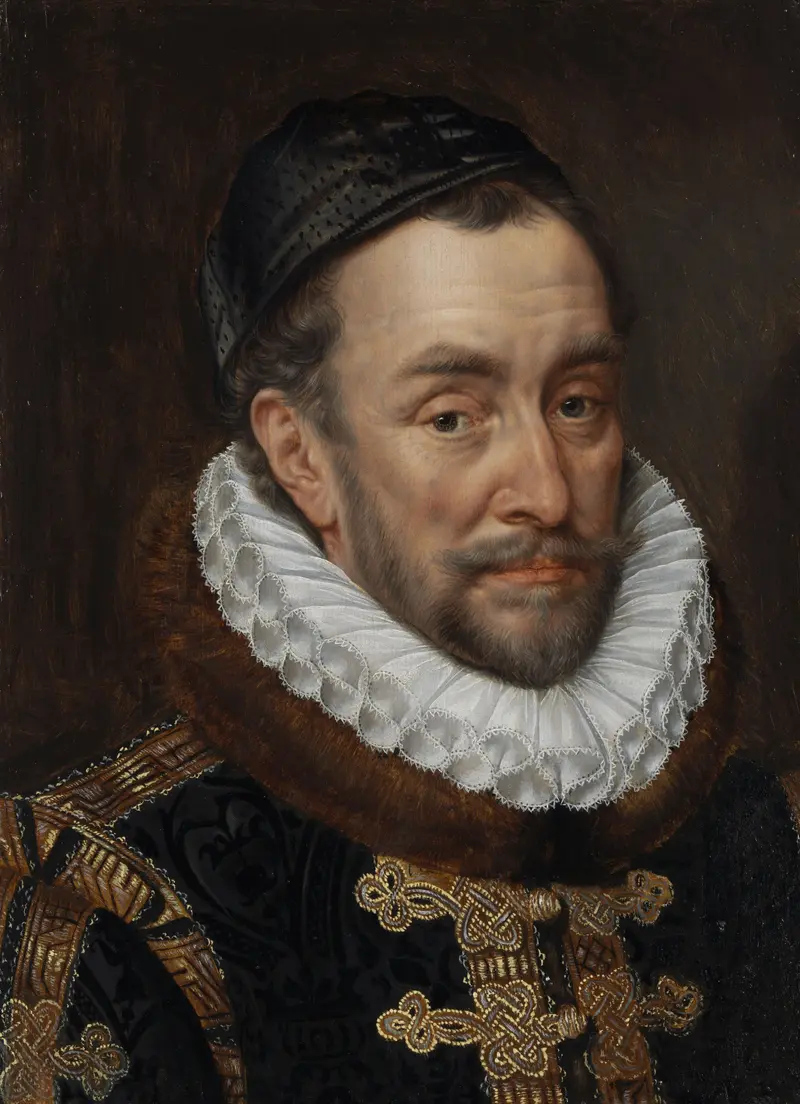
Portrait of William I, Prince of Orange
Adriaen Thomasz. Key
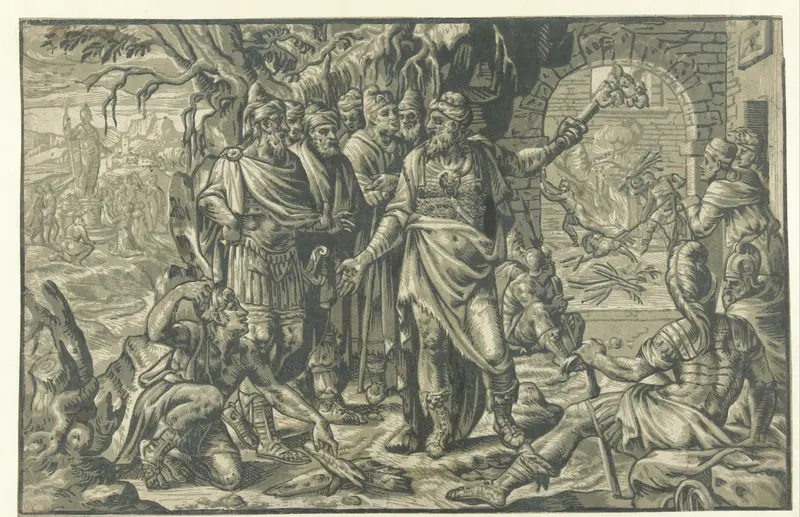
Nebukadnezar werpt de drie jongelingen in de vurige oven
Adriaen Thomasz. Key
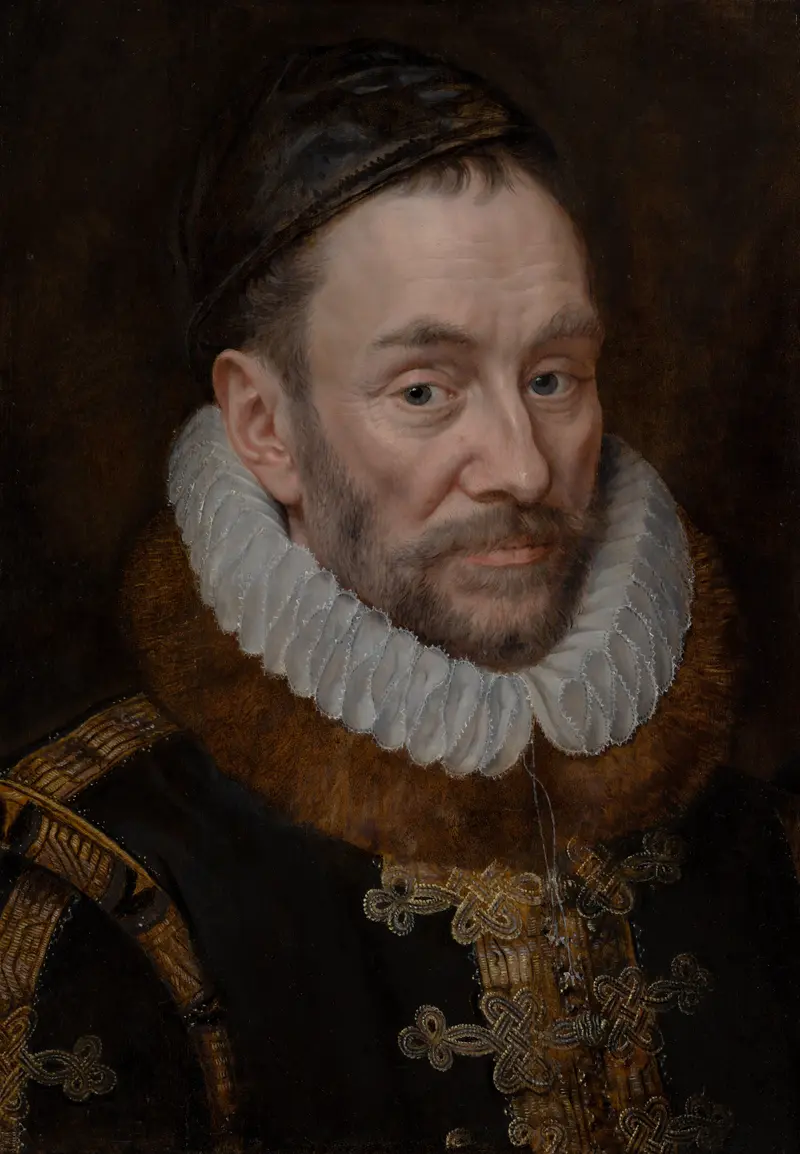
Portrait of William I (1533-1584), Prince of Orange
Adriaen Thomasz. Key
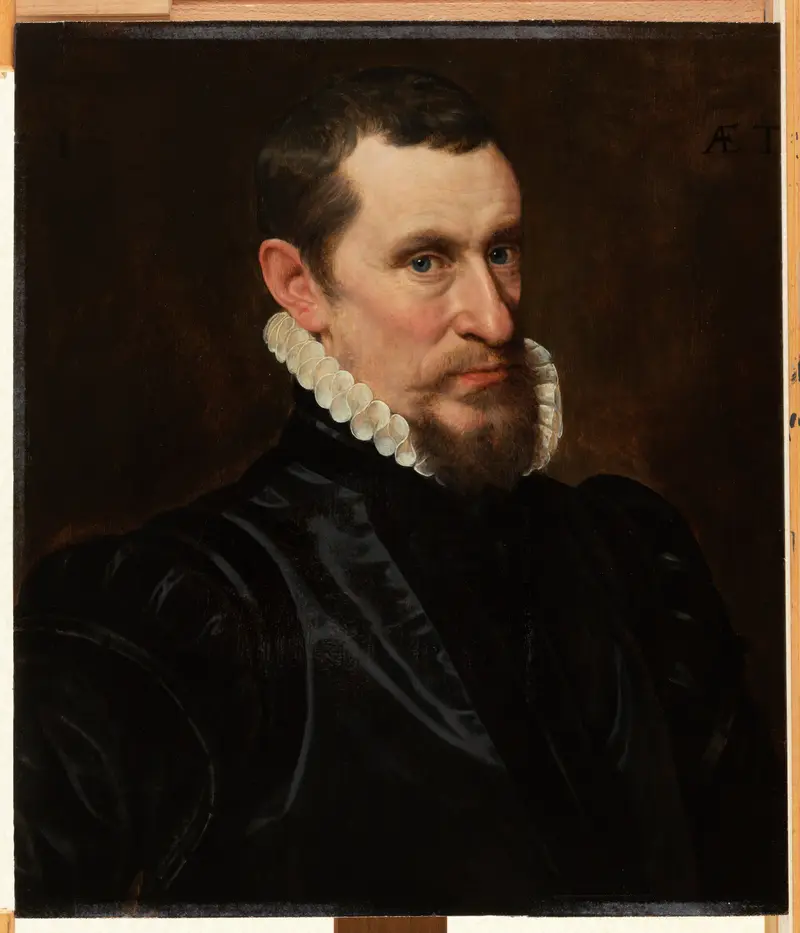
Portrait of Gillis Beys
Adriaen Thomasz. Key
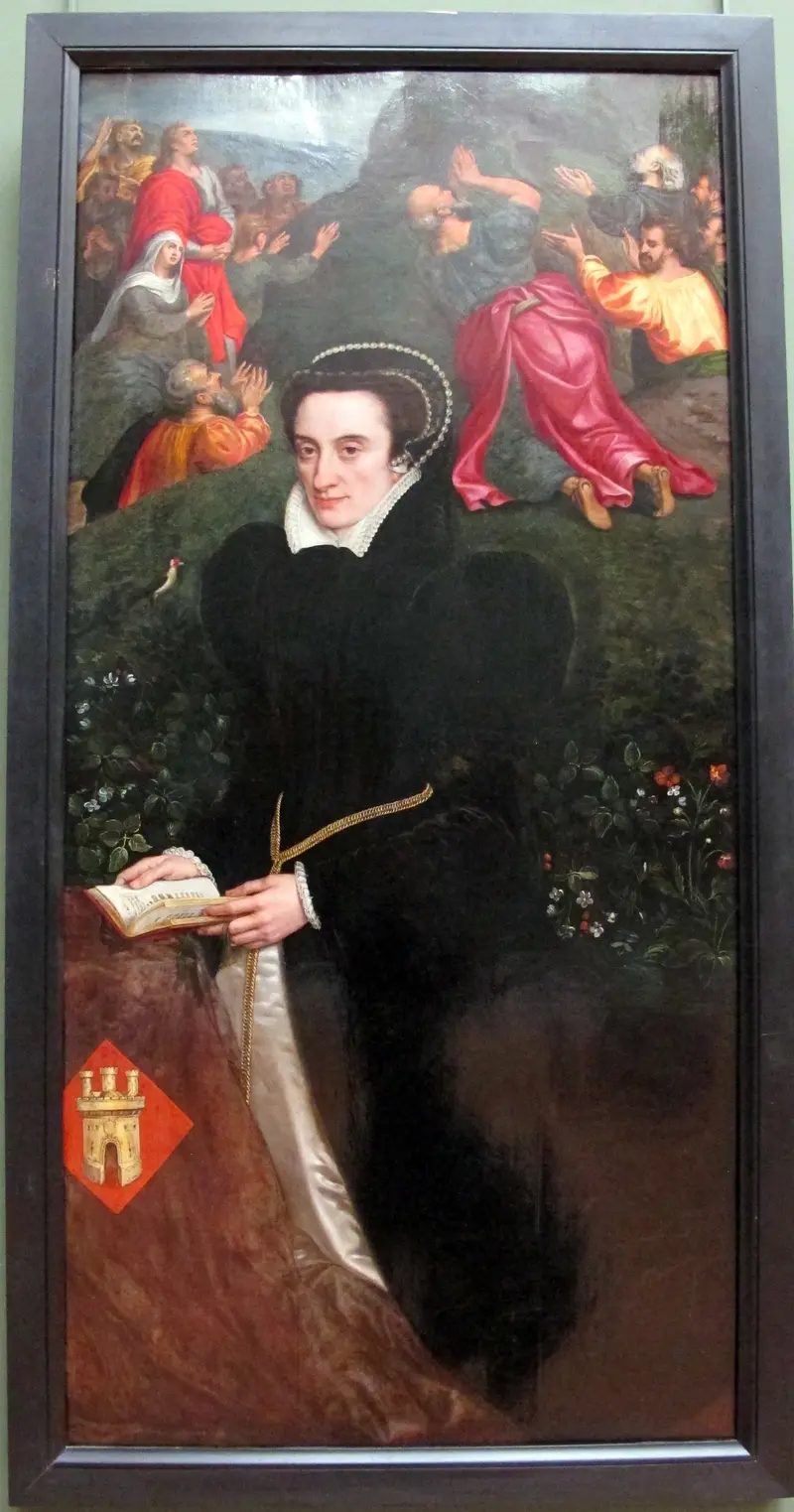
Leonor Lopez de Villanueva, Wife of Antonio del Rio
Adriaen Thomasz. Key
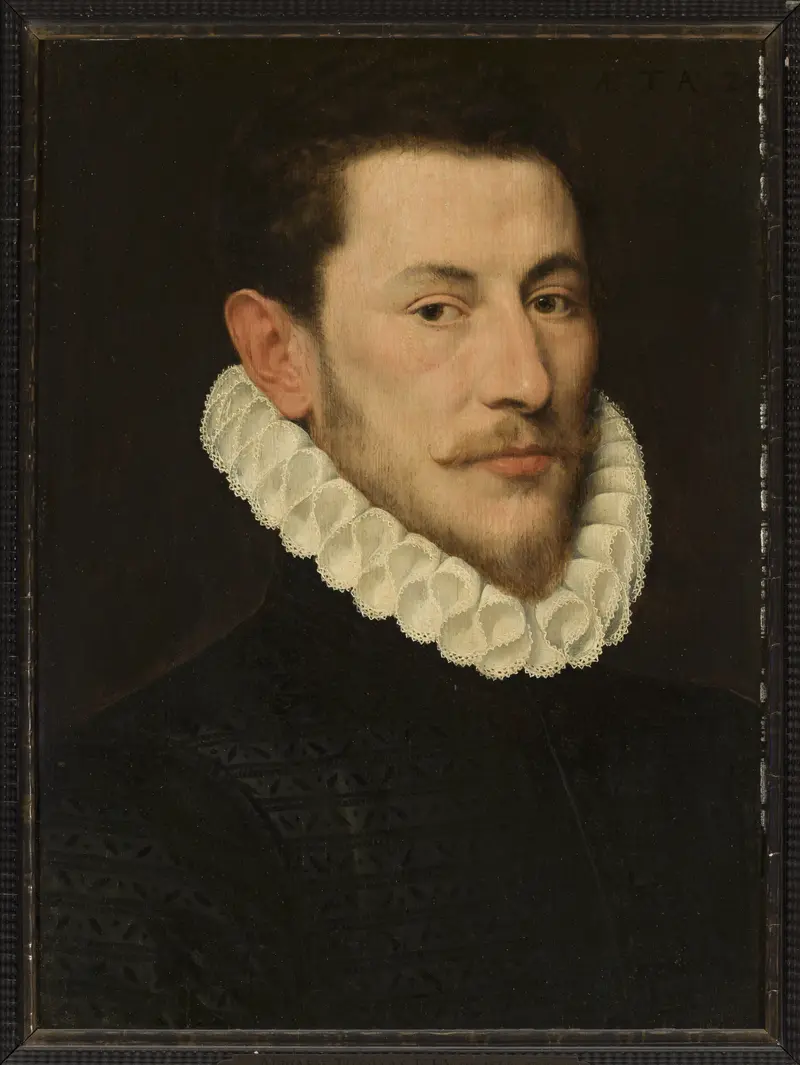
Portrait of a young man
Adriaen Thomasz. Key
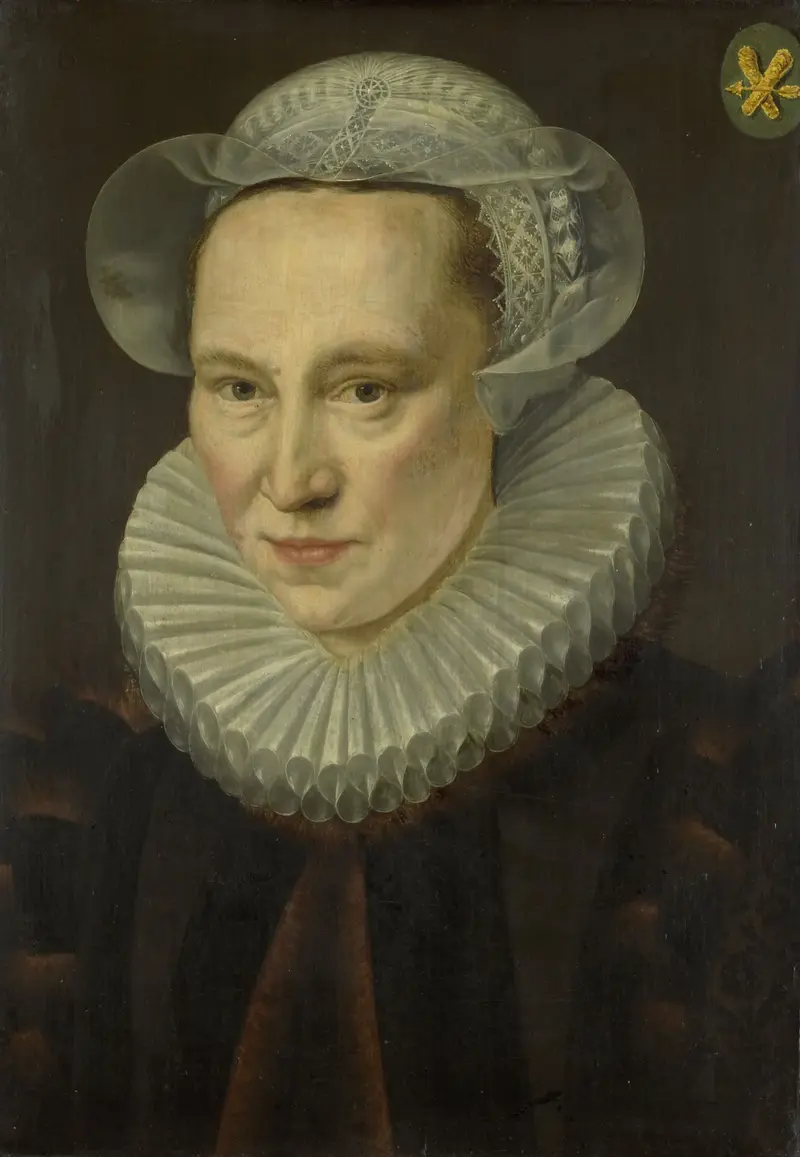
Portrait of Grietje Pietersdr Codde (d. 1607), wife of Jacob Bas
Adriaen Thomasz. Key
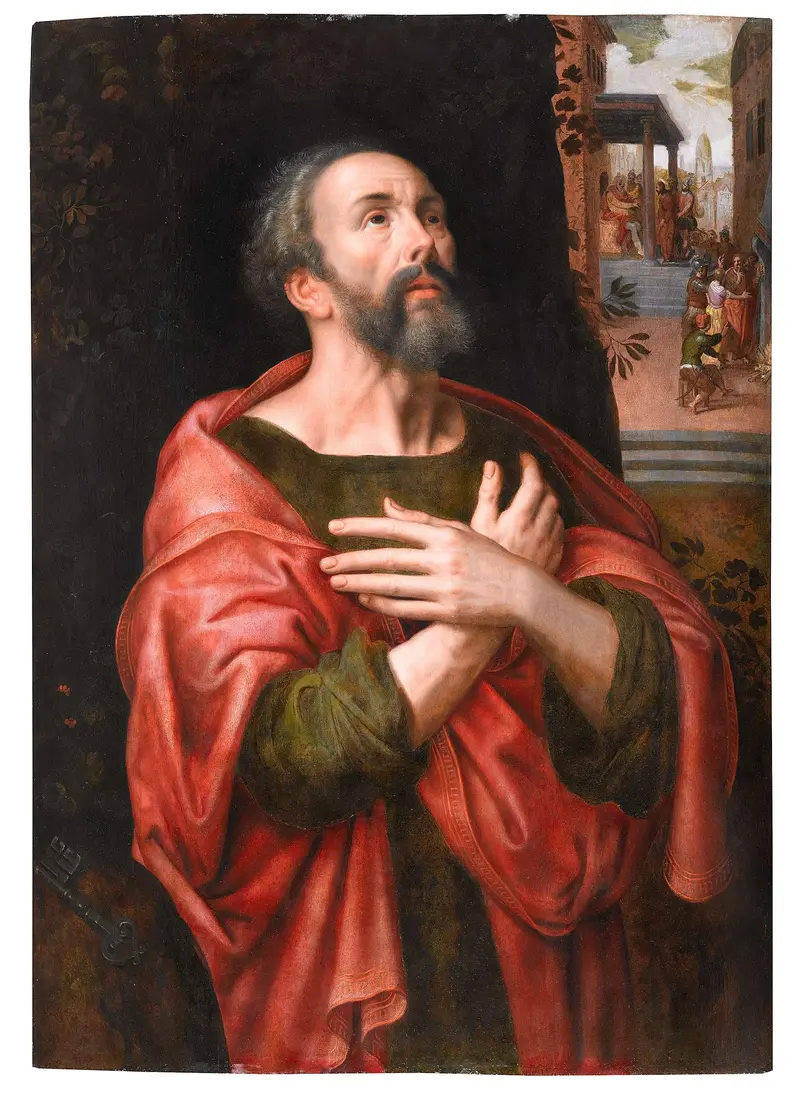
St. Peter Penitent
Adriaen Thomasz. Key
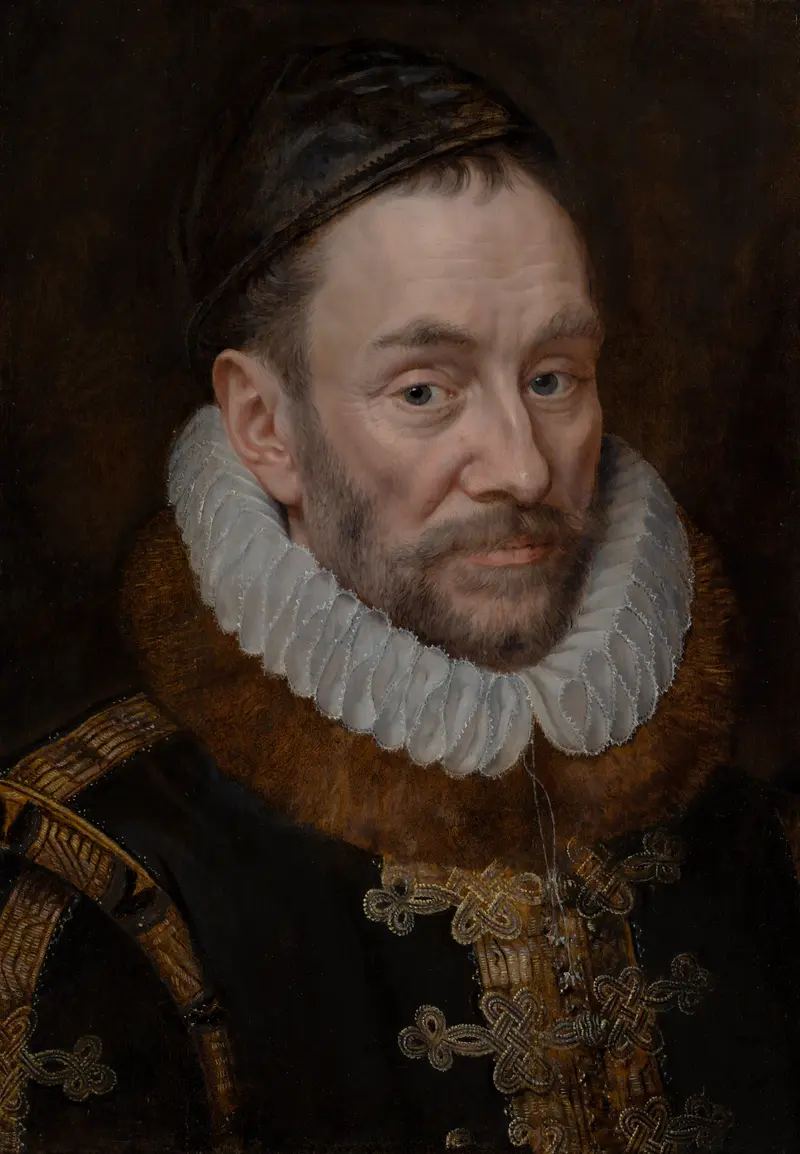
William I, Prince of Orange, known as William the Silent
Adriaen Thomasz. Key
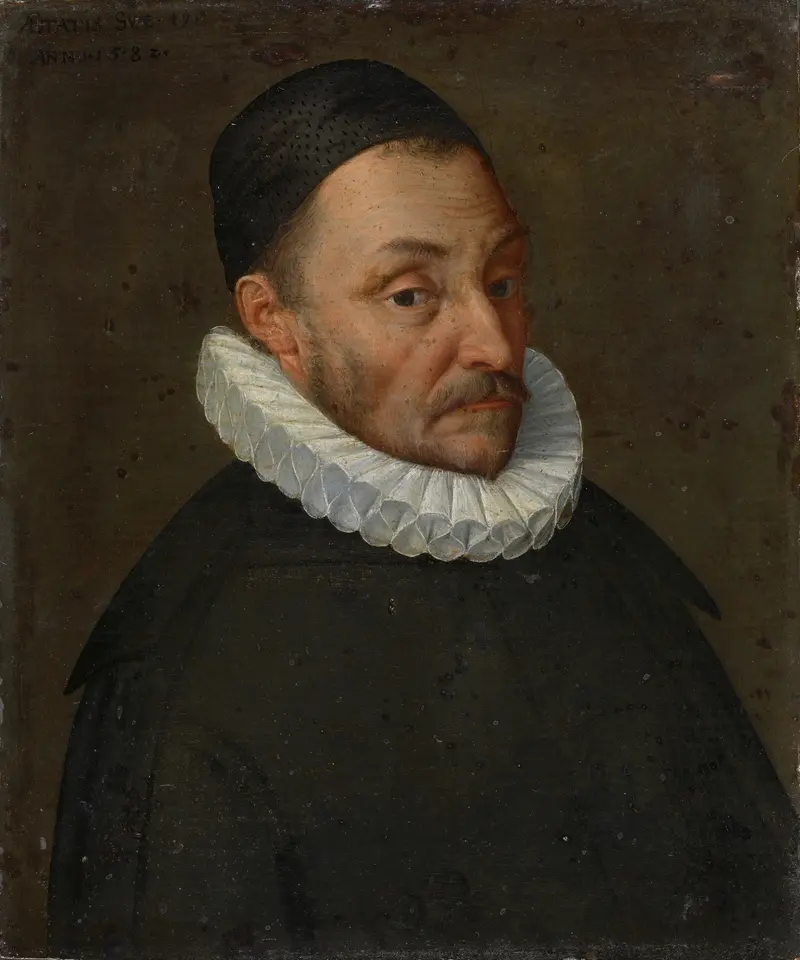
Willem of Orange (1533-1584), leader of the Dutch revolt against Spain
Adriaen Thomasz. Key





