
St. Peter Penitent — History & Facts
The first thing that seizes the viewer in St. Peter Penitent is the raw, almost physical weight of remorse that radiates from the figure at the center. The saint’s hands are crossed over his chest in a gesture that is both protective and pleading, his eyes lifted not to the viewer but to a source of light outside the frame—an appeal to forgiveness.
The rich red of his robe, draped in heavy folds, draws the eye to his heart, while the large, iron key at his side quietly signals his identity. In the upper right, a narrative unfolds in miniature: a bustling cityscape, a group of figures in heated exchange, and the faint suggestion of a rooster—reminders of the moment Peter denied Christ. The contrast between the intimate, almost sculptural presence of the saint and the distant, crowded action behind him invites us to linger on his internal struggle. Painted between circa 1564 and circa 1568, this work belongs to a period when artists in Antwerp were deeply engaged with the drama of human emotion and the possibilities of storytelling through paint.
Works like this were often commissioned for private devotion or small chapels, intended to inspire meditation on the themes of repentance and grace. The artist, Adriaen Thomasz. Key, was active in a city alive with religious tension and artistic innovation, and his paintings reflect both the technical skill and the introspective mood of the era.
While little is recorded about the specific journey of this painting, its presence in the Sphinx Fine Art collection today is a testament to the enduring power of these sixteenth-century images to move viewers centuries later. Notice how the play of light and shadow across Peter’s face and hands keeps the drama alive—urging us to return, again and again, to the story unfolding in silence.
More Artworks by Adriaen Thomasz. Key
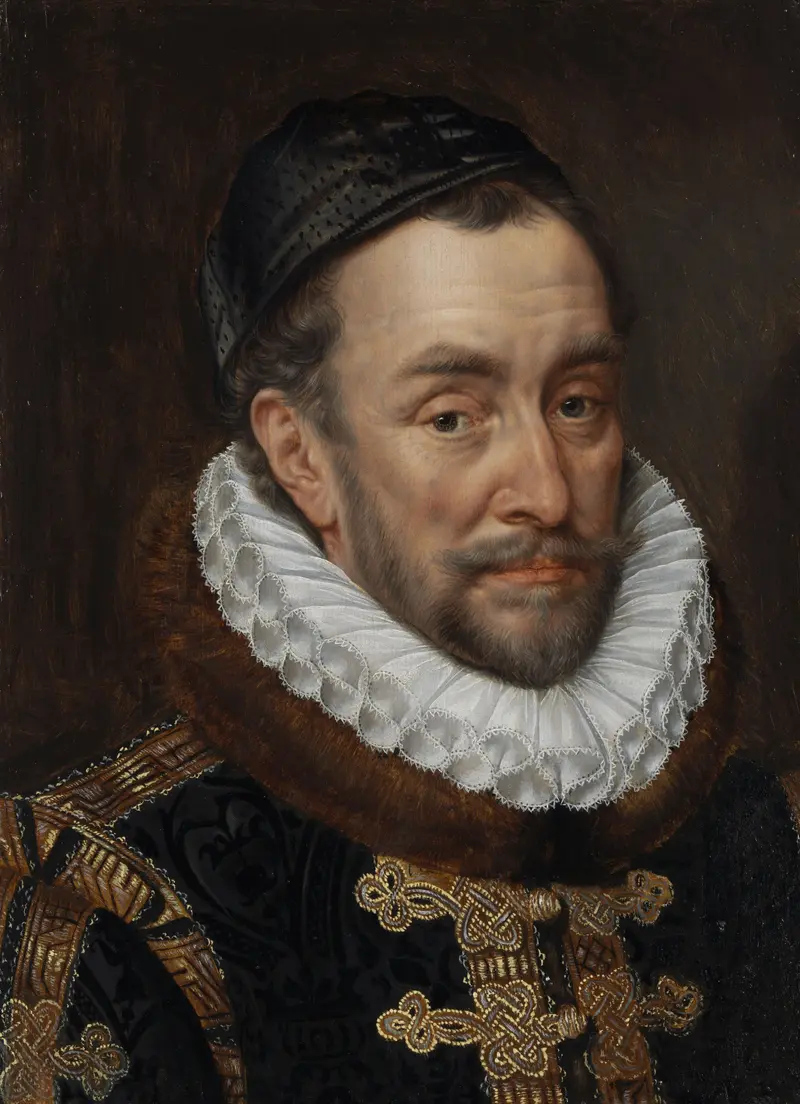
Portrait of William I, Prince of Orange
Adriaen Thomasz. Key
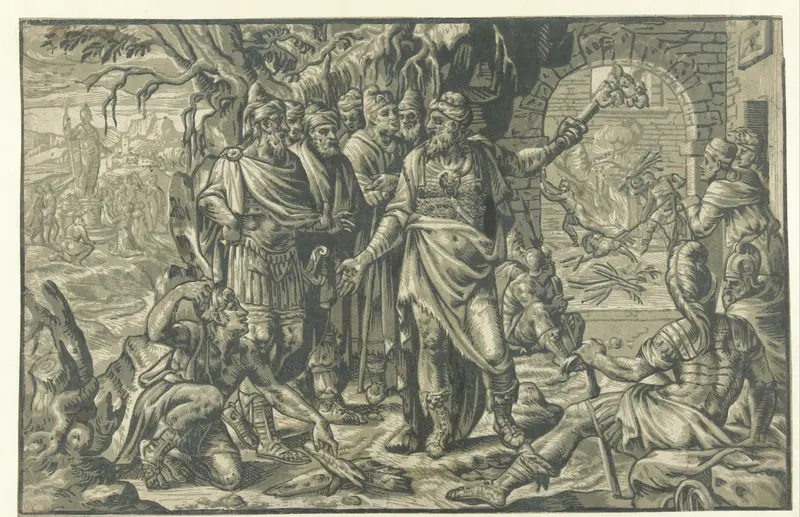
Nebukadnezar werpt de drie jongelingen in de vurige oven
Adriaen Thomasz. Key
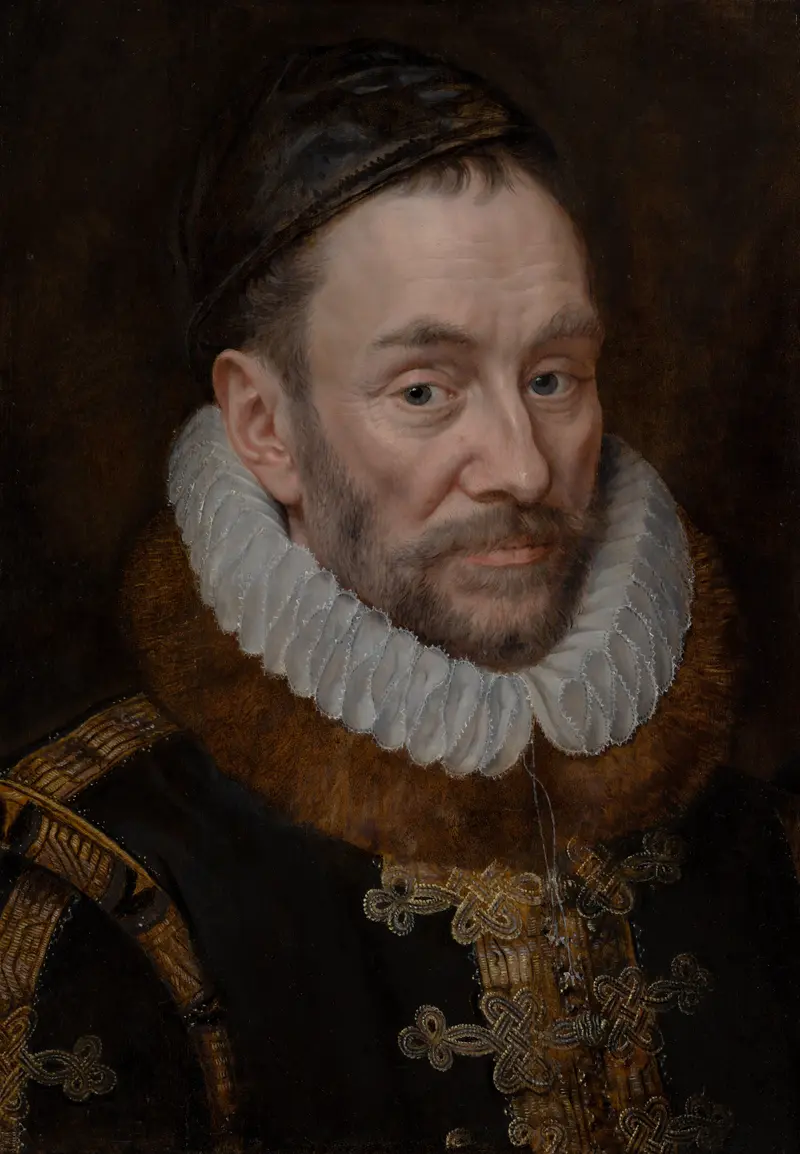
Portrait of William I (1533-1584), Prince of Orange
Adriaen Thomasz. Key
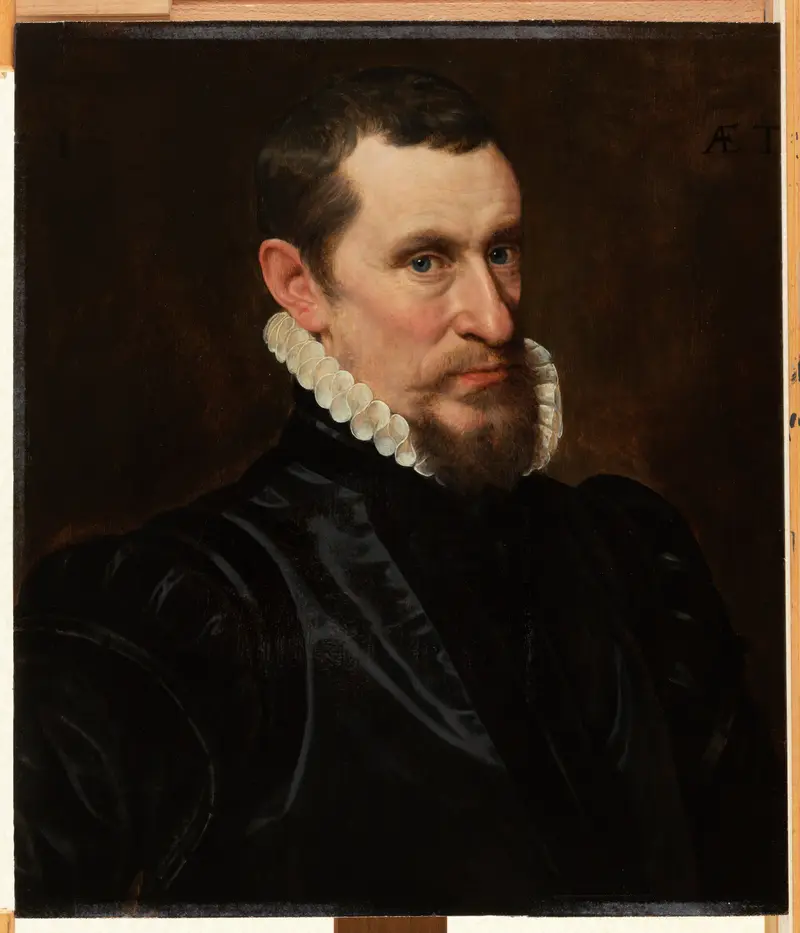
Portrait of Gillis Beys
Adriaen Thomasz. Key
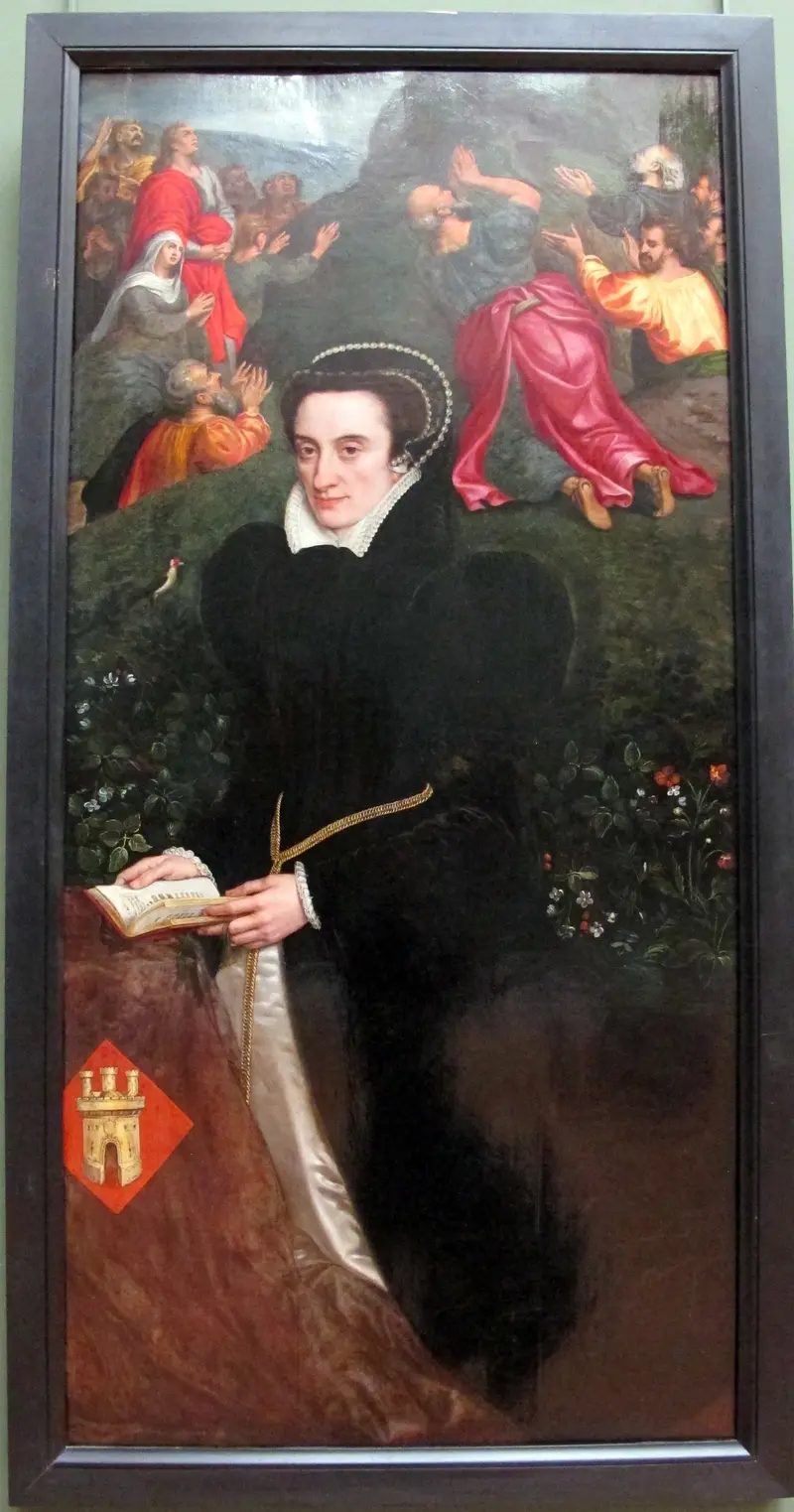
Leonor Lopez de Villanueva, Wife of Antonio del Rio
Adriaen Thomasz. Key
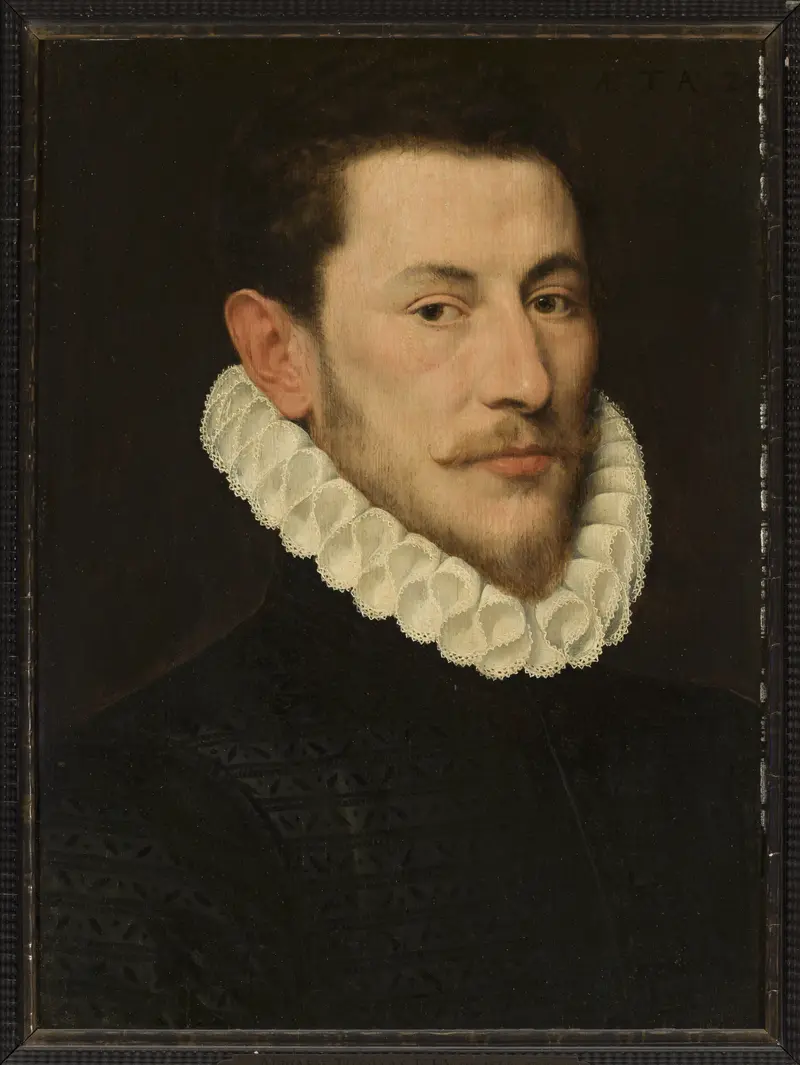
Portrait of a young man
Adriaen Thomasz. Key
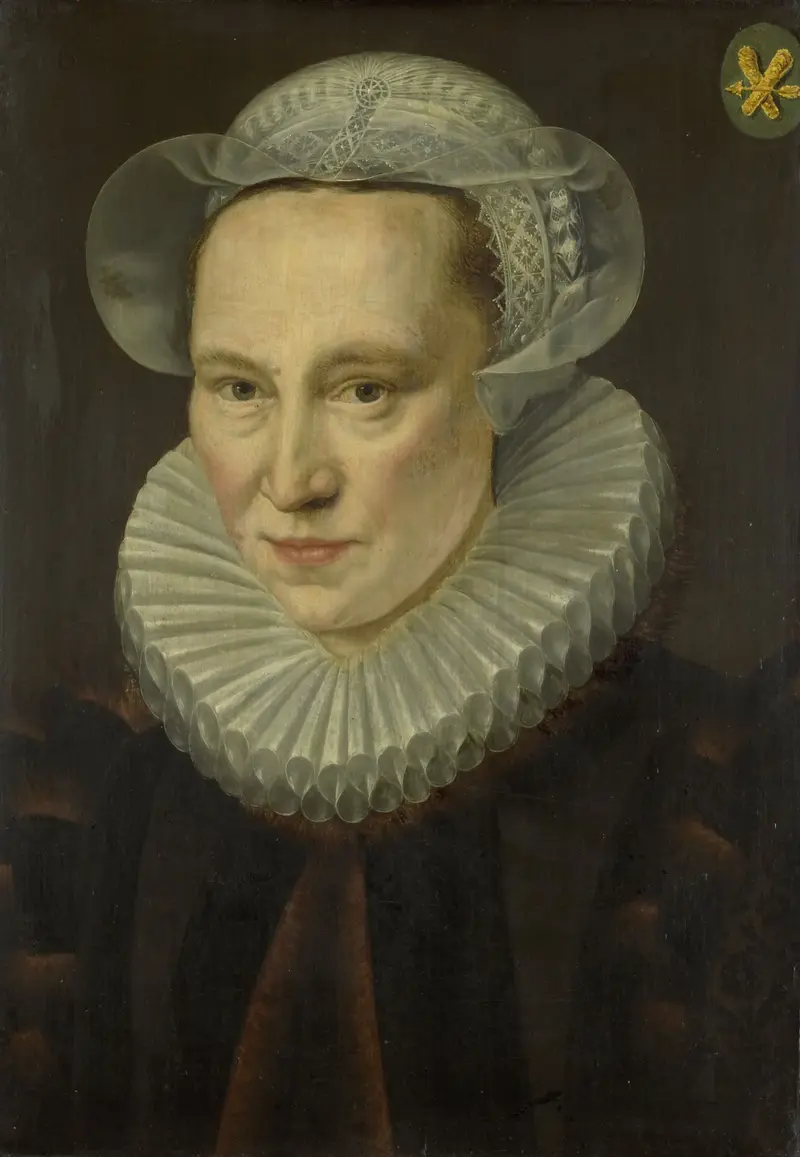
Portrait of Grietje Pietersdr Codde (d. 1607), wife of Jacob Bas
Adriaen Thomasz. Key
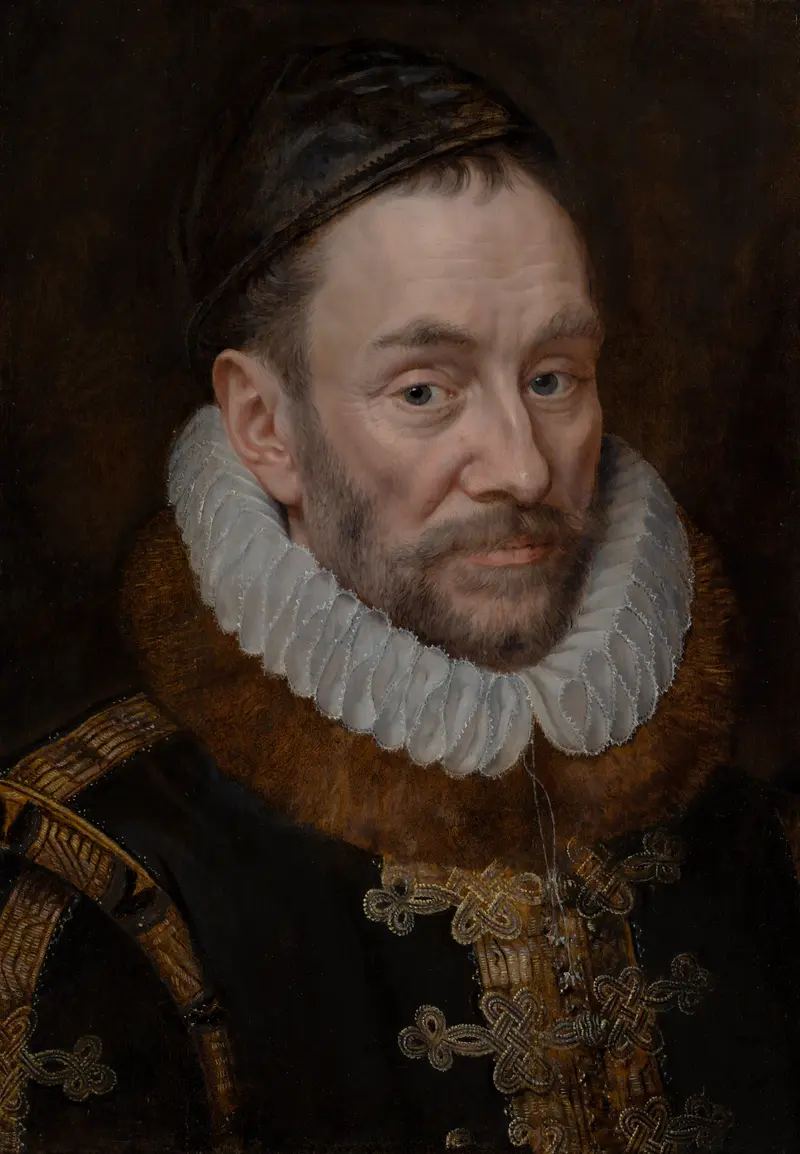
William I, Prince of Orange, known as William the Silent
Adriaen Thomasz. Key
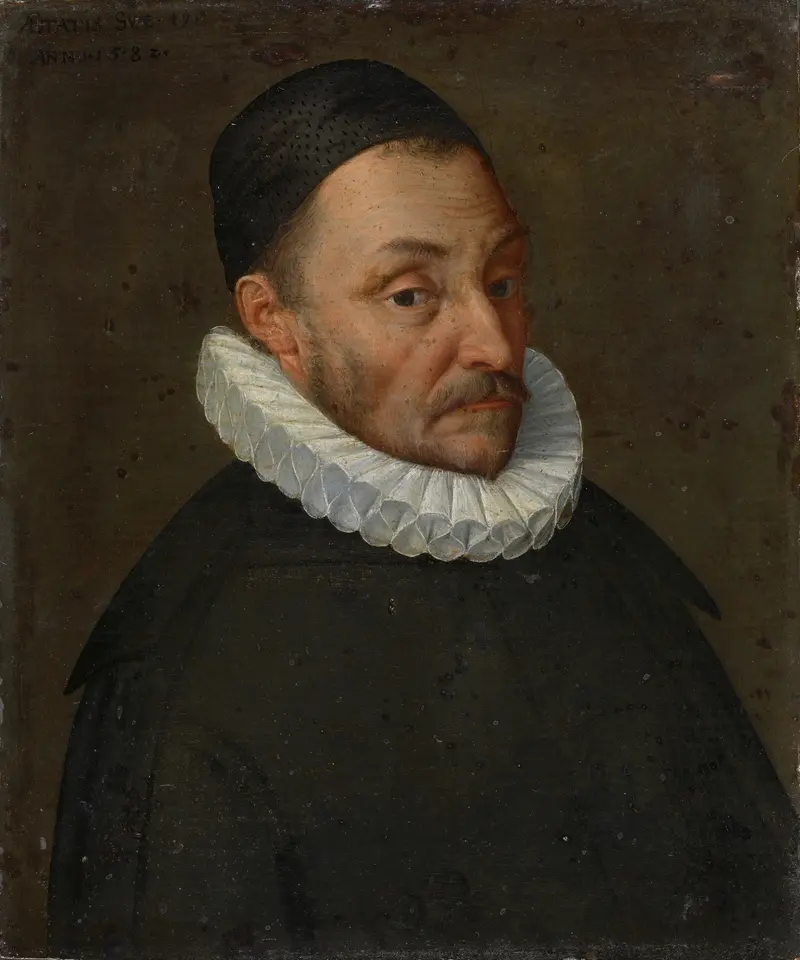
Willem of Orange (1533-1584), leader of the Dutch revolt against Spain
Adriaen Thomasz. Key
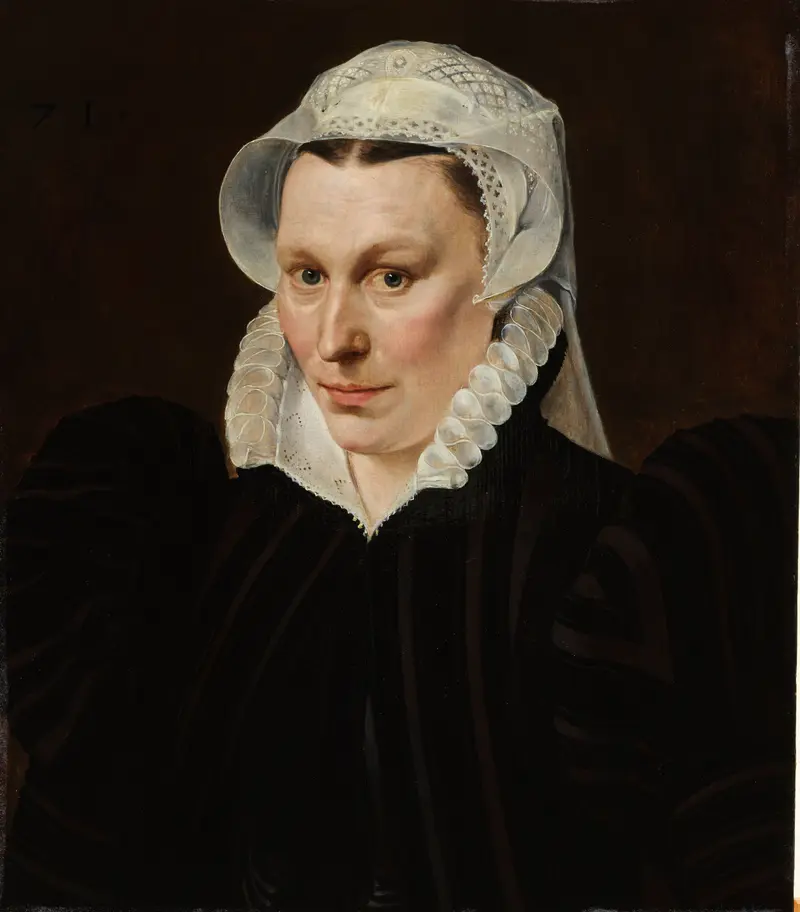
Portrait of Magdalena Plantin
Adriaen Thomasz. Key





