
Portrait of a young man — History & Facts
What first catches the eye is the crisp, almost sculptural ruff encircling the young man’s neck—a flourish of white lace that seems to float against the deep, velvety black of his doublet. The sitter’s gaze is direct but measured, his lips set in a quiet half-smile that suggests confidence edged with reserve. Light falls from the left, tracing the fine bones of his face and picking out the subtle textures of his beard and hair, while his dark, patterned garment absorbs the shadows, lending him an air of gravity.
Every detail, from the delicate stitches of the ruff to the faint flush in his cheeks, is a silent signal of status and self-possession, inviting the viewer to wonder about the life behind those steady eyes. Painted in 1574 by Adriaen Thomasz. Key, this portrait belongs to a world on the cusp of modernity, where likenesses such as this were commissioned to assert identity, lineage, and ambition. In the late sixteenth century, the Northern Renaissance was flourishing, and portraiture had become a favored means for the rising bourgeoisie and nobility to record their presence for posterity.
The painting now resides in the National Museum in Warsaw, a testament to how these works have traveled far from the private interiors for which they were once made. History has kept few traces of this young man’s name or story, but his steady gaze and meticulously rendered attire still speak across the centuries—inviting us to look closer, and imagine the world he knew.
More Artworks by Adriaen Thomasz. Key
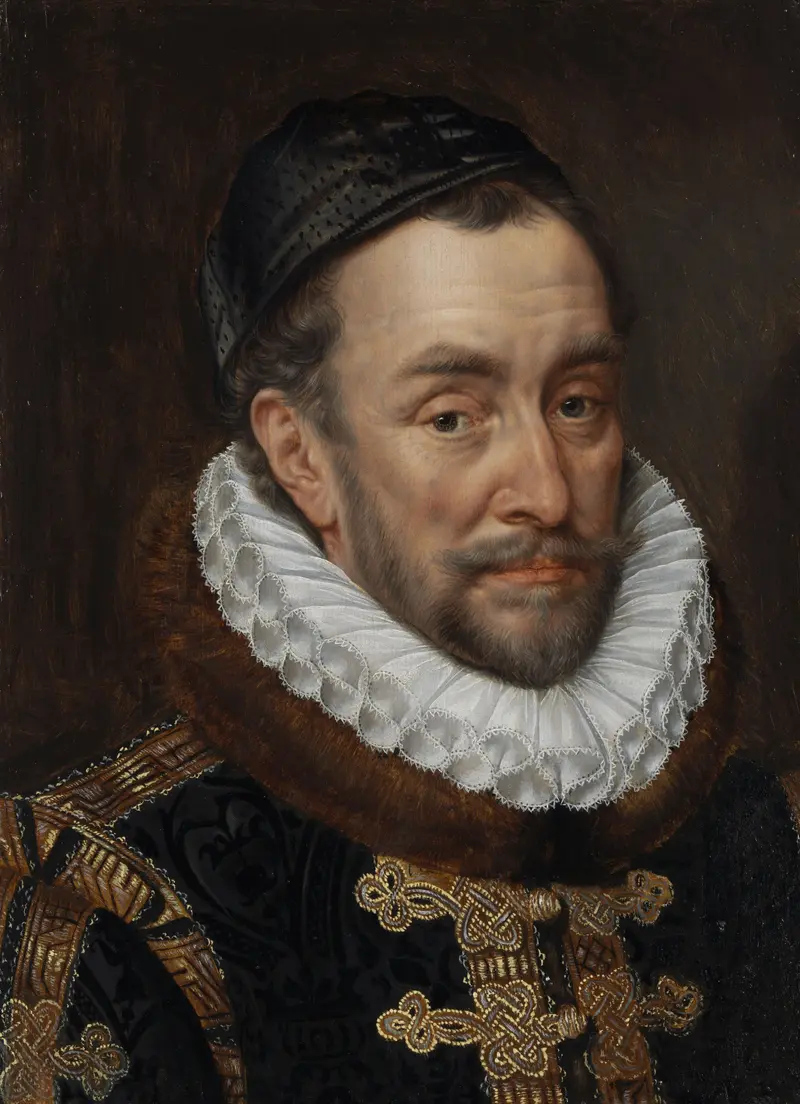
Portrait of William I, Prince of Orange
Adriaen Thomasz. Key
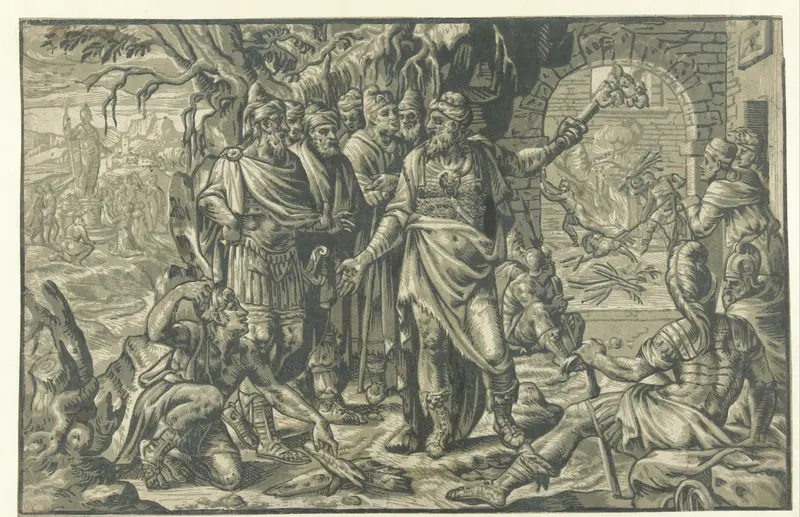
Nebukadnezar werpt de drie jongelingen in de vurige oven
Adriaen Thomasz. Key
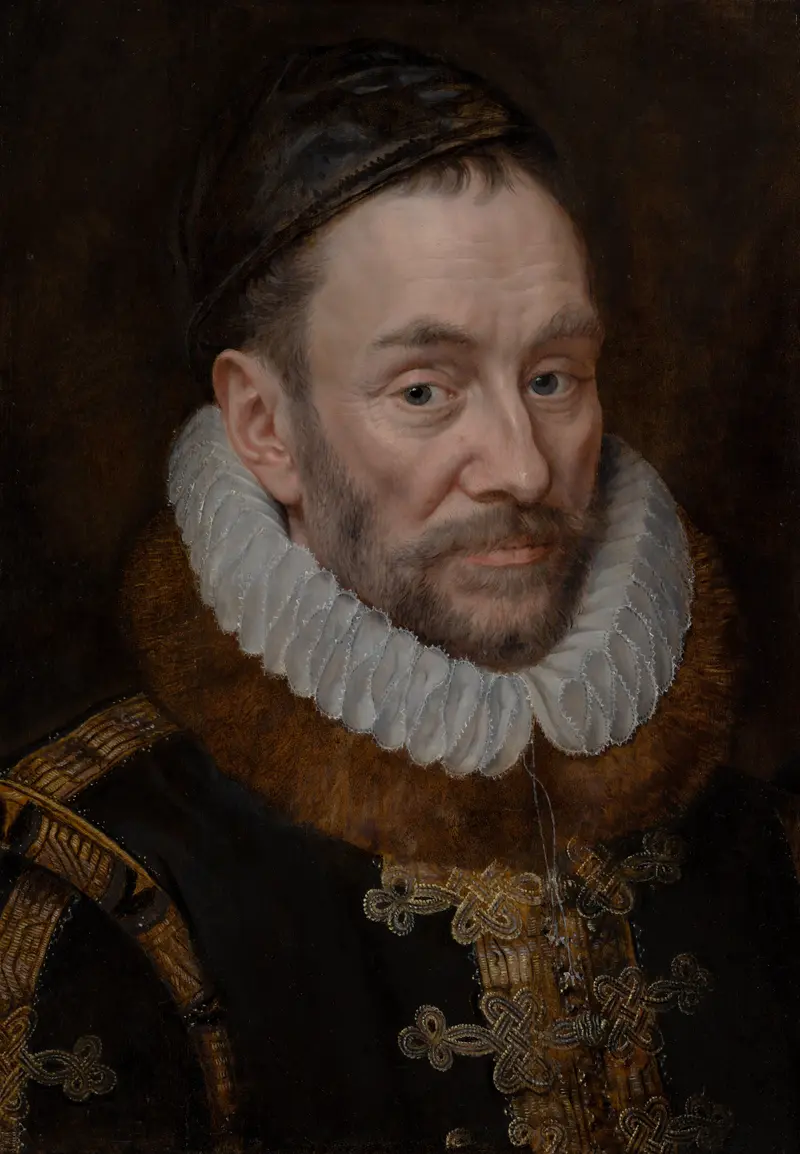
Portrait of William I (1533-1584), Prince of Orange
Adriaen Thomasz. Key
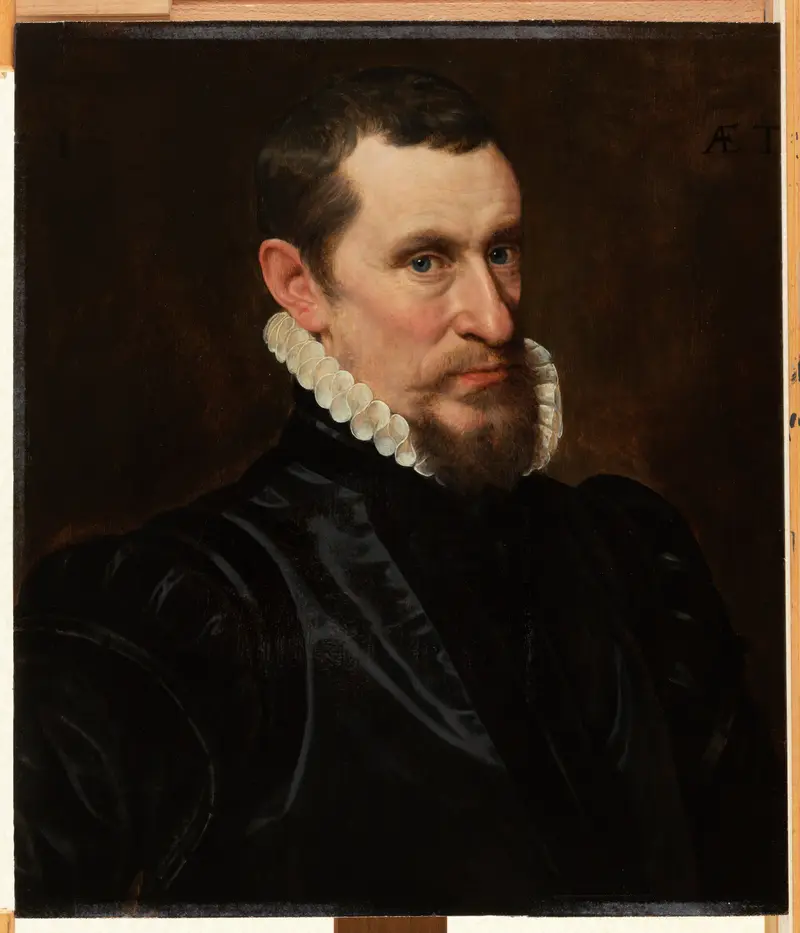
Portrait of Gillis Beys
Adriaen Thomasz. Key
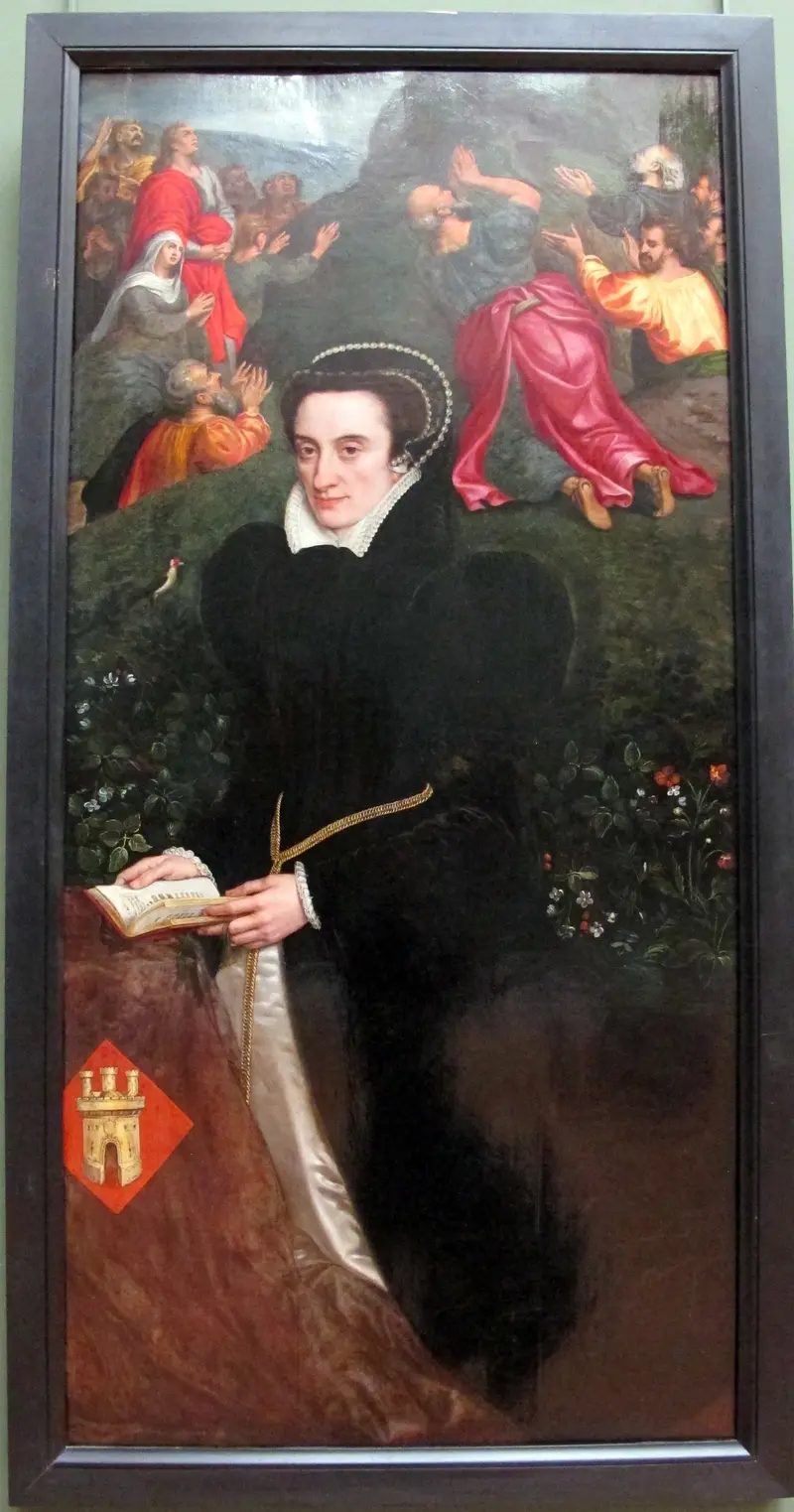
Leonor Lopez de Villanueva, Wife of Antonio del Rio
Adriaen Thomasz. Key
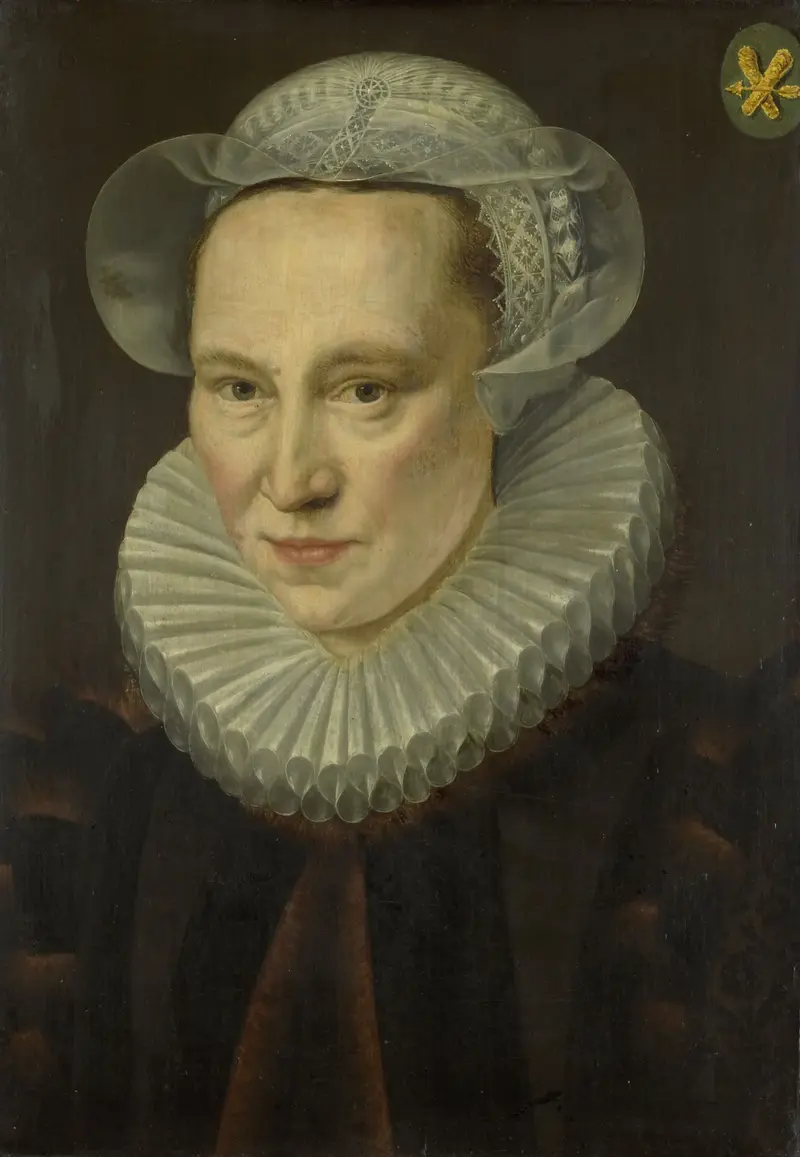
Portrait of Grietje Pietersdr Codde (d. 1607), wife of Jacob Bas
Adriaen Thomasz. Key
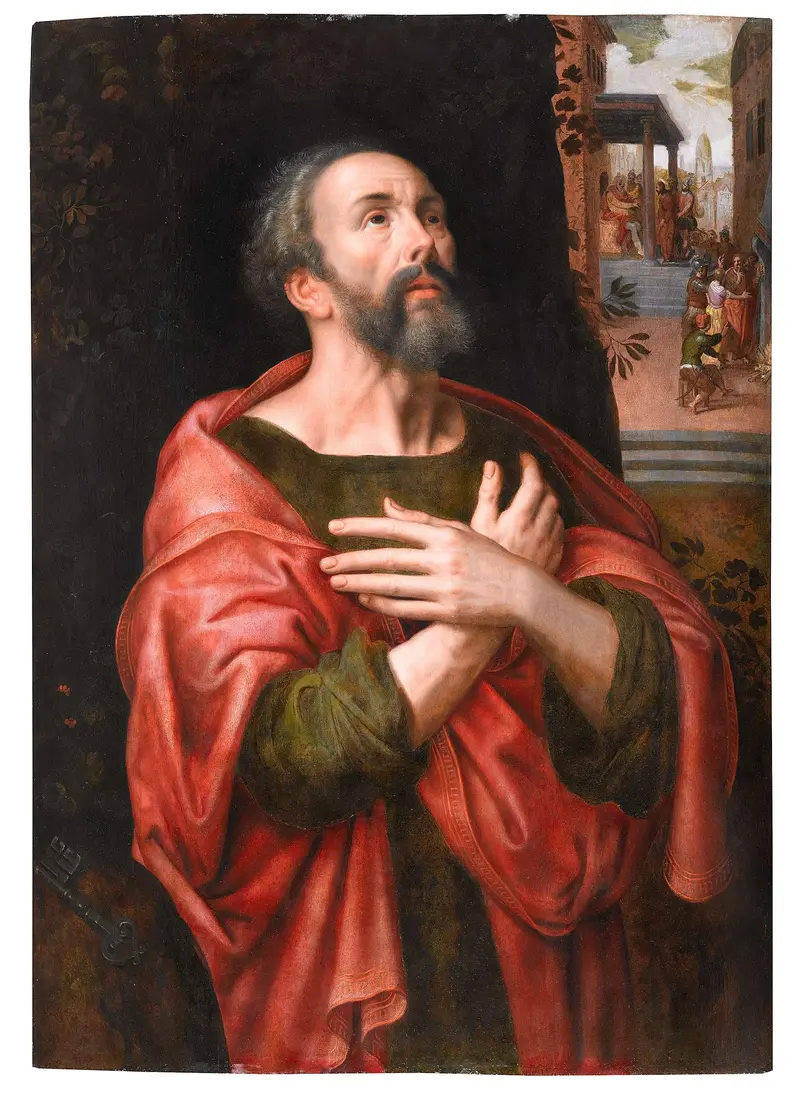
St. Peter Penitent
Adriaen Thomasz. Key
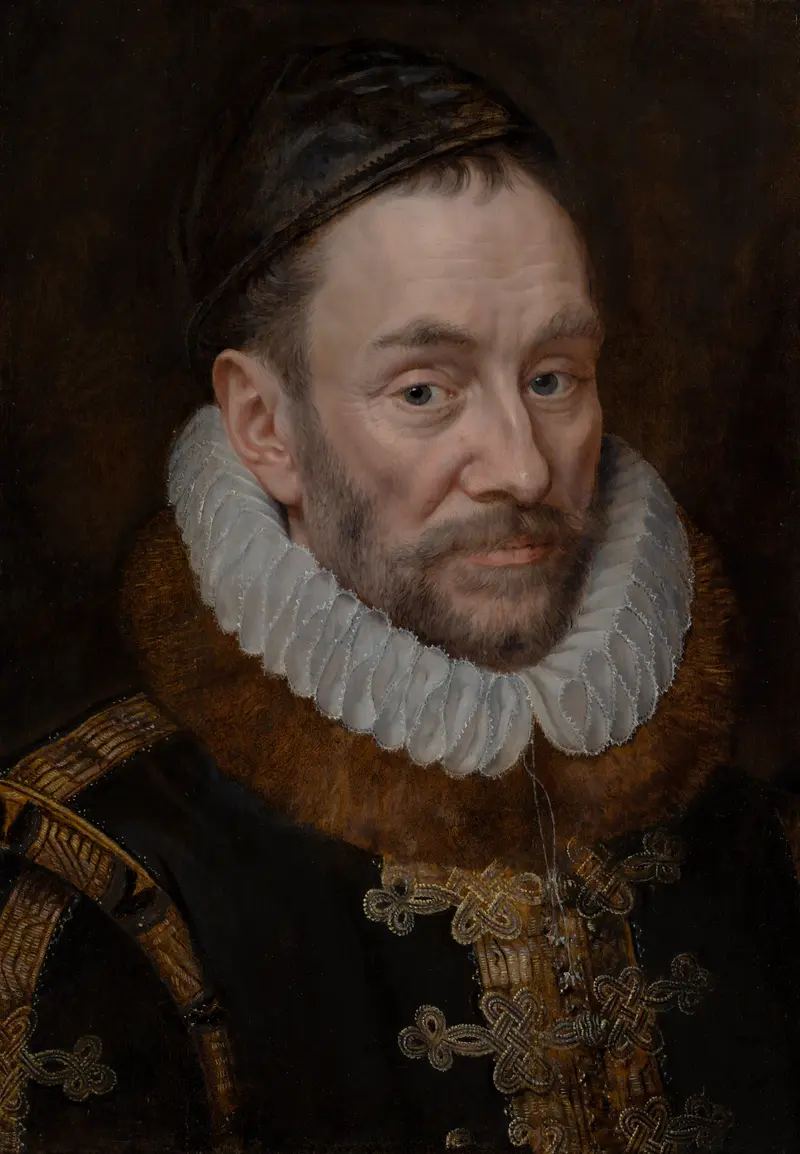
William I, Prince of Orange, known as William the Silent
Adriaen Thomasz. Key
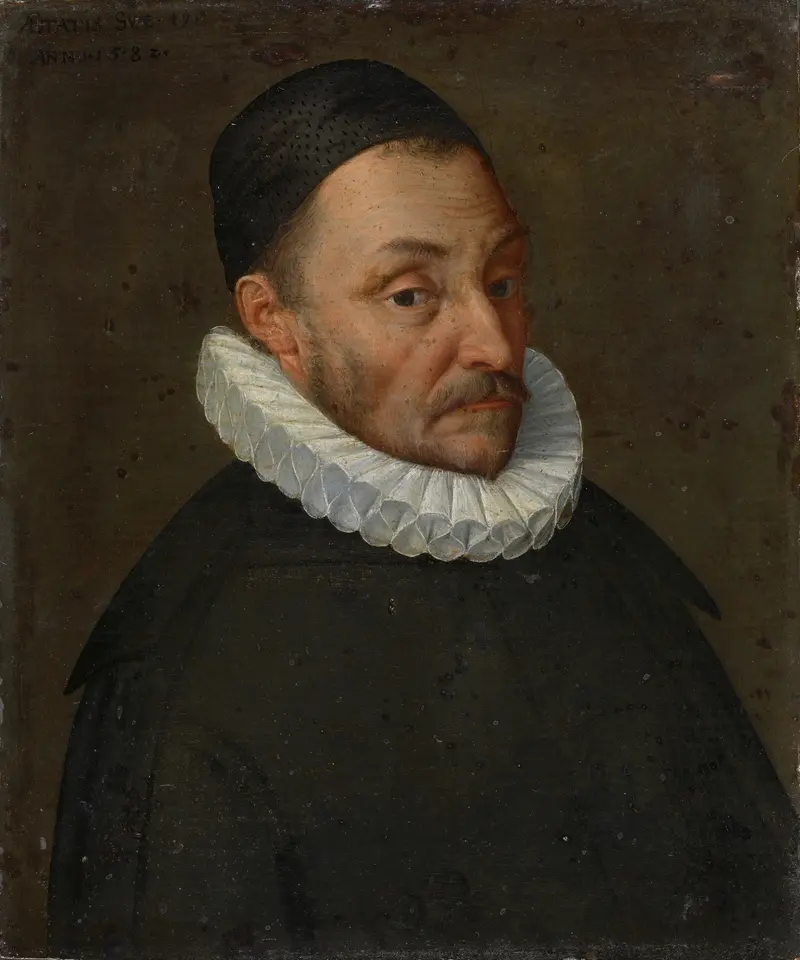
Willem of Orange (1533-1584), leader of the Dutch revolt against Spain
Adriaen Thomasz. Key
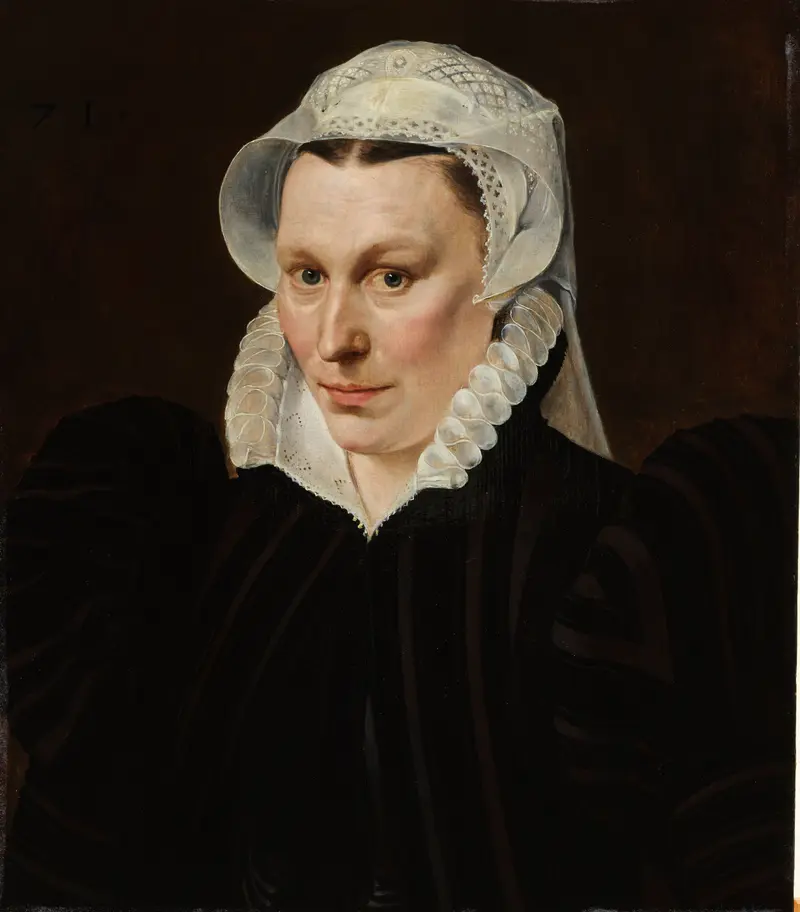
Portrait of Magdalena Plantin
Adriaen Thomasz. Key





