
Portrait of Gillis Beys — History & Facts
What first seizes the eye in Portrait of Gillis Beys is the unwavering, almost challenging gaze of the sitter, set against a background so dark it seems to dissolve into shadow. The ruff at his neck, crisply painted in sharp white, throws his face into sharp relief, guiding our attention to the subtle play of light across his cheekbones and the furrow of his brow. Every detail, from the meticulously rendered folds of his black garment to the slight twist of his body, signals dignity and self-possession.
The sitter’s expression is not one of easy contentment but of alertness, as if he has just been interrupted in thought and is weighing the viewer with quiet scrutiny. The reserved palette, dominated by deep blacks and browns, lets the face emerge as the true field of drama, inviting us to imagine the life behind those steady eyes. Painted in 1571 by Adriaen Thomasz. Key, this portrait belongs to a world on the threshold of the Dutch Golden Age, when the cities of the Low Countries were rising in wealth and self-confidence.
Portraits like this were more than likenesses—they were declarations of status, intellect, and moral fiber, often commissioned by prosperous burghers or professionals eager to assert their place in a changing society. The work now resides in the Museum Plantin-Moretus, a fitting home given the museum’s roots in Antwerp’s vibrant printing and intellectual culture. History has kept few traces of Gillis Beys himself, but the painting’s careful attention to character and costume speaks volumes about the values of its time.
Stand before it and let your own gaze meet his, and you may sense the quiet ambitions of a city—and a sitter—on the rise.
More Artworks by Adriaen Thomasz. Key
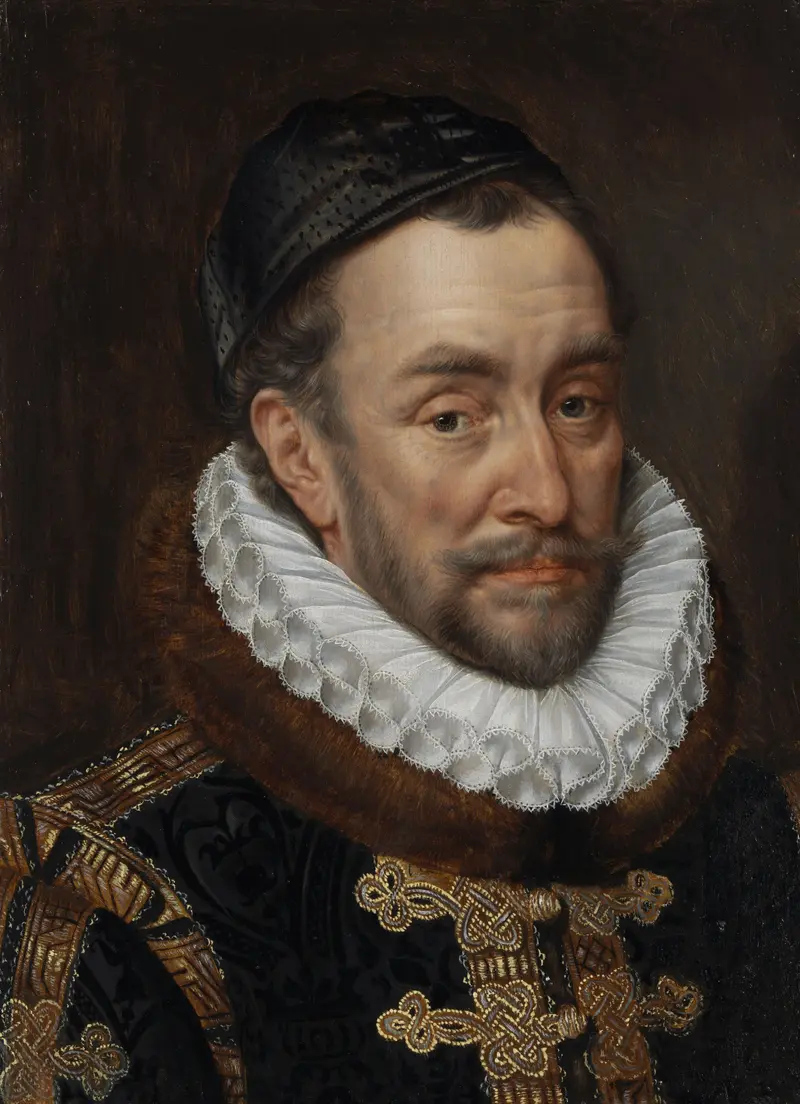
Portrait of William I, Prince of Orange
Adriaen Thomasz. Key
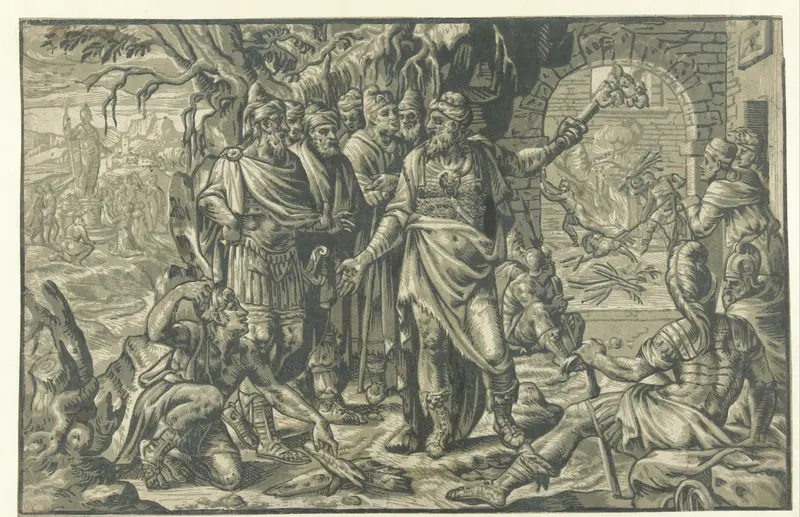
Nebukadnezar werpt de drie jongelingen in de vurige oven
Adriaen Thomasz. Key
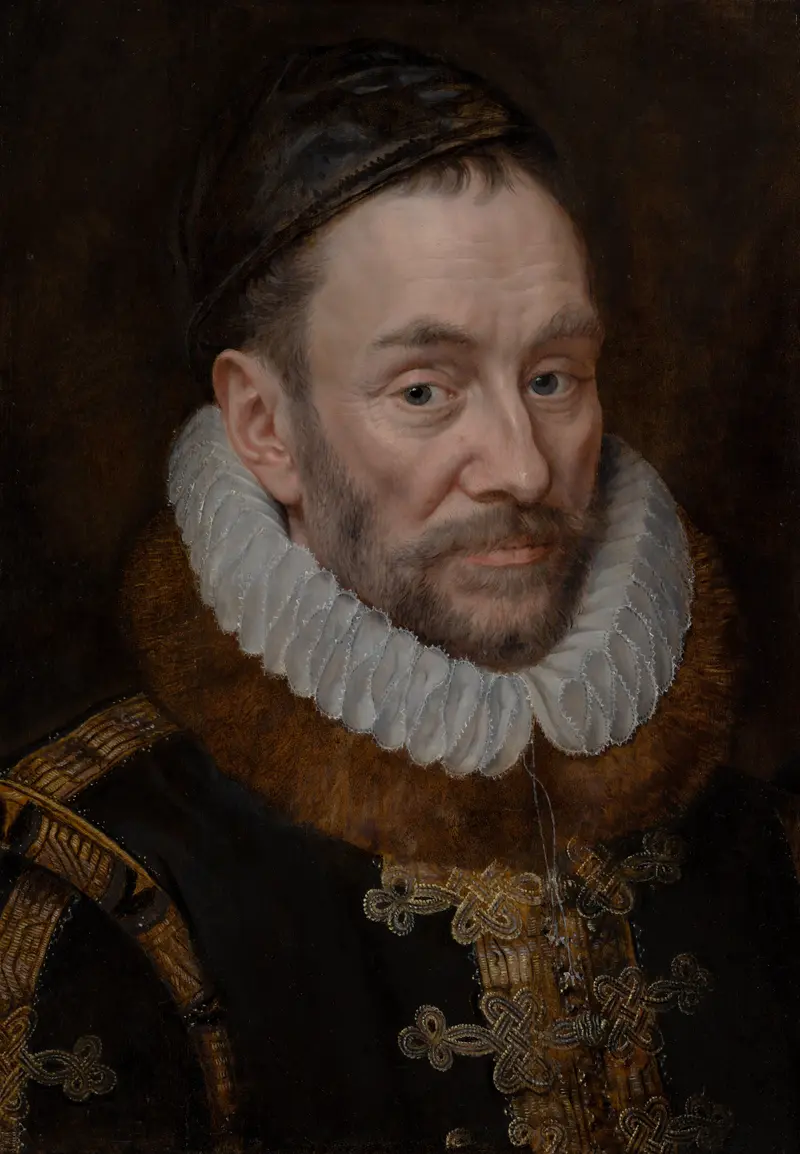
Portrait of William I (1533-1584), Prince of Orange
Adriaen Thomasz. Key
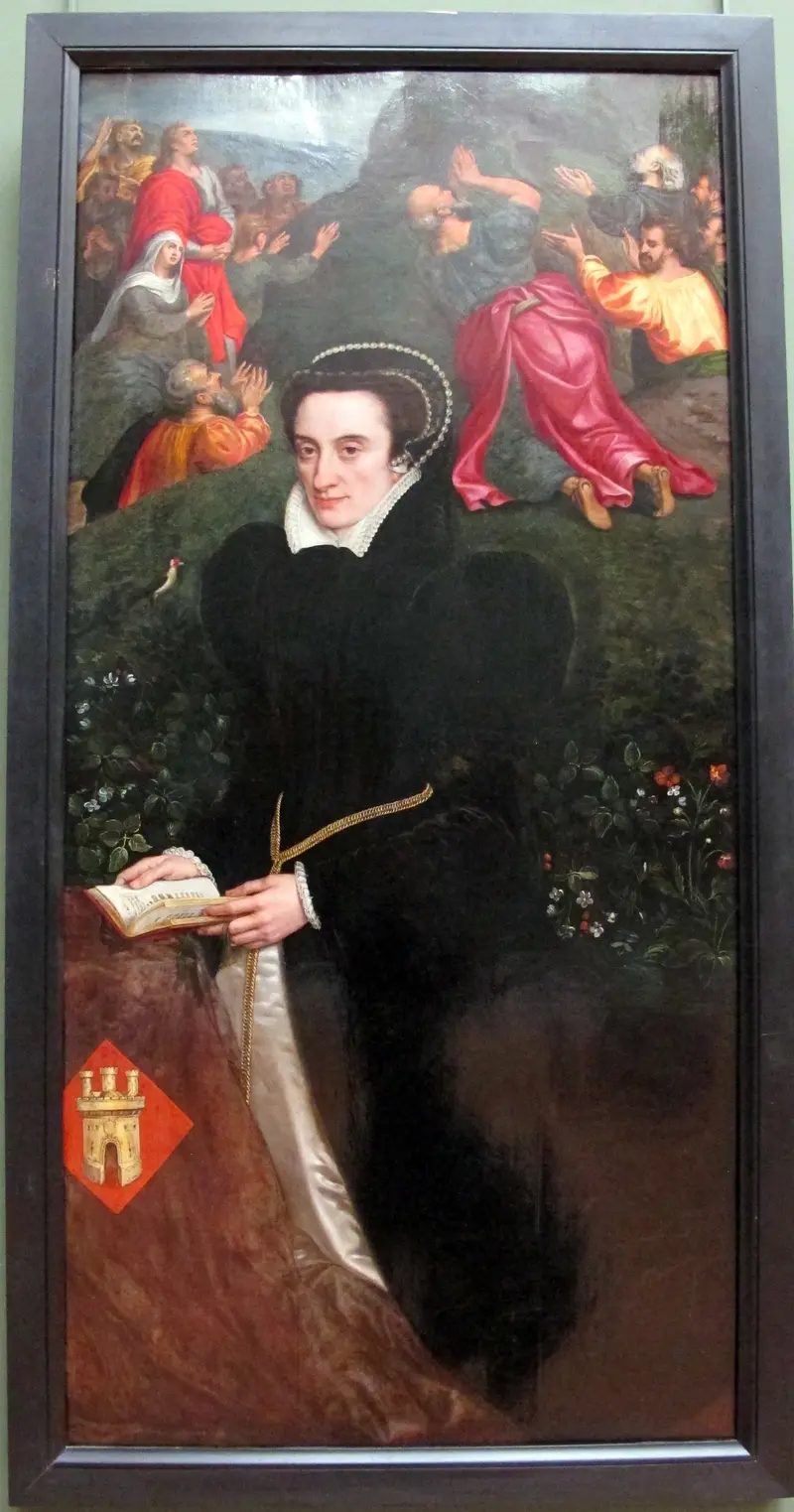
Leonor Lopez de Villanueva, Wife of Antonio del Rio
Adriaen Thomasz. Key
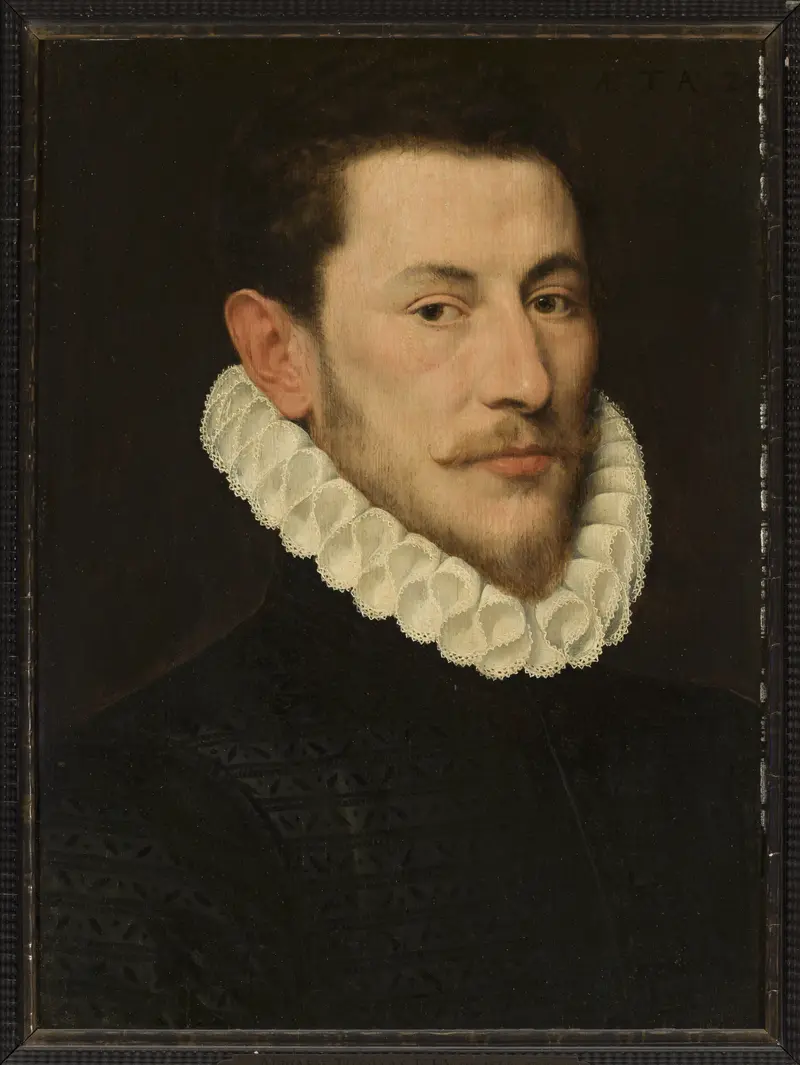
Portrait of a young man
Adriaen Thomasz. Key
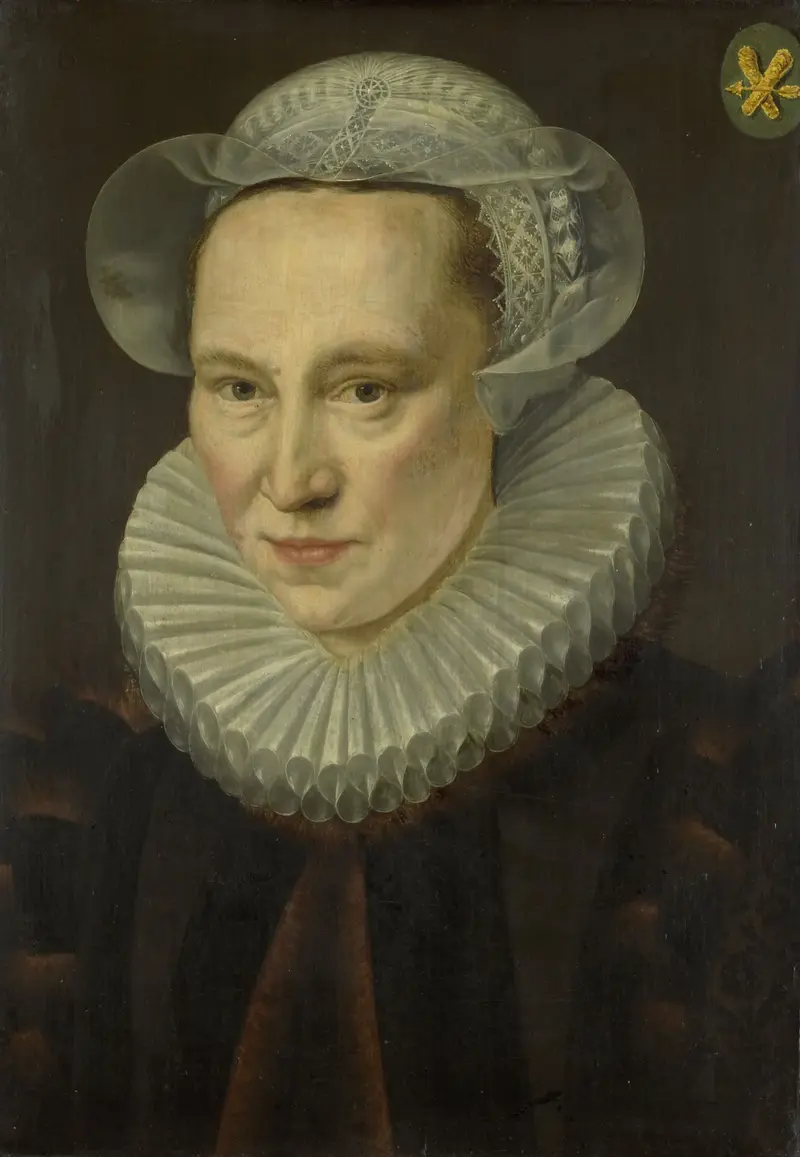
Portrait of Grietje Pietersdr Codde (d. 1607), wife of Jacob Bas
Adriaen Thomasz. Key
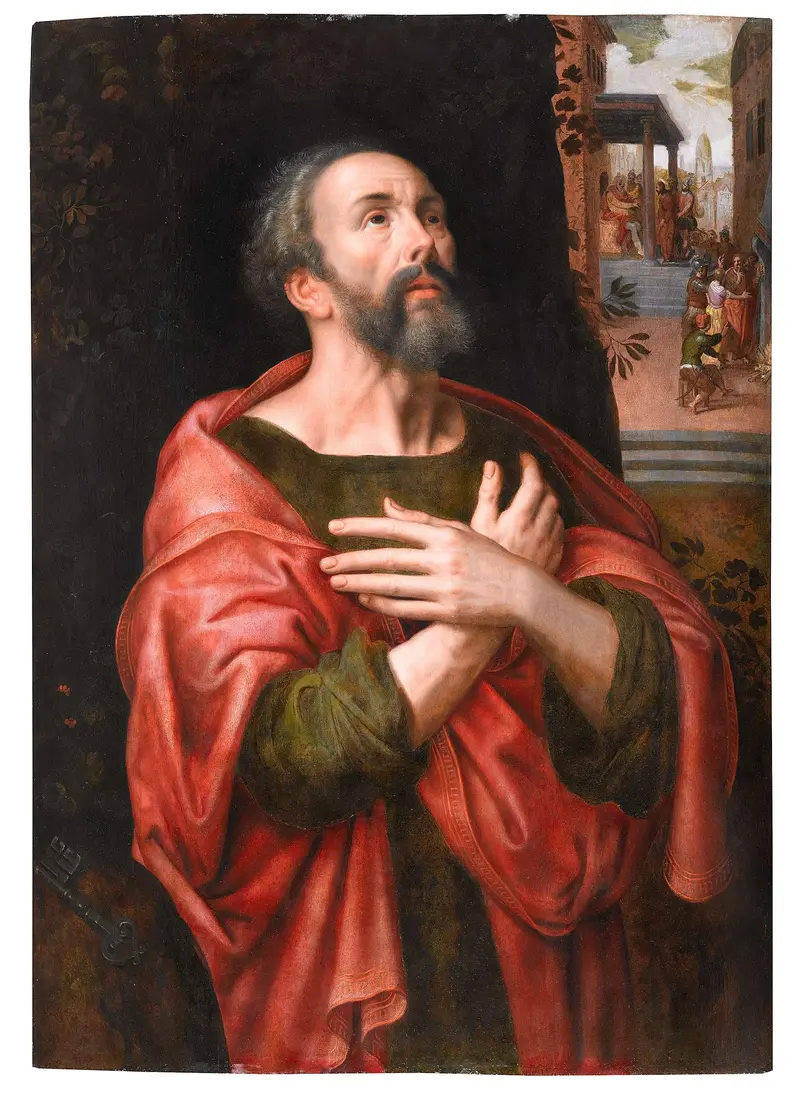
St. Peter Penitent
Adriaen Thomasz. Key
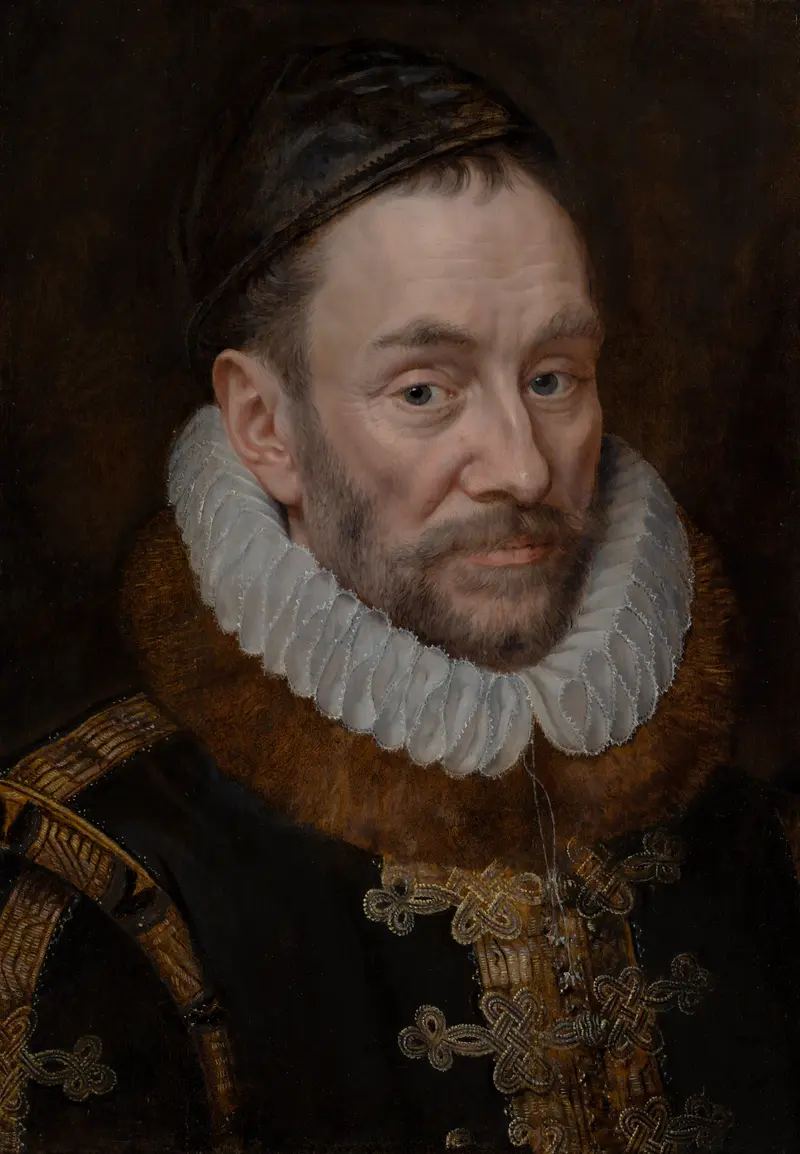
William I, Prince of Orange, known as William the Silent
Adriaen Thomasz. Key
Willem of Orange (1533-1584), leader of the Dutch revolt against Spain
Adriaen Thomasz. Key
Portrait of Magdalena Plantin
Adriaen Thomasz. Key





