
William I, Prince of Orange, known as William the Silent — History & Facts
What first grips the viewer here is the direct, almost conspiratorial gaze of the sitter—an expression that seems to weigh the viewer as much as the viewer studies him. The light falls with precision, catching the crisp folds of the ruff and the glint of gold embroidery, but it is the eyes that hold command. There is a subtle asymmetry to the mouth, a suggestion of guarded wit or perhaps the burden of unspoken thoughts.
Every detail—the careful rendering of beard, the velvet cap, the intricate costume—signals rank and self-possession, yet the palette remains sober, the background a void that presses the face forward into our space. This portrait by Adriaen Thomasz. Key, painted in 1579, belongs to a world where likeness was more than vanity: it was a declaration of status, allegiance, and memory. In the late sixteenth century, such images were often commissioned by powerful families or civic bodies keen to assert their place in a shifting political landscape.
The sober yet intricate style is a hallmark of Netherlandish portraiture, where painters like Key balanced psychological presence with a meticulous attention to surface. Now in the Museo Thyssen-Bornemisza, this work stands as a testament to an era when the face of a leader was both a symbol and a cipher—inviting us to look closer, and wonder what remains unsaid.
More Artworks by Adriaen Thomasz. Key
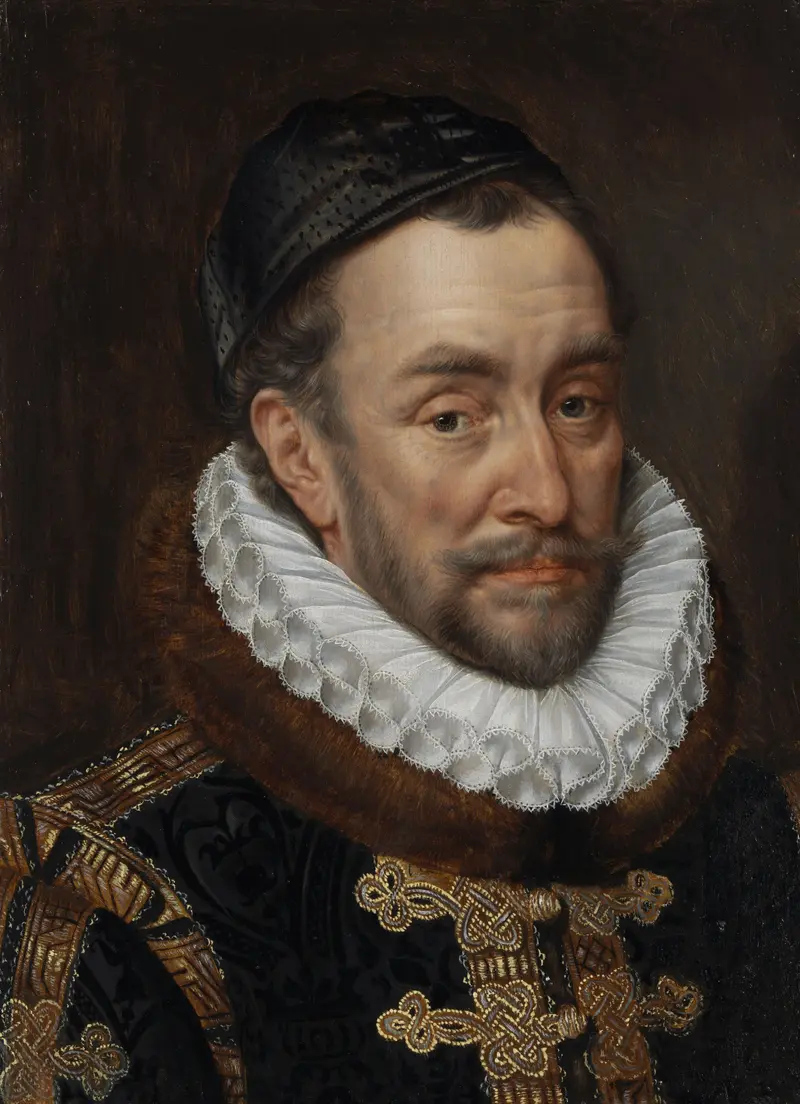
Portrait of William I, Prince of Orange
Adriaen Thomasz. Key
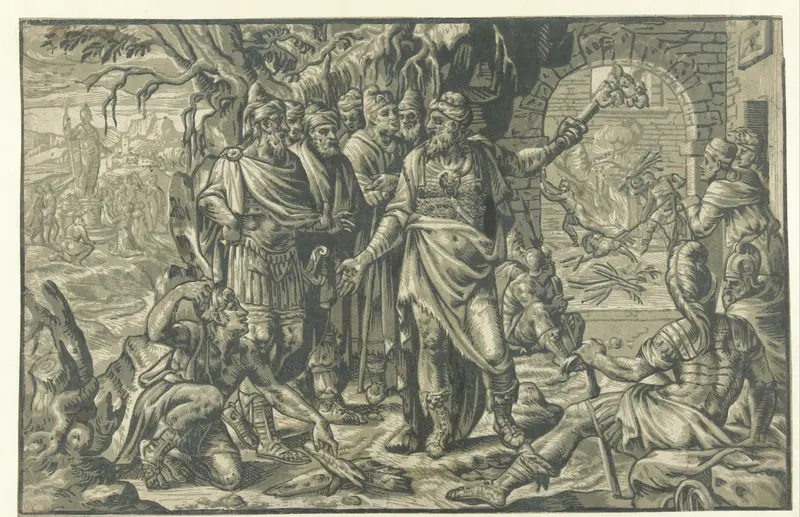
Nebukadnezar werpt de drie jongelingen in de vurige oven
Adriaen Thomasz. Key
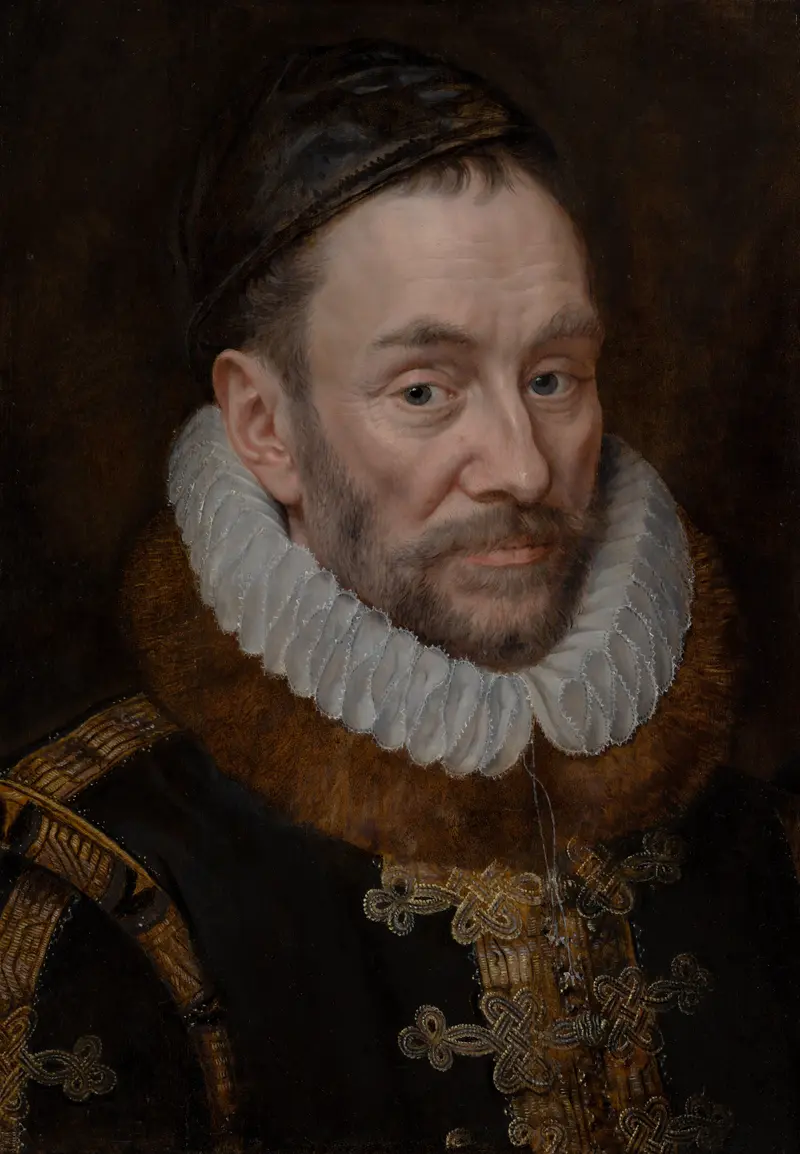
Portrait of William I (1533-1584), Prince of Orange
Adriaen Thomasz. Key
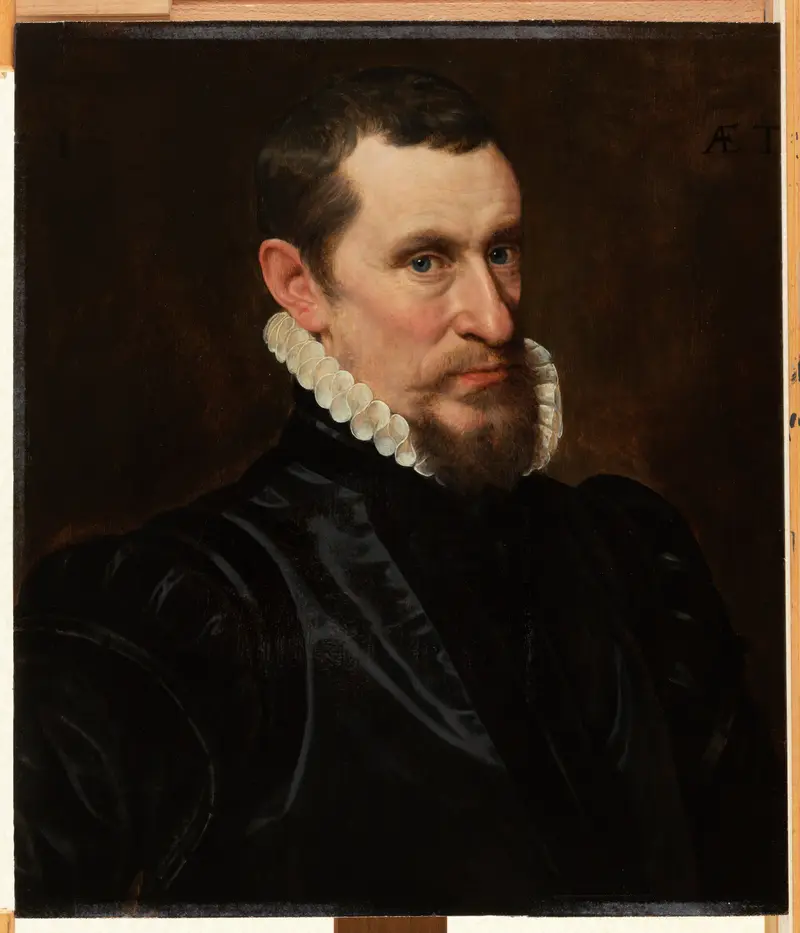
Portrait of Gillis Beys
Adriaen Thomasz. Key
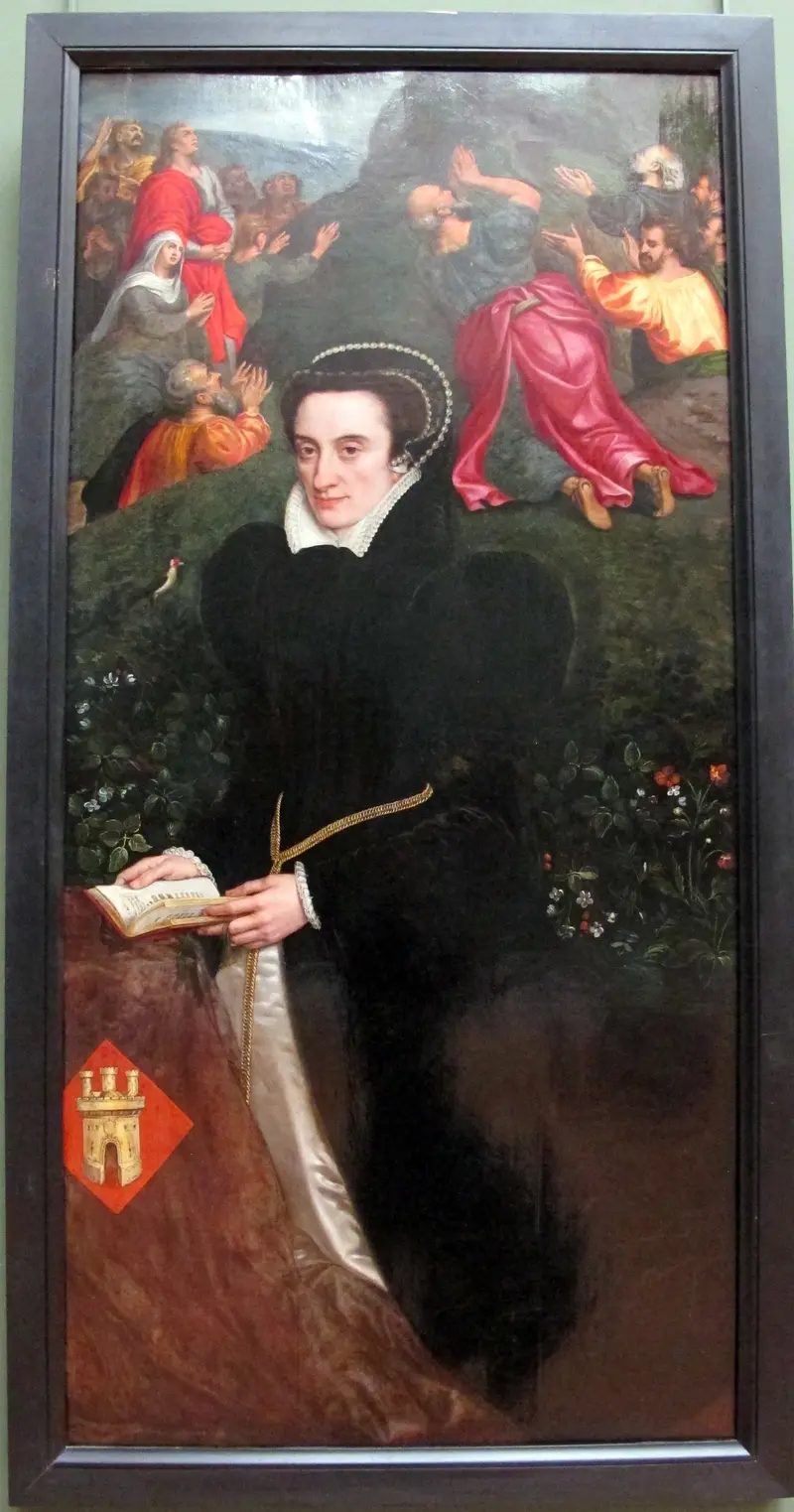
Leonor Lopez de Villanueva, Wife of Antonio del Rio
Adriaen Thomasz. Key
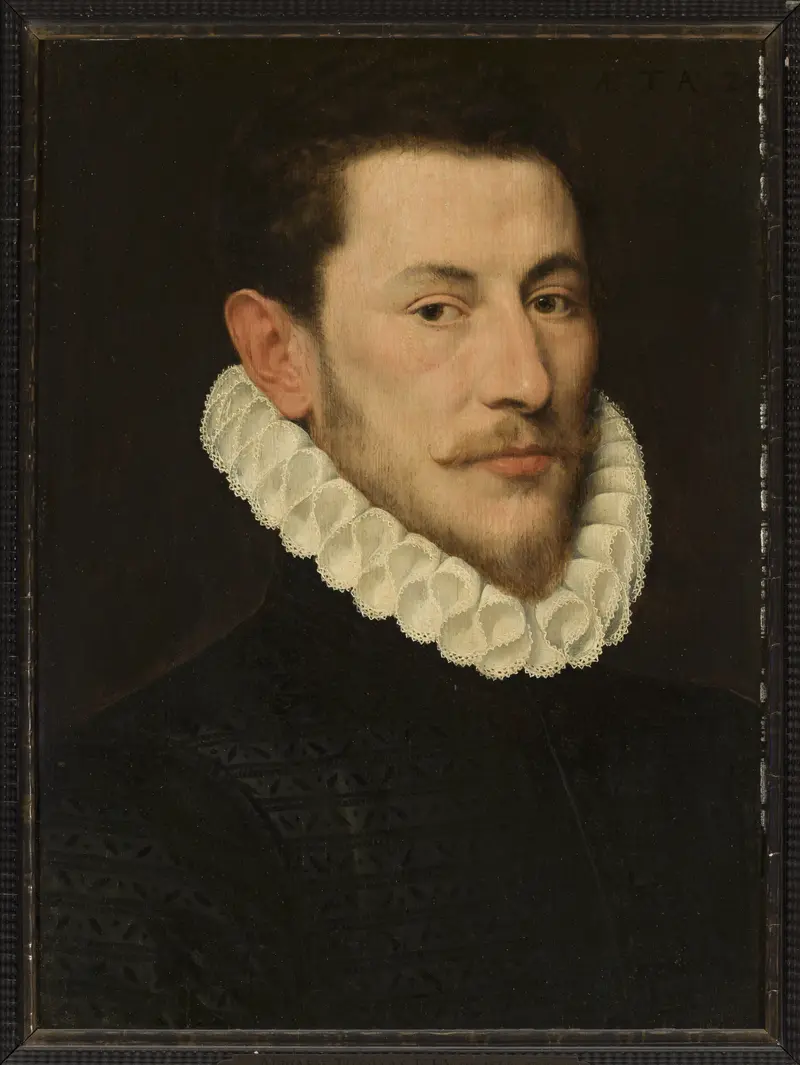
Portrait of a young man
Adriaen Thomasz. Key
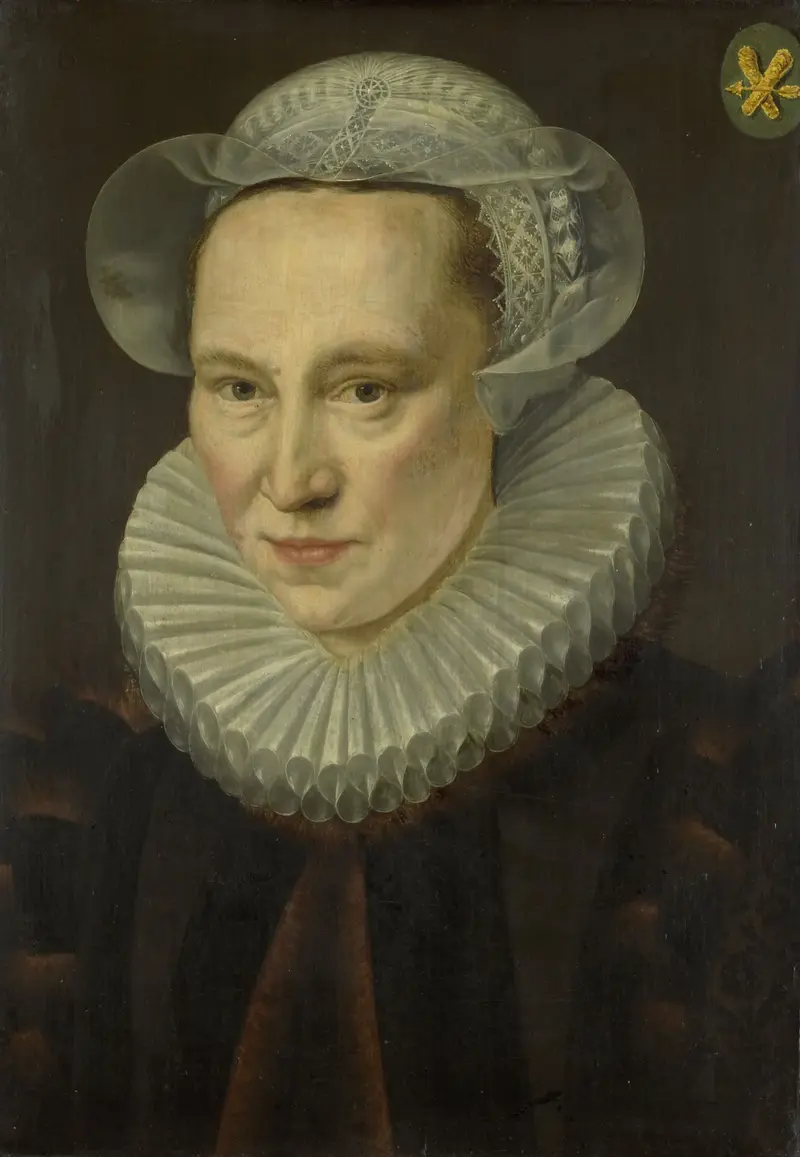
Portrait of Grietje Pietersdr Codde (d. 1607), wife of Jacob Bas
Adriaen Thomasz. Key
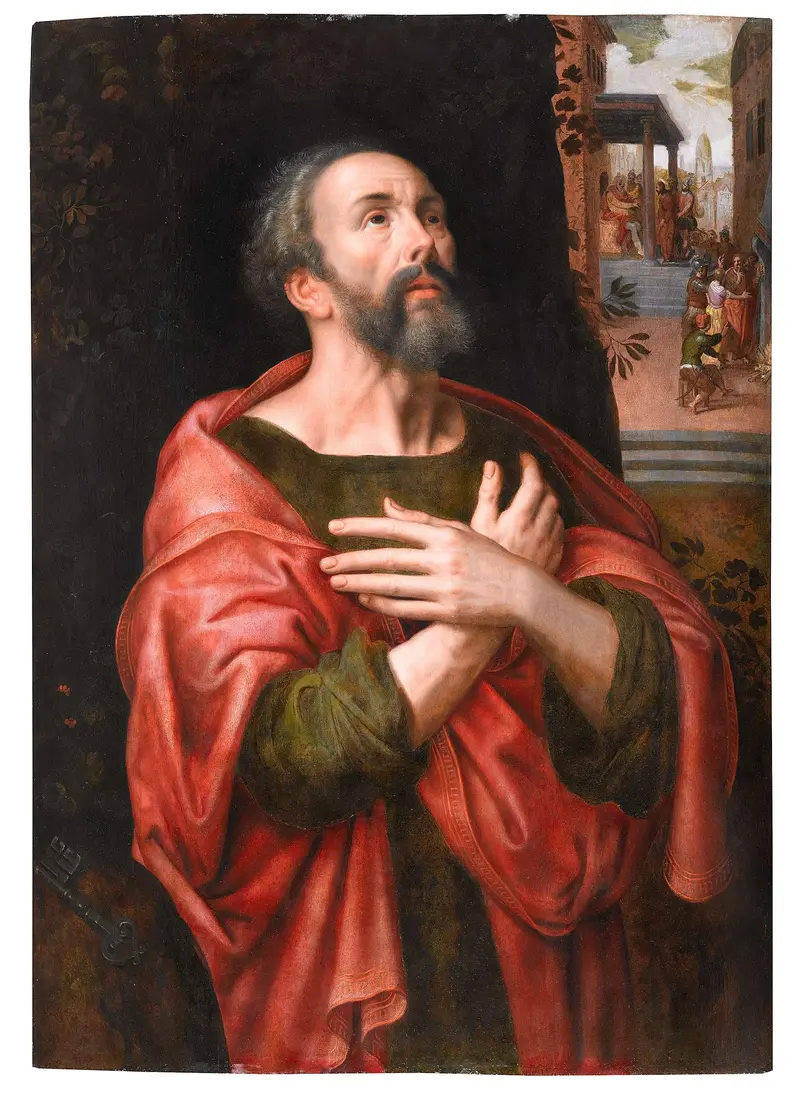
St. Peter Penitent
Adriaen Thomasz. Key
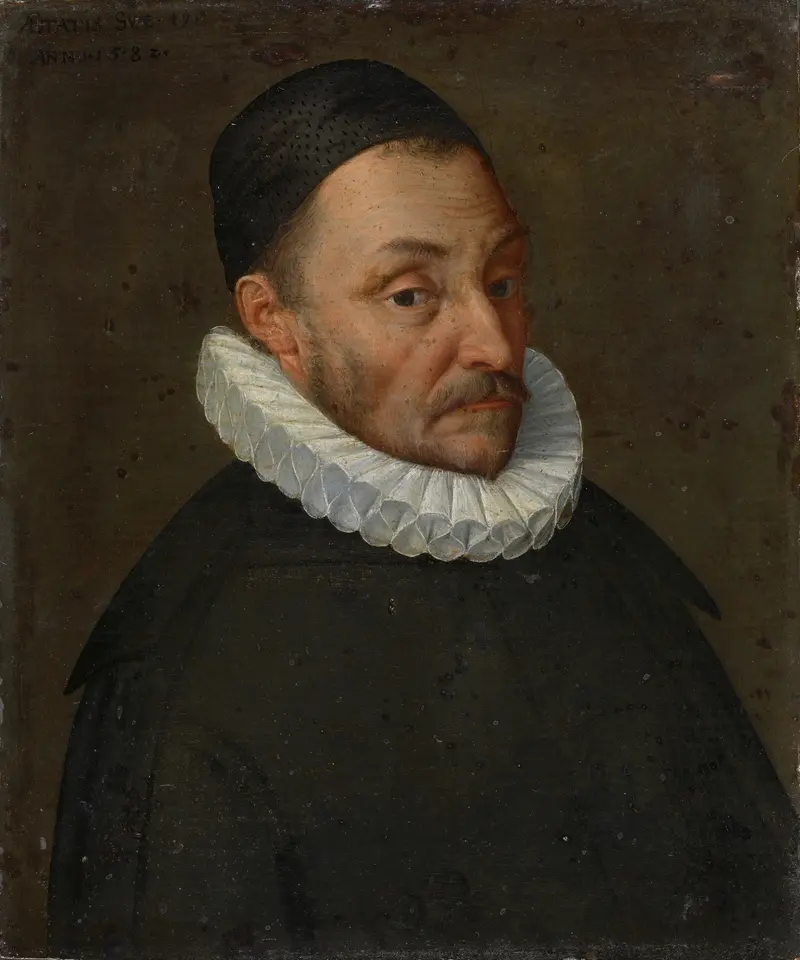
Willem of Orange (1533-1584), leader of the Dutch revolt against Spain
Adriaen Thomasz. Key
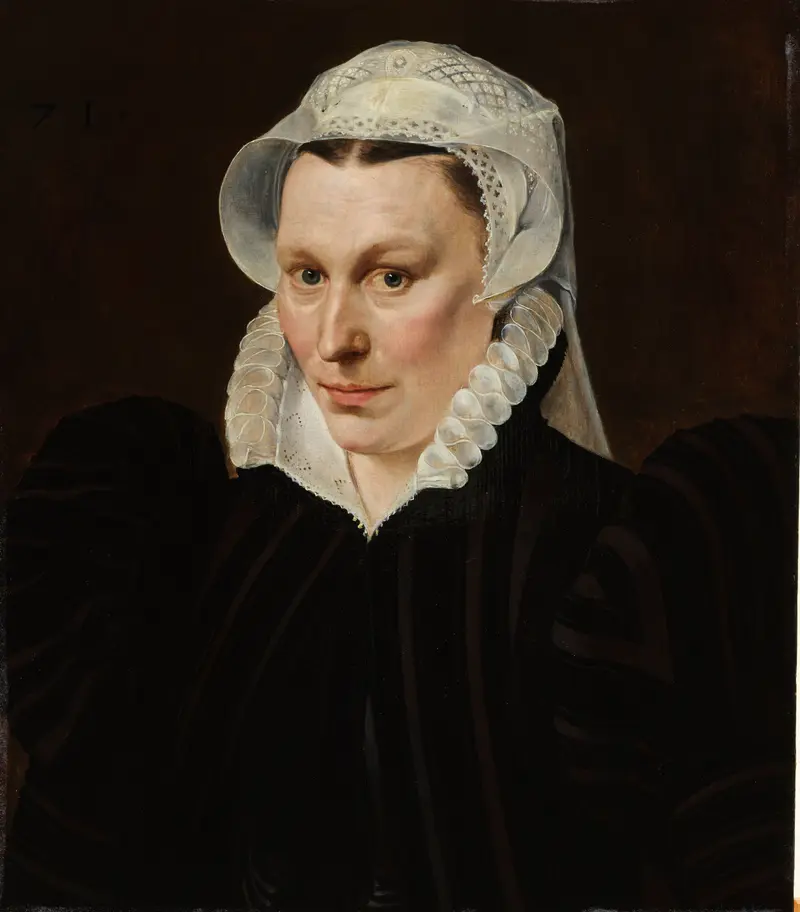
Portrait of Magdalena Plantin
Adriaen Thomasz. Key





