
Ancient Ruins of Athens — History & Facts
In this stillness, profound grief lingers beneath the surface, echoing the weight of history etched into every stone. Look to the center of the canvas where ancient columns rise, their silhouettes sharp against a muted sky. The light, soft and diffused, bathes the ruins in shades of gray and ochre, creating an ethereal atmosphere that draws the viewer in. Notice how the artist’s brushwork captures the texture of the weathered stone, allowing you to feel the passage of time—each stroke a whisper of forgotten stories, a testament to what once was. Beneath the surface lies a poignant contrast: the beauty of the ruins set against their inevitable decay.
The interplay of light and shadow evokes an emotional tension, suggesting both reverence and sorrow. The distant mountains loom in melancholy, framing the scene like a protective embrace, yet they also serve as a reminder of our own transience. This rich tapestry of contrasts invites reflection on loss and the monuments that stand as silent witnesses to human endeavor. In 1925, the artist was immersed in the traditional landscapes of Japan, yet he sought to capture the essence of the ancient world through his travels in Greece.
This period marked a transitional phase in his life, where he began to blend Eastern and Western artistic influences. The global art community was also evolving, with a growing interest in cultural intersections and a deeper appreciation for the narratives woven into historical sites.
More Artworks by Yoshida Hiroshi
Browse all →
Crytomeria Avenue (Sugi Namiki)
Yoshida Hiroshi
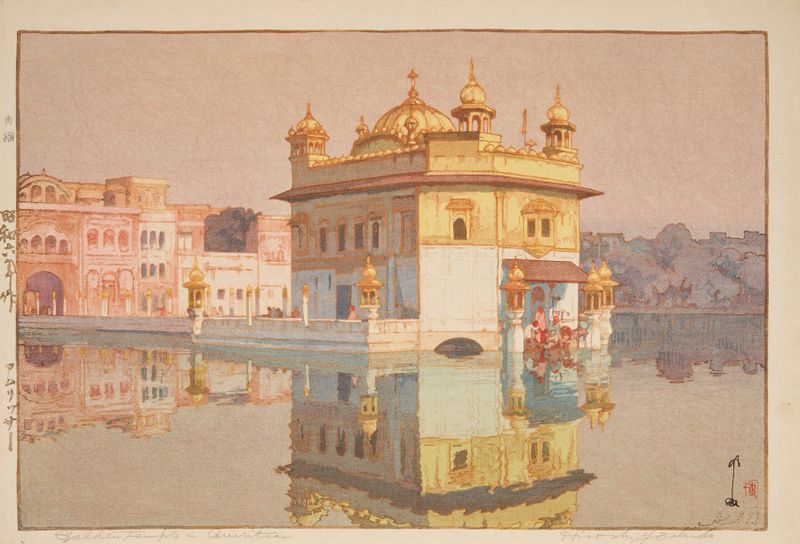
Amurissaa (Golden Temple in Amritsar)
Yoshida Hiroshi

High Gate in Ajmer (Ajumeru no Berenderuwajaa)
Yoshida Hiroshi

Fujiyama from Gotemba
Yoshida Hiroshi
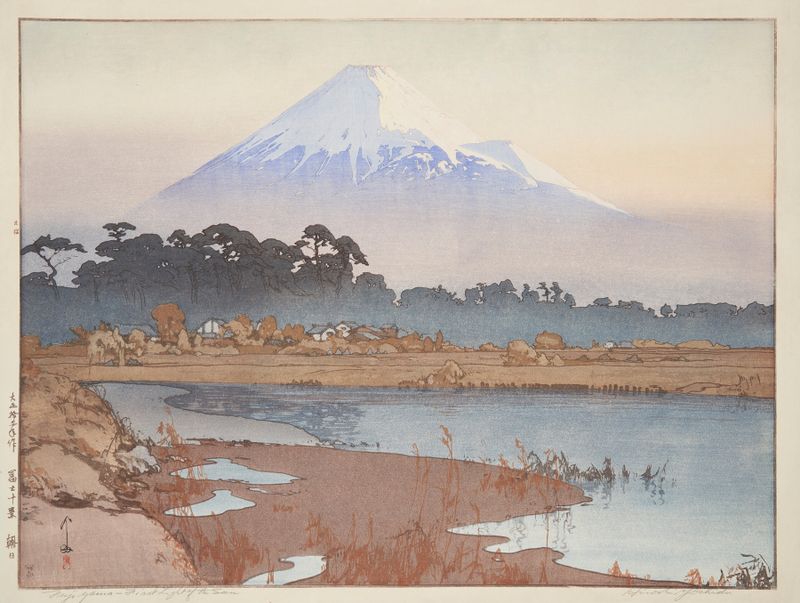
Asahi (Sunrise).
Yoshida Hiroshi
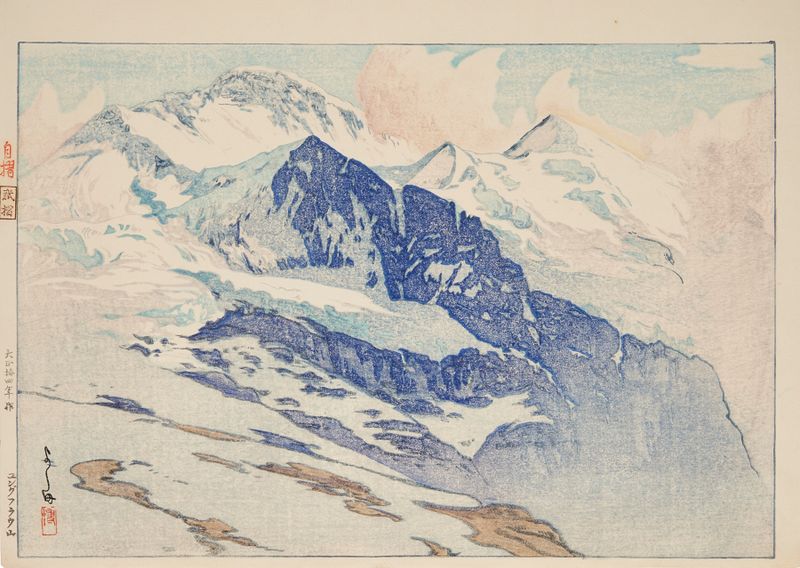
Yungufurau-yama (Jungfrau)
Yoshida Hiroshi
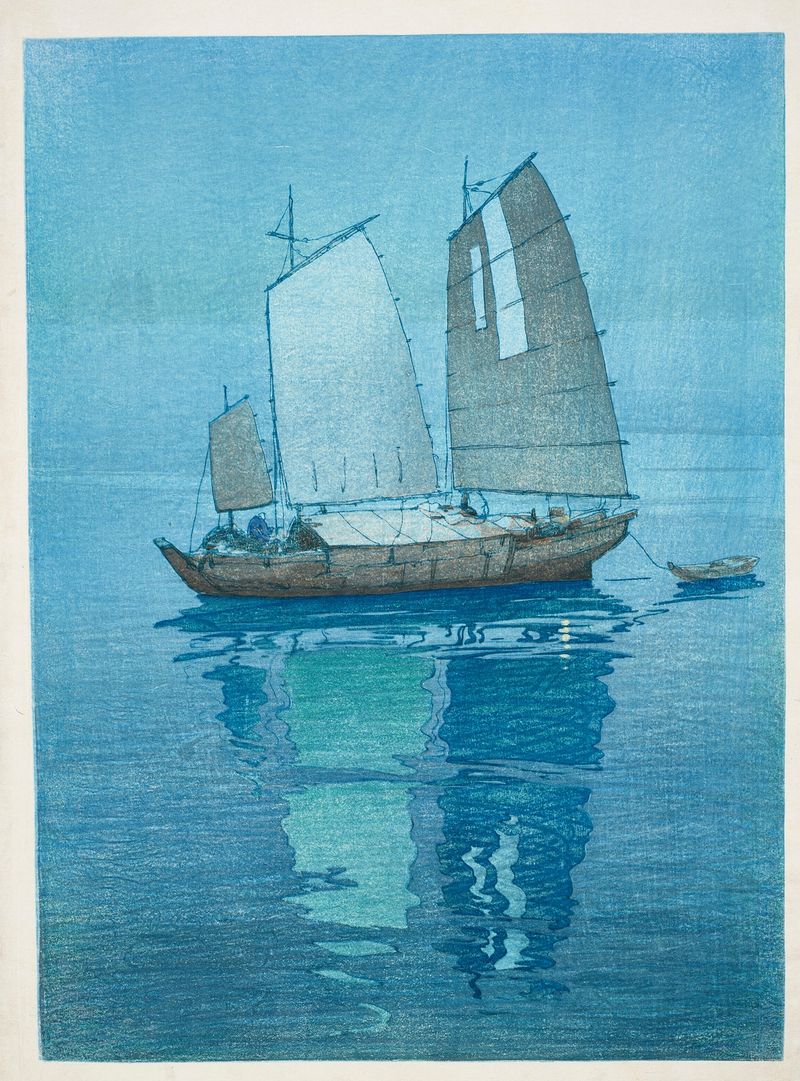
Hansen (Sailing Boats)
Yoshida Hiroshi
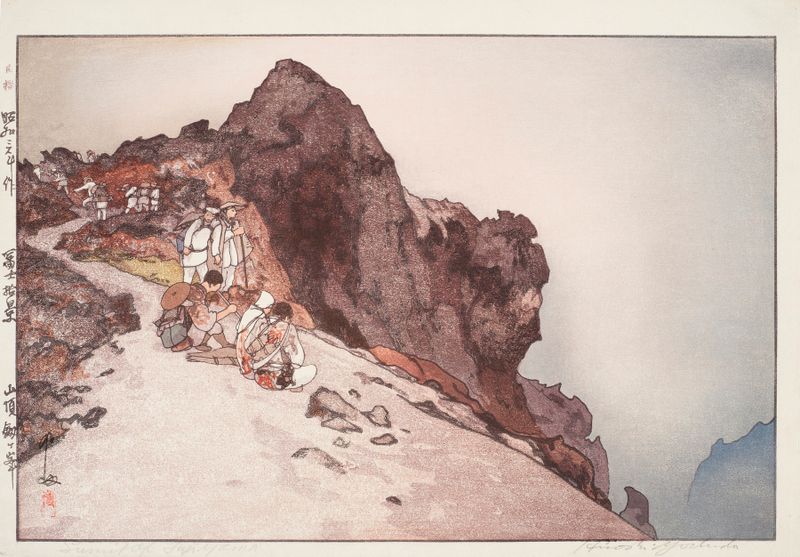
Summit of Mount Fuji
Yoshida Hiroshi

Sailing Boats — Night, from the series ‘The Seto Inland Sea’
Yoshida Hiroshi
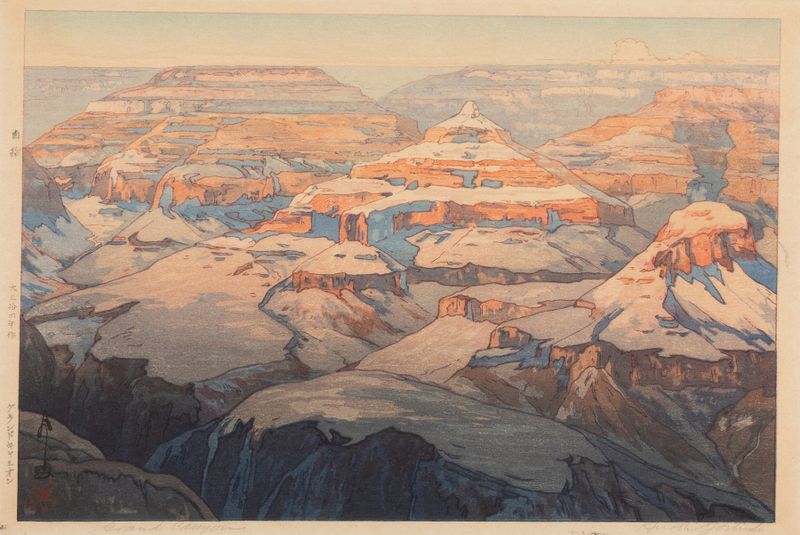
Grand Canyon (Gurando Kyanion)
Yoshida Hiroshi
More Architecture Art
Browse all →
The statue of Liberty
Frédéric Auguste Bartholdi

View of Houses in Delft, Known as ‘The Little Street’
Johannes Vermeer

View of Houses in Delft, Known as ‘The Little Street’
Johannes Vermeer

The Cathedral in Rouen. The portal, Grey Weather
Claude Monet

The yellow house
Vincent van Gogh

The Church in Auvers-sur-Oise, View from the Chevet
Vincent van Gogh