
Ancient Ruins of Athens (Acropolis — Night) — History & Facts
What if Ancient Ruins of Athens (Acropolis — Night was never meant to be finished? Look to the left at the imposing silhouette of the Acropolis, its ancient columns rising against a canvas of deep indigo sky. Notice how the moonlight spills over the ruins, casting soft shadows that dance playfully with the stillness of the night. The subtle gradation of blues and blacks invites the eye to explore the delicate interplay of light and darkness, drawing attention to the ethereal quality of the scene.
Hiroshi’s masterful use of color and form breathes life into a moment frozen in time. In this tranquil portrayal, the viewer is reminded of the deep serenity that envelops historical grandeur. The contrast between the solid, weathered stone and the fleeting light creates a poignant dialogue about permanence and transience. The gentle, almost whisper-like brushstrokes evoke a sense of calm, allowing the viewer to contemplate the passage of time and the echoes of history within the ruins.
The moon, a silent guardian of the past, softly illuminates the crumbling columns, suggesting a connection between the ancient and the present. Yoshida Hiroshi painted Ancient Ruins of Athens (Acropolis — Night) in 1925, during a period of reflection and exploration in his career. At that time, he was deeply involved in his pursuit of landscapes and traditional subjects, aiming to blend Western techniques with Japanese aesthetics. The world was also undergoing significant change, with the aftermath of World War I shaping artistic expressions around the globe.
Hiroshi’s work became a bridge between cultures, as he explored the beauty of ancient sites through a modern lens, encapsulating both reverence and innovation.
More Artworks by Yoshida Hiroshi
Browse all →
Crytomeria Avenue (Sugi Namiki)
Yoshida Hiroshi
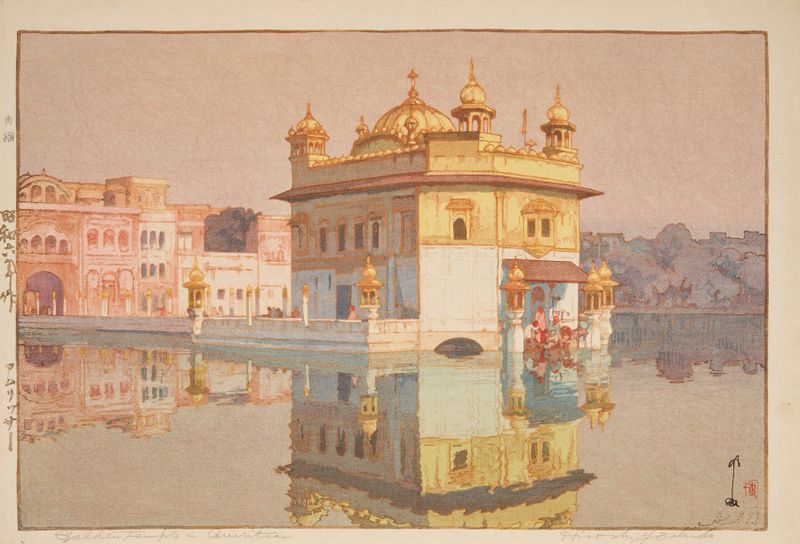
Amurissaa (Golden Temple in Amritsar)
Yoshida Hiroshi

High Gate in Ajmer (Ajumeru no Berenderuwajaa)
Yoshida Hiroshi

Fujiyama from Gotemba
Yoshida Hiroshi
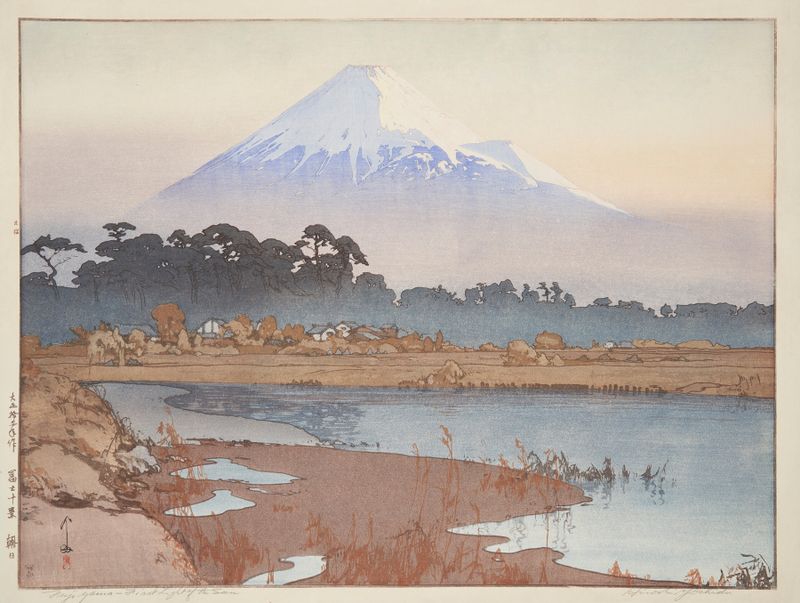
Asahi (Sunrise).
Yoshida Hiroshi
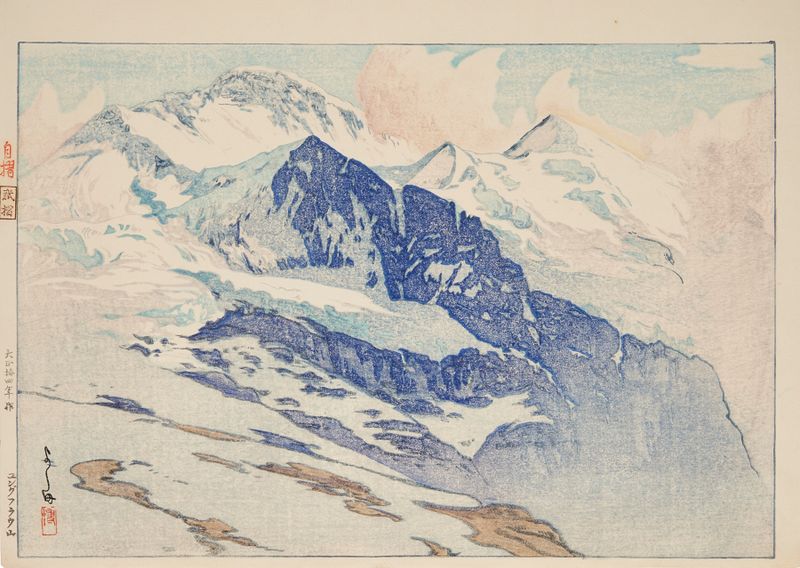
Yungufurau-yama (Jungfrau)
Yoshida Hiroshi
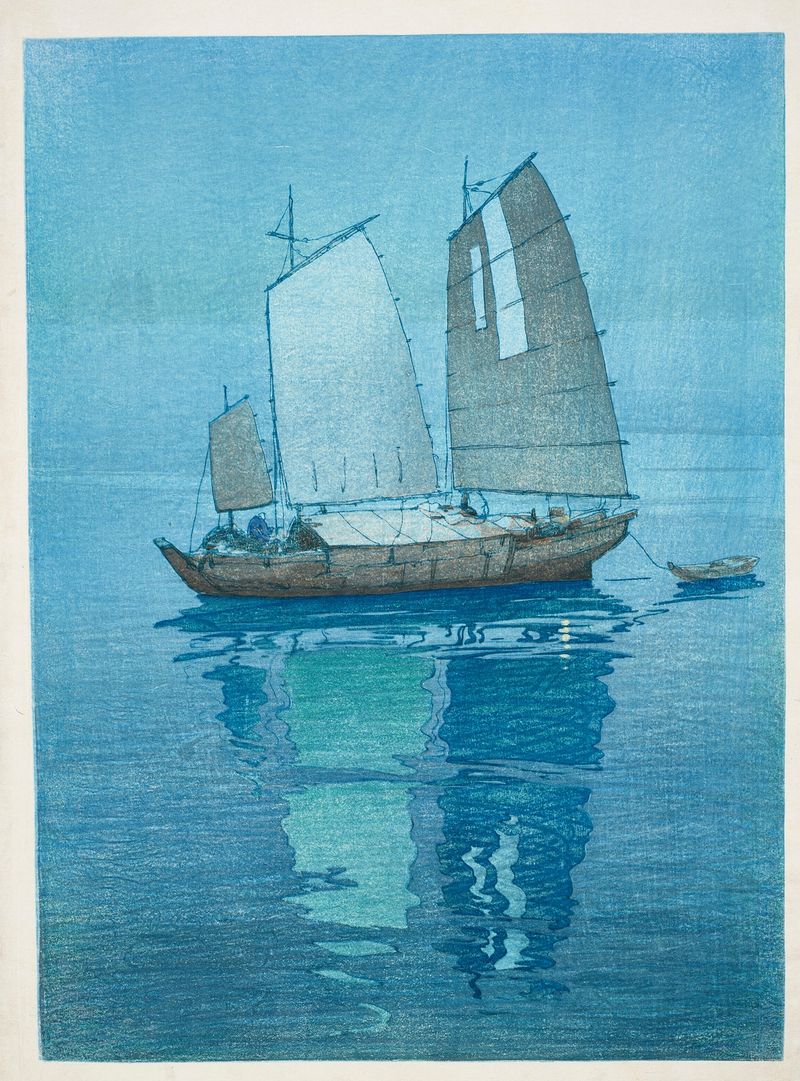
Hansen (Sailing Boats)
Yoshida Hiroshi
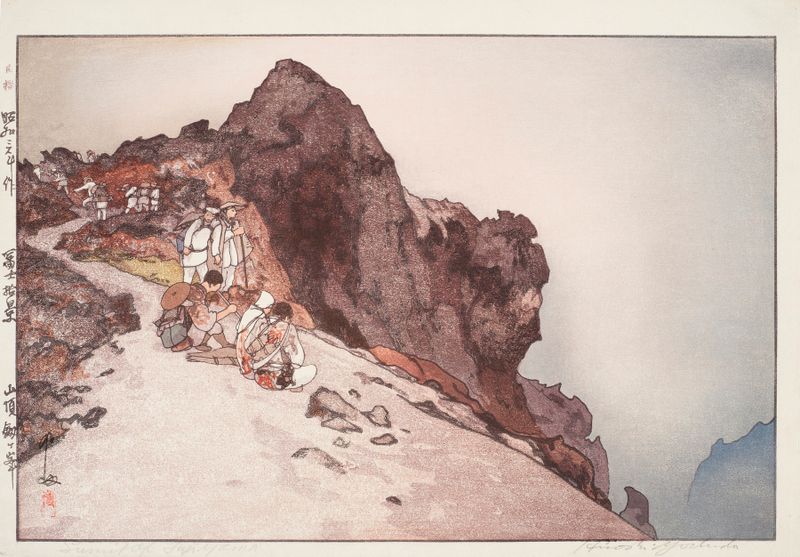
Summit of Mount Fuji
Yoshida Hiroshi

Sailing Boats — Night, from the series ‘The Seto Inland Sea’
Yoshida Hiroshi
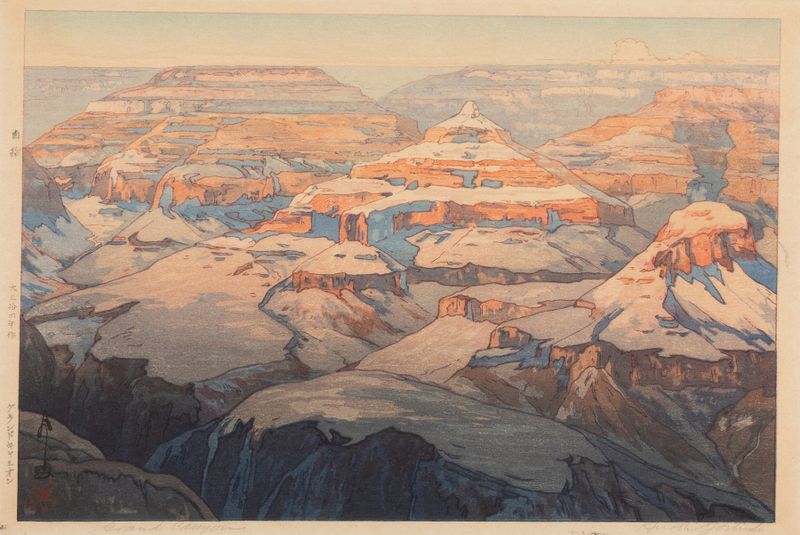
Grand Canyon (Gurando Kyanion)
Yoshida Hiroshi
More Architecture Art
Browse all →
The statue of Liberty
Frédéric Auguste Bartholdi

View of Houses in Delft, Known as ‘The Little Street’
Johannes Vermeer

View of Houses in Delft, Known as ‘The Little Street’
Johannes Vermeer

The Cathedral in Rouen. The portal, Grey Weather
Claude Monet

The yellow house
Vincent van Gogh

The Church in Auvers-sur-Oise, View from the Chevet
Vincent van Gogh