
Anmeldelse til konfirmasjon — History & Facts
A shaft of daylight slices through the wooden interior, catching on the yellow loaf that a young boy presents with both hands, his face half-turned in nervous anticipation. The real drama unfolds in the subtle choreography of glances and gestures: the boy’s hesitant step, the woman’s gentle push at his back, and the expectant gaze of the seated man, who tips his head as if straining to hear or see more clearly. Every object in the room—the sturdy furniture, the family portraits, the scattered documents—grounds the scene in the rituals of rural life, while the open door hints at a world just outside this moment of reckoning.
The palette is warm but muted, drawing the eye from the golden bread to the white papers on the desk, then to the faces and hands that animate the story. Painted in 1846, Anmeldelse til konfirmasjon by Adolph Tidemand belongs to a tradition of nineteenth-century genre painting that sought to capture the customs and quiet dramas of everyday people. In Scandinavia, such works often marked moments of transition—here, likely a formal visit or examination tied to the Lutheran rite of confirmation, a passage from childhood to adult responsibility. These images were prized by collectors and national museums for their ability to assert a shared identity rooted in rural tradition, even as industrialization and urbanization began to reshape society.
Today, the painting resides in the National Museum of Art, Architecture and Design, a reminder that history is built as much from small acts and anxious glances as from grand events. Let your eye linger on the details: each one is a clue to a world both distant and familiar.
More Artworks by Adolph Tidemand

Bridal Procession on the Hardangerfjord
Adolph Tidemand
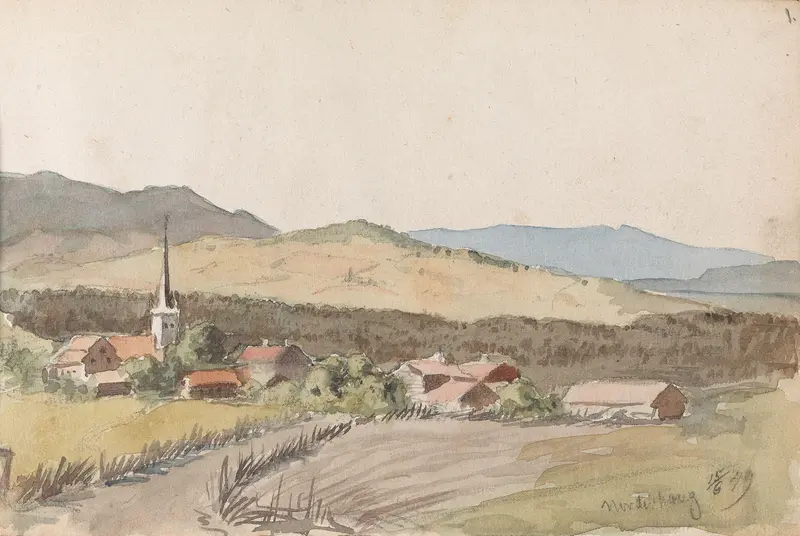
Fra Haugsbygd
Adolph Tidemand
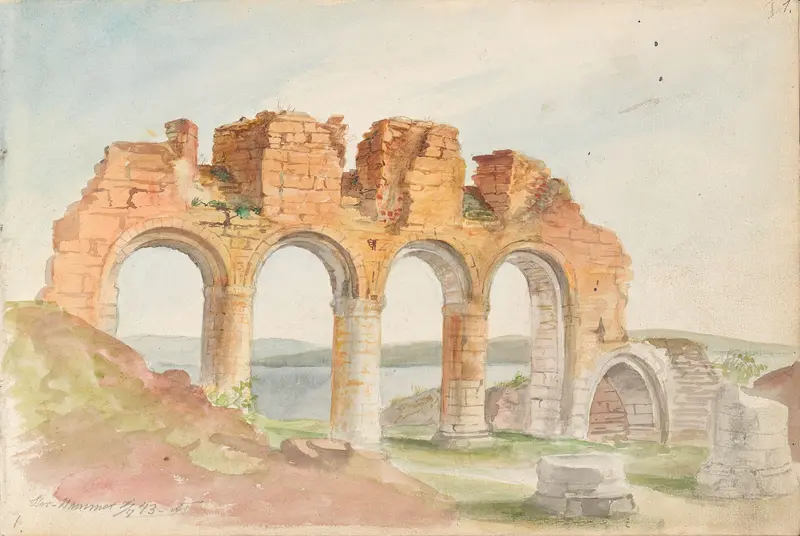
Domkirkeruinen, Hamar
Adolph Tidemand
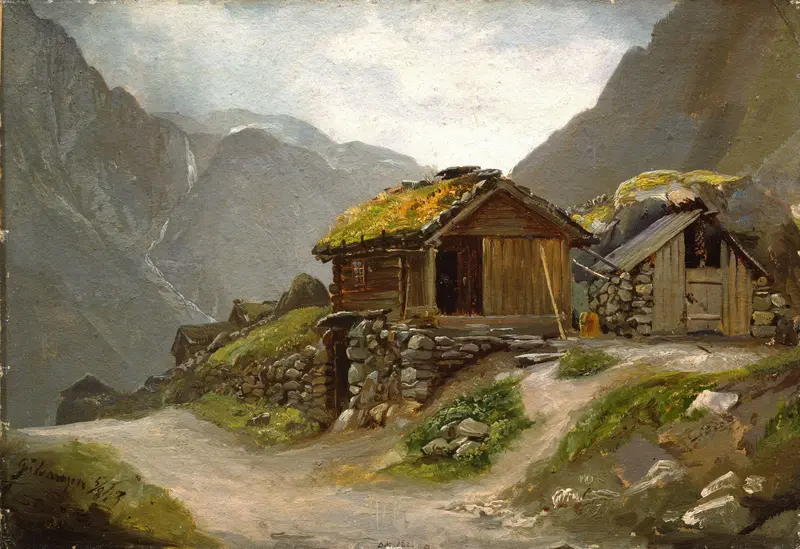
View from Gudvangen
Adolph Tidemand
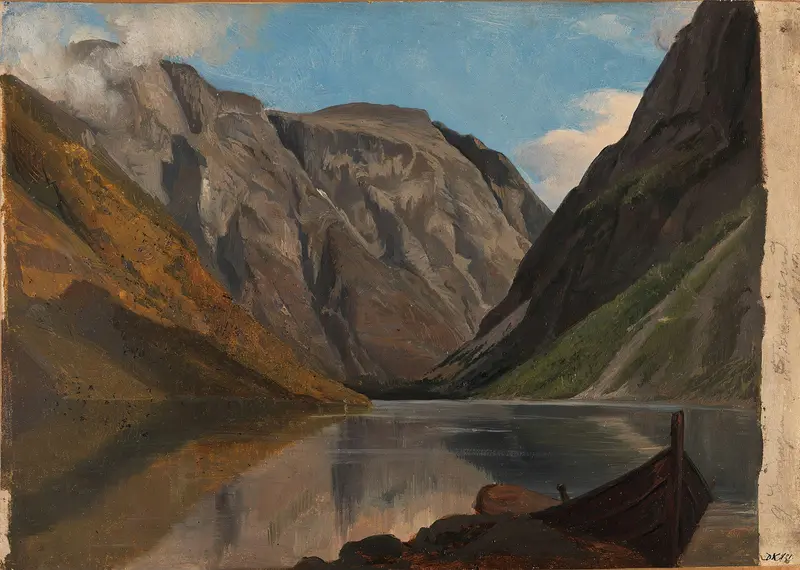
View of Gudvangen
Adolph Tidemand
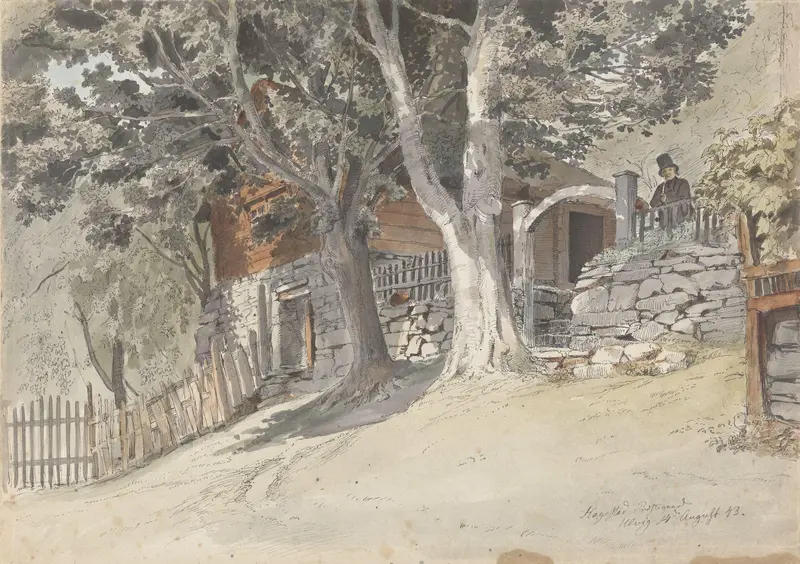
Hagestad prestegård, Ulvik i Hardanger
Adolph Tidemand
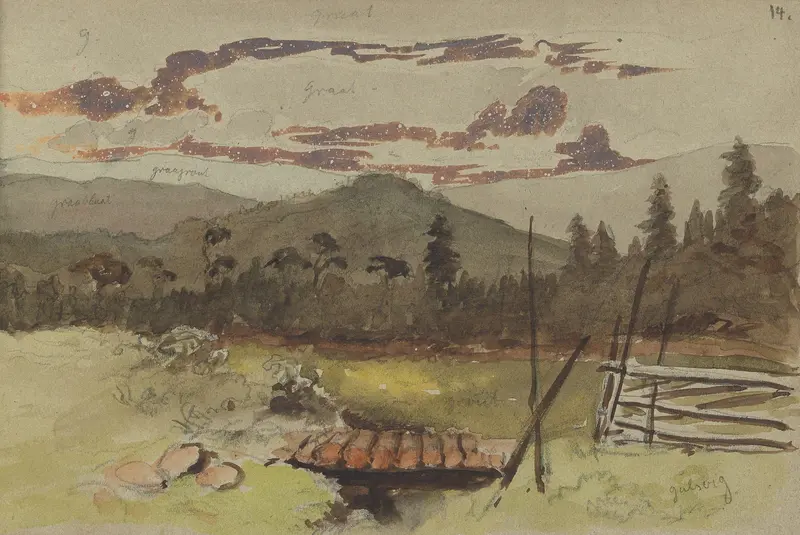
Fra Gulsvik
Adolph Tidemand
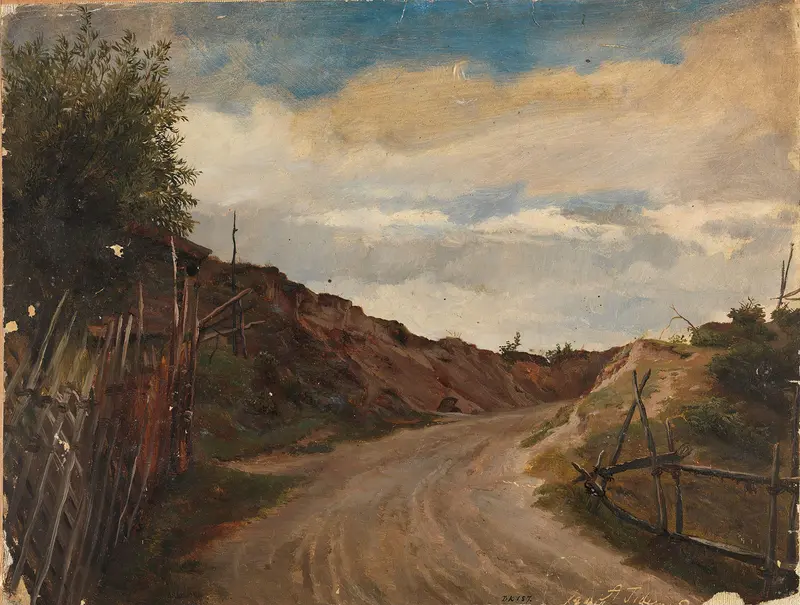
Country Road
Adolph Tidemand
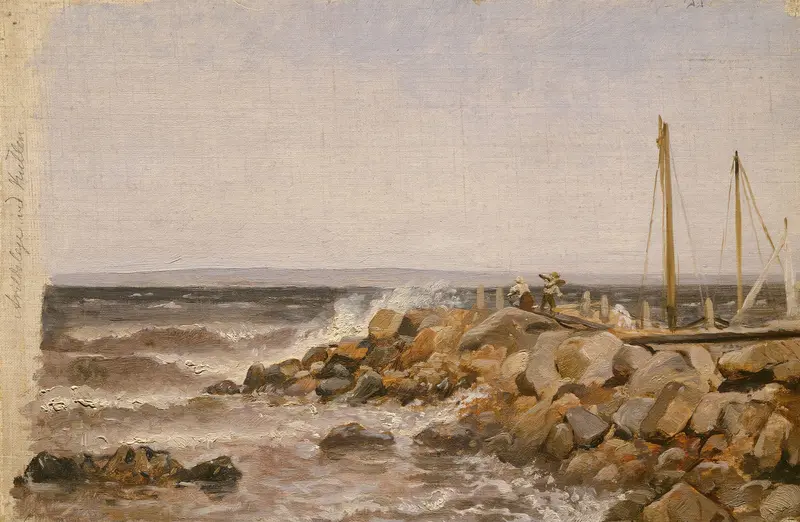
From Kullen in Sweden
Adolph Tidemand
Untitled
Adolph Tidemand
More Genre Scene Art

Banquet of the Officers of the St George Civic Guard
Frans Hals

Rembrandt and Saskia in the Scene of the Prodigal Son
Rembrandt van Rijn

Bal du moulin de la Galette
Pierre-Auguste Renoir

Quadrille at the Moulin Rouge
Henri de Toulouse-Lautrec

A Burial at Ornans
Gustave Courbet

When Will You Marry?
Paul Gauguin