
Ansicht von Wedel — History & Facts
In the shadows of our memories, we find the essence of fleeting moments, quietly preserved in the stillness of art. Look to the center of the canvas, where soft, muted shades of green and brown meld to form a serene landscape. A gentle horizon rises, met by a delicate interplay of light and shadow, creating a sense of depth that invites exploration. Notice how the play of sunlight filters through the trees, casting intricate patterns on the ground, revealing the artist's deft brushwork and keen perception of nature's subtleties.
Each stroke breathes life into the scene, capturing not just the view, but the atmosphere of a quiet afternoon. Beyond the surface beauty lies a dialogue between light and darkness, a reminder of the transient nature of existence. The interplay suggests a duality—how light can illuminate, yet shadows can encapsulate memories, evoking feelings of nostalgia and contemplation. The calmness of the scene holds a tension; it hints at stories untold, voices lost to time, and the ebb and flow of daily life, simultaneously captivating and elusive. Rudolf Höckner painted Ansicht von Wedel in 1935 during a period of significant upheaval in Europe, marked by the rise of totalitarianism and the looming threat of war.
At this time, he was exploring landscapes that resonated with personal experience and collective memory, striving to capture the beauty of ordinary moments against a backdrop of uncertainty. This work embodies his commitment to portraying the sublime within the mundane, reflecting both the artist's internal landscape and the external world in flux.
More Artworks by Rudolf Höckner
Browse all →
Am Stintmarkt in Lüneburg
Rudolf Höckner
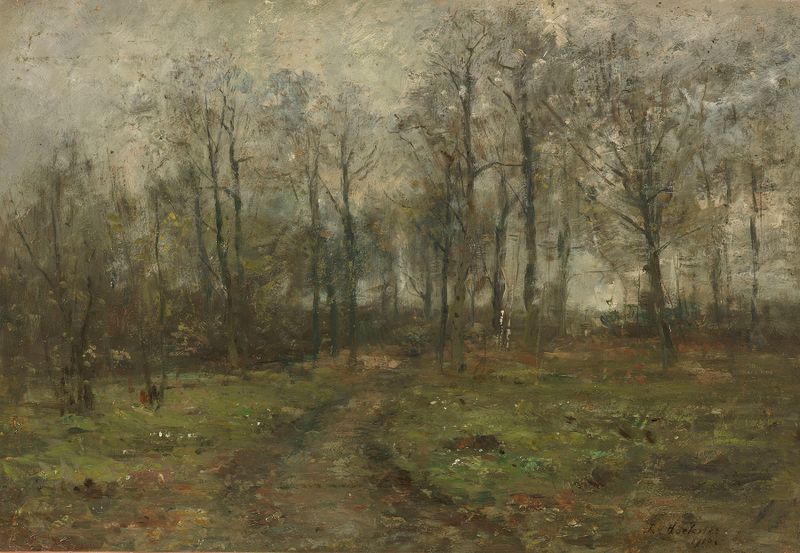
Weg im Gehölz
Rudolf Höckner

Marschlandschaft mit Weidenallee und Reiter
Rudolf Höckner

Winterlandschaft mit Gehöft
Rudolf Höckner

Bauerngehöft mit Teich
Rudolf Höckner
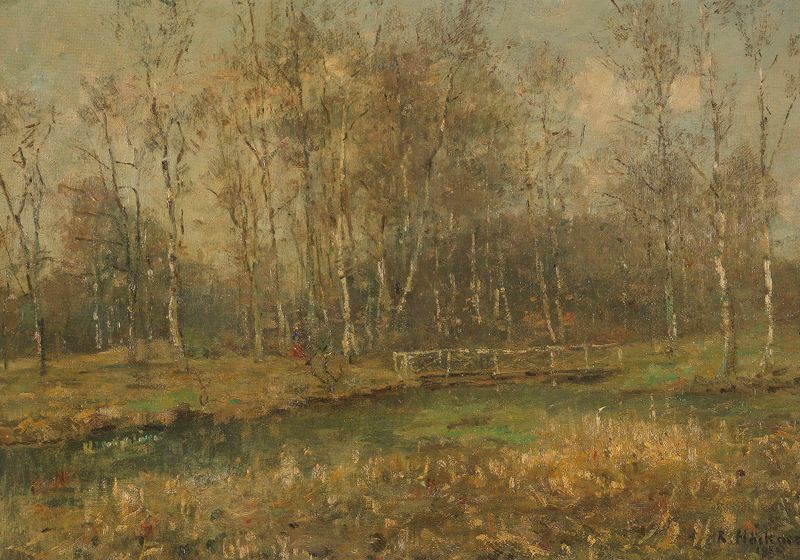
Vorfrühling im Park
Rudolf Höckner

Landschaft mit kleinen Gestalten
Rudolf Höckner
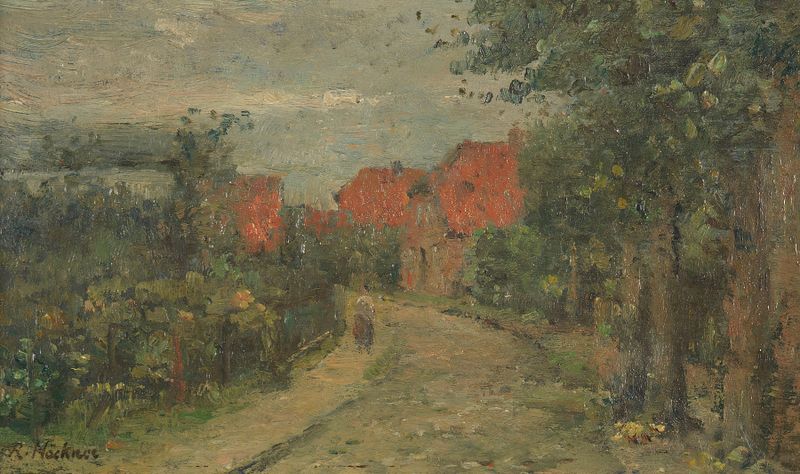
Dorfstraße
Rudolf Höckner

Der letzte Schnee
Rudolf Höckner

Wedeler Au
Rudolf Höckner





