
Winterlandschaft mit Gehöft — History & Facts
Could beauty survive in a century of chaos? The question lingers like a soft whisper amid the stark white expanse of a winter landscape, where nature holds its breath in the face of adversity. Look to the horizon, where delicate brushstrokes define the gentle slopes of undulating snow. The muted palette of whites and grays invites you in, while a modest farmhouse peeks through the frosted branches, its warm glow acting as a beacon of hope. Notice how the light dances across the scene, casting shadows that create a sense of depth and tranquility, contrasting with the coldness enveloping everything else.
Höckner’s technique masterfully balances realism with a dreamlike quality, evoking both serenity and isolation. Yet, beneath this pristine surface lies an intricate web of emotions. The farmhouse symbolizes resilience, a sanctuary amidst a barren landscape, suggesting that even in the harshest seasons, life persists. The sparse trees, stripped of their leaves, stand as silent witnesses to time’s passage, hinting at the fragility of existence.
Each element, from the soft drifts of snow to the distant mountains shrouded in mist, captures the tension between beauty and desolation, inviting contemplation on what remains after turmoil. In 1920, Rudolf Höckner was navigating the aftermath of World War I, a conflict that reshaped societies and landscapes alike. Creating this piece in his studio, he sought to encapsulate a fleeting moment of peace in a world yearning for healing. With modernism gaining traction in the art world, this work reflects both the personal and collective desire to find solace in beauty amid chaos.
More Artworks by Rudolf Höckner
Browse all →
Am Stintmarkt in Lüneburg
Rudolf Höckner
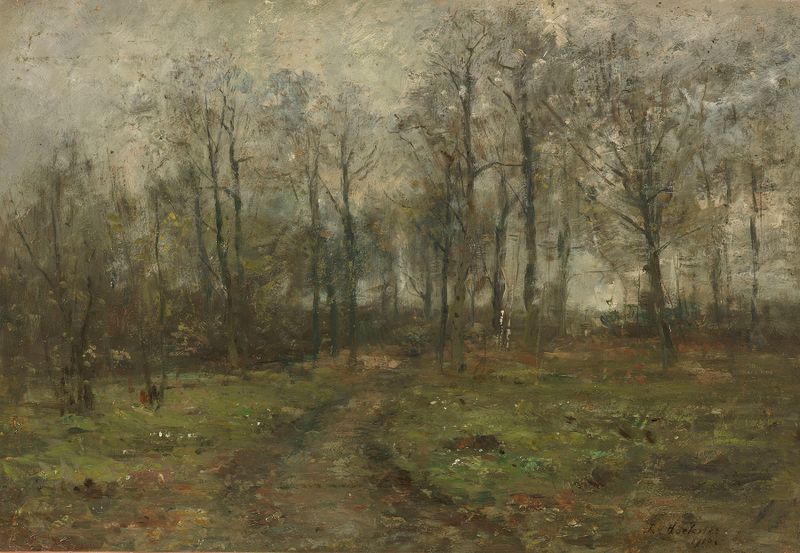
Weg im Gehölz
Rudolf Höckner

Marschlandschaft mit Weidenallee und Reiter
Rudolf Höckner

Ansicht von Wedel
Rudolf Höckner

Bauerngehöft mit Teich
Rudolf Höckner
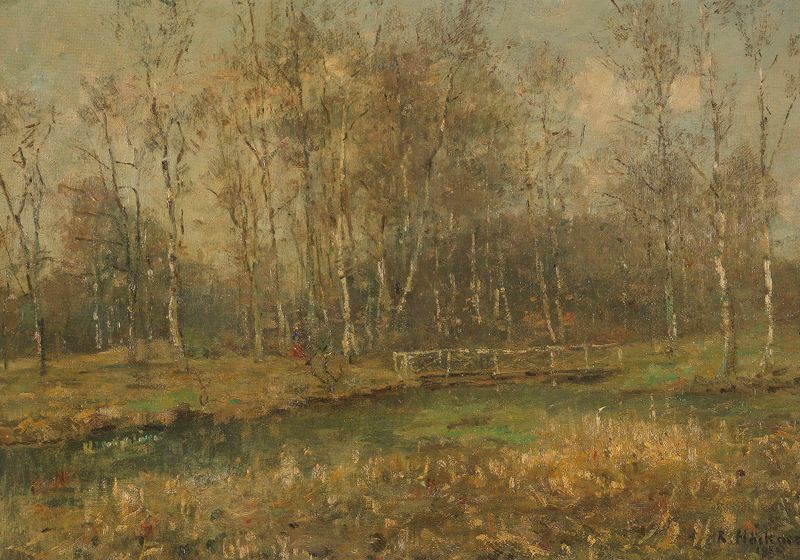
Vorfrühling im Park
Rudolf Höckner

Landschaft mit kleinen Gestalten
Rudolf Höckner
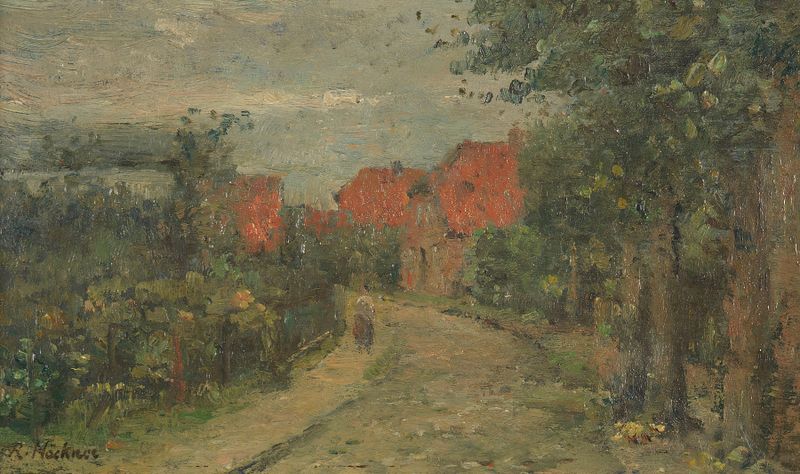
Dorfstraße
Rudolf Höckner

Der letzte Schnee
Rudolf Höckner

Wedeler Au
Rudolf Höckner





