
Marschlandschaft mit Weidenallee und Reiter — History & Facts
In Marschlandschaft mit Weidenallee und Reiter, this sentiment resonates deeply, revealing the quiet undercurrents of fear that pulse beneath the surface of pastoral serenity. Look to the center of the canvas, where a lone rider traverses a winding path lined with willow trees. The muted greens of the landscape envelop the figure, creating a sense of isolation amidst natural beauty. Notice how the gentle light filters through the branches, casting dappled shadows on the ground, suggesting both warmth and an encroaching twilight.
The stark contrast between the soft hues and the rider’s solitary journey evokes a poignant tension, compelling the viewer to contemplate what lies beyond the idyllic scene. Delve deeper, and you may sense the unease that underpins the tranquility. The rider, seemingly at ease, might also embody a sense of foreboding, a fleeting moment before the calm is shattered. The willow trees, with their drooping branches, appear to weep, hinting at an emotional weight that belies the beauty of the landscape.
This duality reflects the artist's exploration of hidden fears — the juxtaposition of serenity and anxiety creates a haunting atmosphere that lingers long after the initial gaze. In 1910, Rudolf Höckner painted this evocative scene while navigating the turbulent waters of early 20th-century Europe, marked by societal shifts and looming conflict. In a world shifting beneath his feet, he captured a fleeting moment of stillness, a poignant reflection on the human experience amid the uncertainties of life and art.
More Artworks by Rudolf Höckner
Browse all →
Am Stintmarkt in Lüneburg
Rudolf Höckner
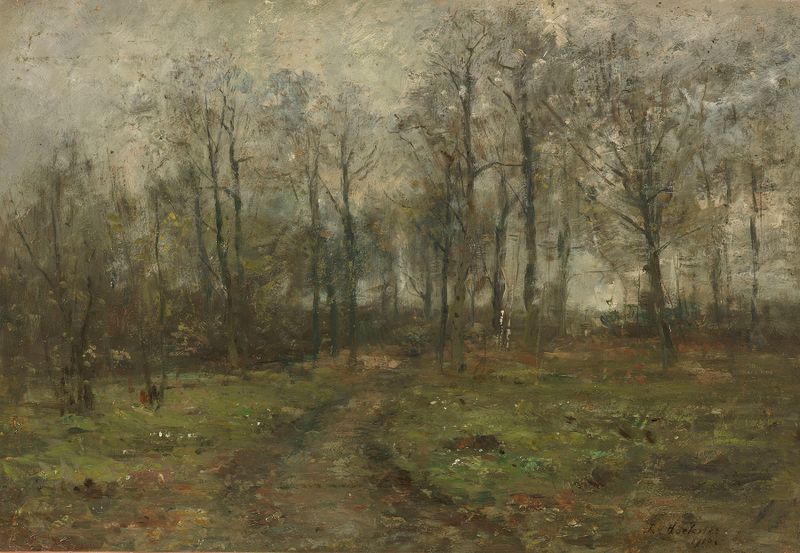
Weg im Gehölz
Rudolf Höckner

Winterlandschaft mit Gehöft
Rudolf Höckner

Ansicht von Wedel
Rudolf Höckner

Bauerngehöft mit Teich
Rudolf Höckner
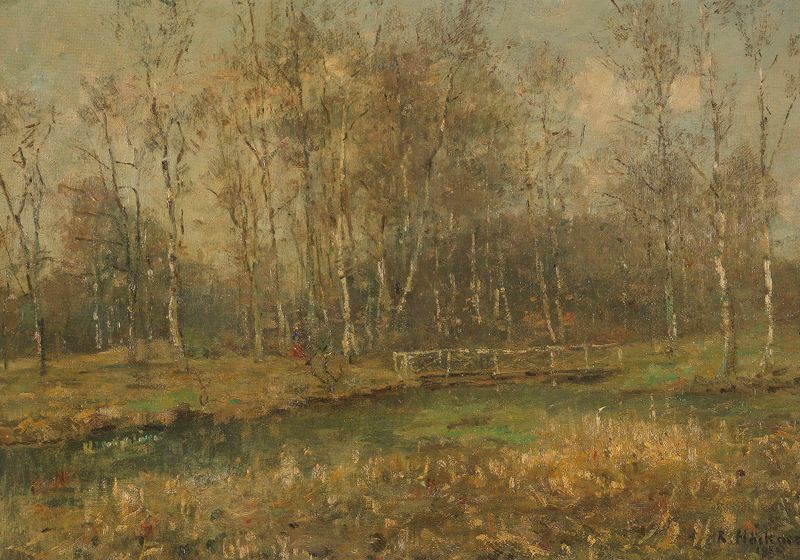
Vorfrühling im Park
Rudolf Höckner

Landschaft mit kleinen Gestalten
Rudolf Höckner
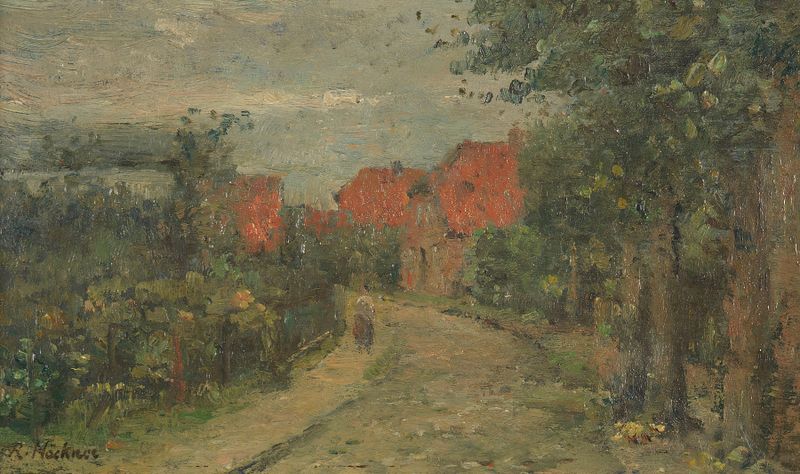
Dorfstraße
Rudolf Höckner

Der letzte Schnee
Rudolf Höckner

Wedeler Au
Rudolf Höckner





