
Dorfstraße — History & Facts
Could a single brushstroke hold eternity? In Dorfstraße, the vast emptiness stretches before us, inviting contemplation and reflection on the spaces we inhabit within ourselves. Focus first on the left side of the canvas, where muted earth tones blend softly into the horizon. The painter’s delicate strokes create an illusion of depth, drawing the viewer's eye along the quiet street that beckons to be explored. Notice how the light spills gently across the scene, illuminating patches of grass and the cobbled surface, which seems to shimmer with the fragility of existence.
This juxtaposition of light and shadow enhances the stillness, evoking a sense of both tranquility and isolation. As you delve deeper, consider the absence of figures or significant objects within the scene. This emptiness resonates with existential themes, suggesting both the beauty and loneliness inherent in solitude. The winding path symbolizes life’s journey, while the sparse landscape invites introspection, mirroring the inner stillness many experience yet seldom express.
Each brushstroke seems to whisper secrets about space and solitude, igniting a profound sense of yearning and unease. Rudolf Höckner painted Dorfstraße in 1910 during a time of personal and artistic exploration. Living in Germany, he was influenced by the emerging modernist movements that encouraged artists to delve into the essence of their subjects. This period marked a transition in his work as he sought to capture the emotional resonance of landscapes, reflecting the tumultuous yet transformative world of art at the dawn of the 20th century.
More Artworks by Rudolf Höckner
Browse all →
Am Stintmarkt in Lüneburg
Rudolf Höckner
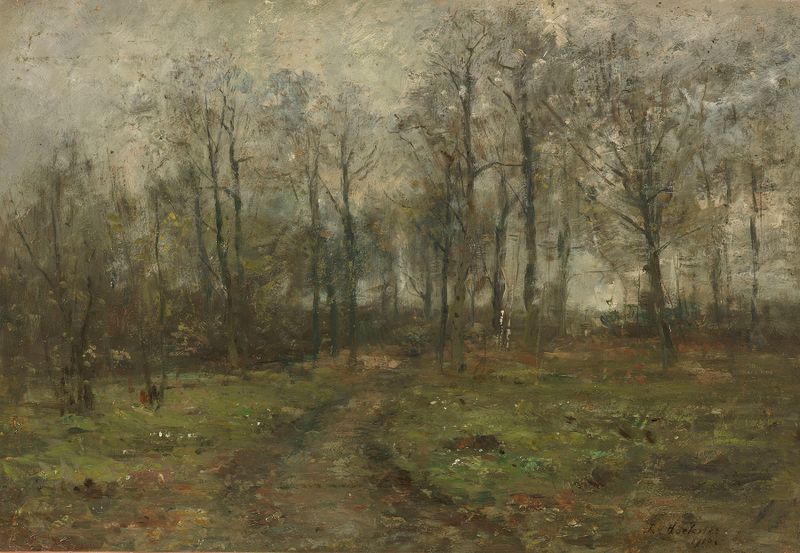
Weg im Gehölz
Rudolf Höckner

Marschlandschaft mit Weidenallee und Reiter
Rudolf Höckner

Winterlandschaft mit Gehöft
Rudolf Höckner

Ansicht von Wedel
Rudolf Höckner

Bauerngehöft mit Teich
Rudolf Höckner
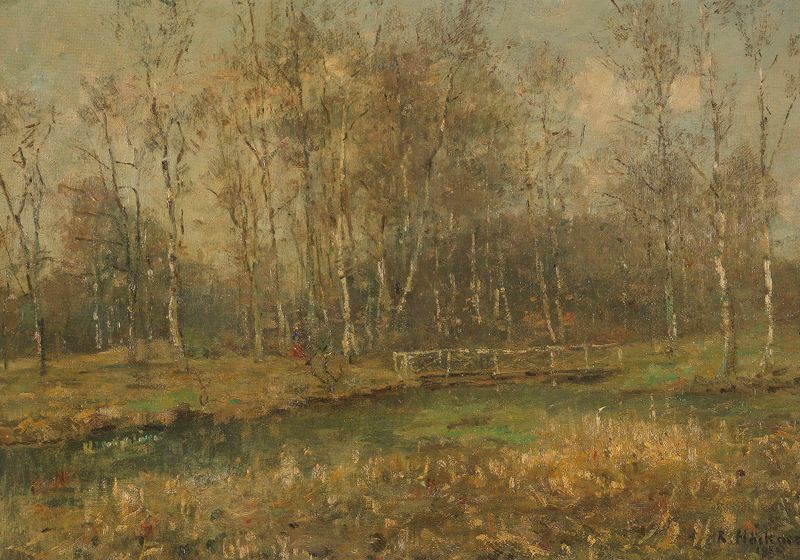
Vorfrühling im Park
Rudolf Höckner

Landschaft mit kleinen Gestalten
Rudolf Höckner

Der letzte Schnee
Rudolf Höckner

Wedeler Au
Rudolf Höckner





