
Vorfrühling im Park — History & Facts
When did color learn to lie? In a world where hues speak louder than words, the balance between truth and illusion becomes a haunting preoccupation. Look closely at the interplay of greens and blues that dominate the canvas. The way the light filters through the branches overhead casts a gentle glow on the park's ground, creating an illusion of depth and tranquility. Notice the deeper shades nestled in the foliage, drawing your eye to hidden spaces that invite exploration.
The vibrant blooms scattered throughout pulse with life, each brushstroke a testament to the artist's fluidity and control. Yet, beneath the vibrant surface lies a tension between the exuberance of spring and the whisper of shadows that hint at the uncertainty of the season. The stark contrast between the bright colors and the muted backgrounds suggests a fleeting moment of joy before the inevitable change. Each bloom, while bursting with life, also evokes the bittersweet realization that beauty is often ephemeral, echoing the cycle of renewal and decay. Painted in 1930, Vorfrühling im Park emerged from Höckner's reflections during a time of artistic experimentation in Europe.
The interwar period was marked by the struggle for balance between the old and new, and this piece signifies his attempt to navigate the shifting dynamics of color and form. As Europe grappled with its identity following the devastation of World War I, the artist sought solace and expression in the natural world, using vibrant color to capture both the promise and fragility of life.
More Artworks by Rudolf Höckner
Browse all →
Am Stintmarkt in Lüneburg
Rudolf Höckner
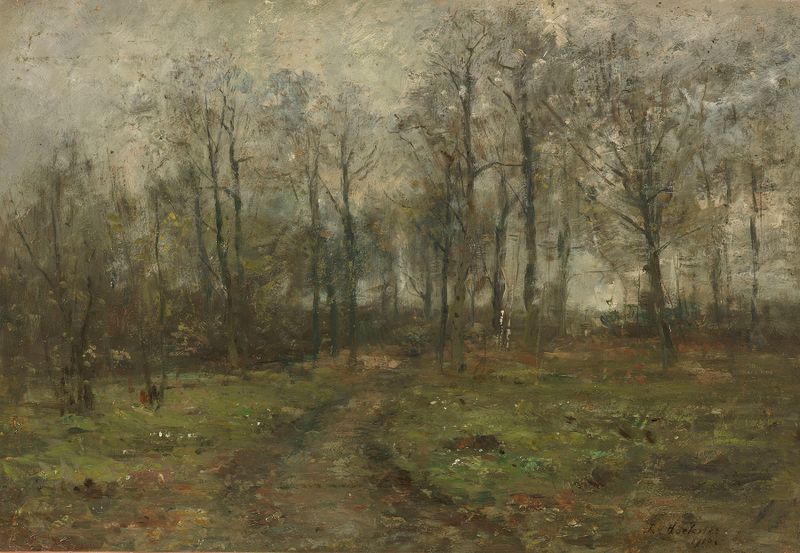
Weg im Gehölz
Rudolf Höckner

Marschlandschaft mit Weidenallee und Reiter
Rudolf Höckner

Winterlandschaft mit Gehöft
Rudolf Höckner

Ansicht von Wedel
Rudolf Höckner

Bauerngehöft mit Teich
Rudolf Höckner

Landschaft mit kleinen Gestalten
Rudolf Höckner
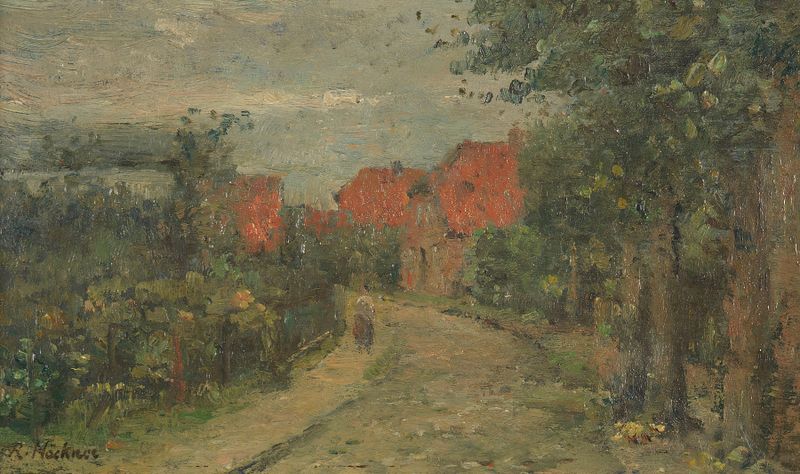
Dorfstraße
Rudolf Höckner

Der letzte Schnee
Rudolf Höckner

Wedeler Au
Rudolf Höckner





