
Antelope (Arizona Antelope) — History & Facts
What first catches the eye in Antelope (Arizona Antelope) is the sense of alertness that animates the trio of antelope, poised in a sunlit clearing with the vast, shadowed mountains rising behind them. Each animal stands in a different pose, their bodies angled as if caught mid-movement, ears pricked and eyes wide, as if sensing an unseen presence beyond the edge of the frame. The artist, Albert Bierstadt, guides us through this moment of tension by bathing the foreground in warm, golden light, which sharply contrasts with the cool, receding blues and greens of the distant peaks.
The careful rendering of the antelopes’ coats, the delicate tufts of grass, and the scattered rocks all serve to anchor the animals in their rugged, open environment, while the low horizon draws our gaze upward to the expanse of sky, deepening the sense of space and solitude. Painted in the mid-19th century, this work belongs to a period when American artists were captivated by the landscapes and wildlife of the West, often seeking to capture both the grandeur and the unfamiliarity of these territories. Albert Bierstadt was among the most celebrated painters of the era’s westward expansion, known for his dramatic vistas and meticulous attention to natural detail. While little is recorded about the specific history of this painting, its appearance at Bonhams, New York in 2021, situates it within the ongoing appreciation for such works, which once served both as art and as a kind of visual testimony to a rapidly changing land.
The image invites us to linger, to notice how the animals and their world are rendered with equal care, and to imagine the world as it appeared to those who first ventured into these wild spaces.
More Artworks by Albert Bierstadt

A Storm in the Rocky Mountains, Mt. Rosalie
Albert Bierstadt
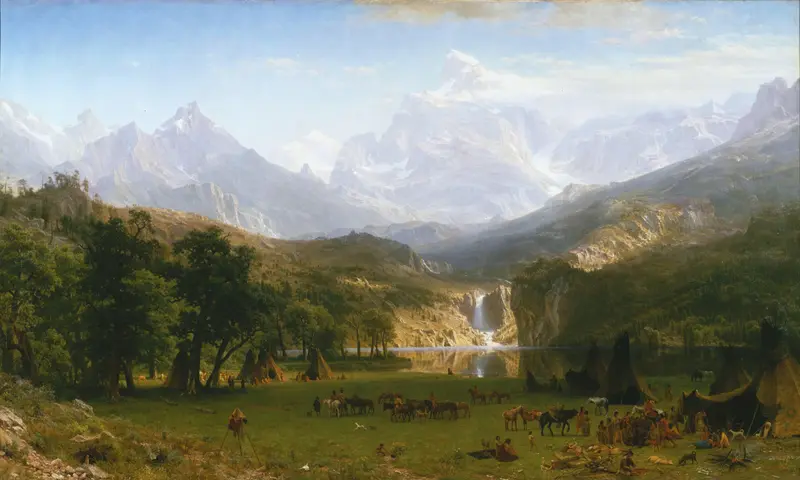
The Rocky Mountains, Lander's Peak
Albert Bierstadt
Niagara from the American Side
Albert Bierstadt
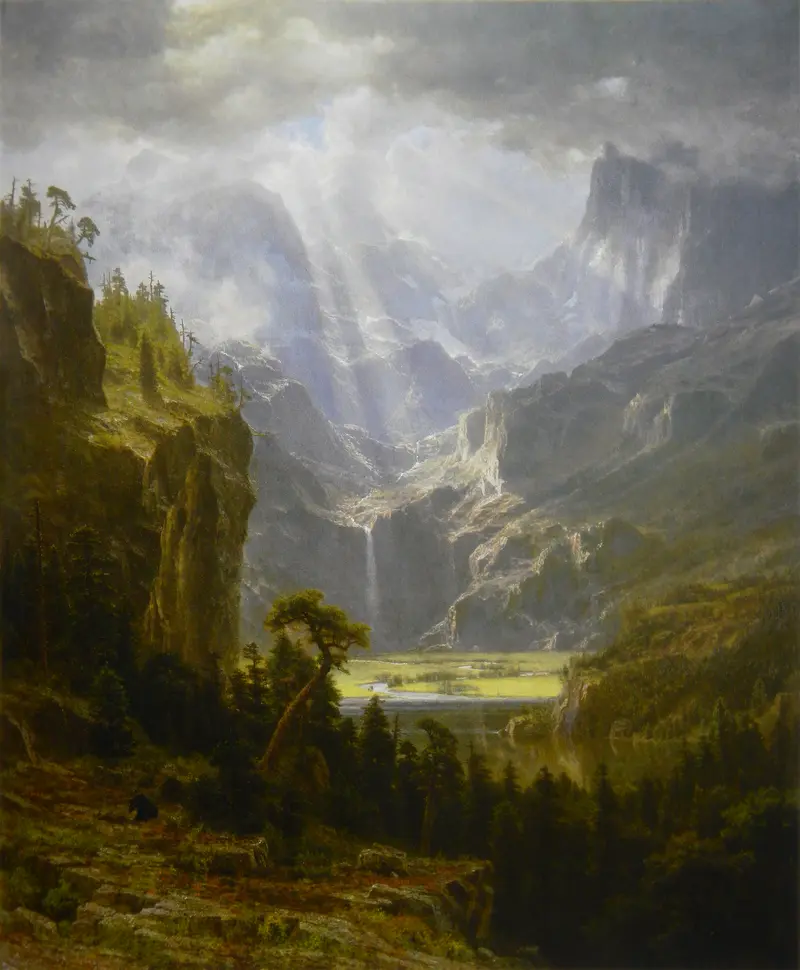
Rocky Mountains, Lander’s Peak
Albert Bierstadt

Valley of the Yosemite
Albert Bierstadt
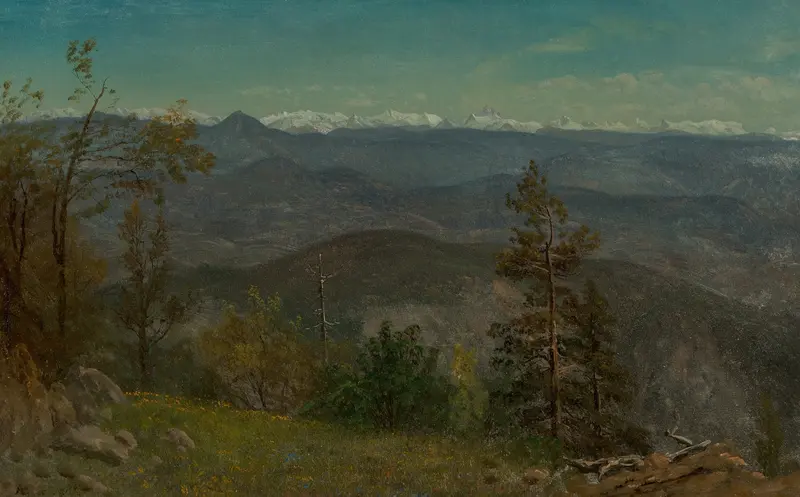
Yosemite Valley, California
Albert Bierstadt
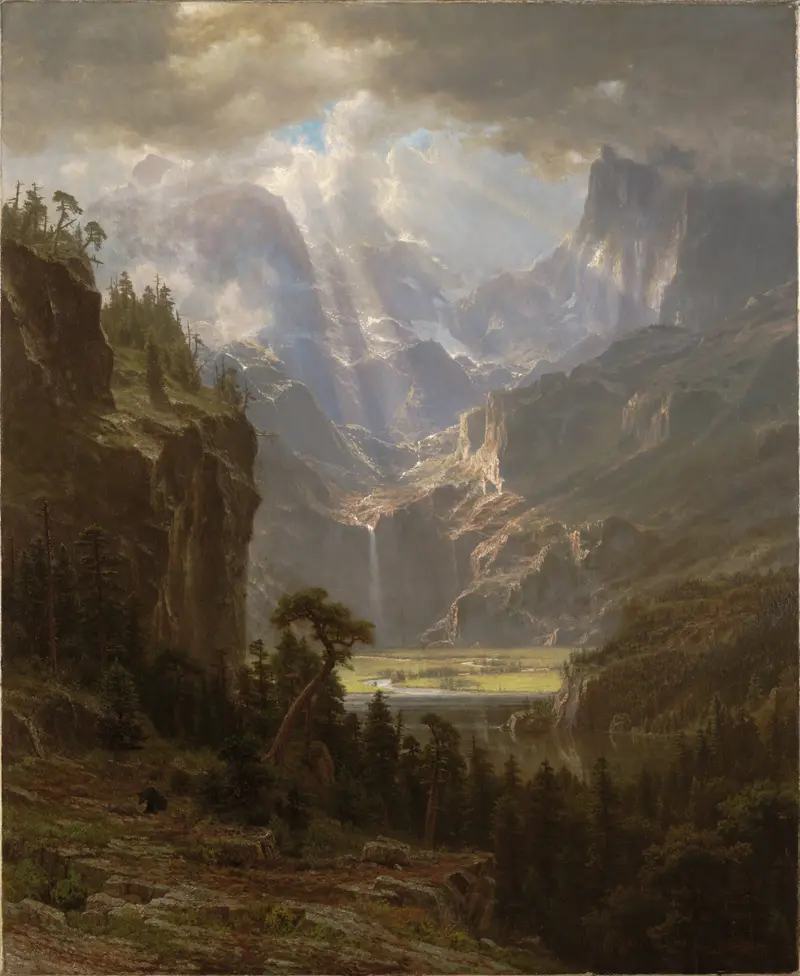
Rocky Mountains, "Lander's Peak"
Albert Bierstadt

Laramie Peak
Albert Bierstadt
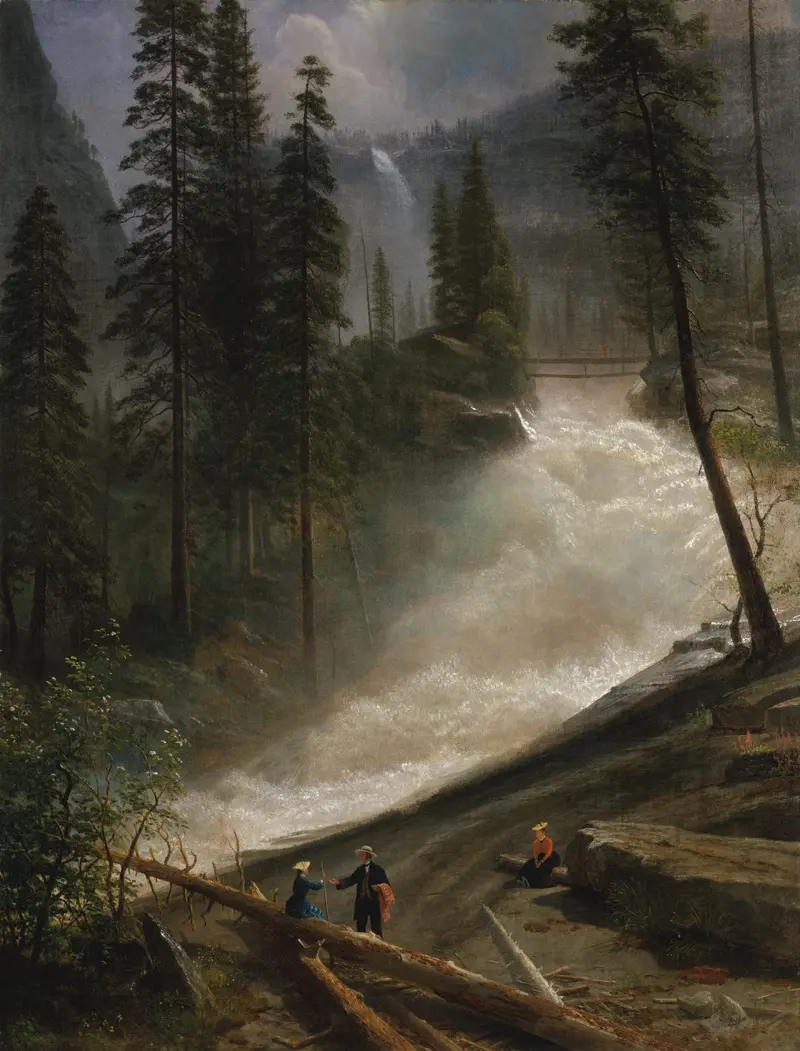
Nevada Falls, Yosemite
Albert Bierstadt
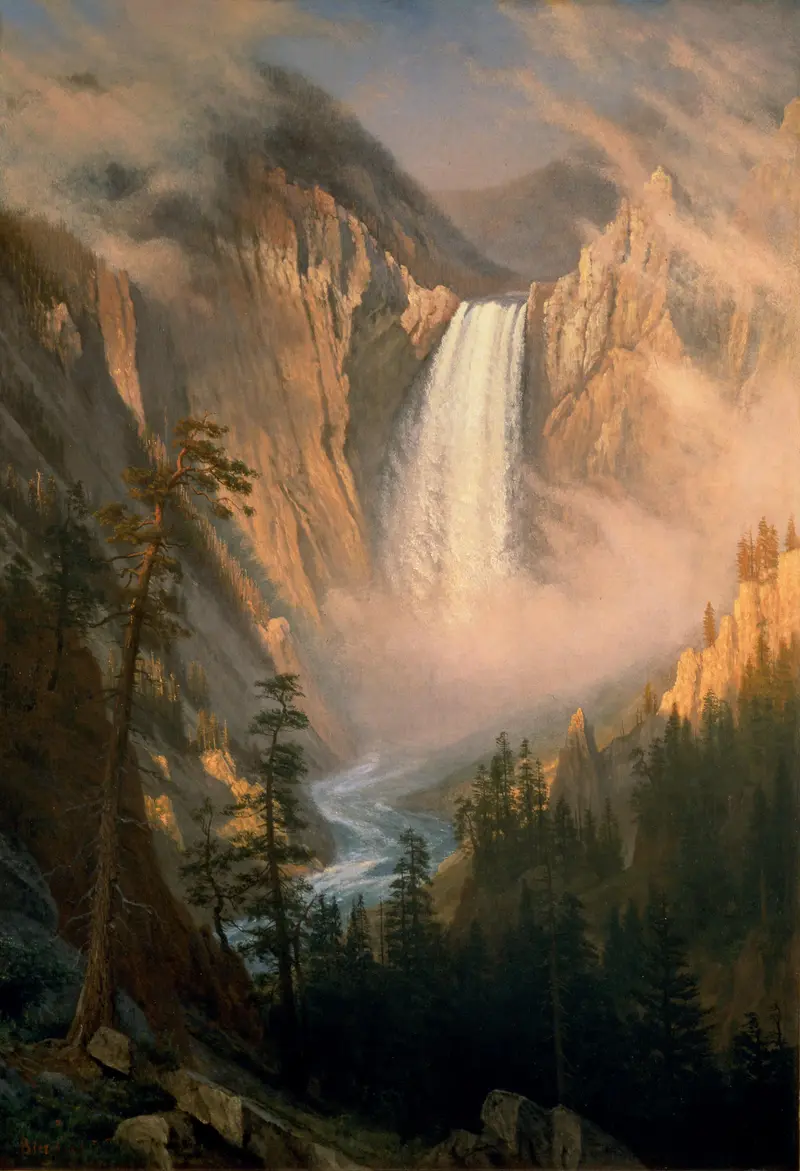
Yellowstone Falls
Albert Bierstadt





