
Niagara from the American Side — History & Facts
What grips the viewer first in Niagara from the American Side by Albert Bierstadt is the sheer immediacy of the waterfall’s plunge, as if the viewer is standing on the very precipice. The painting draws the eye to the edge where water meets rock, the torrent caught mid-fall, its force rendered not with theatrical drama but with a kind of steady, relentless motion. The dark, textured cliff anchors the left, while the mist and spray dissolve into a pale, luminous haze that swallows the horizon.
The palette is restrained, almost monochrome, letting the play of light and shadow do the work of suggesting power and distance. The viewer is left on the threshold, suspended between the solidity of earth and the unstoppable rush of water. Painted in 1869, this work belongs to a period when American artists sought to capture the grandeur of their country’s landscapes, often for audiences hungry for images of national wonders. In the decades after the Civil War, such paintings were not only prized for their beauty but also for their role in shaping a sense of identity and pride.
Albert Bierstadt, known for his panoramic views of the American West, here turns his attention eastward, to a site already famous in travel literature and popular imagination. The painting now resides in the collection of the Museum of Fine Arts, Boston, a reminder of the era’s fascination with nature’s extremes and the painter’s skill at turning a familiar landmark into an experience both intimate and monumental. Look again at the edge of the falls—how close Bierstadt brings you, and how much he leaves to the imagination in the veiled distance.
More Artworks by Albert Bierstadt

A Storm in the Rocky Mountains, Mt. Rosalie
Albert Bierstadt
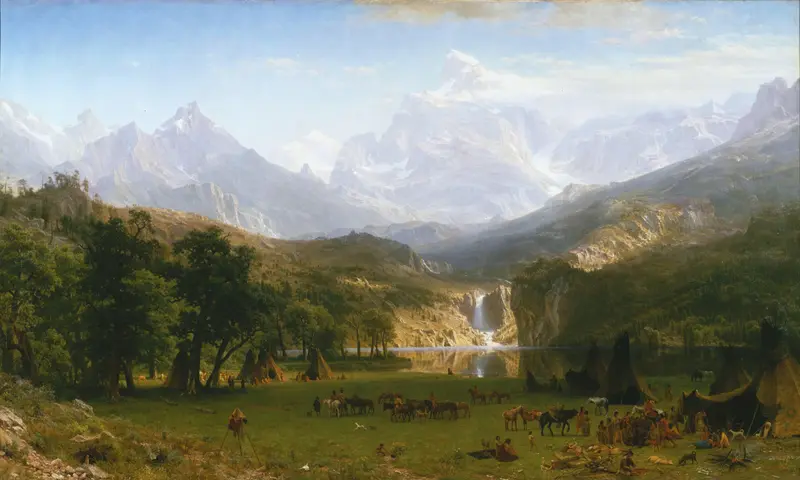
The Rocky Mountains, Lander's Peak
Albert Bierstadt
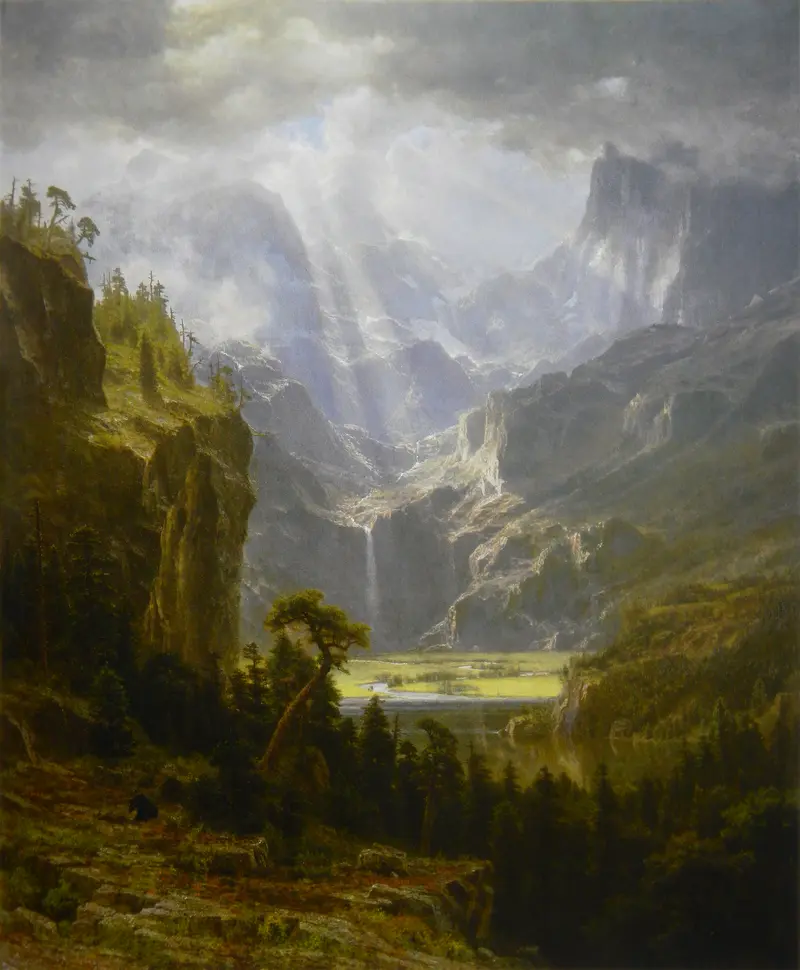
Rocky Mountains, Lander’s Peak
Albert Bierstadt

Valley of the Yosemite
Albert Bierstadt
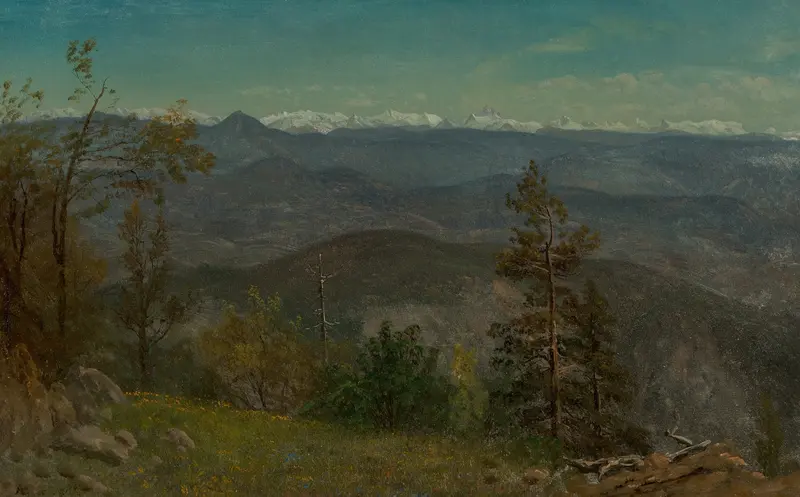
Yosemite Valley, California
Albert Bierstadt
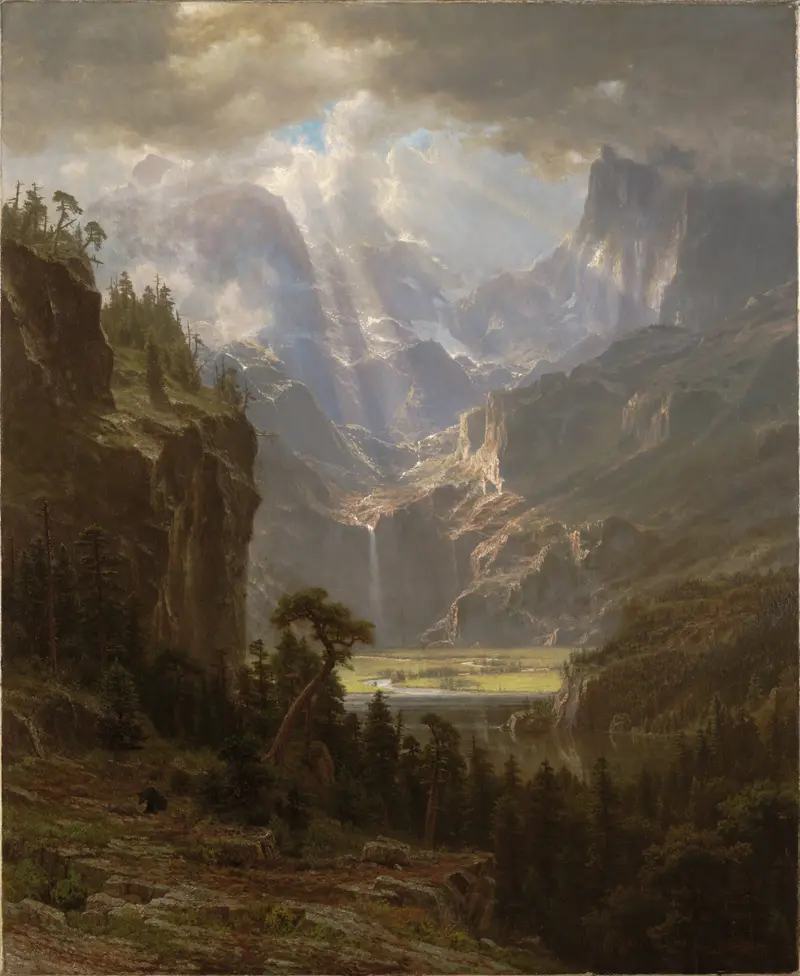
Rocky Mountains, "Lander's Peak"
Albert Bierstadt

Laramie Peak
Albert Bierstadt
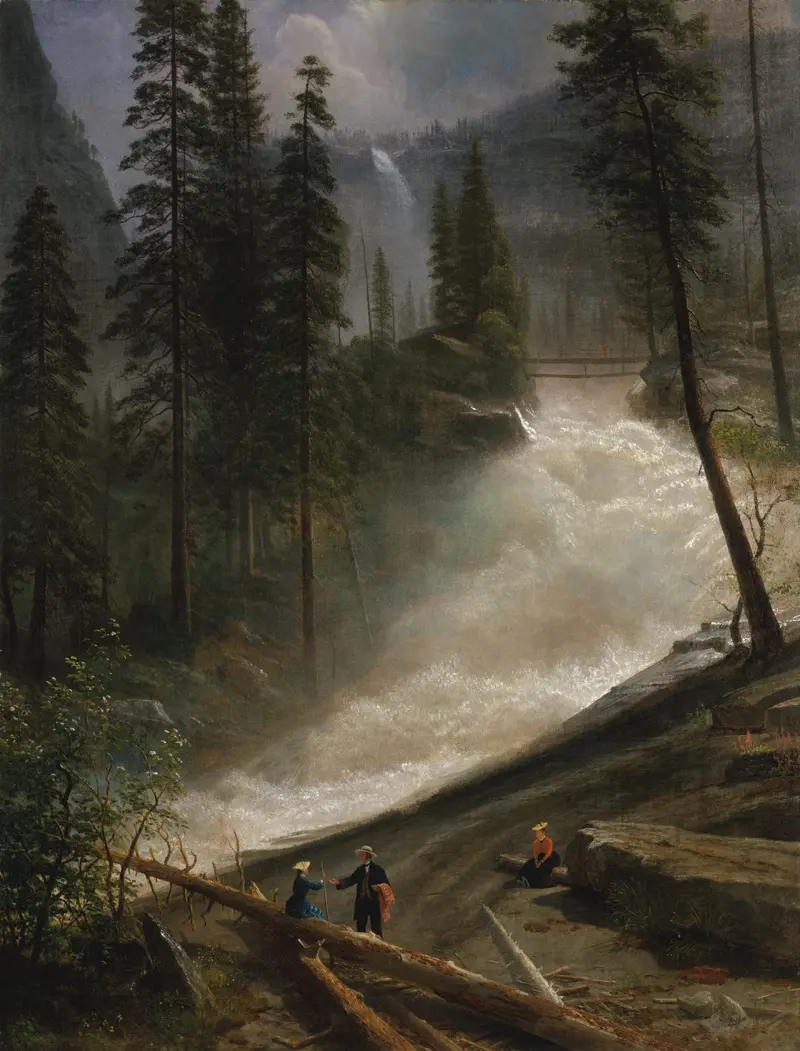
Nevada Falls, Yosemite
Albert Bierstadt
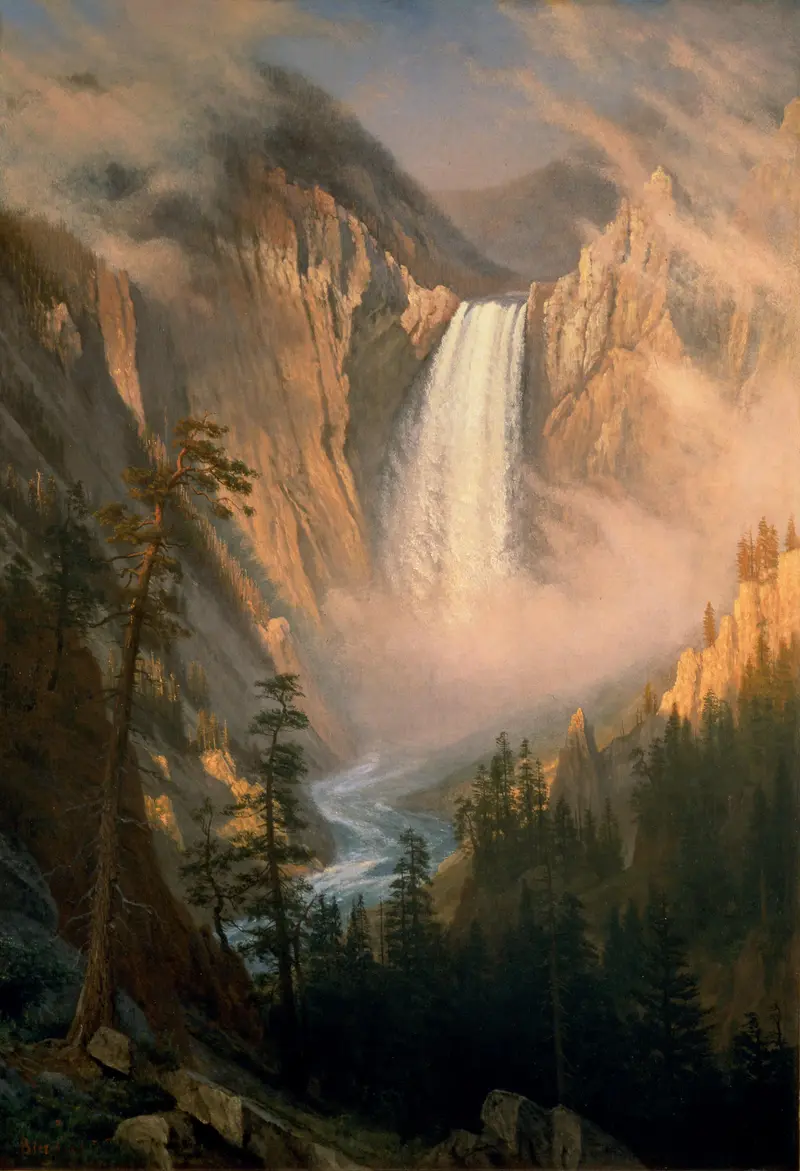
Yellowstone Falls
Albert Bierstadt
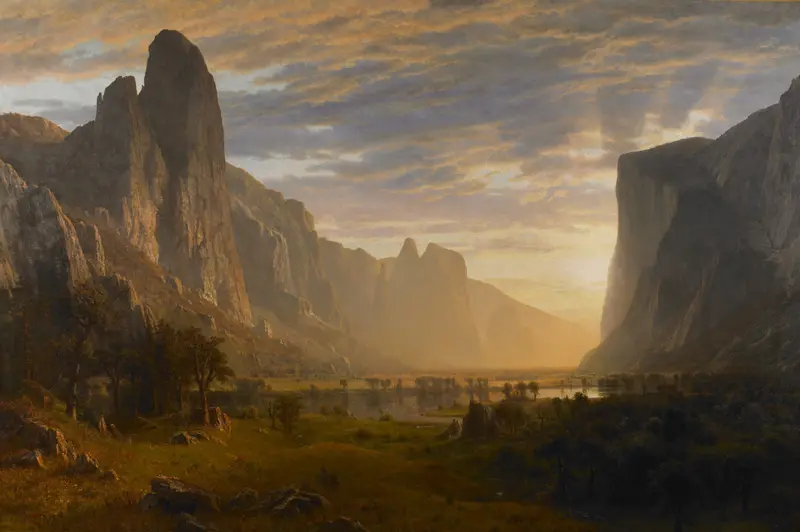
Looking Down Yosemite Valley, California
Albert Bierstadt
More Landscape Art

The Starry Night
Vincent van Gogh

View of Delft
Johannes Vermeer

Water Lilies
Claude Monet

The Grand Canal, Venice, looking north-west from the Ca' Corner to the Ca' Contarini degli Scrigni, with the campanile of Santa Maria della Carità
Canaletto

Windsor Castle
Canaletto

The Grand Canal looking North-East from the Palazzo Dolfin-Manin to the Rialto Bridge
Canaletto