
Anton von Werner Felicitas — History & Facts
What first catches the eye in Anton von Werner Felicitas is the golden, almost theatrical light that pours over a scene of domestic and architectural harmony. The figures are arranged in a careful choreography: a mother, serene and central, cradles a naked infant whose gaze and gesture reach for the bearded man bending toward him. The man, dressed in Renaissance garb and clutching the tools of his trade, leans in with a mixture of reverence and curiosity, as if seeking a blessing or inspiration from the child.
To the left, a young girl steadies the baby while a smaller child is absorbed in a large book, her world momentarily separate. On the right, a monk in brown habit bends intently over architectural plans, compasses in hand, his focus sharpened by the rising scaffolding of a cathedral behind him. Every gesture, every object—the cradle, the plans, the Corinthian capital—serves as a thread in a tapestry of family, learning, and creation. Painted in 1872 as a color sketch for the mosaic frieze at the Palais Pringsheim in Berlin, this work belongs to a moment when German historicism flourished, and artists like Anton von Werner sought to weave together past and present.
Such images, often commissioned for private or civic spaces, celebrated not only individual achievement but the ideals of progress, education, and domestic virtue. The presence of architectural plans and classical fragments signals the era’s reverence for both tradition and innovation, while the family group at the heart of the composition reflects the 19th-century belief in the home as the cradle of society. History has kept few traces of this particular sketch’s journey, but its luminous storytelling invites us to linger, searching for echoes of our own lives in the careful meeting of art, family, and ambition.
More Artworks by Anton von Werner

In the Troops' Quarters before Paris
Anton von Werner
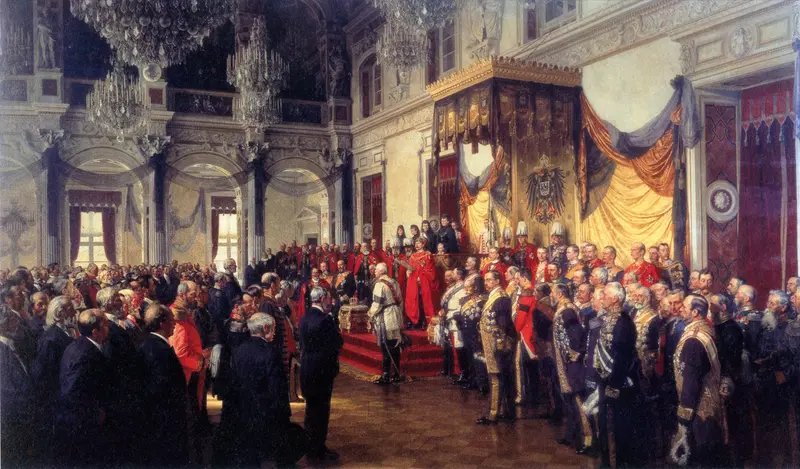
Opening of the Reichstag
Anton von Werner
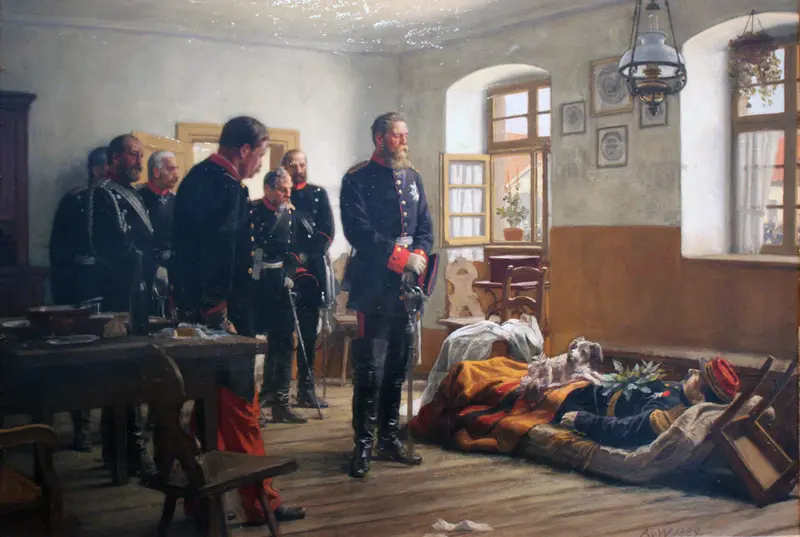
Crown Prince Friedrich Wilhelm on the body of General Abel Douay, Weissenburg on the 4th August
Anton von Werner
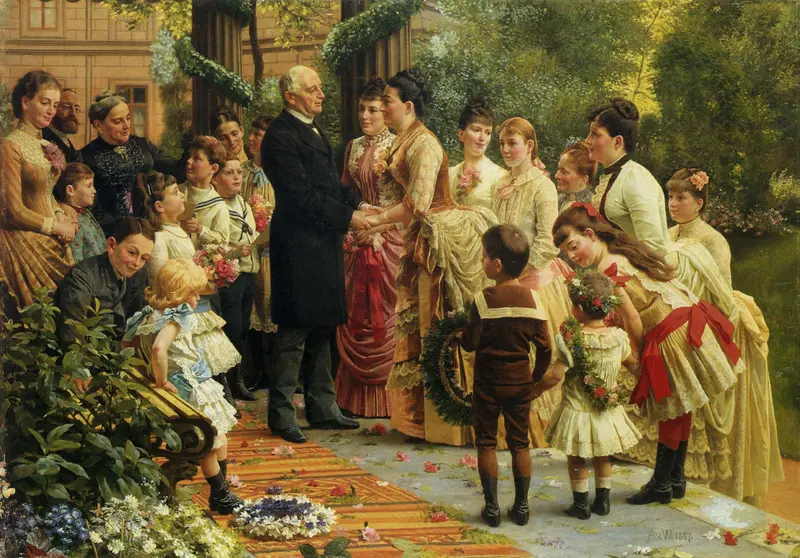
The 70th Birthday of Commercial Councilor Valentin Manheimer
Anton von Werner
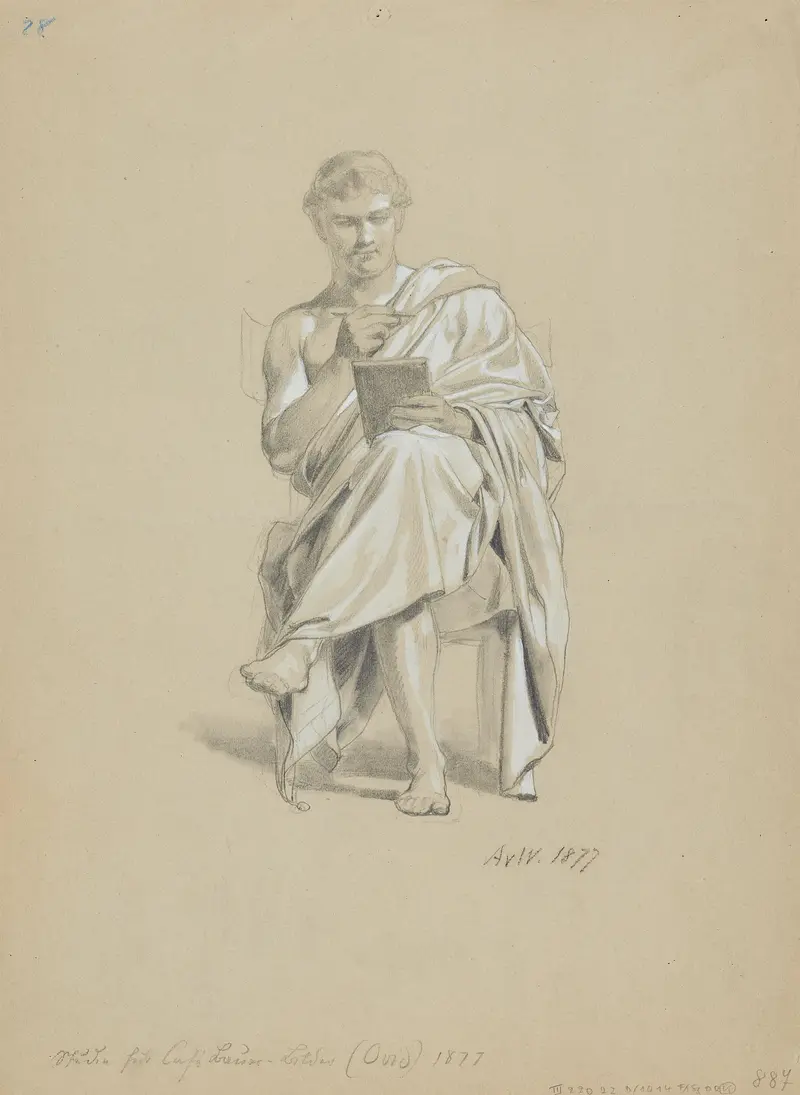
Ovid
Anton von Werner
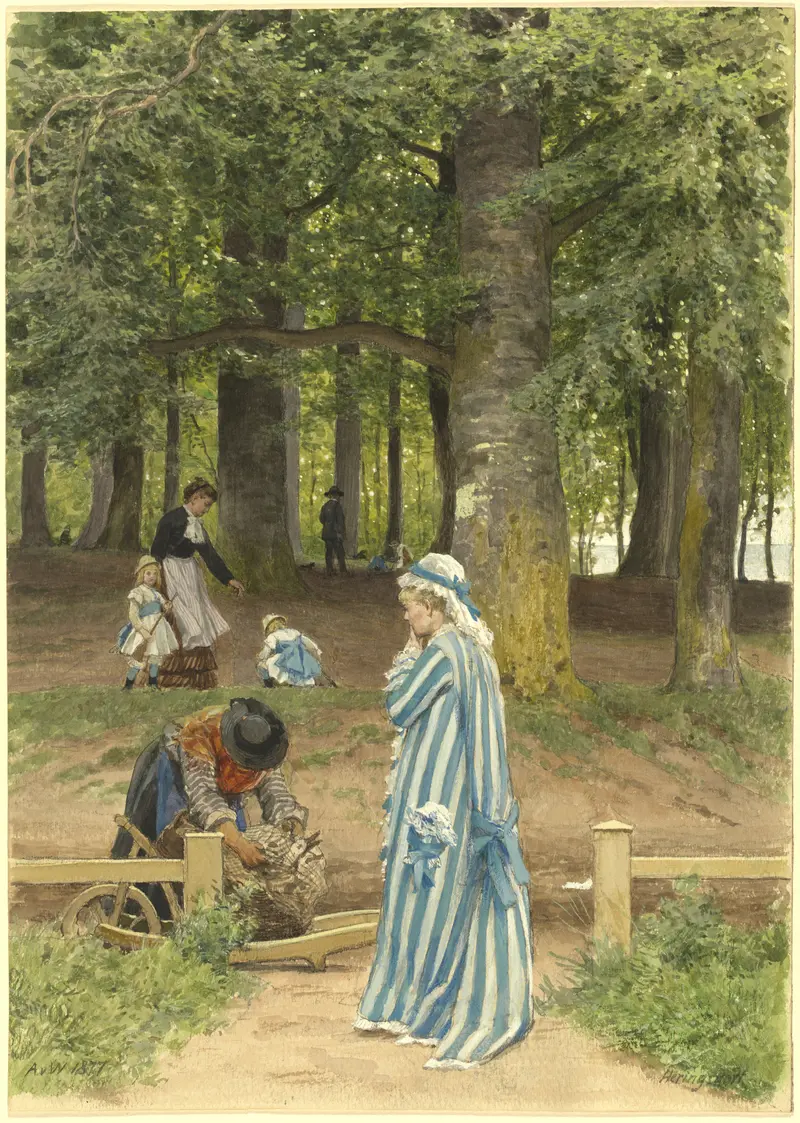
The Artist's Wife and Daughters in a Park at Heringsdorf
Anton von Werner
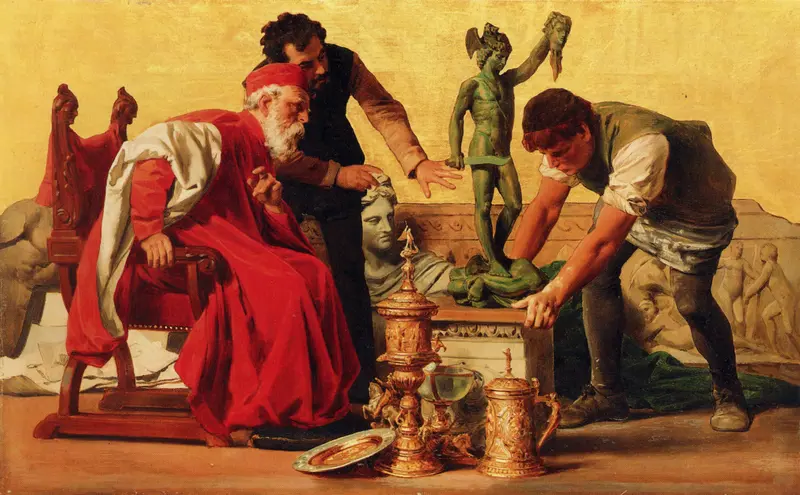
Anton von Werner Ars
Anton von Werner
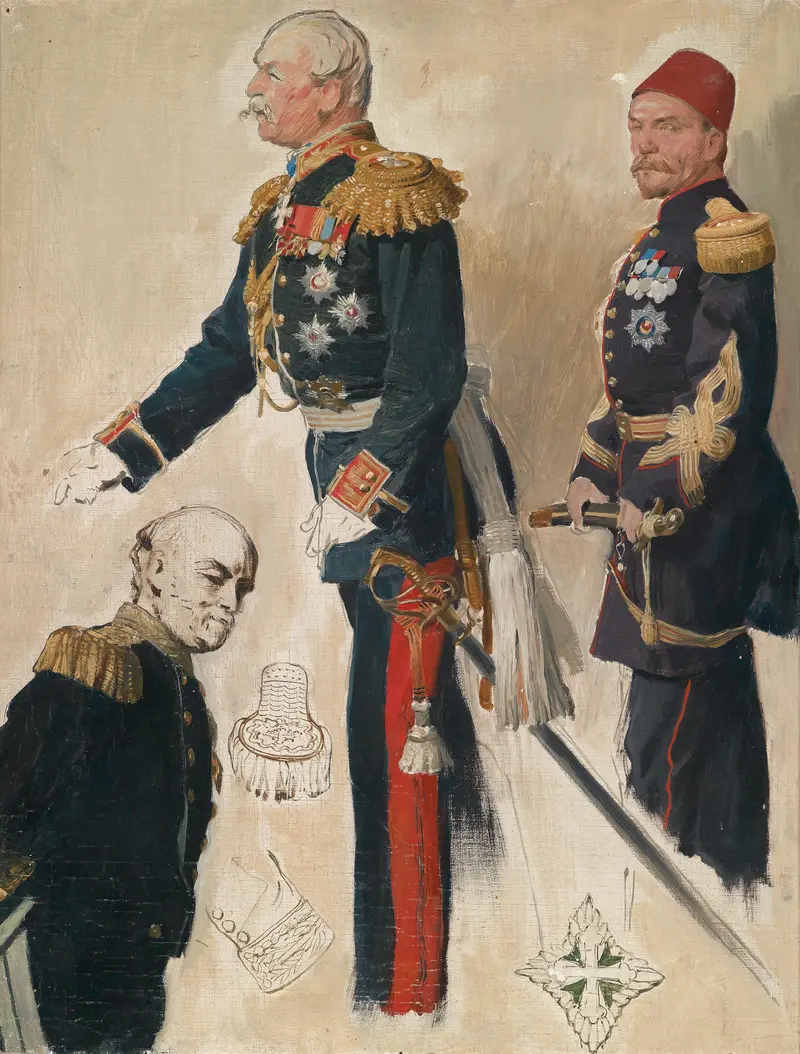
Berliner Kongress Ölskizze
Anton von Werner

LeopoldWerner
Anton von Werner
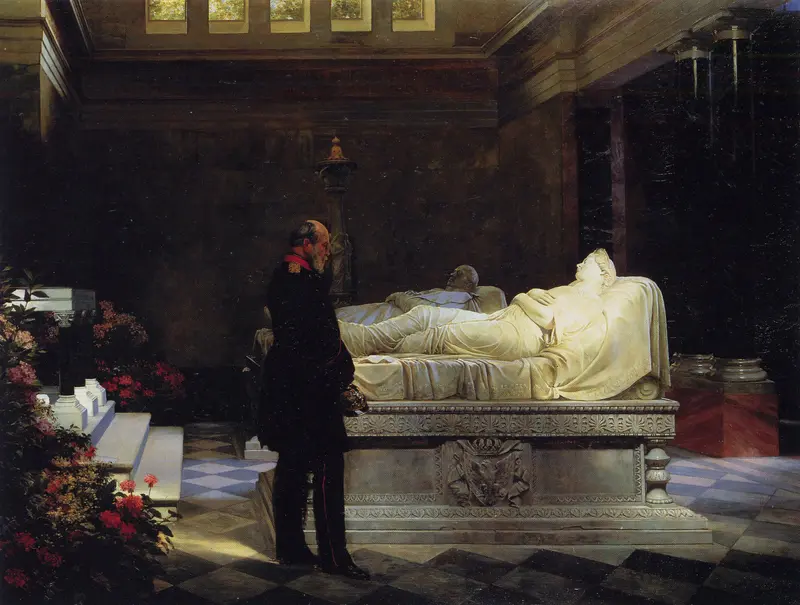
Anton von Werner: Am 19. Juli 1870 (König Wilhelm am Sakrophag seiner Mutter, der Königin Luise, im Mausoleum zu Charlottenburg)
Anton von Werner





