Apollo and Marsyas — History & Facts
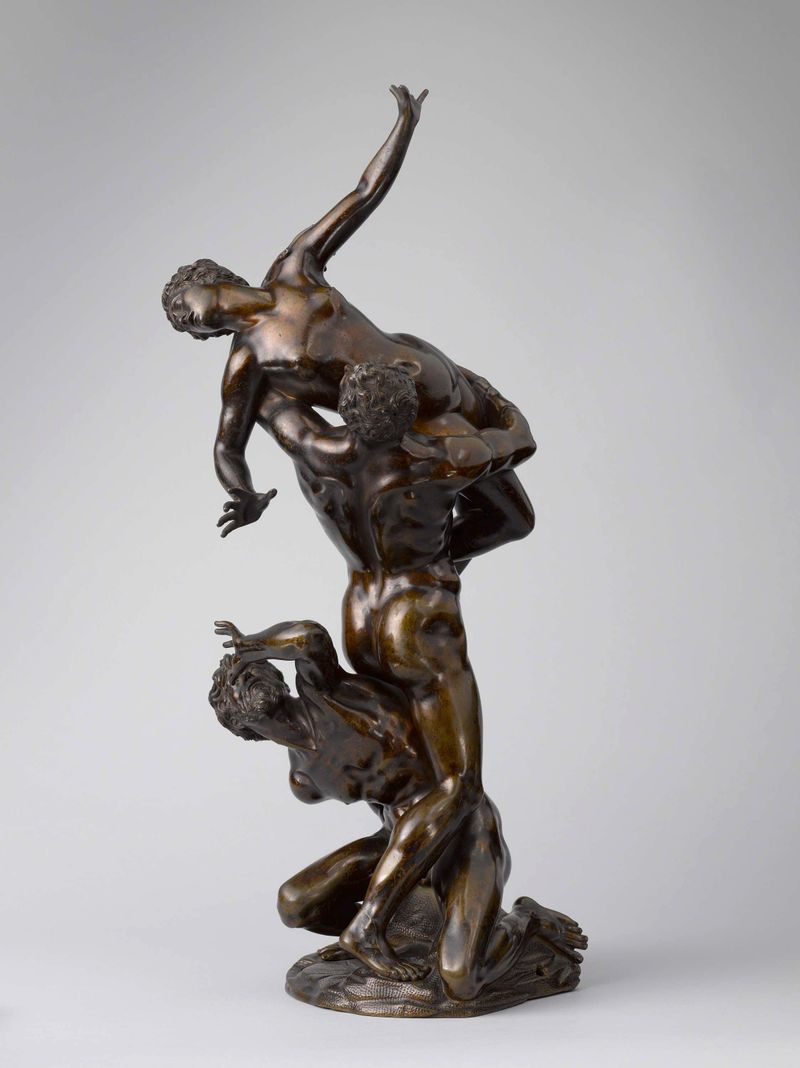
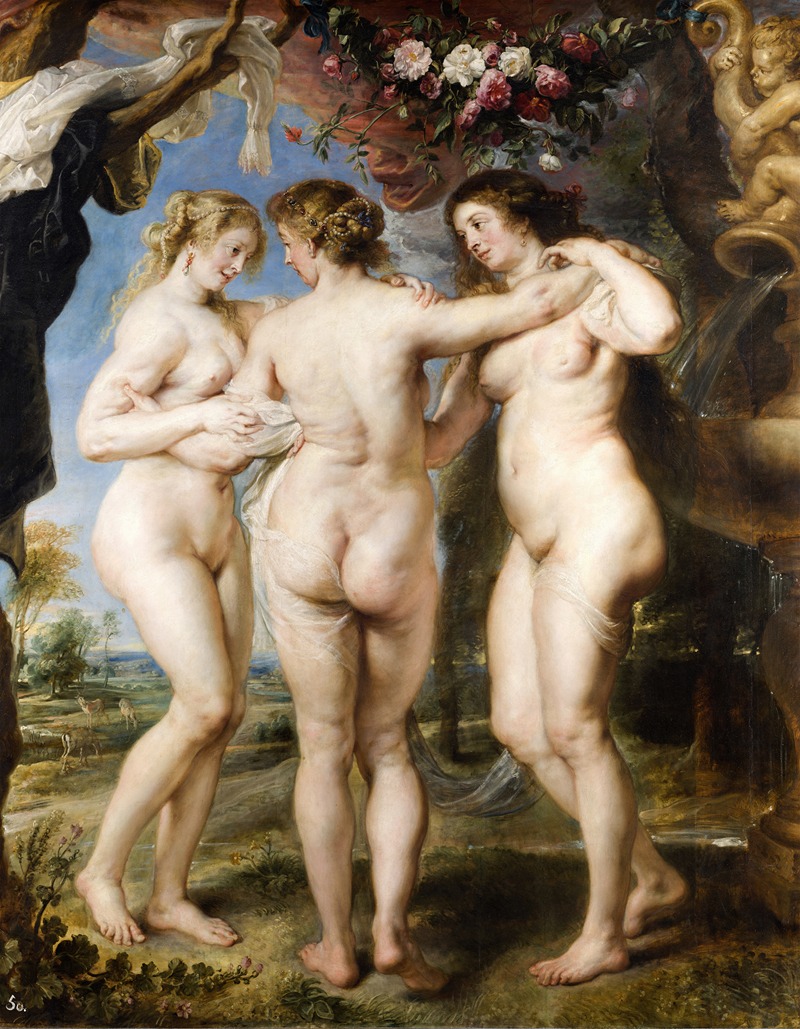
Could a single brushstroke hold eternity? In Apollo and Marsyas, Hans Thoma invites us into a moment where serenity and tension entwine, capturing the essence of myth and artistry. Look to the center of the canvas, where Apollo's tranquil visage contrasts sharply with the anguished expression of Marsyas. The harmonious palette — gentle greens and soft golds — envelops this fateful encounter. Notice how the light falls delicately upon Apollo, illuminating his divine features, while shadows dance around Marsyas, encapsulating his desperate fate.
Thoma’s brushwork, fluid yet precise, guides the viewer's gaze, drawing us into the emotional core, where beauty and tragedy coexist. Delve deeper into the intricacies of the composition. The serene expression of Apollo, with his lyre cradled tenderly, suggests both mastery and arrogance. In contrast, Marsyas, bound and vulnerable, signifies the peril in artistic ambition.
The distance between them is palpable, evoking a sense of impending doom, as if every note played seals Marsyas' fate. This tension between creator and creation resonates, questioning the very nature of artistry and sacrifice. In 1888, Thoma painted this work during a period of artistic exploration in Germany, where the Romantic movement was giving way to newer styles. He was grappling with the balance between tradition and innovation, reflecting the broader shifts within the art world.
This painting emerged from a place of personal and cultural transformation, embodying the dichotomies of myth, beauty, and fate that characterize his oeuvre.
More Artworks by Hans Thoma
Browse all →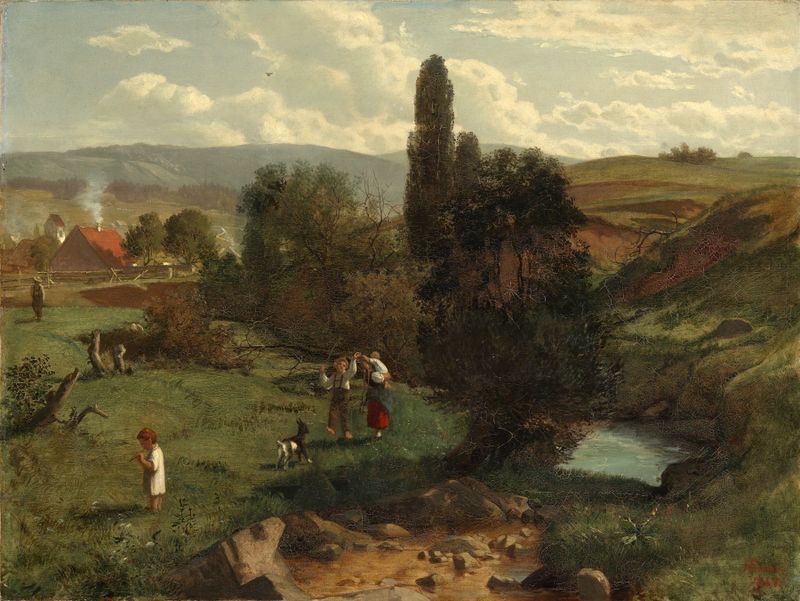
Schwarzwaldlandschaft
Hans Thoma
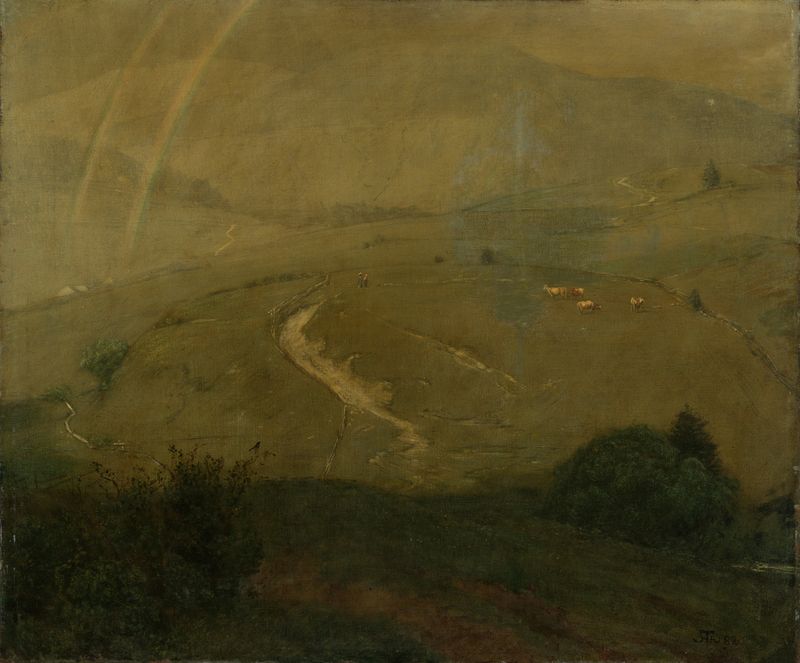
Regen im Schwarzwald
Hans Thoma
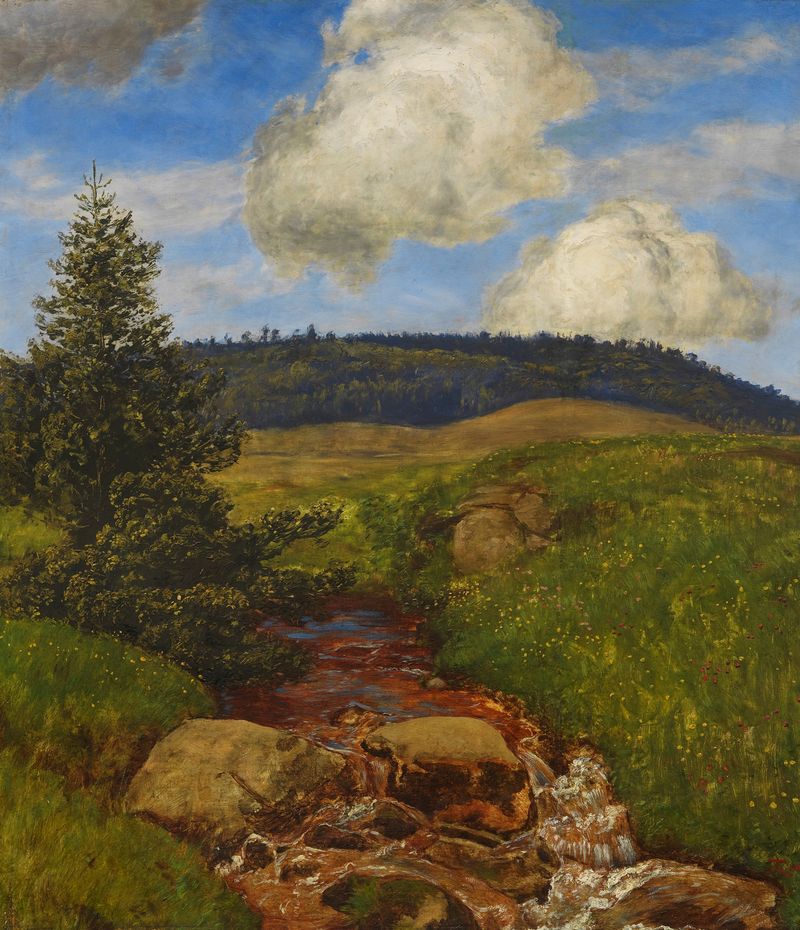
Schwarzwaldbach
Hans Thoma
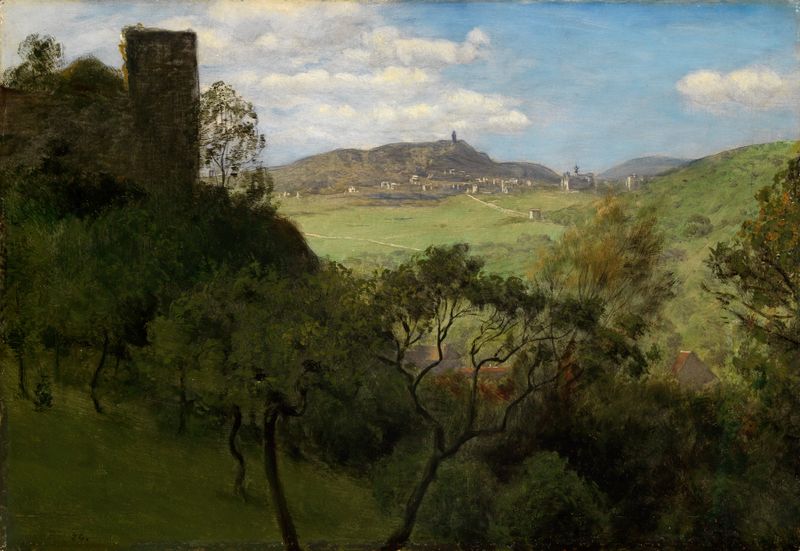
Blick auf Falkenstein im Taunus
Hans Thoma
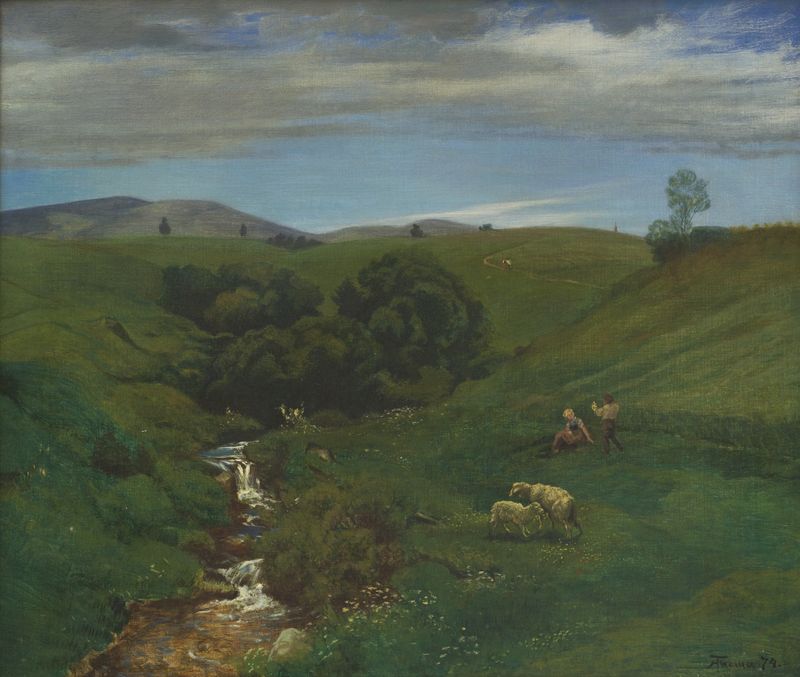
Black Forest Meadow near Bernau
Hans Thoma
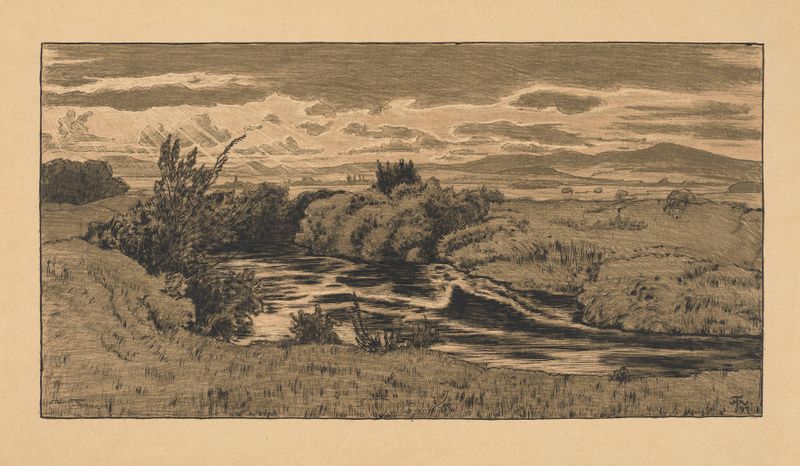
Evening by the Nidda River
Hans Thoma
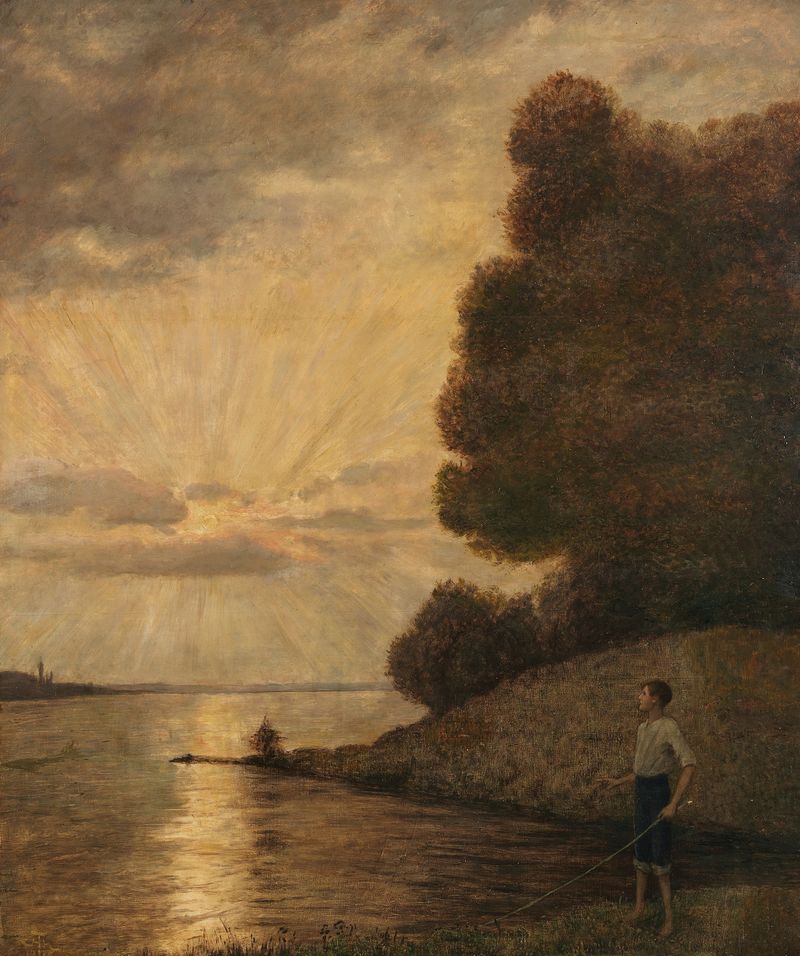
Sonnenuntergang am Oberrhein
Hans Thoma
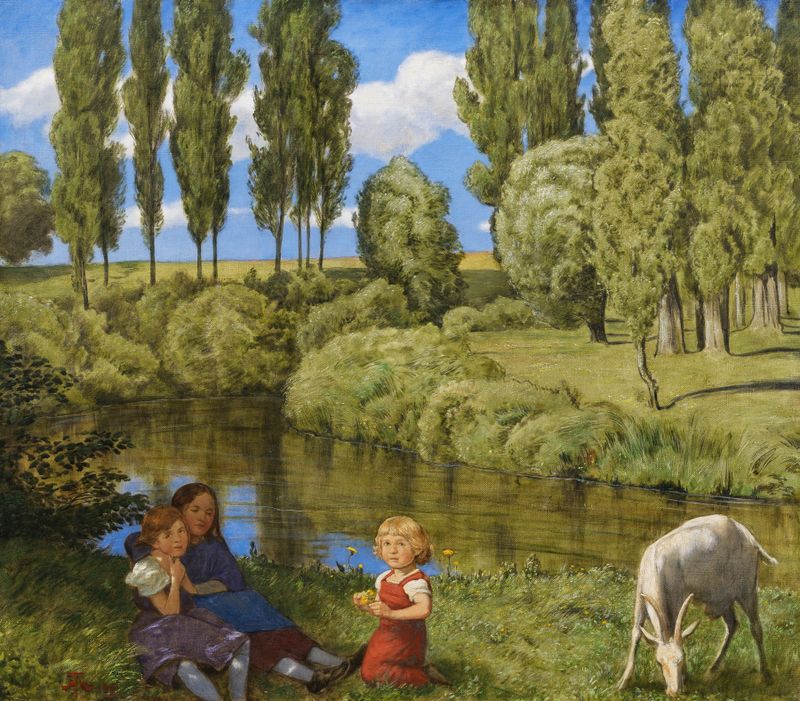
Am Stillen Bach
Hans Thoma
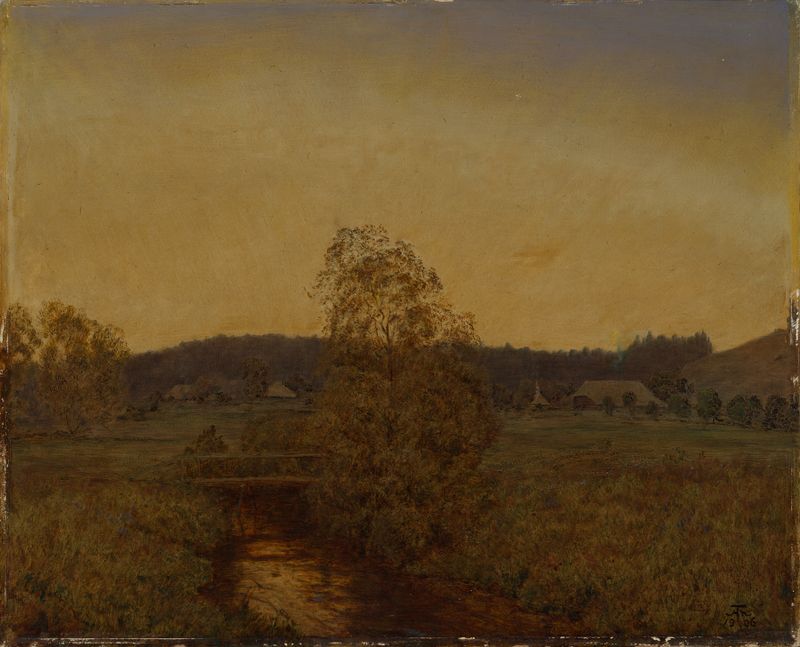
Der Abendstern
Hans Thoma
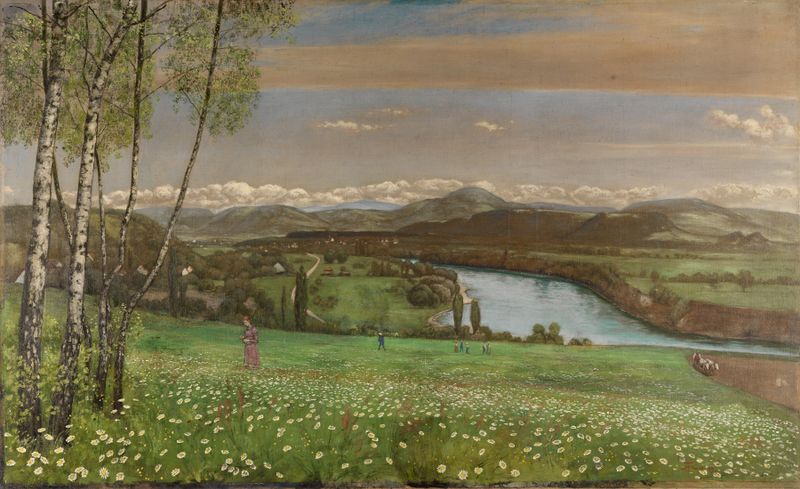
Das Rheintal bei Säckingen
Hans Thoma