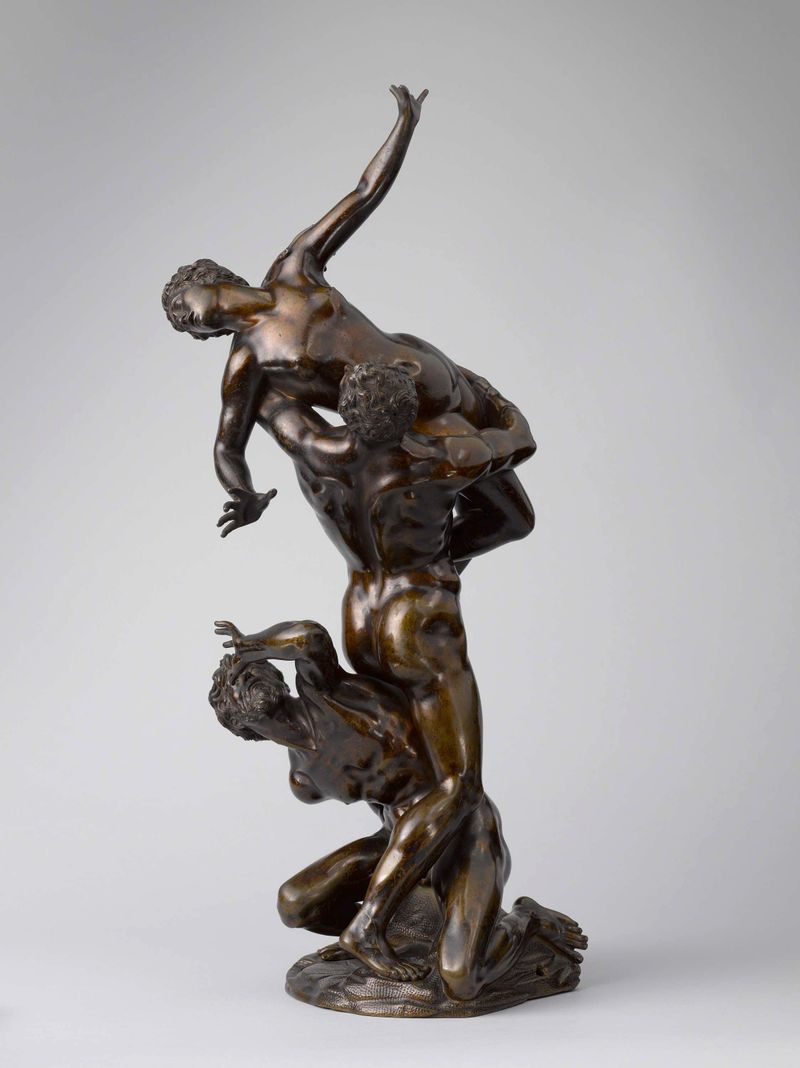
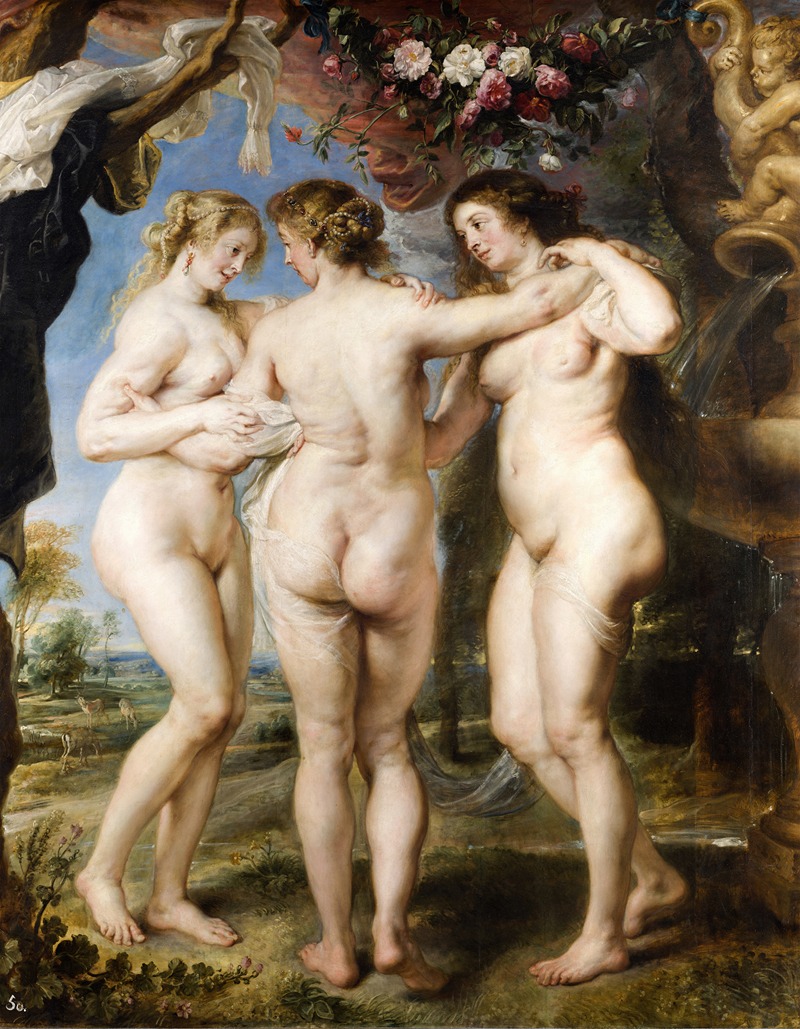
Apollo en Diana — History & Facts
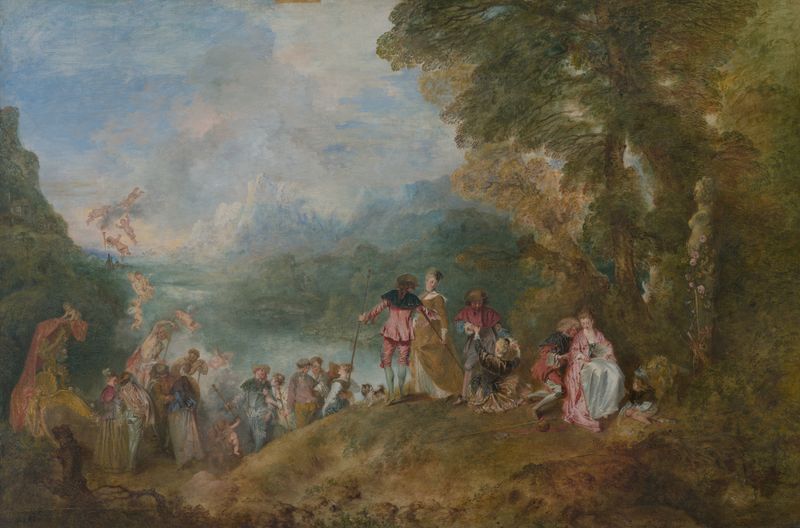
What if beauty was never meant to be finished? In the work of Dürer, we find a tantalizing tension between perfection and imperfection, as if the artist was forever reaching for a transcendent ideal just beyond his grasp. Look to the center, where Apollo and Diana stand in a graceful pose, their bodies intertwined in a dance of mythological harmony. Notice how the light bathes them in a soft glow, emphasizing the delicate nuances of their forms. The rich tones of the forest behind them contrast with their ethereal figures, capturing an enchanting moment suspended in time.
The meticulous detail in their expressions reveals a deep emotional connection, inviting viewers to delve into the depths of their divine personas. Beneath the surface of this idyllic scene lies a deeper commentary on the nature of duality. The juxtaposition of Apollo, the sun god, and Diana, the moon goddess, speaks to the eternal interplay between light and shadow, creation and destruction. The surrounding flora—lush yet wild—mirrors the chaotic beauty of the natural world, suggesting that perfection is not found in stillness but in the dynamic rhythm of existence.
Each leaf and petal seems to pulse with life, as if reminding us that true beauty emerges from the embrace of revolution. Painted between 1501 and 1506, this piece reflects Dürer’s pivotal moment in Nuremberg, where he was at the forefront of the Northern Renaissance. During this period, the artist was experimenting with new techniques and ideas, striving to merge classical themes with the rich detail of Germanic traditions. The changing landscape of art, marked by an exploration of humanism and nature, influenced his approach, culminating in this masterful portrayal of divine beauty.
More Artworks by Albrecht Dürer
Browse all →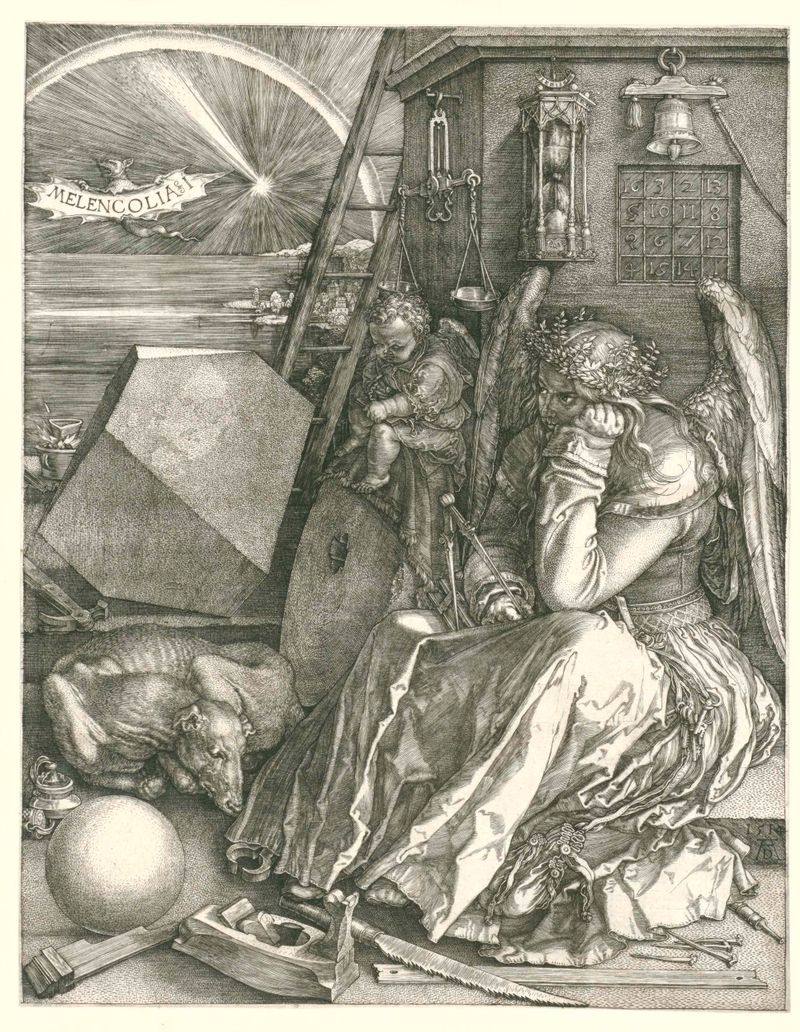
Melancholia
Albrecht Dürer
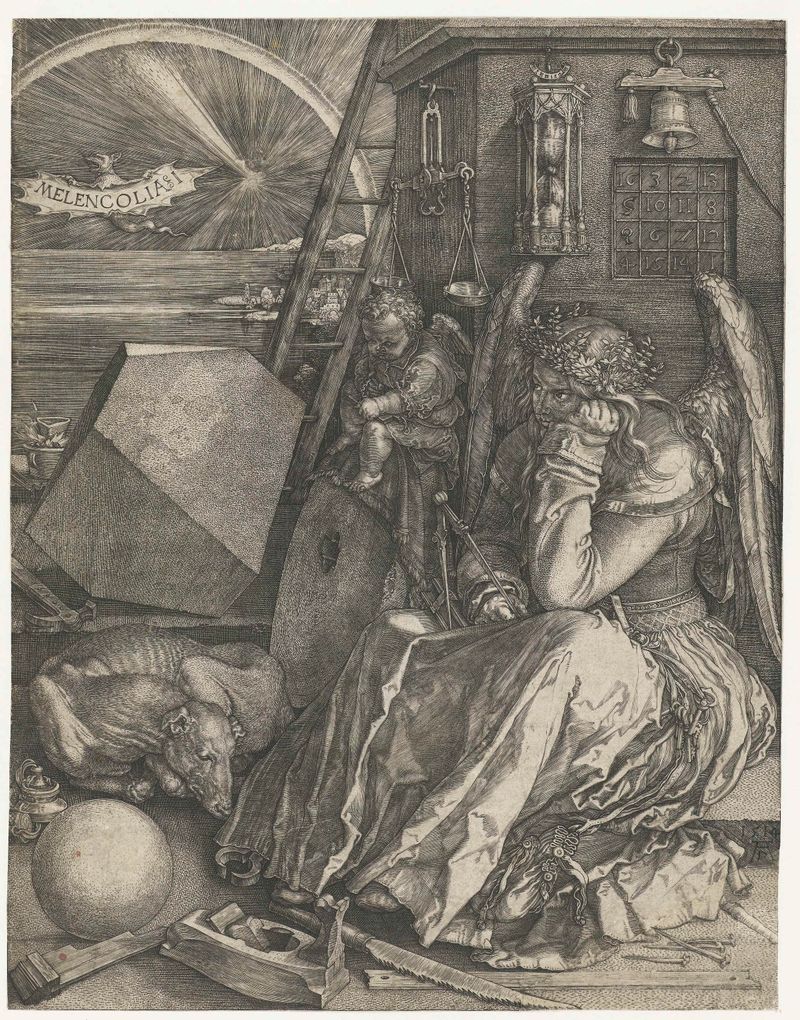
Melancholie
Albrecht Dürer
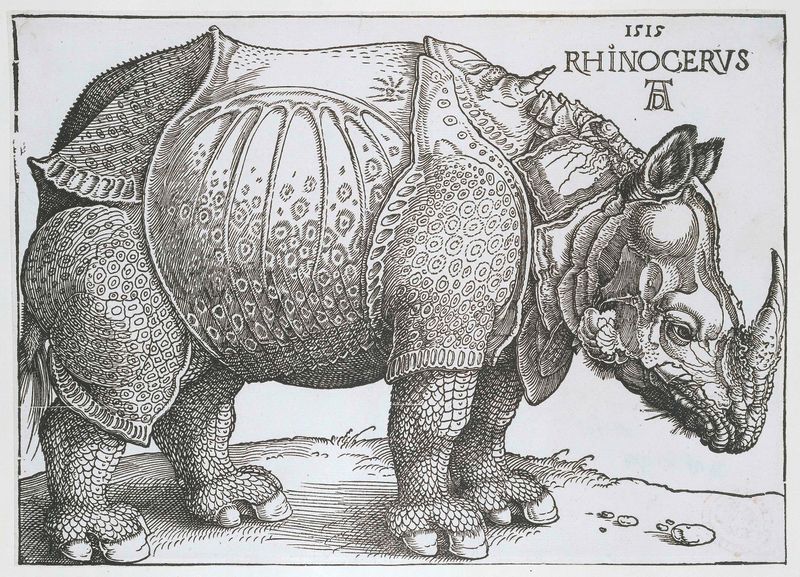
Neushoorn
Albrecht Dürer
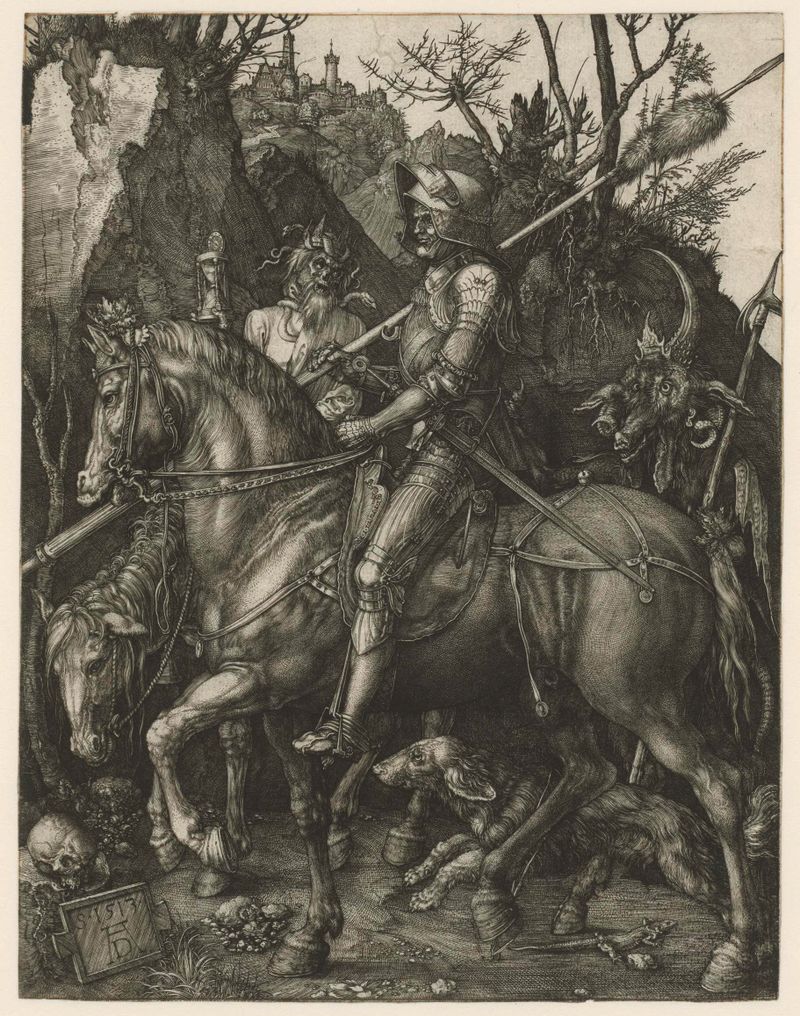
Knight, Death, and the Devil
Albrecht Dürer

De vier ruiters van de apocalyps
Albrecht Dürer

De vier ruiters van de apocalyps
Albrecht Dürer
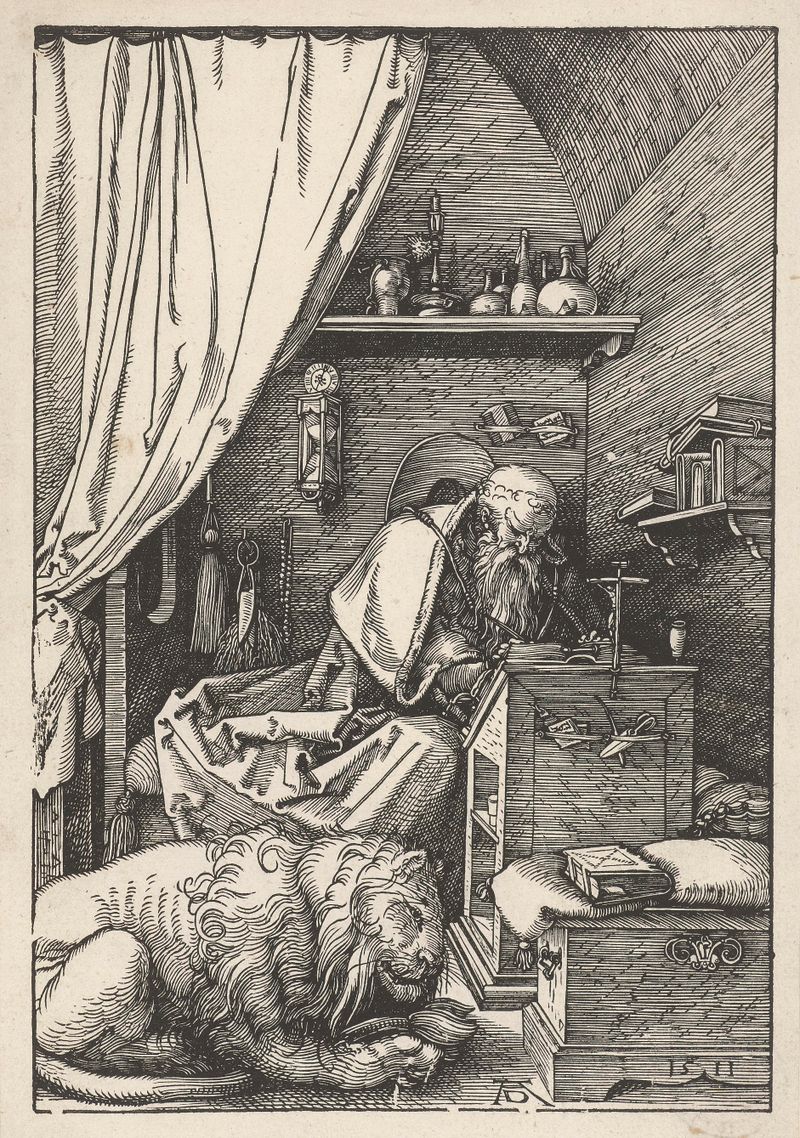
De Heilige Hiëronymus in zijn studeervertrek
Albrecht Dürer
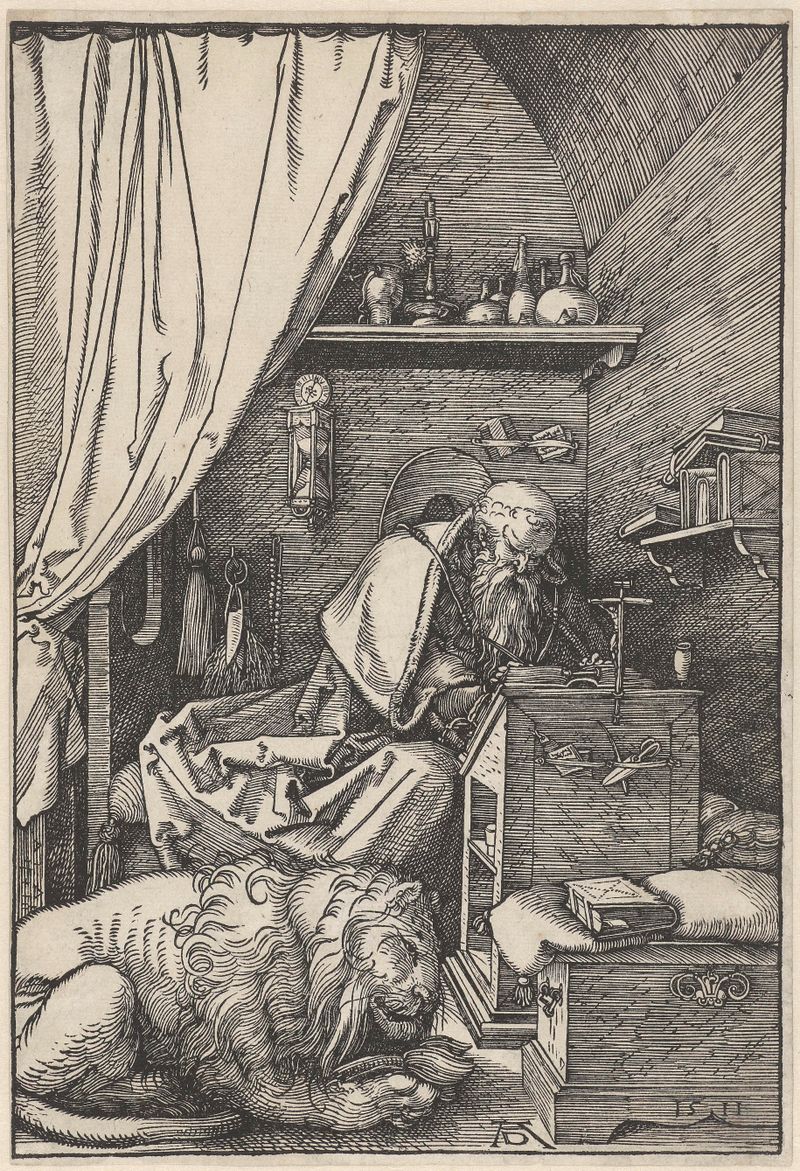
De Heilige Hiëronymus in zijn studeervertrek
Albrecht Dürer
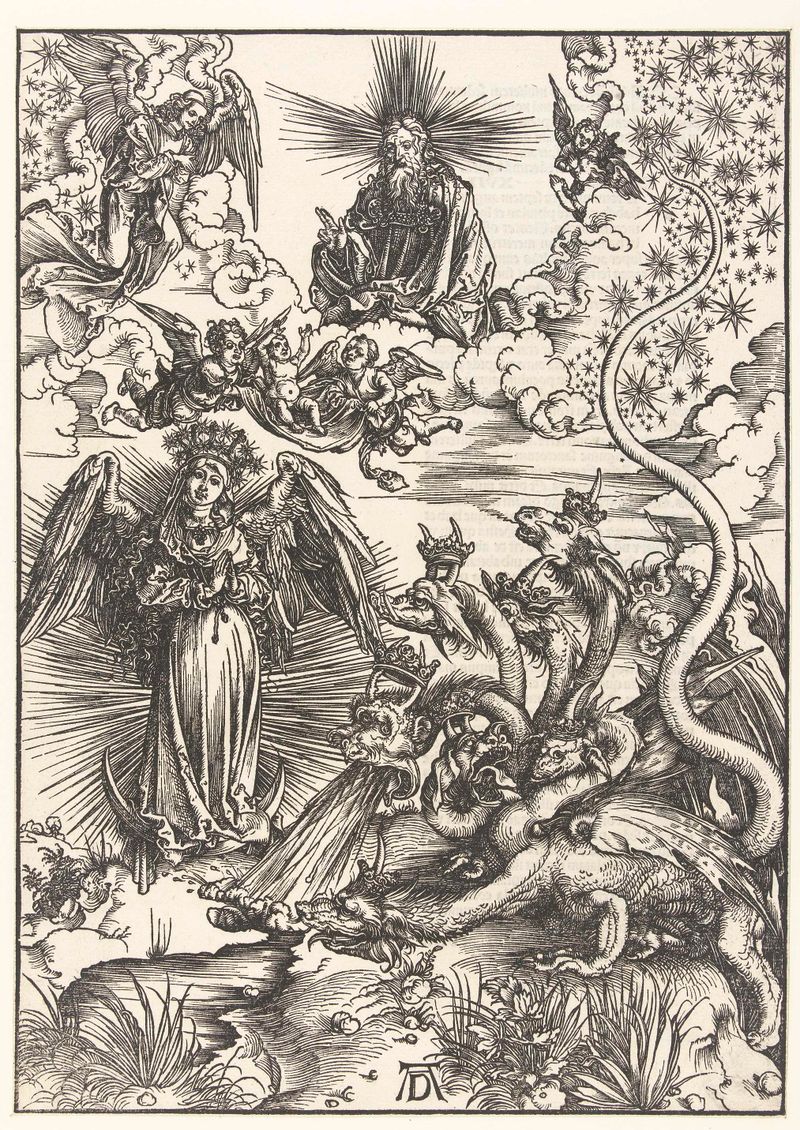
De apocalyptische vrouw en de zevenkoppige draak
Albrecht Dürer
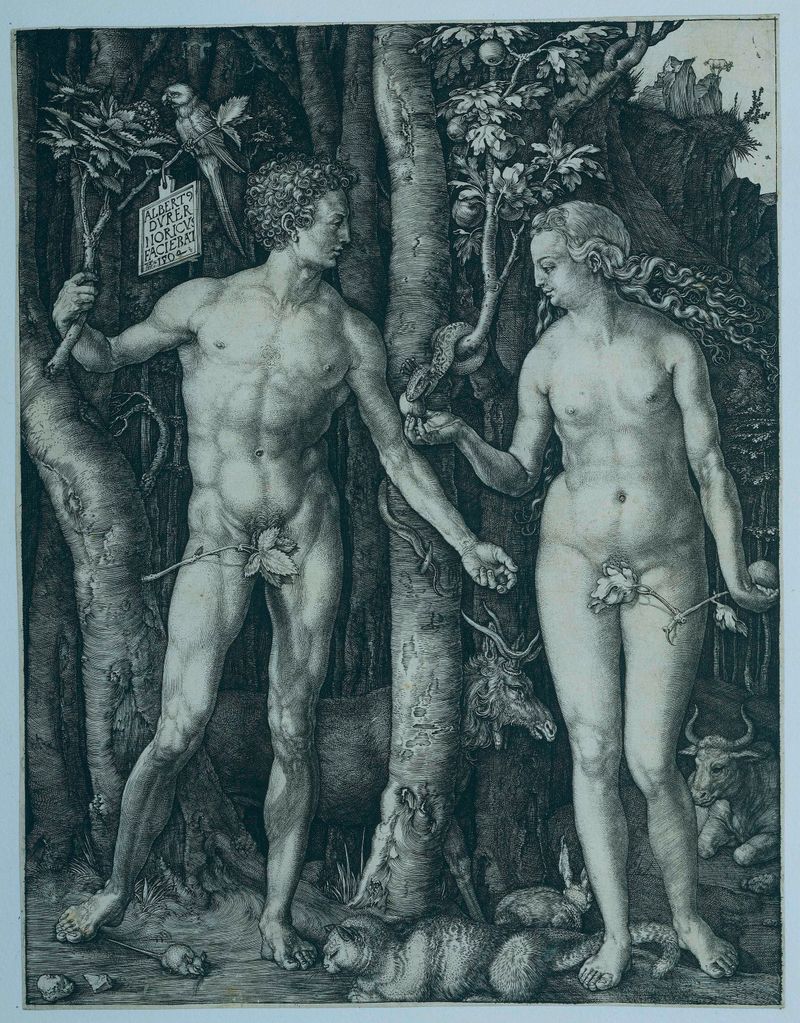
Adam en Eva
Albrecht Dürer