
Apostel Andreas — History & Facts
Faith finds its form in the hands of the artist, transforming turmoil into a tranquil embodiment of devotion. Focus on the figure at the center, the Apostle Andrew, rendered with a cascade of drapery that flows seamlessly around him. Look closely at the intricate details of the fabric; the delicate folds and shadows bring a lifelike quality to the garment. The muted palette—earthy browns and soft whites—hints at humility, while subtle highlights draw your eye to his contemplative expression, inviting you to ponder his spiritual journey. In the background, a symphony of smaller figures engages in a bustling scene, evoking the complexities of belief and the human experience.
The dynamic contrast between Andrew’s calm presence and the animated crowd illustrates a profound tension—between solitude and community, the individual and the collective. Each figure seems to embody a different aspect of faith, suggesting that spirituality can be both a personal exploration and a shared endeavor. Jacques Callot created this piece in 1631 during a period of significant upheaval in Europe, marked by the Thirty Years' War. Living in Nancy, he was immersed in a world grappling with conflict and uncertainty, which deeply influenced his work.
The artist's unique ability to capture the interplay of emotion and narrative amidst chaos solidified his place in Baroque art, where this painting stands as a testament to the enduring power of faith.
More Artworks by Jacques Callot
Browse all →
Titelprent voor de prentreeks 'De kleine apostelen' (Het martelaarschap van de apostelen)
Jacques Callot
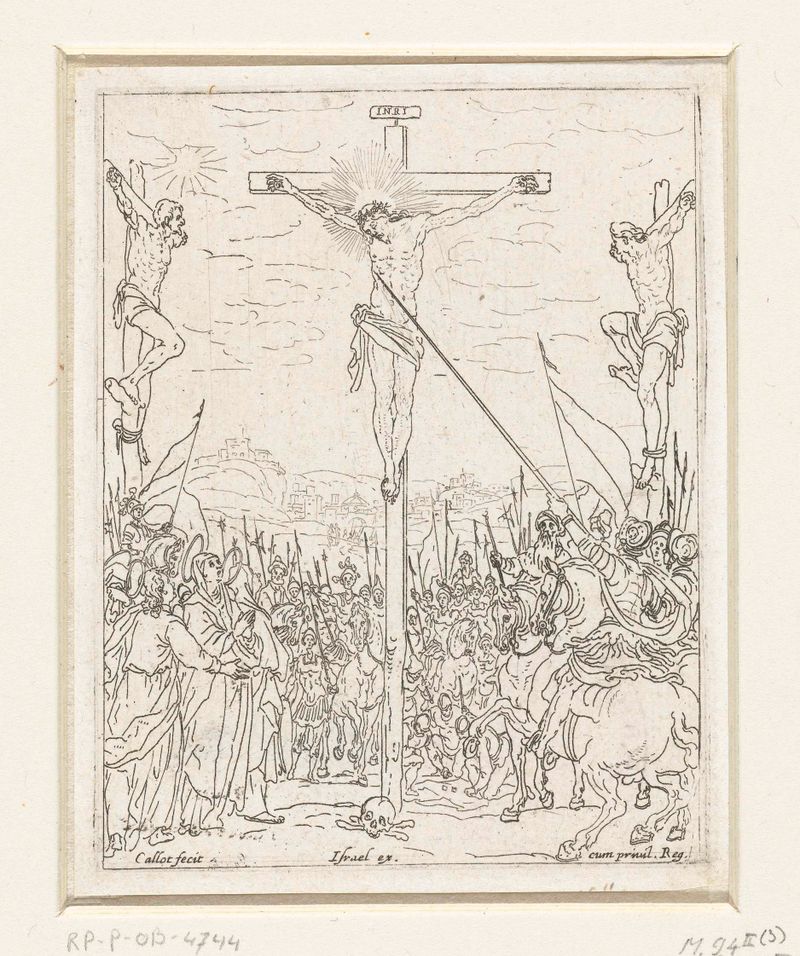
Kruisiging
Jacques Callot

De doortocht door de Rode Zee
Jacques Callot

De verloren zoon als zwijnenhoeder
Jacques Callot

Annunciatie
Jacques Callot
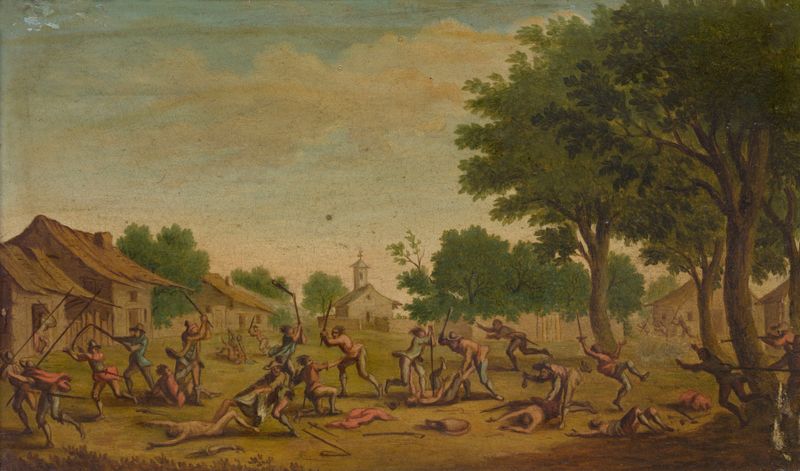
Village Fight
Jacques Callot

Titelprent voor prentreeks 'Het leven van Maria'
Jacques Callot
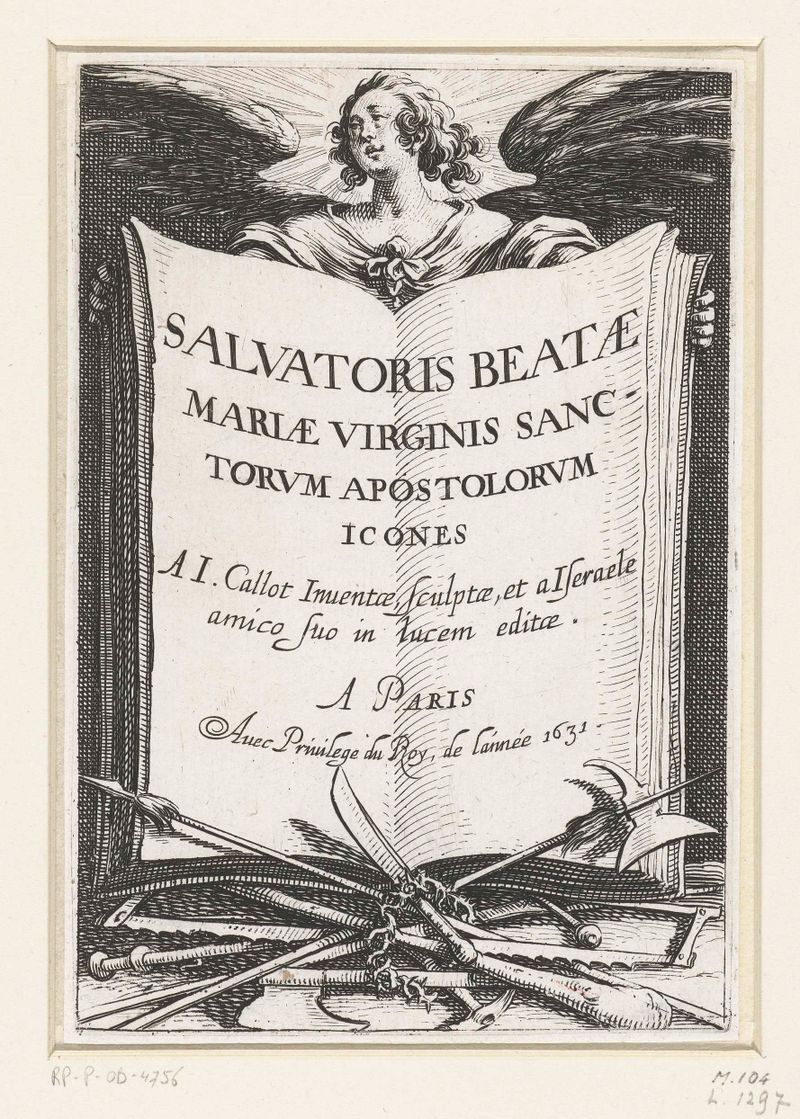
Titelprent voor de prentreeks 'De grote apostelen' (Christus, Maria en de apostelen)
Jacques Callot

Christus aan het volk getoond (Ecce homo)
Jacques Callot
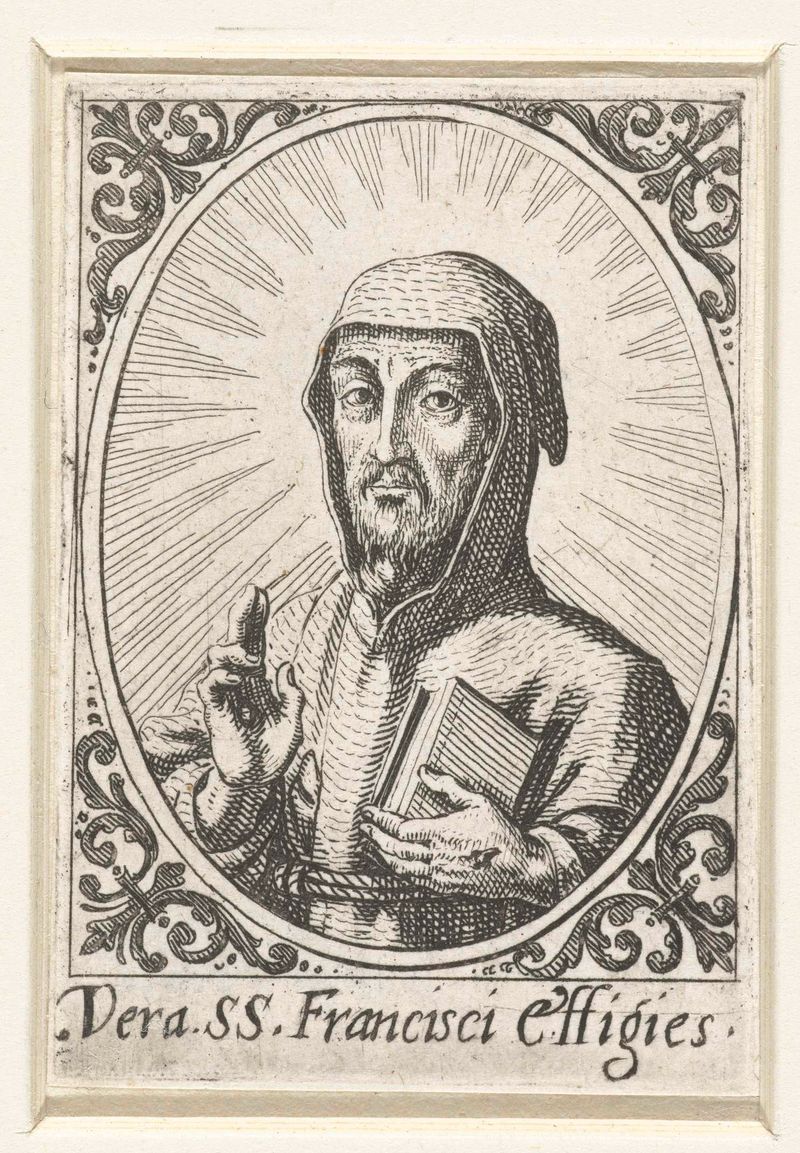
Portret van de Heilige Franciscus
Jacques Callot
More Religious Art
Browse all →
The Return of the Prodigal Son
Rembrandt van Rijn

The Garden of Earthly Delights
El Bosco

Count Orgaz’ funeral
El Greco

The Hundred Guilder Print: the central piece with Christ preaching, the plate arched
Rembrandt van Rijn

The Descent from the Cross
Rogier van der Weyden

The return of the prodigal son
Rembrandt van Rijn