
Apostel Bartholomeüs — History & Facts
This paradox invites us to explore the delicate interplay of time and perception in art, where each stroke can echo through eternity. A moment captured on canvas can transform into a dialogue, one that speaks to our very existence across ages. Look closely at the figure, bathed in a gentle chiaroscuro that draws your gaze to the deep folds of the robe. The somber hues of the garment contrast sharply with the luminous skin tones, suggesting a divine illumination within.
The artist’s meticulous attention to detail in the textures—each fabric wrinkle, the softness of the flesh—invites a tactile response, compelling you to reach out and connect with the essence of the Apostle. Subtle variations in light create a sense of depth, allowing the viewer to almost feel the weight of his presence. This work encapsulates the tension between the sacred and the mundane, reflecting the Apostle’s contemplation of his role in the world. The stillness of his pose, paired with a penetrating gaze, invites questions about faith and purpose.
The play of shadows hints at the passage of time, suggesting that the wisdom of ages past rests heavily upon his shoulders. Within his quiet demeanor lies a profound understanding of humanity's trials—an eternal struggle illuminated by the flickering light of hope. In 1631, Jacques Callot painted this piece while experiencing both personal and professional turmoil, navigating the shifting tides of Baroque art in France. At this time, the artist was known for his ability to blend theatricality and realism, creating works that resonated with the spiritual and the temporal.
The piece stands as a testament to his mastery, encapsulating a moment of introspection within the greater narrative of faith and existence.
More Artworks by Jacques Callot
Browse all →
Titelprent voor de prentreeks 'De kleine apostelen' (Het martelaarschap van de apostelen)
Jacques Callot
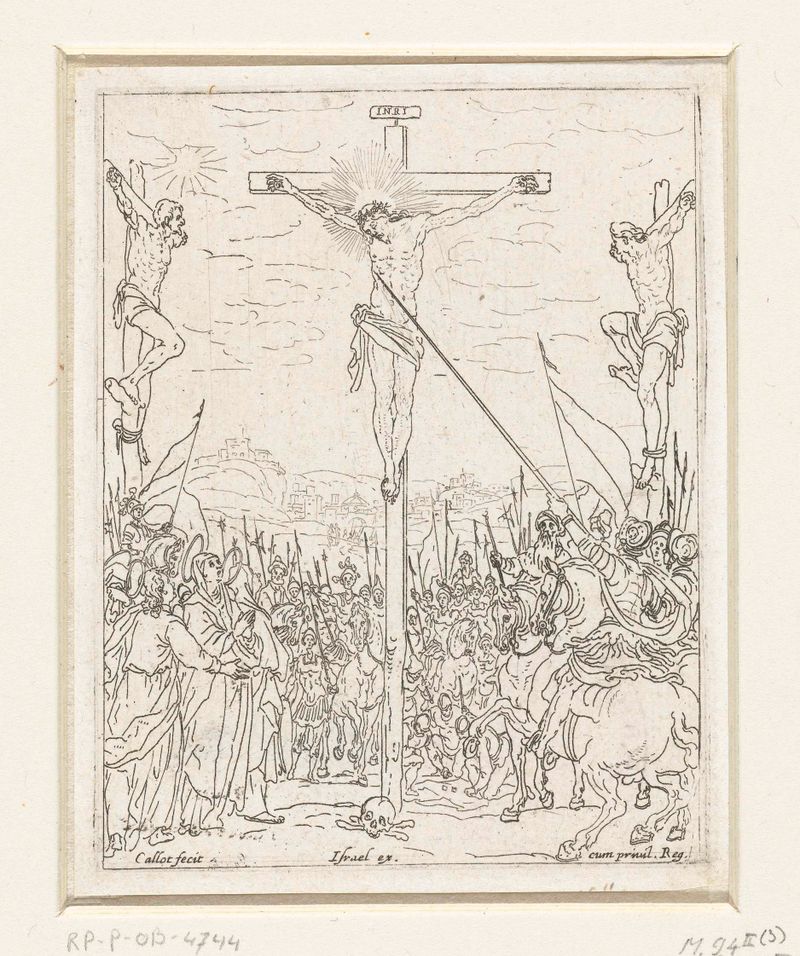
Kruisiging
Jacques Callot

De doortocht door de Rode Zee
Jacques Callot

De verloren zoon als zwijnenhoeder
Jacques Callot

Annunciatie
Jacques Callot
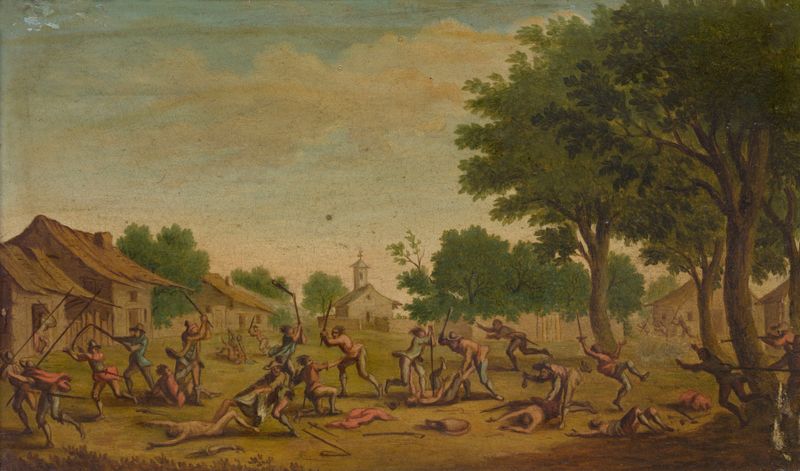
Village Fight
Jacques Callot

Titelprent voor prentreeks 'Het leven van Maria'
Jacques Callot
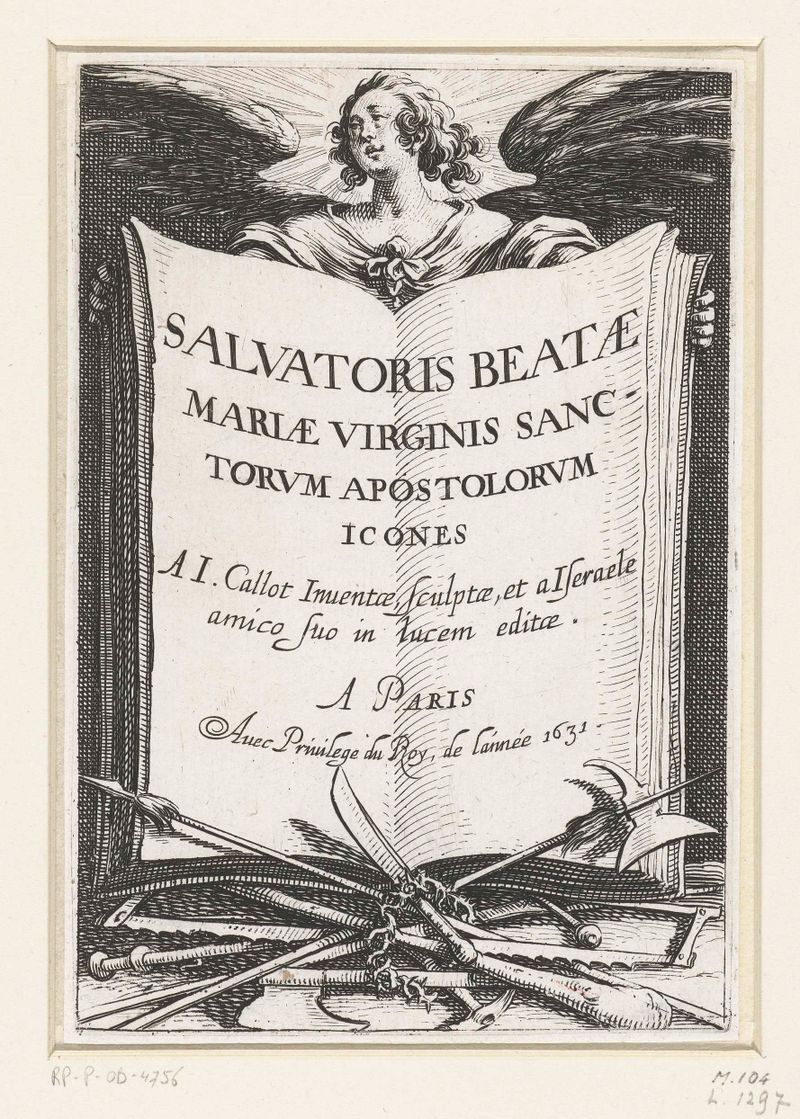
Titelprent voor de prentreeks 'De grote apostelen' (Christus, Maria en de apostelen)
Jacques Callot

Christus aan het volk getoond (Ecce homo)
Jacques Callot
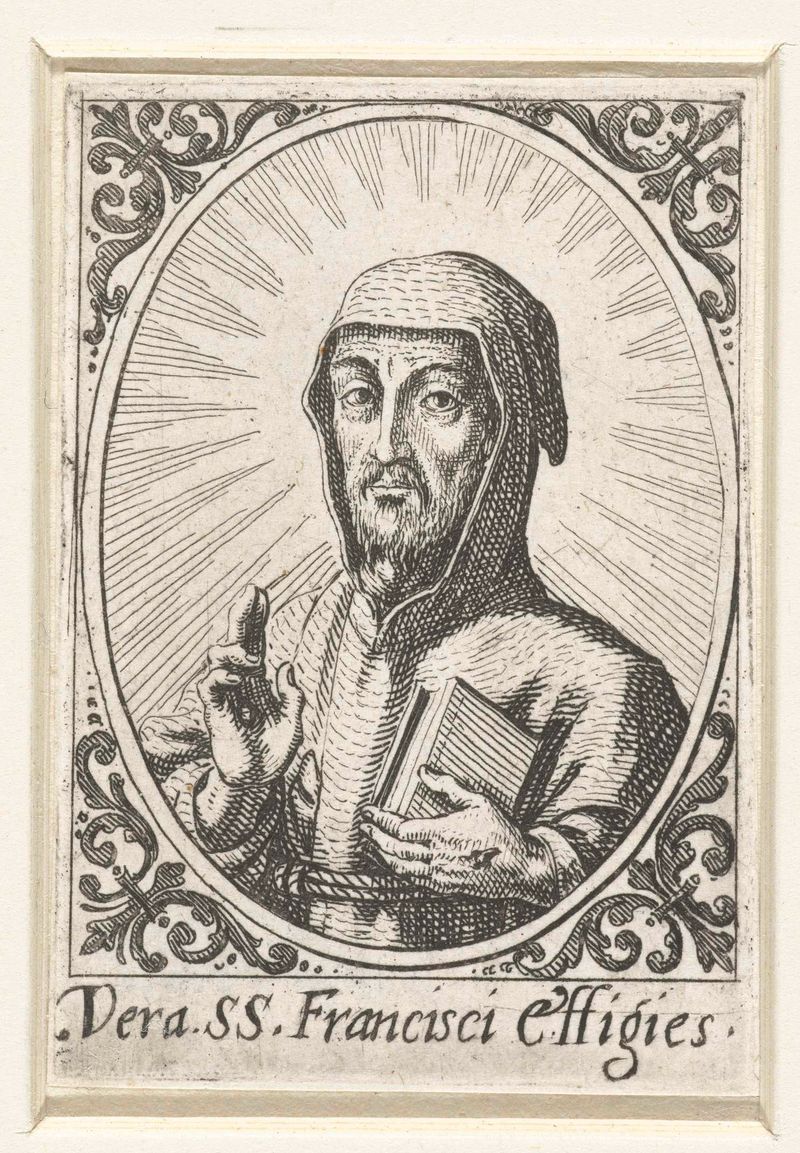
Portret van de Heilige Franciscus
Jacques Callot
More Religious Art
Browse all →
The Return of the Prodigal Son
Rembrandt van Rijn

The Garden of Earthly Delights
El Bosco

Count Orgaz’ funeral
El Greco

The Hundred Guilder Print: the central piece with Christ preaching, the plate arched
Rembrandt van Rijn

The Descent from the Cross
Rogier van der Weyden

The return of the prodigal son
Rembrandt van Rijn