
Apostel Filippus — History & Facts
Can beauty exist without sorrow? In Apostel Filippus, the delicate tension between grace and grief unfolds across the canvas, inviting us to ponder the essence of movement in the divine and the human experience. Look closely at the figure of Filippus, centered yet suffused with an ethereal glow that hints at a divine presence. The artist's masterful use of chiaroscuro creates a dramatic interplay of light and shadow, emphasizing the emotional weight that hangs in the air. Notice how the soft drapery of his robes flows around him, conveying a sense of motion that seems almost palpable, as if he were about to step forth from the frame.
The intricate details in the folds of fabric and the gentle curves of his posture silently echo the story unfolding in his heart. In this work, the contrast between exhilaration and somberness resonates deeply. Filippus’s expression, contemplative and melancholic, suggests a burden beyond mere mortal understanding. The slight upward tilt of his head implies a longing for connection, perhaps with the divine, while the surrounding darkness speaks to the loneliness that often accompanies such a quest.
The dynamic composition pulls the viewer into an introspective dialogue about faith, loss, and the revelation found in movement itself. Created in 1631, during a time of great change and turmoil in Europe, the artist, a pioneering figure in Baroque printmaking, was exploring the boundaries of emotional representation. Living in Nancy, Callot was influenced by the spiritual and artistic currents of his time, which sought to capture the complexities of human experience through visual narrative. In this piece, he navigates the profound depths of sorrow and beauty, reflecting the world around him with remarkable clarity.
More Artworks by Jacques Callot
Browse all →
Titelprent voor de prentreeks 'De kleine apostelen' (Het martelaarschap van de apostelen)
Jacques Callot
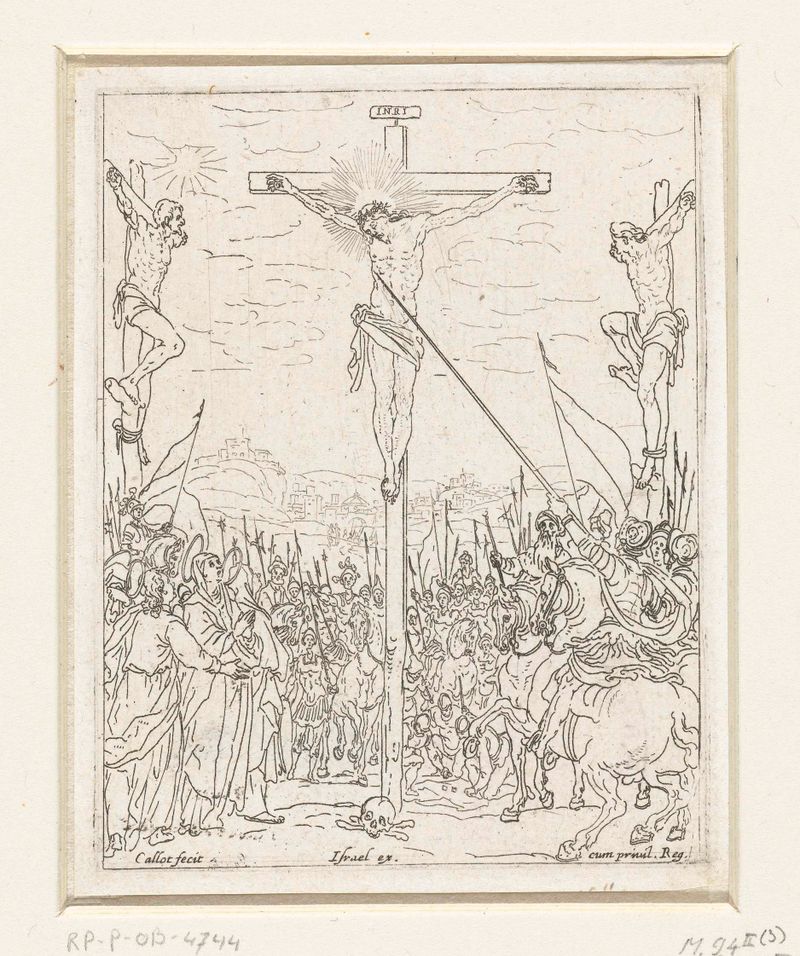
Kruisiging
Jacques Callot

De doortocht door de Rode Zee
Jacques Callot

De verloren zoon als zwijnenhoeder
Jacques Callot

Annunciatie
Jacques Callot
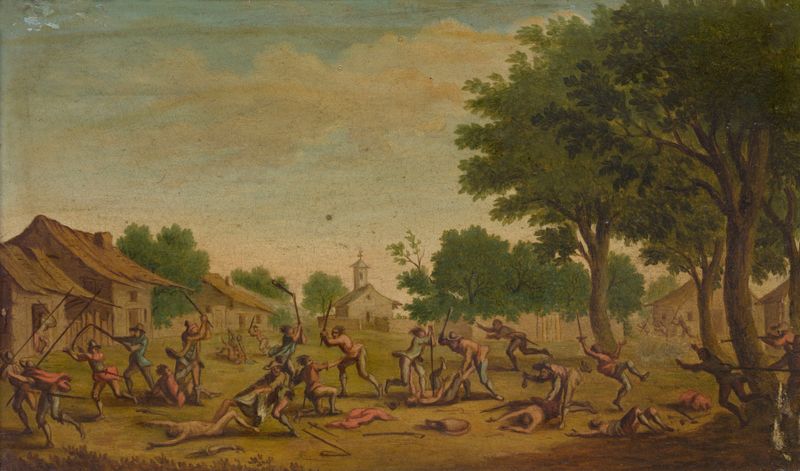
Village Fight
Jacques Callot

Titelprent voor prentreeks 'Het leven van Maria'
Jacques Callot
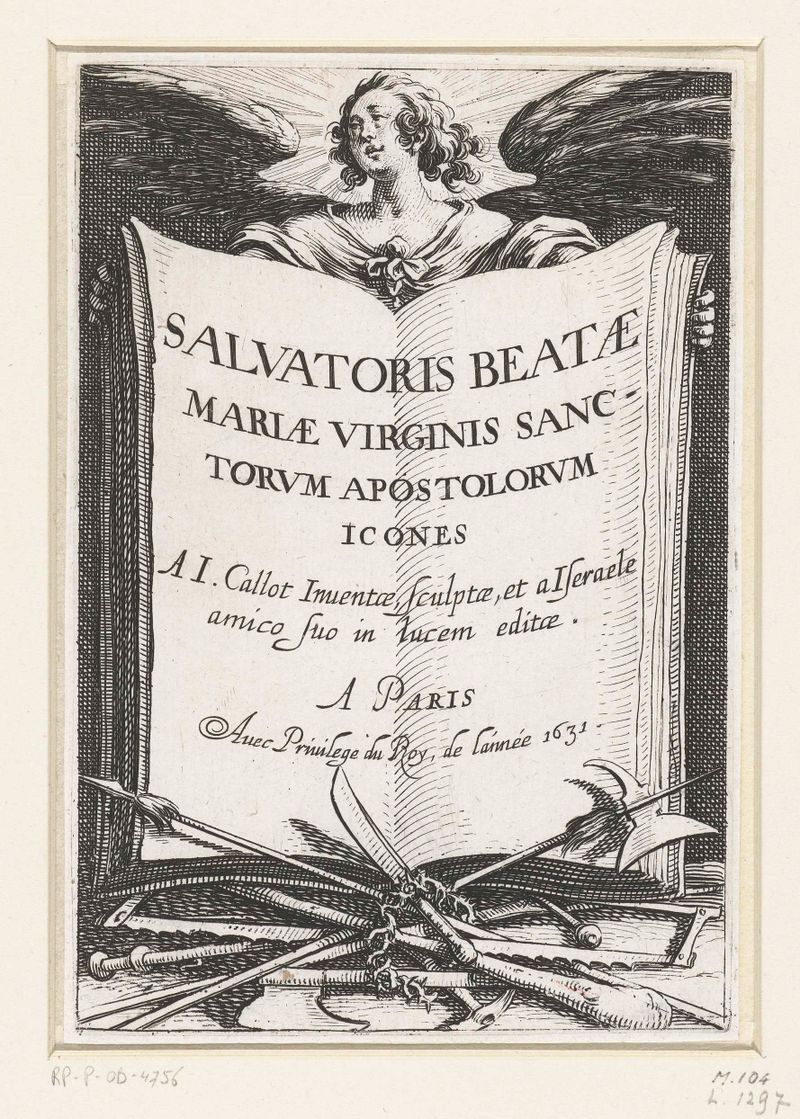
Titelprent voor de prentreeks 'De grote apostelen' (Christus, Maria en de apostelen)
Jacques Callot

Christus aan het volk getoond (Ecce homo)
Jacques Callot
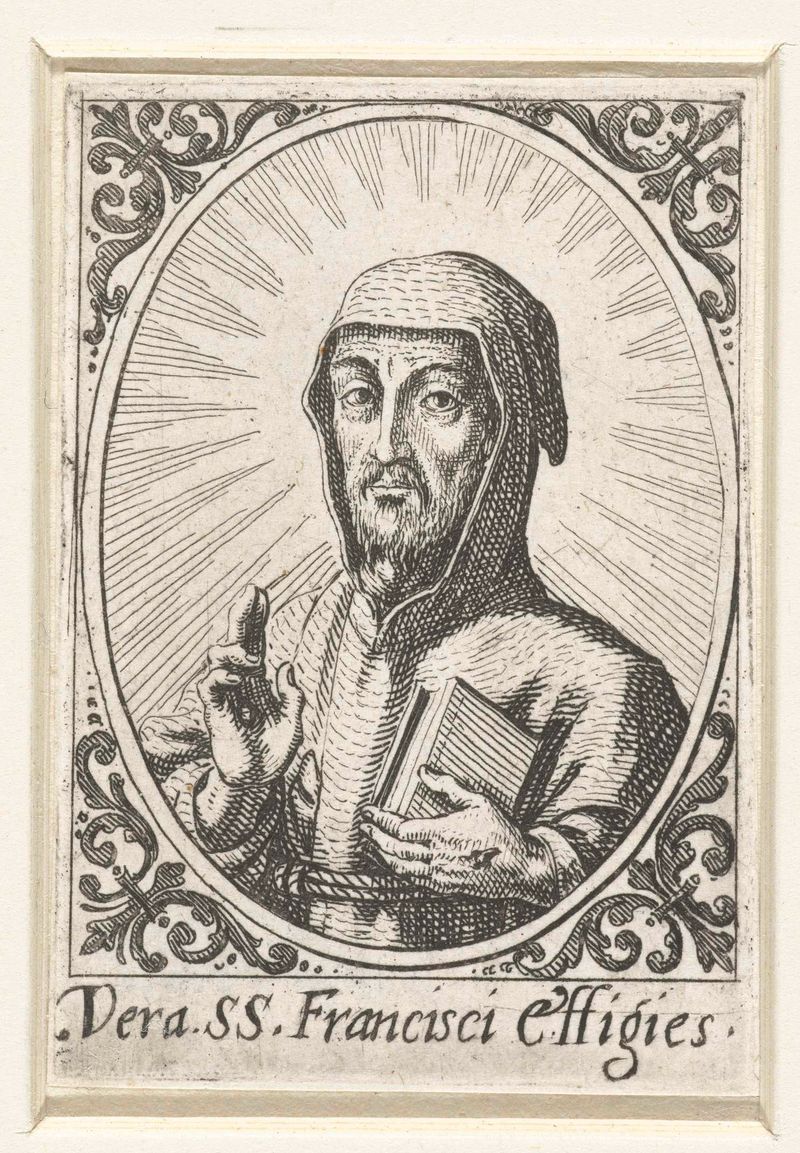
Portret van de Heilige Franciscus
Jacques Callot
More Religious Art
Browse all →
The Return of the Prodigal Son
Rembrandt van Rijn

The Garden of Earthly Delights
El Bosco

Count Orgaz’ funeral
El Greco

The Hundred Guilder Print: the central piece with Christ preaching, the plate arched
Rembrandt van Rijn

The Descent from the Cross
Rogier van der Weyden

The return of the prodigal son
Rembrandt van Rijn