
Apostel Jakobus de Meerdere — History & Facts
In the delicate interplay of light and shadow, the fragility of existence is laid bare. Look to the center of the composition where the figure of Saint James stands, poised yet vulnerable. His cloak, a deep azure, drapes elegantly, catching the light in a way that reveals the intricate textures of the fabric. Notice how Callot employs a muted palette, with soft earth tones that cascade around the saint, contrasting his vivid attire and drawing the eye to his contemplative expression.
The background is intentionally blurred, allowing the viewer to focus on this solitary figure, while the slight tilt of his head evokes a sense of introspection. The moment encapsulates a profound tension between divinity and mortality. The saint’s gesture, one of quiet reflection, speaks of faith tempered by the weight of human experience. The subtle use of space around him amplifies his isolation, suggesting that even in devotion, there exists an underlying fragility.
Each delicate line etched by Callot breathes life into the image, capturing the essence of a man caught in the balance of spiritual resolve and earthly doubts. Created in 1631, during a time when Callot was deeply engaged with themes of human emotion and spirituality, this piece reflects his fascination with the complexities of character. Living in Lorraine, amidst the turbulence of the Thirty Years' War, he sought to convey narratives that resonate beyond their immediate context, using art as both a refuge and a means of exploring the human condition.
More Artworks by Jacques Callot
Browse all →
Titelprent voor de prentreeks 'De kleine apostelen' (Het martelaarschap van de apostelen)
Jacques Callot
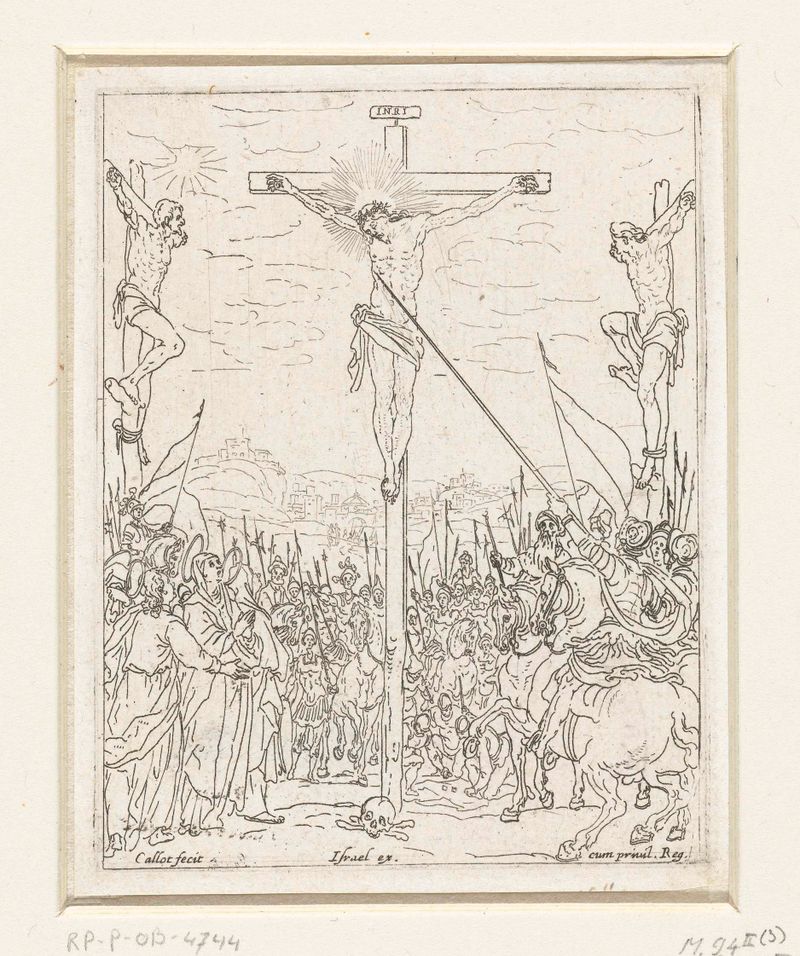
Kruisiging
Jacques Callot

De doortocht door de Rode Zee
Jacques Callot

De verloren zoon als zwijnenhoeder
Jacques Callot

Annunciatie
Jacques Callot
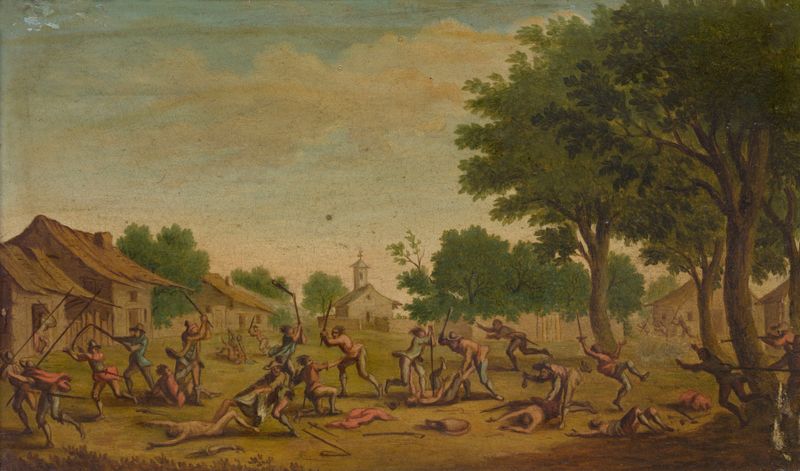
Village Fight
Jacques Callot

Titelprent voor prentreeks 'Het leven van Maria'
Jacques Callot
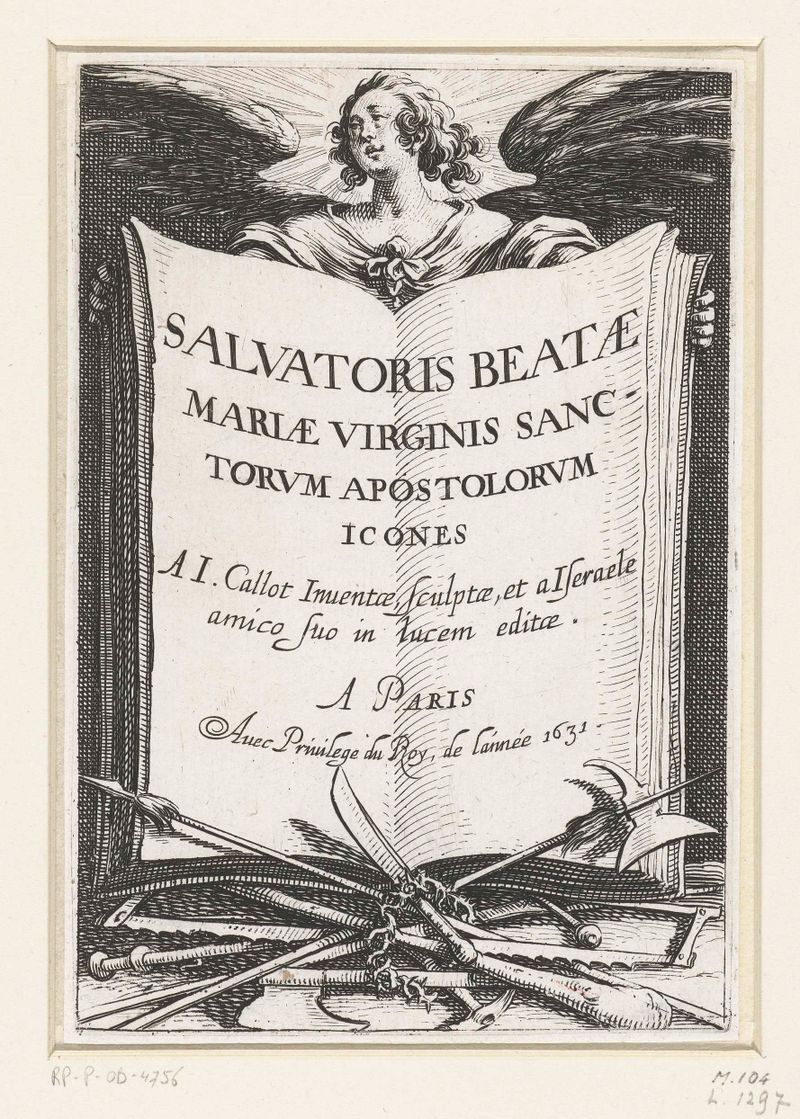
Titelprent voor de prentreeks 'De grote apostelen' (Christus, Maria en de apostelen)
Jacques Callot

Christus aan het volk getoond (Ecce homo)
Jacques Callot
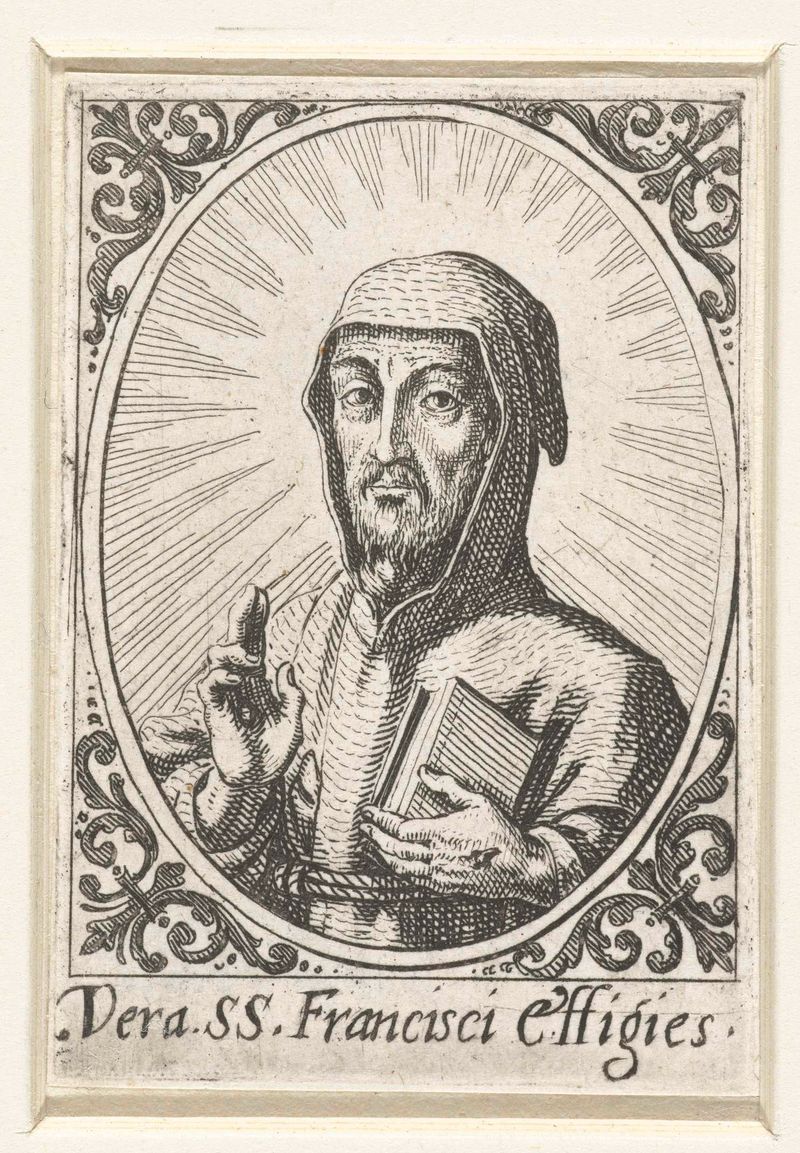
Portret van de Heilige Franciscus
Jacques Callot
More Religious Art
Browse all →
The Return of the Prodigal Son
Rembrandt van Rijn

The Garden of Earthly Delights
El Bosco

Count Orgaz’ funeral
El Greco

The Hundred Guilder Print: the central piece with Christ preaching, the plate arched
Rembrandt van Rijn

The Descent from the Cross
Rogier van der Weyden

The return of the prodigal son
Rembrandt van Rijn