
Apostel Johannes de Evangelist — History & Facts
In a world filled with noise and certainty, faith often finds its voice in the quietest moments. Look closely at the figure in the center, a solemn apostle draped in flowing garments that hint at his divine purpose. Notice how the soft light caresses the contours of his face, highlighting an expression that oscillates between introspection and conviction. The muted palette, dominated by earthy tones, creates a sacred atmosphere, drawing us into a dialogue that transcends time and space. The subtle details invite deeper contemplation: the delicate hands, poised as if in prayer, seem to grasp an unseen truth.
Behind him, shadows dance, suggesting the presence of unseen forces—doubt, hope, and the weight of faith. Callot's mastery of line and form creates a sense of tension, contrasting the stillness of the apostle with the dynamic energy of the world around him, illuminating the complexities of belief. In 1631, Jacques Callot was immersed in the Baroque movement, reflecting on themes of spirituality and human emotion. Living in France, he was influenced by the Counter-Reformation, which sought to rejuvenate Catholic faith through art.
At this time, he was experimenting with intaglio techniques, a process that allowed for intricate detail and profound expression, evident in this work that resonates with the heart of faith itself.
More Artworks by Jacques Callot

De verloren zoon als zwijnenhoeder
Jacques Callot
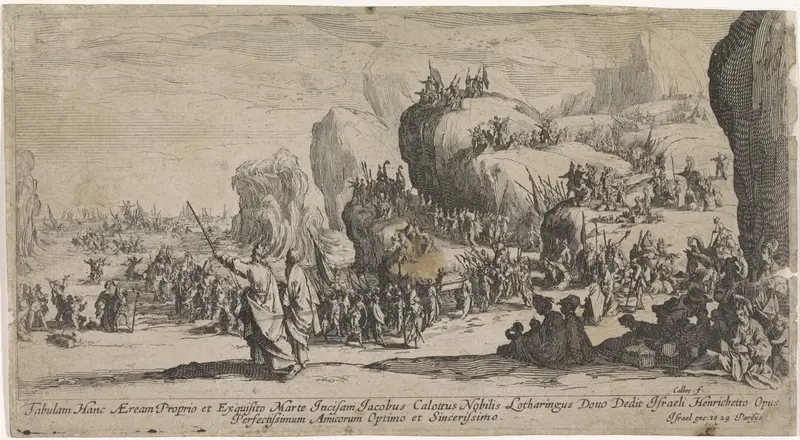
De doortocht door de Rode Zee
Jacques Callot

Kruisiging
Jacques Callot
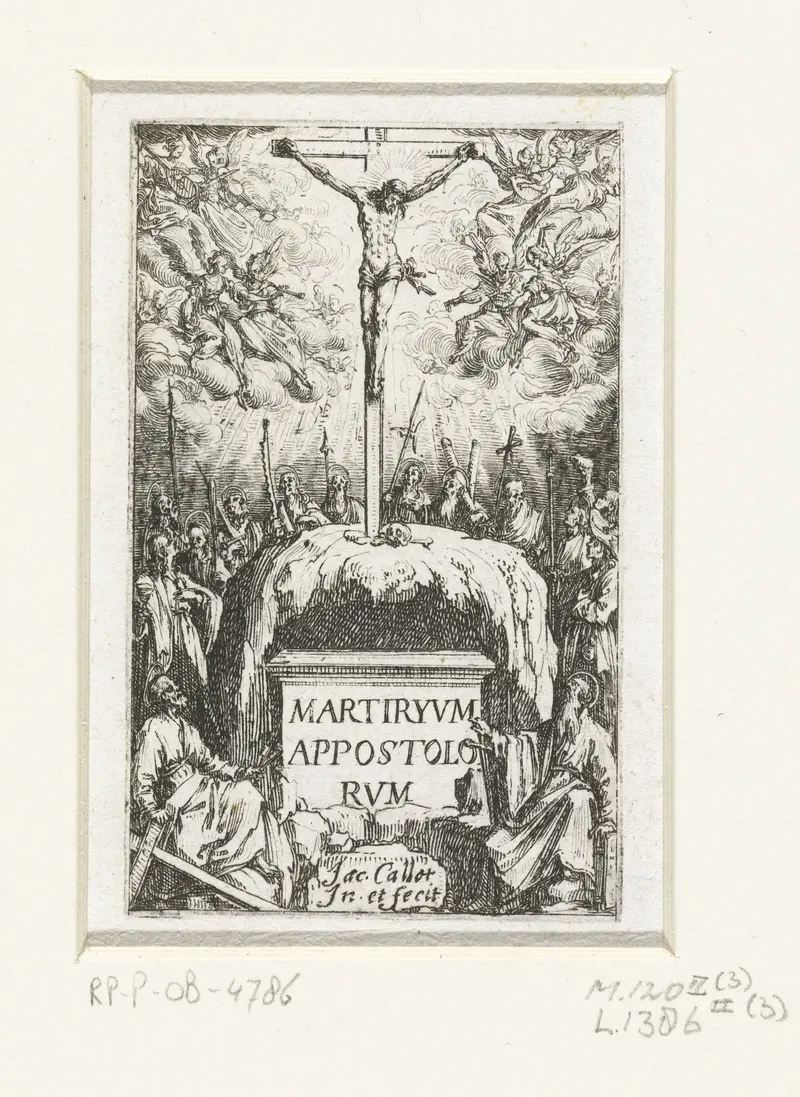
Titelprent voor de prentreeks 'De kleine apostelen' (Het martelaarschap van de apostelen)
Jacques Callot
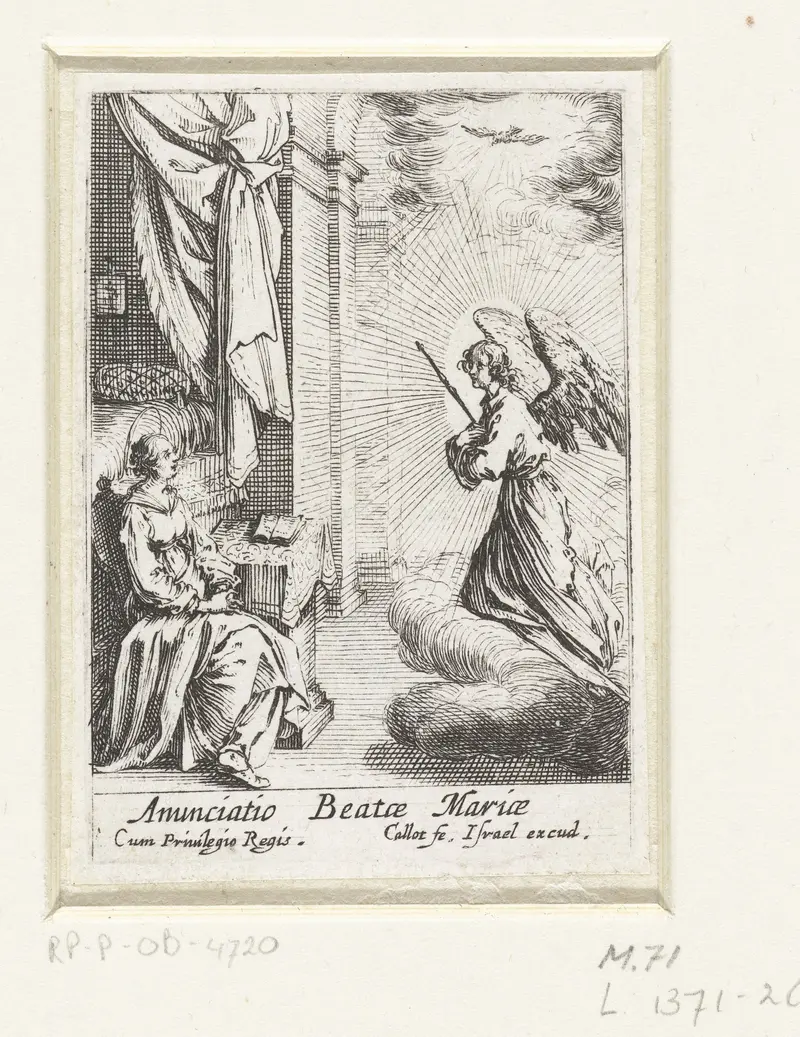
Annunciatie
Jacques Callot
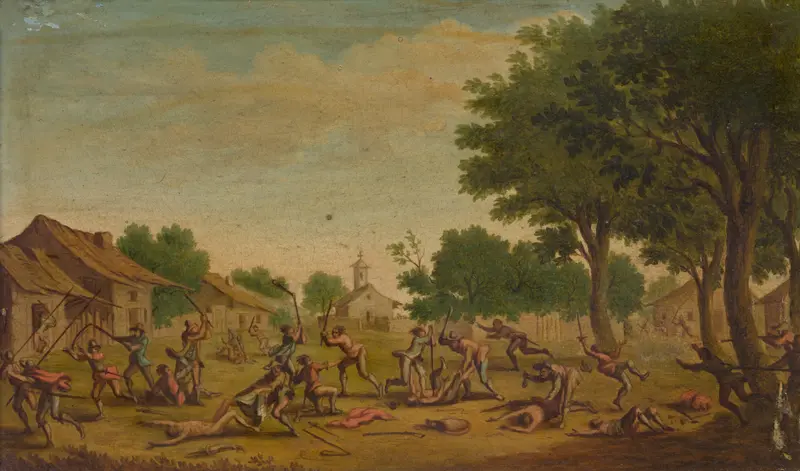
Village Fight
Jacques Callot
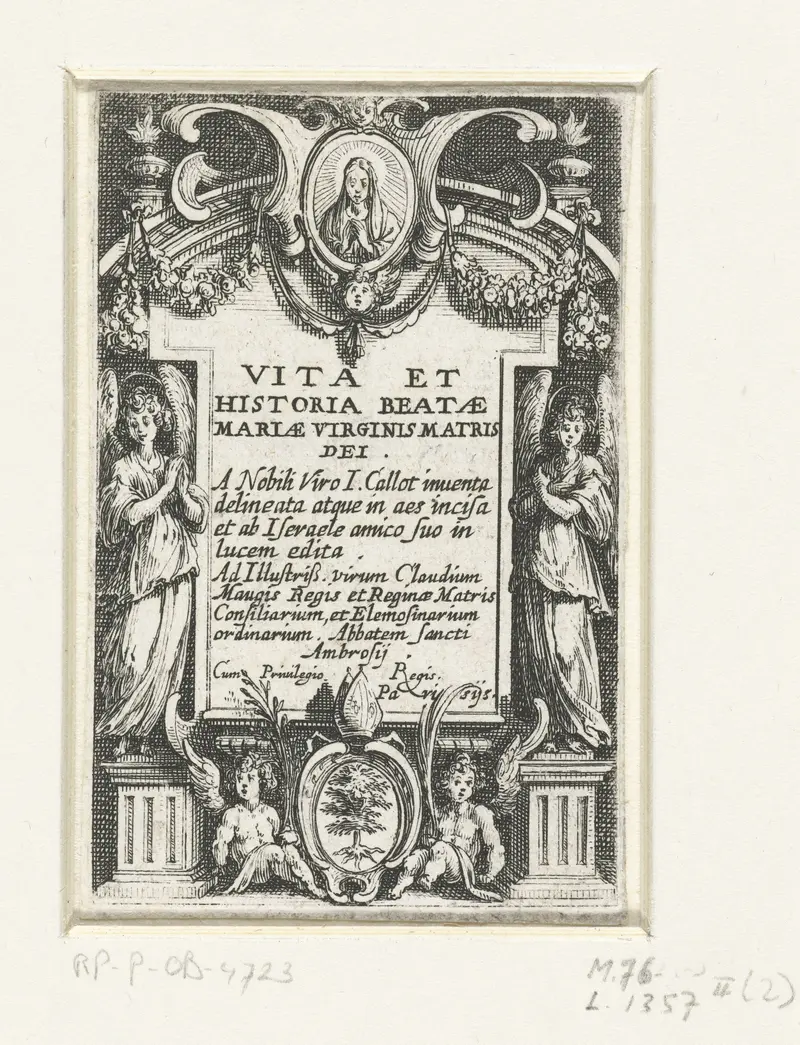
Titelprent voor prentreeks 'Het leven van Maria'
Jacques Callot
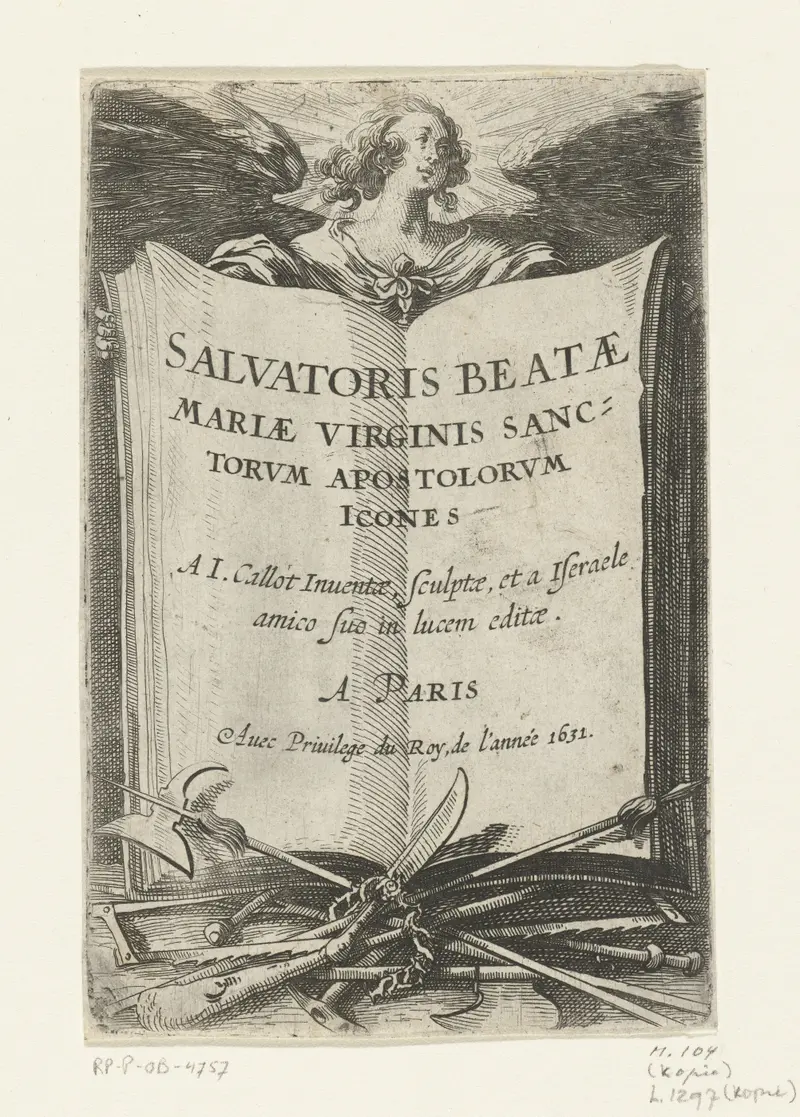
Titelprent voor de prentreeks 'De grote apostelen' (Christus, Maria en de apostelen)
Jacques Callot

Kruisoprichting
Jacques Callot
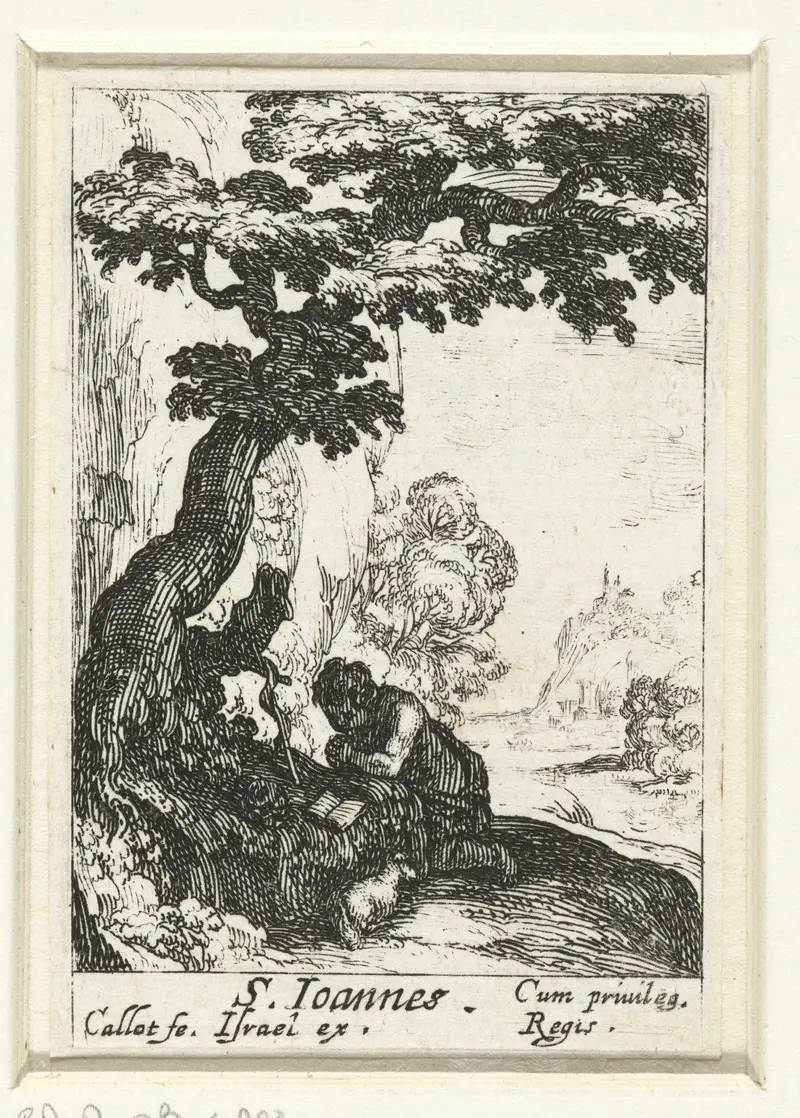
De boetvaardige Johannes de Doper
Jacques Callot





