
Apostel Mattheüs — History & Facts
What secret hides in the quiet of the canvas? In Apostel Mattheüs, movement dances just beneath the surface, hinting at a story waiting to unfold. Look closely at the figure to the left, where the apostle's hand reaches toward an unseen presence. The delicate interplay of light and shadow enhances the fluidity of his gesture, evoking a sense of divine inspiration. Notice how the earthy palette of browns and muted greens grounds the composition, while flecks of gold subtly draw your gaze to the ethereal, illuminated countenance of Mattheüs, suggesting a moment of revelation. Beneath the apparent calm lies a rich tapestry of contrasts.
The tension between the soft drapery of Mattheüs' robe and the rigidity of the architecture around him speaks to the duality of human experience—our earthly struggles against the weight of divine calling. Additionally, the interplay of figures and space conveys a sense of movement, as if the very air vibrates with the anticipation of the apostle's message. In 1631, Callot crafted this piece during a period marked by the Baroque's grandiosity and emotional depth. While residing in Lorraine, he engaged with the artistic trends of his time, reflecting both the spiritual fervor and the artistic innovations that characterized this era.
It was a time when the Catholic Church sought to inspire faith through art, and this work embodies that mission, capturing the quiet yet profound energy of a moment that resonates through the ages.
More Artworks by Jacques Callot
Browse all →
Titelprent voor de prentreeks 'De kleine apostelen' (Het martelaarschap van de apostelen)
Jacques Callot
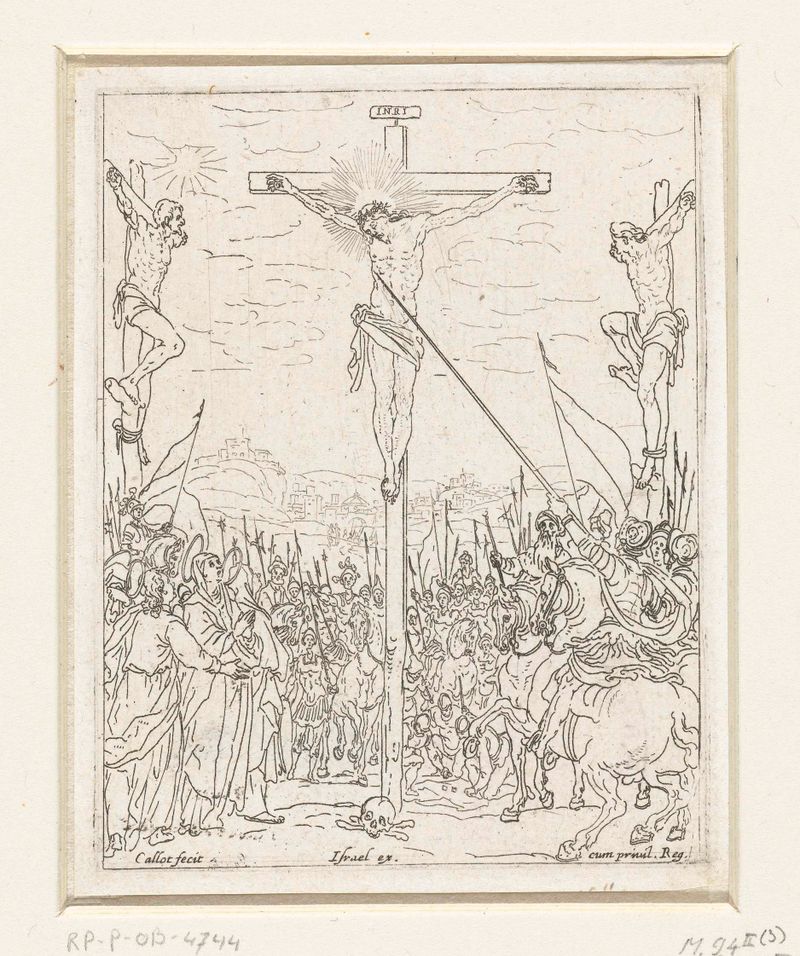
Kruisiging
Jacques Callot

De doortocht door de Rode Zee
Jacques Callot

De verloren zoon als zwijnenhoeder
Jacques Callot

Annunciatie
Jacques Callot
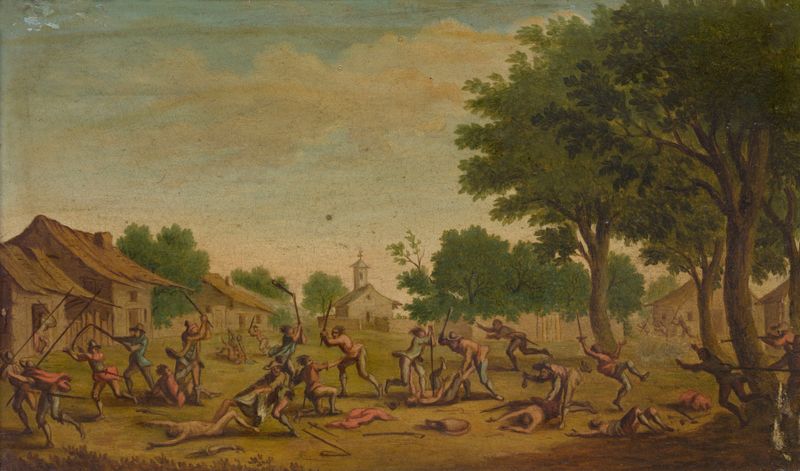
Village Fight
Jacques Callot

Titelprent voor prentreeks 'Het leven van Maria'
Jacques Callot
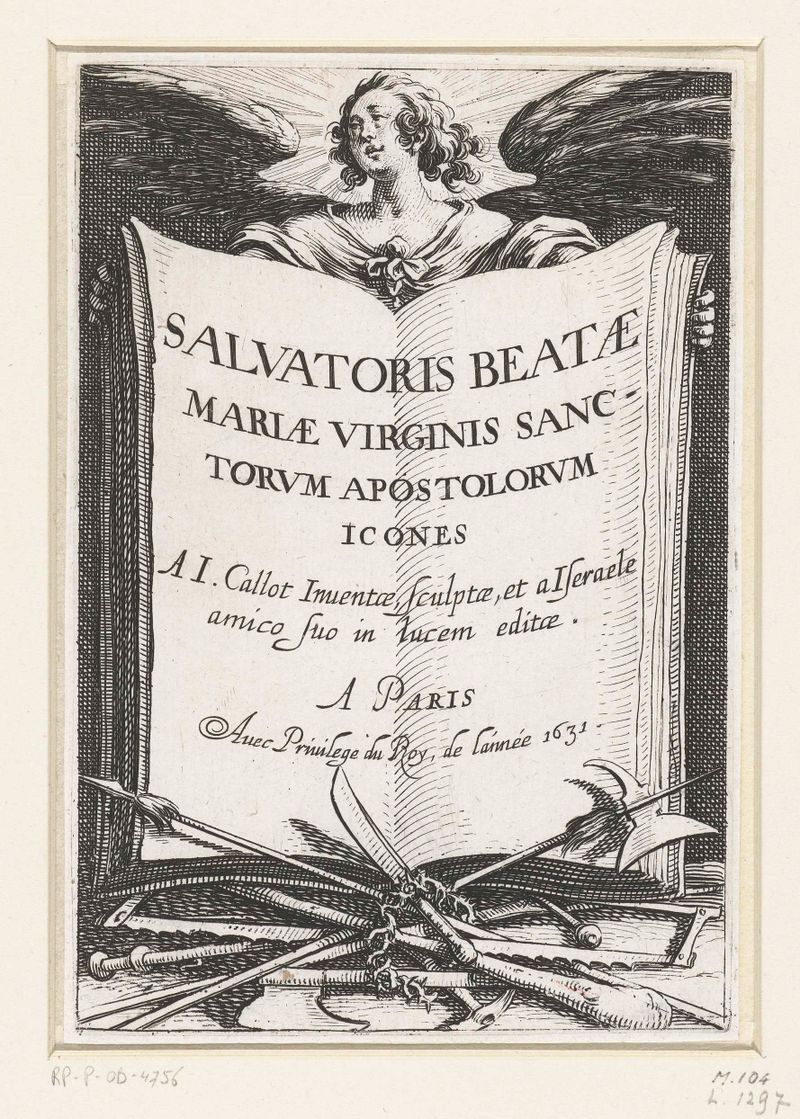
Titelprent voor de prentreeks 'De grote apostelen' (Christus, Maria en de apostelen)
Jacques Callot

Christus aan het volk getoond (Ecce homo)
Jacques Callot
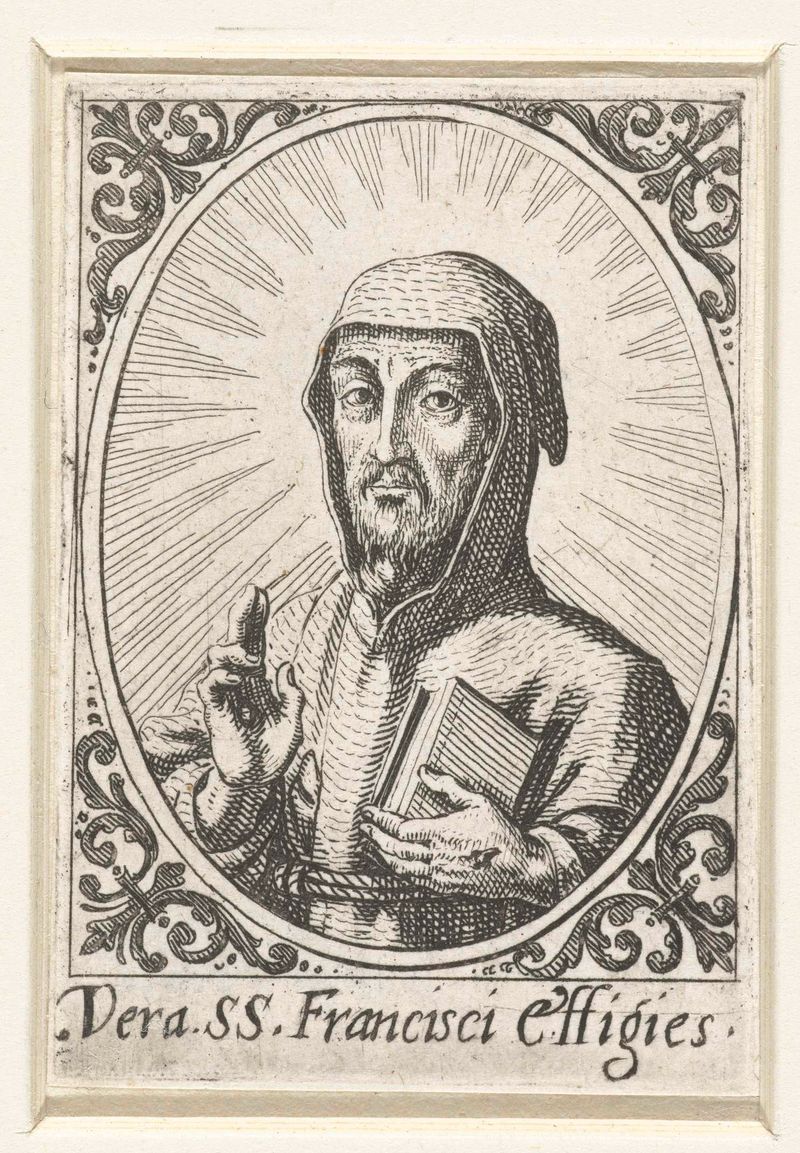
Portret van de Heilige Franciscus
Jacques Callot
More Religious Art
Browse all →
The Return of the Prodigal Son
Rembrandt van Rijn

The Garden of Earthly Delights
El Bosco

Count Orgaz’ funeral
El Greco

The Hundred Guilder Print: the central piece with Christ preaching, the plate arched
Rembrandt van Rijn

The Descent from the Cross
Rogier van der Weyden

The return of the prodigal son
Rembrandt van Rijn