
Apostel Petrus — History & Facts
In the chiaroscuro of Apostel Petrus, the tension between light and shadow reveals a profound narrative of fear and vulnerability. Look closely at the figure of Saint Peter, draped in robes that cascade like liquid gold, their luxurious sheen contrasting sharply with the muted background. The light illuminates his face, highlighting the complexity of his emotions—a mixture of resolve and trepidation. Your gaze is drawn to the anxious grip on the keys of heaven, a symbol of his sacred duty, while his eyes, wide and almost pleading, seem to reflect a deeper existential dread. The delicate interplay of color and texture suggests a duality within the saint; the gold, while resplendent, also serves as a veneer over his inner turmoil.
Note the tension in his posture, a stillness that belies an imminent storm of thoughts. This artwork captures a moment that speaks to the universal struggle between faith and fear, where beauty and anguish coexist, each amplifying the other in a haunting embrace. During the years 1621 to 1629, Jacques Callot created Apostel Petrus in the midst of a rich artistic environment in France, while grappling with the shifting tides of Baroque sensibilities. At this time, artists were exploring the depths of human emotion, and Callot was particularly focused on the complexities of character and narrative within his works.
The historical backdrop of political and religious upheaval influenced his portrayal of spiritual figures, imbuing them with an emotional weight that resonates even today.
More Artworks by Jacques Callot
Browse all →
Titelprent voor de prentreeks 'De kleine apostelen' (Het martelaarschap van de apostelen)
Jacques Callot
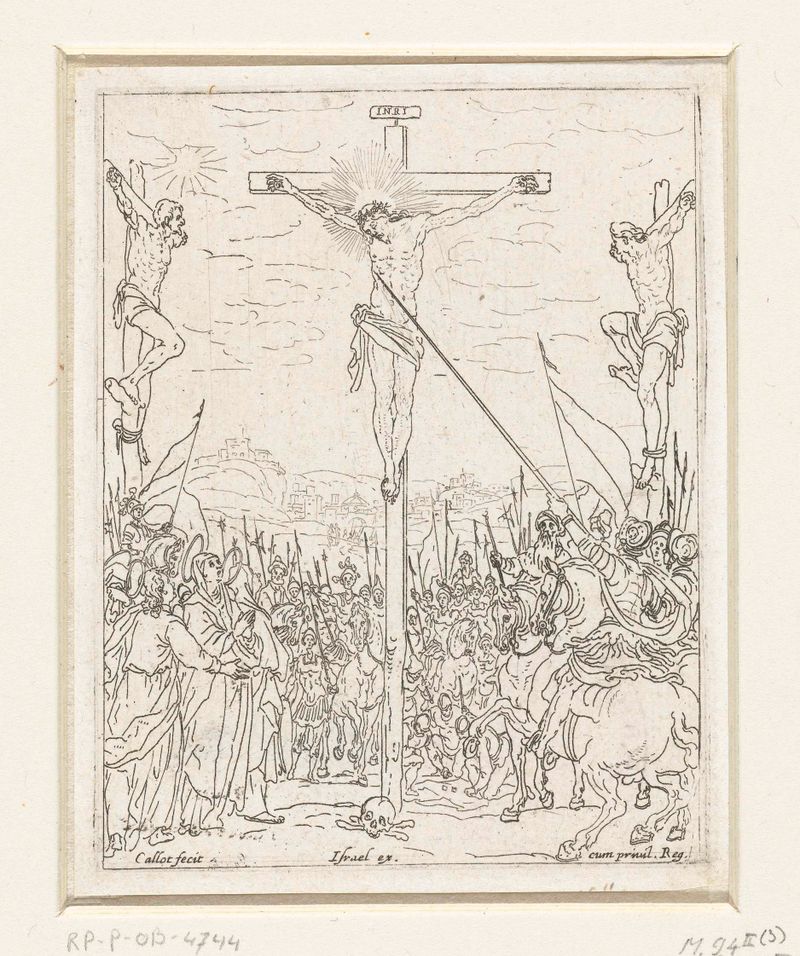
Kruisiging
Jacques Callot

De doortocht door de Rode Zee
Jacques Callot

De verloren zoon als zwijnenhoeder
Jacques Callot

Annunciatie
Jacques Callot
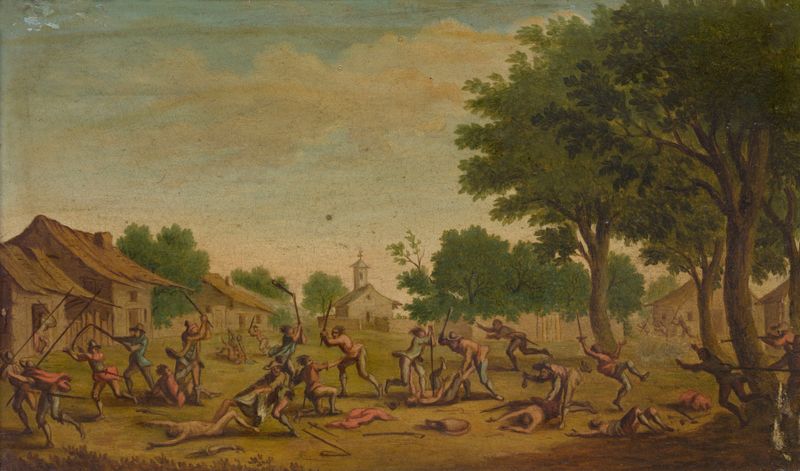
Village Fight
Jacques Callot

Titelprent voor prentreeks 'Het leven van Maria'
Jacques Callot
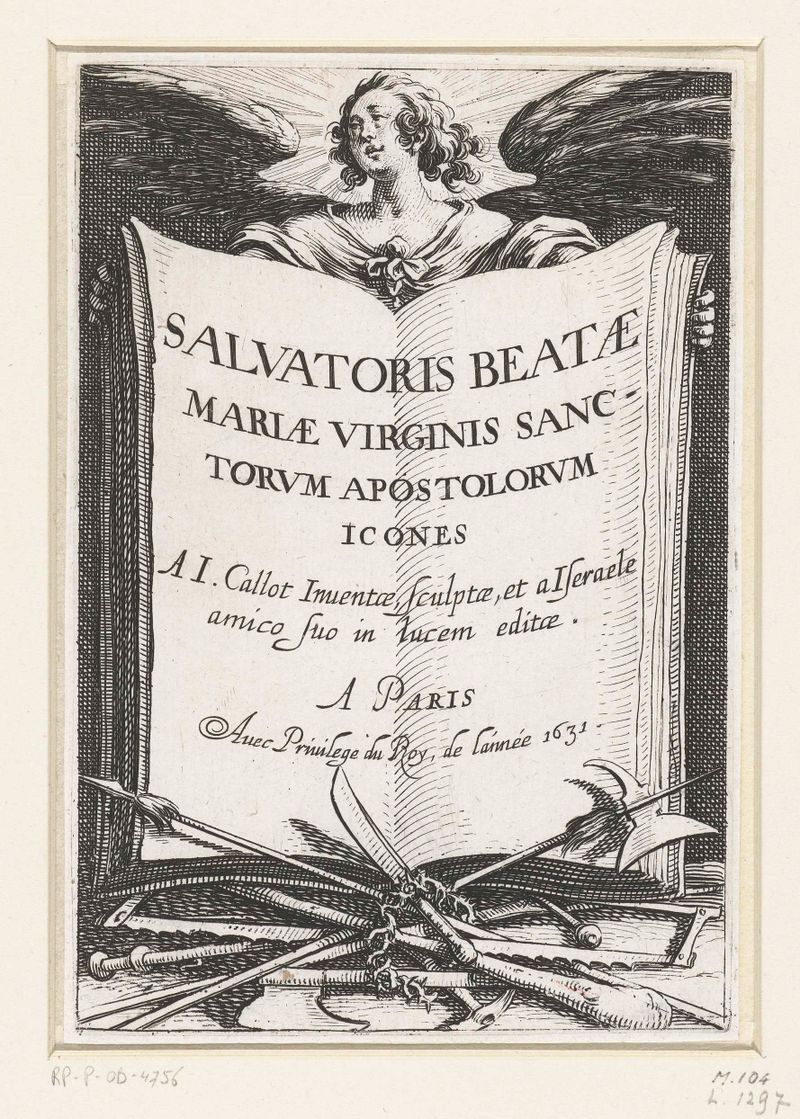
Titelprent voor de prentreeks 'De grote apostelen' (Christus, Maria en de apostelen)
Jacques Callot

Christus aan het volk getoond (Ecce homo)
Jacques Callot
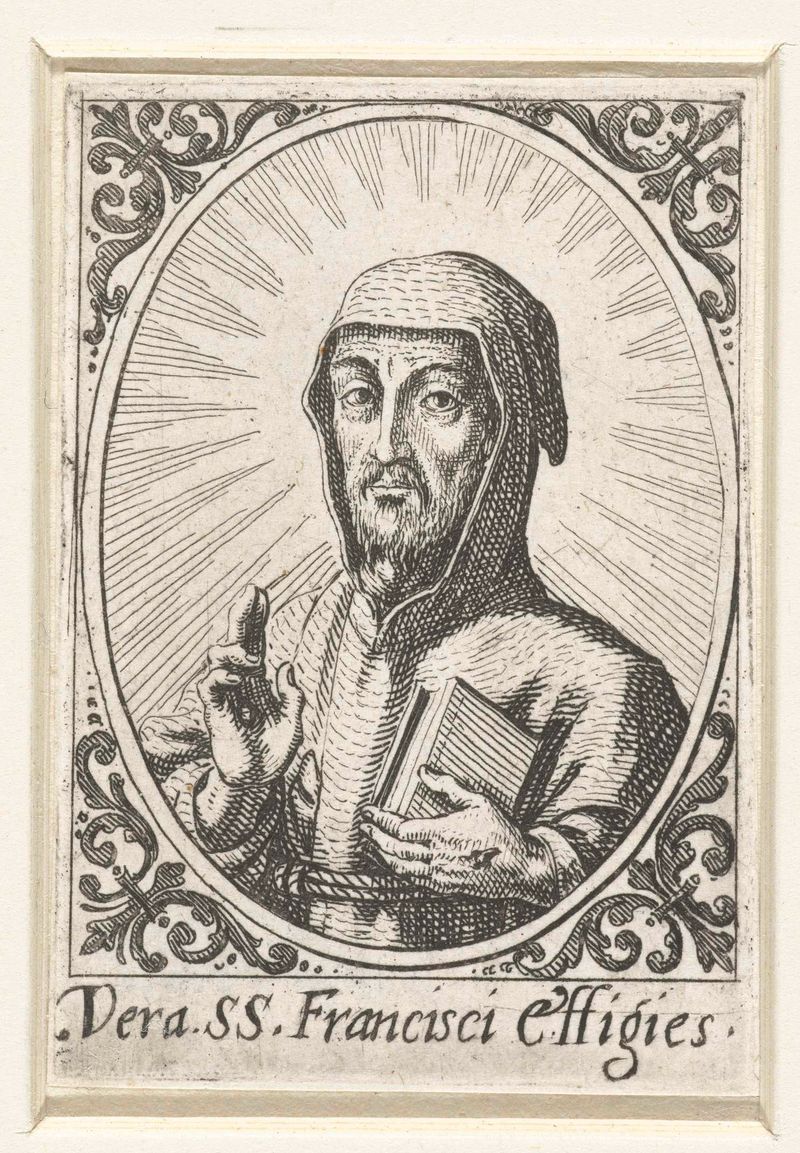
Portret van de Heilige Franciscus
Jacques Callot
More Religious Art
Browse all →
The Return of the Prodigal Son
Rembrandt van Rijn

The Garden of Earthly Delights
El Bosco

Count Orgaz’ funeral
El Greco

The Hundred Guilder Print: the central piece with Christ preaching, the plate arched
Rembrandt van Rijn

The Descent from the Cross
Rogier van der Weyden

The return of the prodigal son
Rembrandt van Rijn