
Apostel Petrus — History & Facts
Under the brush, chaos becomes grace. In the hands of a master, discord transforms into a harmonious tapestry of emotion and intent, captivating those who dare to look closely. Focus on the figure of Saint Peter at the center of Apostel Petrus, where the powerful lines of his robe cascade downward, drawing your gaze into the depths of the scene. Notice how the intricate details of the folds contrast with the dynamic movement around him, creating a sense of urgency.
The color palette, dominated by earth tones and somber hues, evokes a weighty atmosphere, while subtle highlights illuminate the saint’s face, symbolizing the divine amidst the tumult. Delve deeper, and the layers of meaning unfold. The chaotic backdrop of swirling forms and shadowy figures signifies the trials and tribulations of faith, reflecting inner turmoil and the struggle for redemption. Saint Peter’s gaze, both resolute and contemplative, invites viewers to ponder the fragility of belief in the face of chaos.
The interplay of light and dark offers a visual metaphor for the dichotomy of hope and despair, encapsulating the eternal human experience. In 1631, Jacques Callot painted this work during a time when Europe was embroiled in the Thirty Years' War, a period that influenced not only his artistic themes but also his perspective on human suffering and resilience. Living in Nancy, France, Callot drew upon his experiences and observations to forge a visual language that spoke to the complexities of existence, making Apostel Petrus a poignant reflection of his time.
More Artworks by Jacques Callot
Browse all →
Titelprent voor de prentreeks 'De kleine apostelen' (Het martelaarschap van de apostelen)
Jacques Callot
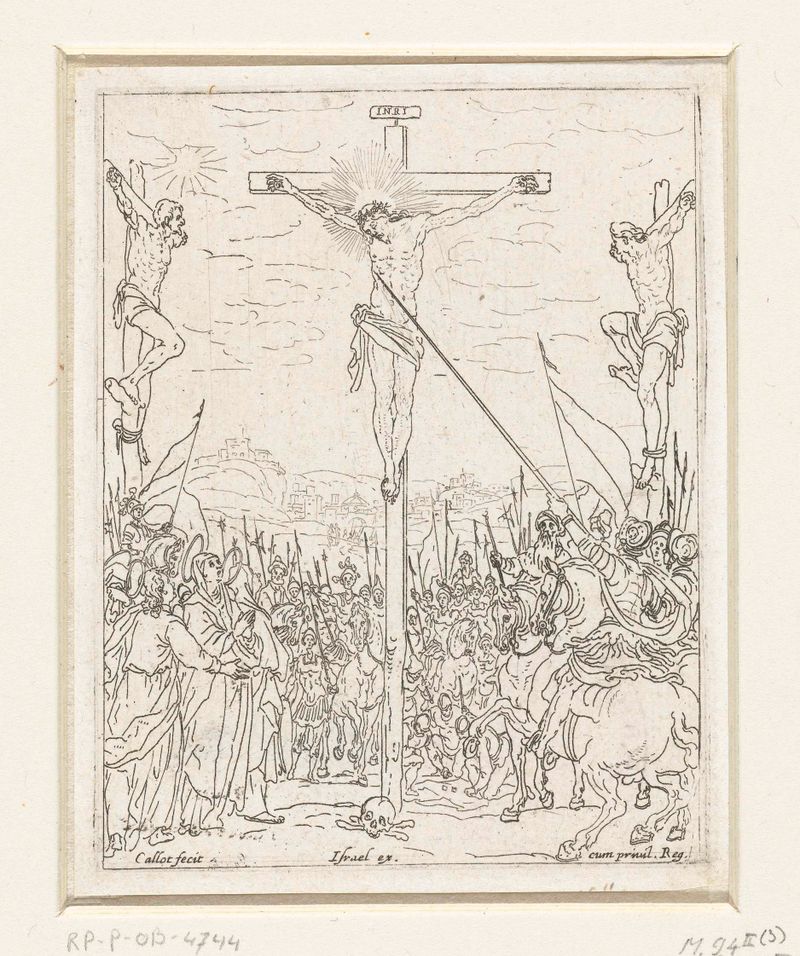
Kruisiging
Jacques Callot

De doortocht door de Rode Zee
Jacques Callot

De verloren zoon als zwijnenhoeder
Jacques Callot

Annunciatie
Jacques Callot
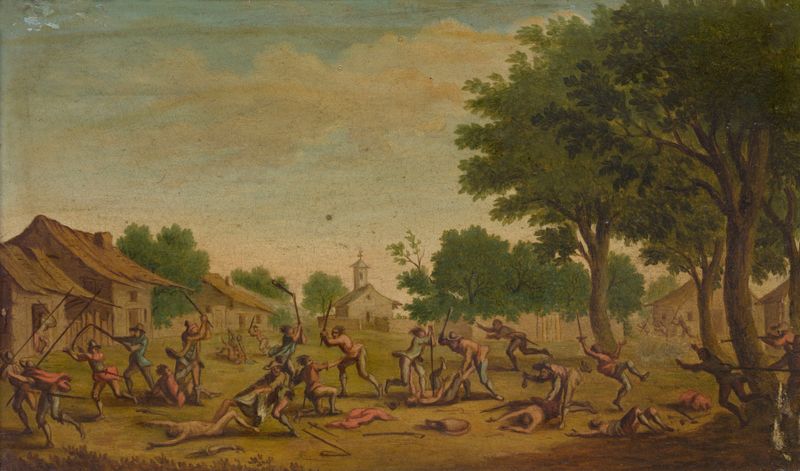
Village Fight
Jacques Callot

Titelprent voor prentreeks 'Het leven van Maria'
Jacques Callot
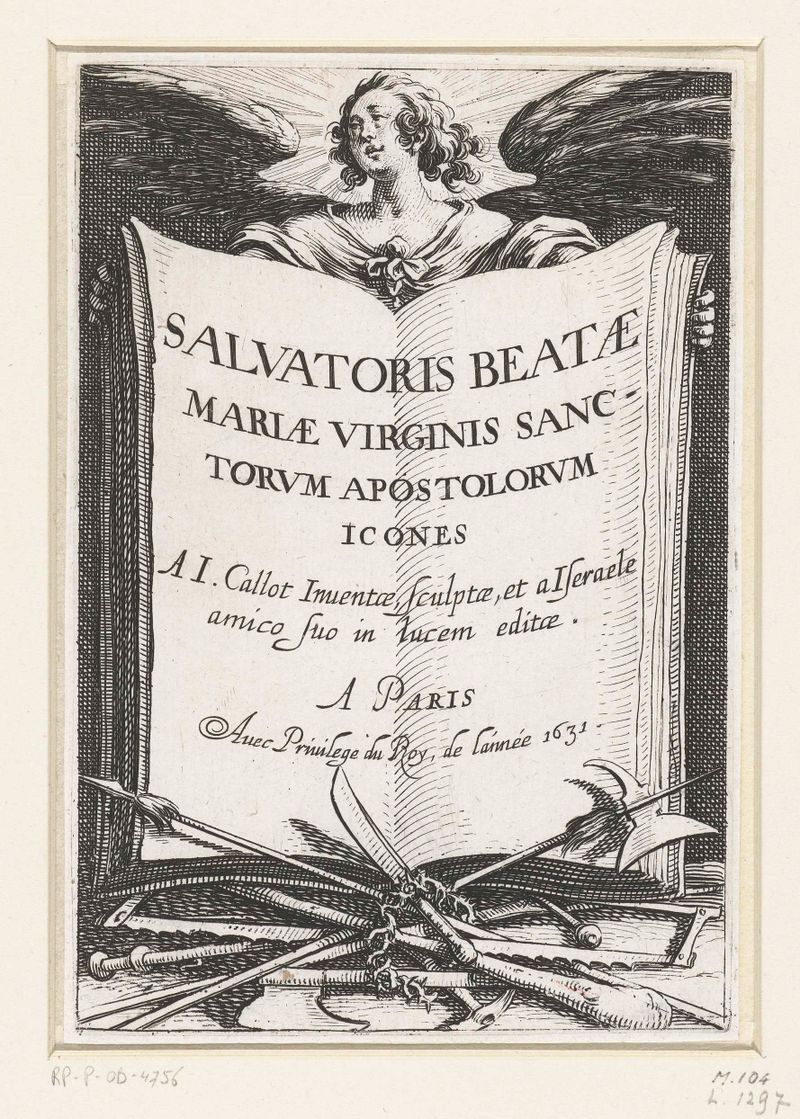
Titelprent voor de prentreeks 'De grote apostelen' (Christus, Maria en de apostelen)
Jacques Callot

Christus aan het volk getoond (Ecce homo)
Jacques Callot
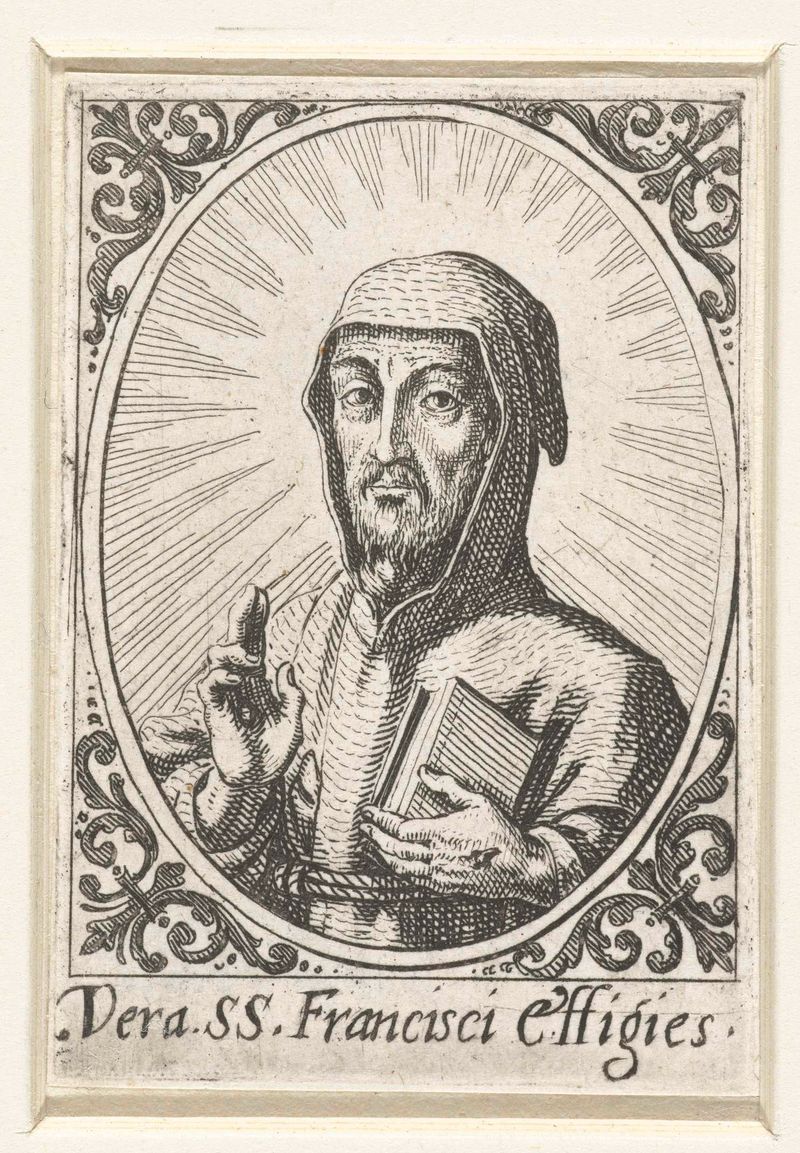
Portret van de Heilige Franciscus
Jacques Callot
More Religious Art
Browse all →
The Return of the Prodigal Son
Rembrandt van Rijn

The Garden of Earthly Delights
El Bosco

Count Orgaz’ funeral
El Greco

The Hundred Guilder Print: the central piece with Christ preaching, the plate arched
Rembrandt van Rijn

The Descent from the Cross
Rogier van der Weyden

The return of the prodigal son
Rembrandt van Rijn