
Apostel Tomas — History & Facts
In a world that often rushes toward the void, art serves as a bridge to our past, holding memories like fragile petals in a storm. This reflection resonates profoundly with the remarkable work before us, where the depths of human experience unfold. Look closely at the central figure, the apostle, whose expression embodies both doubt and conviction. The intricate details of his robe, rendered in muted earth tones, draw the eye, while the subtle play of light highlights the contours of his face, casting shadows that evoke a sense of inner conflict.
Notice how the delicate lines frame his hands, poised in a gesture that suggests a dialogue with the unseen, inviting viewers to ponder the tensions between faith and uncertainty. The composition allows for a striking contrast between light and dark, revealing an emotional landscape that speaks to the complexities of belief. The void surrounding the figure emphasizes isolation, reflecting the weight of existential questions. Additionally, the rich textures in the fabric of the apostle's clothing contrast with the starkness of the background, symbolizing the struggle between the spiritual and the mundane. Jacques Callot created this work in 1631, during a period marked by the aftermath of the Thirty Years' War, which left Europe grappling with profound societal change.
Working in Nancy, France, he was influenced by the Baroque movement while also navigating the shifting tides of art and spirituality, seeking to capture the nuances of the human condition through his meticulous etching techniques.
More Artworks by Jacques Callot
Browse all →
Titelprent voor de prentreeks 'De kleine apostelen' (Het martelaarschap van de apostelen)
Jacques Callot
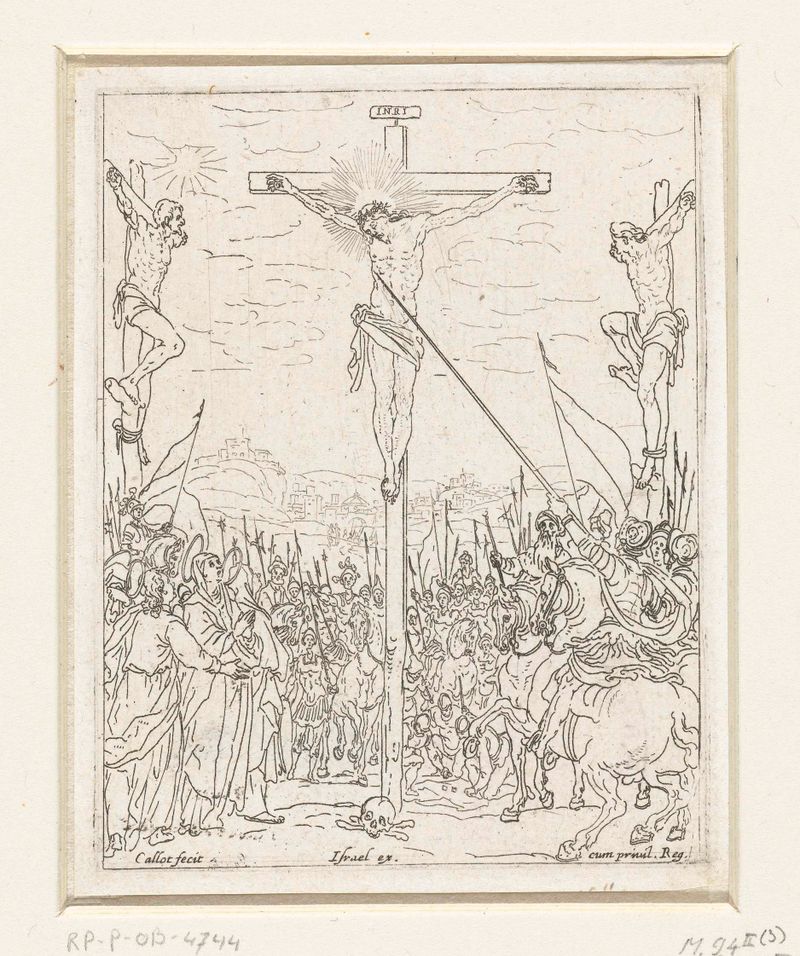
Kruisiging
Jacques Callot

De doortocht door de Rode Zee
Jacques Callot

De verloren zoon als zwijnenhoeder
Jacques Callot

Annunciatie
Jacques Callot
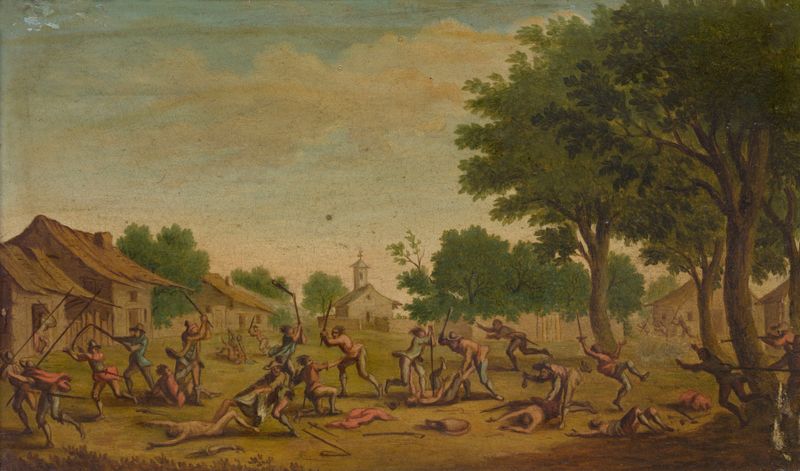
Village Fight
Jacques Callot

Titelprent voor prentreeks 'Het leven van Maria'
Jacques Callot
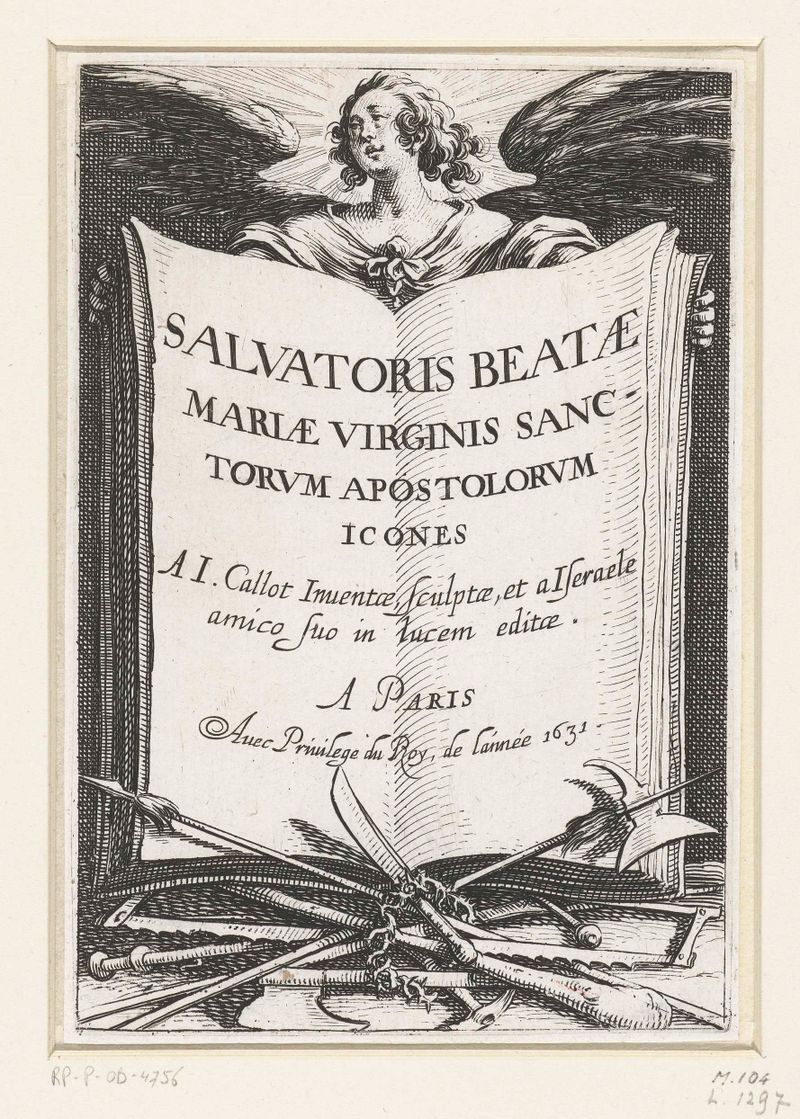
Titelprent voor de prentreeks 'De grote apostelen' (Christus, Maria en de apostelen)
Jacques Callot

Christus aan het volk getoond (Ecce homo)
Jacques Callot
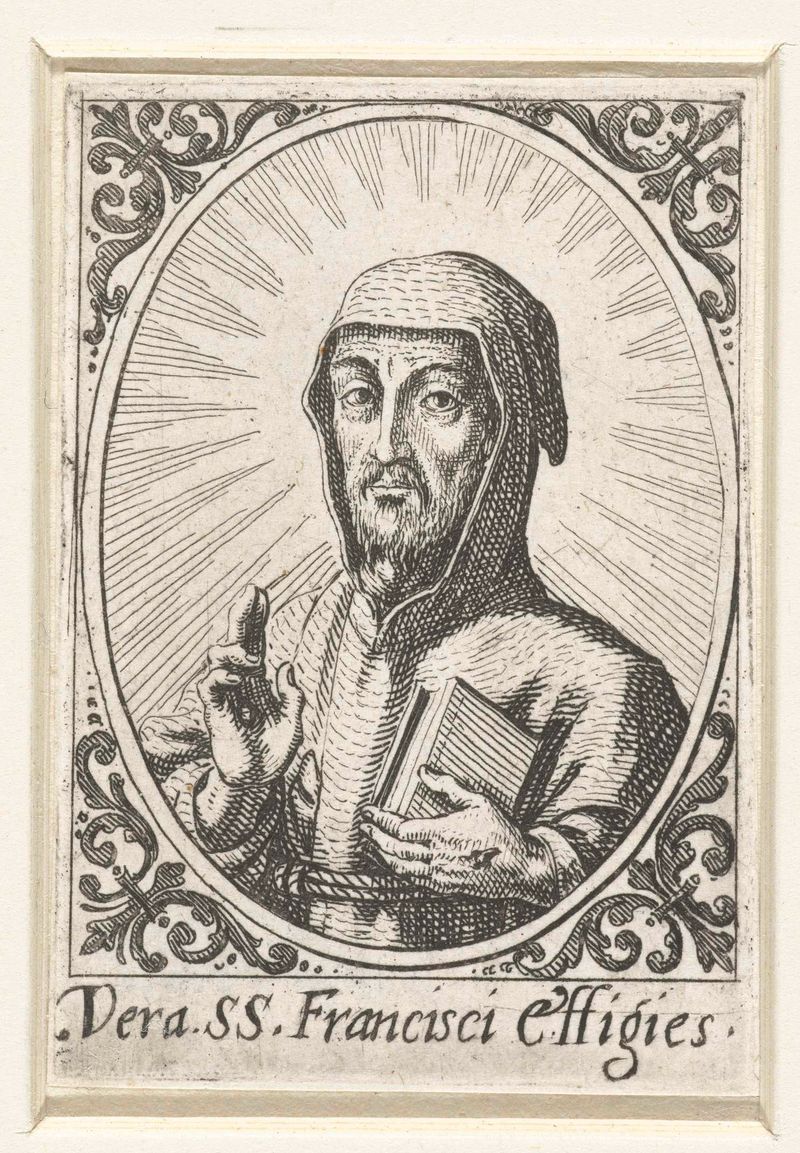
Portret van de Heilige Franciscus
Jacques Callot
More Religious Art
Browse all →
The Return of the Prodigal Son
Rembrandt van Rijn

The Garden of Earthly Delights
El Bosco

Count Orgaz’ funeral
El Greco

The Hundred Guilder Print: the central piece with Christ preaching, the plate arched
Rembrandt van Rijn

The Descent from the Cross
Rogier van der Weyden

The return of the prodigal son
Rembrandt van Rijn