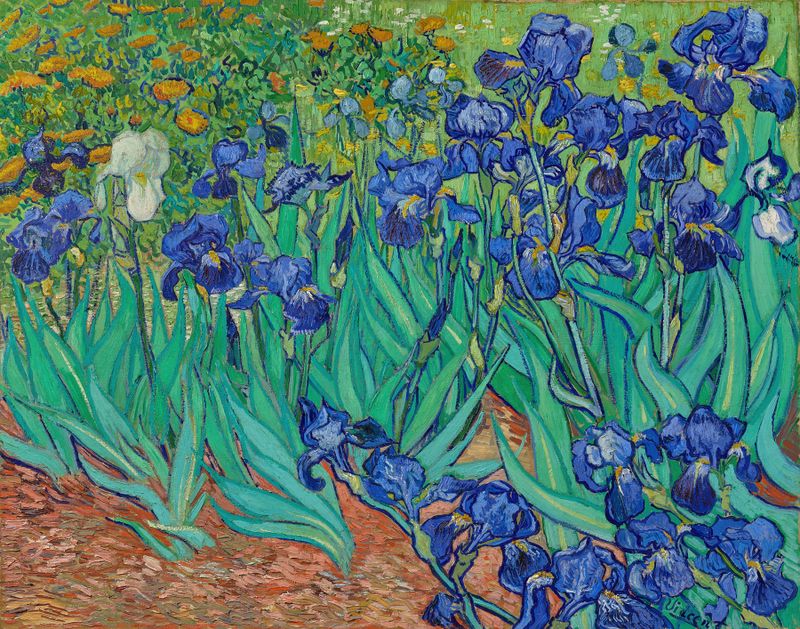
Apple tree — History & Facts
Did the painter know this moment would outlive them? Beneath the branches of an apple tree, fragments of reality intertwine with a delicate madness, inviting us to explore the thin line between beauty and chaos. Look to the right at the gnarled, twisting limbs that stretch into the azure sky, laden with ripe, red fruit. The bold strokes of green and brown create a tapestry of life, with every brushstroke breathing vibrancy into the scene. Notice how the sunlight filters through the leaves, casting dappled shadows on the ground below, illuminating the subtle textures of both bark and blossom.
The composition draws your gaze upward, creating a sense of wonder and curiosity, as though you’re peering into a world that invites contemplation. Yet, beneath this serene exterior lies an undercurrent of tension. The tension between the wildness of nature and the farmer’s tending evokes a sense of struggle, as if the apple tree itself harbors secrets of both abundance and decay. The contrasting colors—the deep greens against the fiery reds—speak to the duality of existence, where madness and beauty coexist, urging us to confront the fragile nature of our own realities. Jan Ciągliński painted Apple Tree in 1900 while living in Poland, a time of artistic transition and national upheaval.
Influenced by the Symbolist movement, his work reflects a fascination with nature and its psychological dimensions. This piece emerged during an era when artists were beginning to explore the depths of human experience, intertwining emotion with the natural world, ultimately paving the way for broader interpretations in modern art.
More Artworks by Jan Ciągliński
Browse all →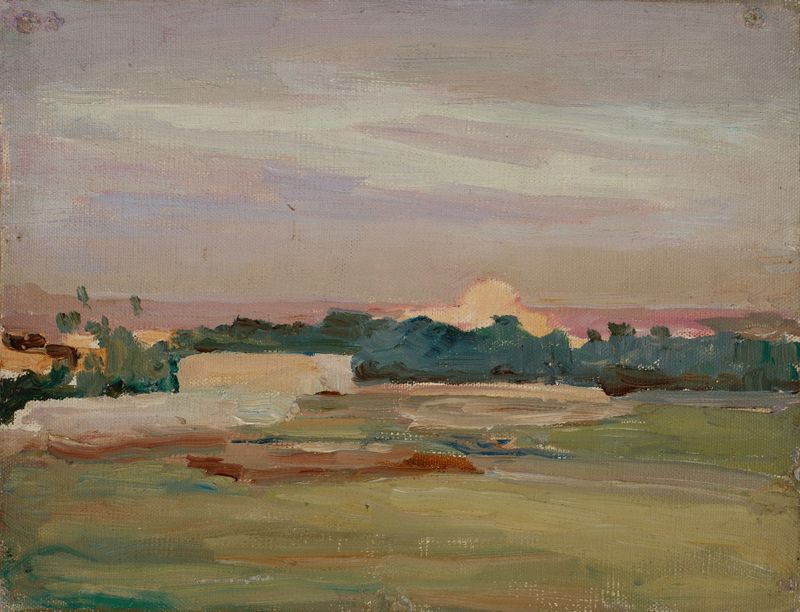
The Sirocco
Jan Ciągliński
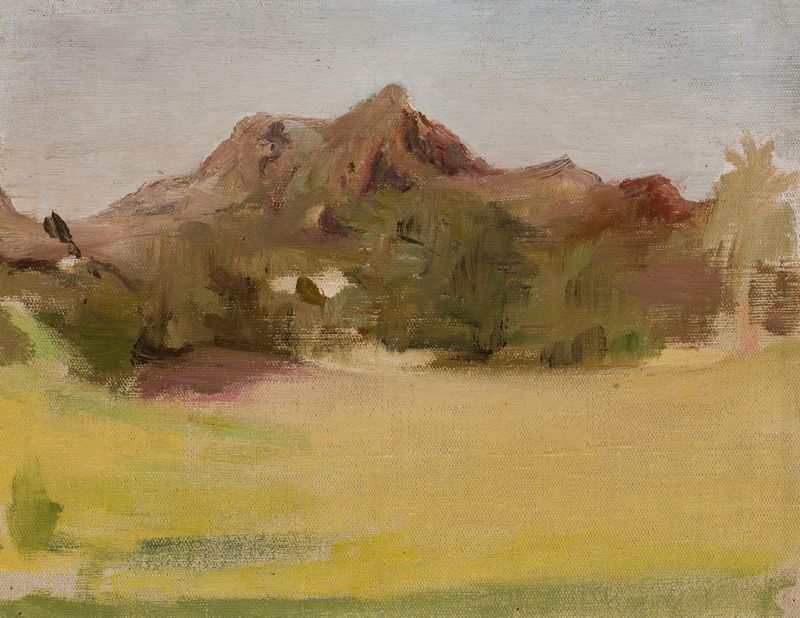
Mountain landscape. From the journey to India
Jan Ciągliński
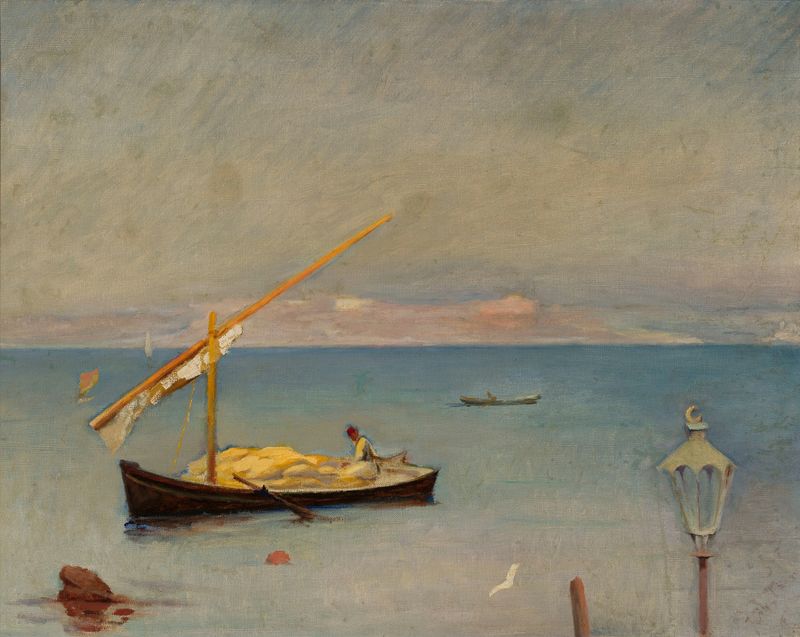
At Bosporus
Jan Ciągliński
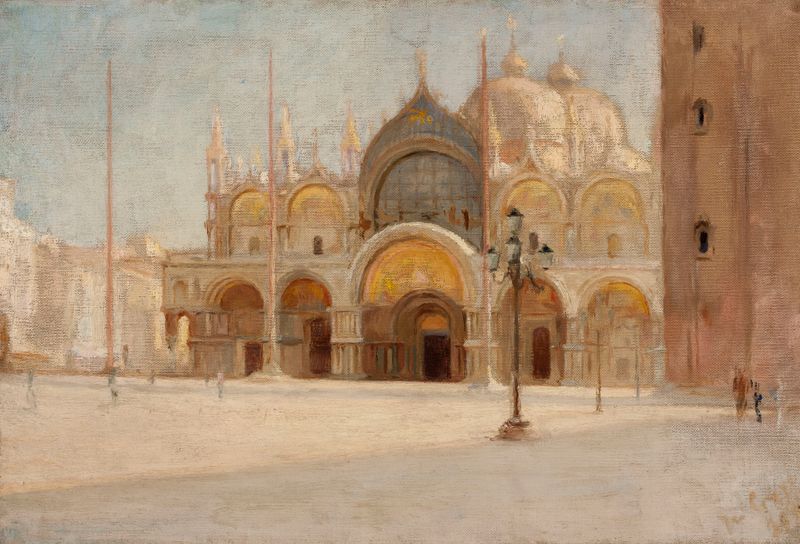
St Mark’s Square in Venice
Jan Ciągliński
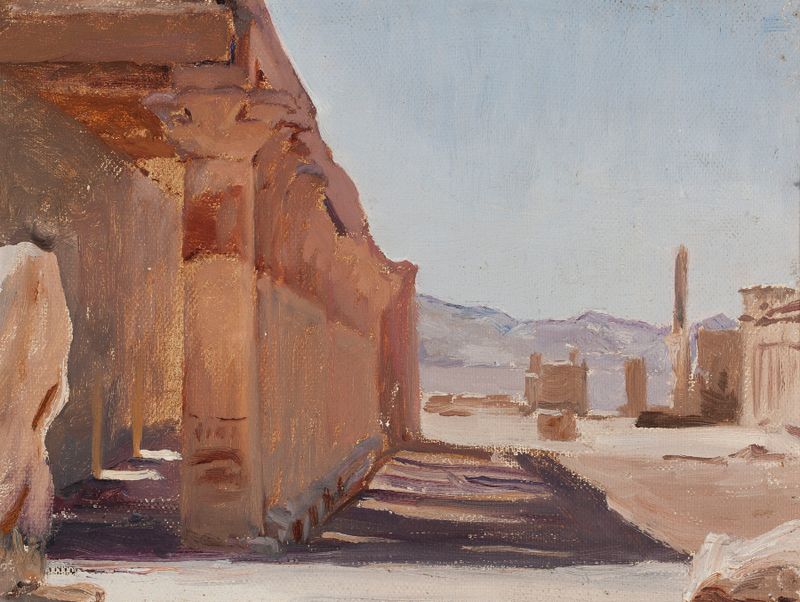
Temple. From the journey to Egypt
Jan Ciągliński
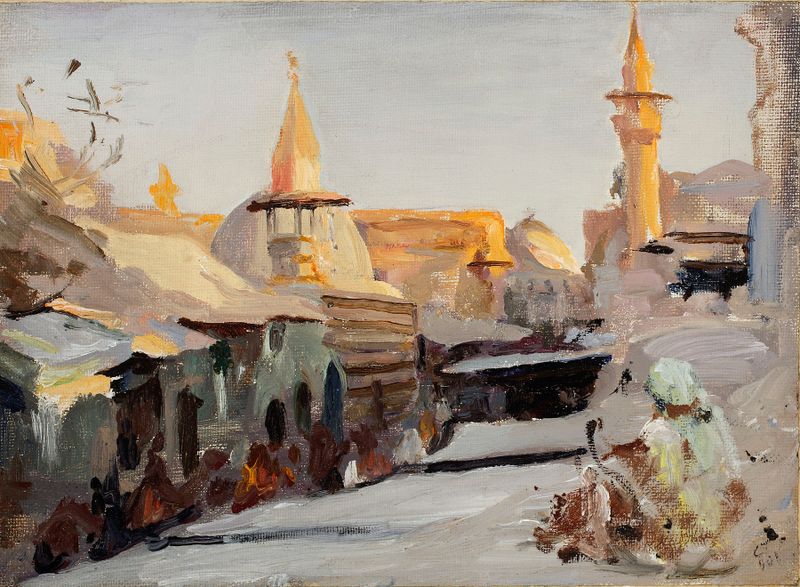
Street in Damascus. From the journey to Palestine
Jan Ciągliński
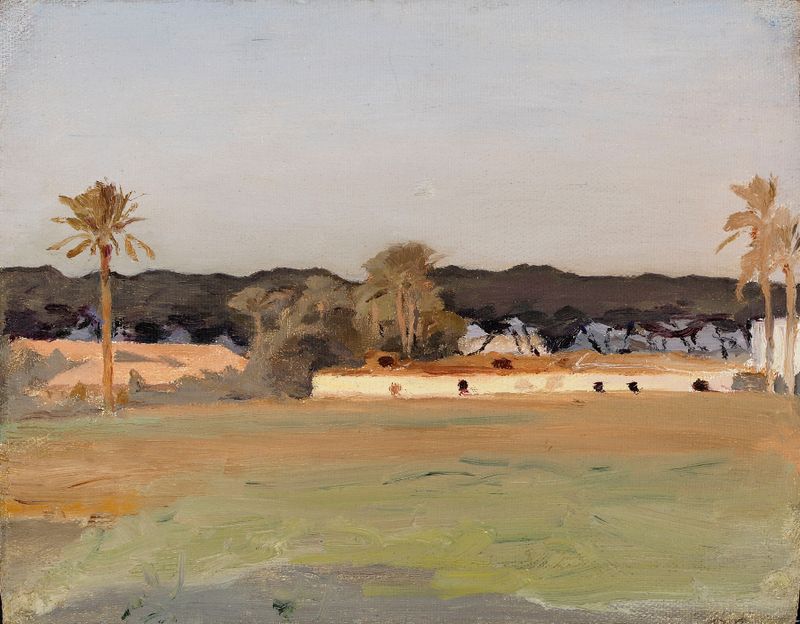
Evening. From the journey to Egypt
Jan Ciągliński
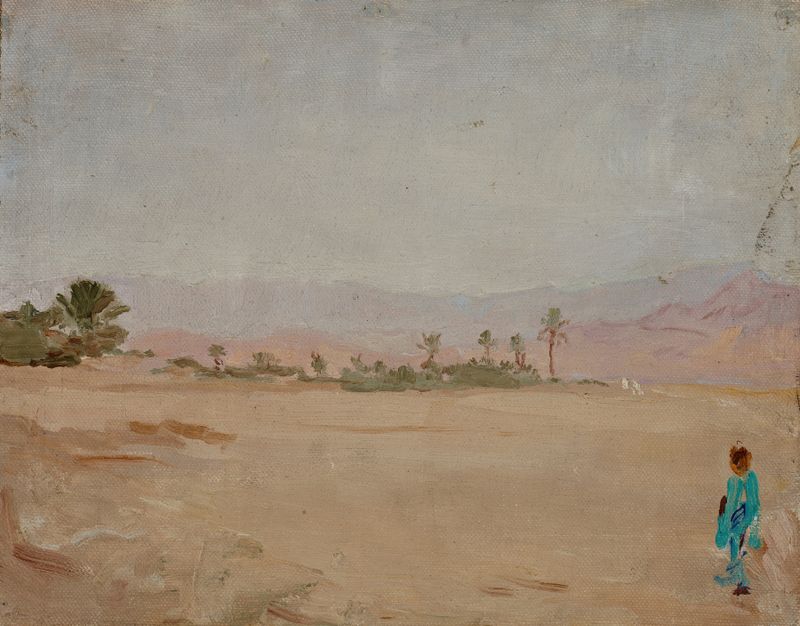
Sahara (Desert)
Jan Ciągliński
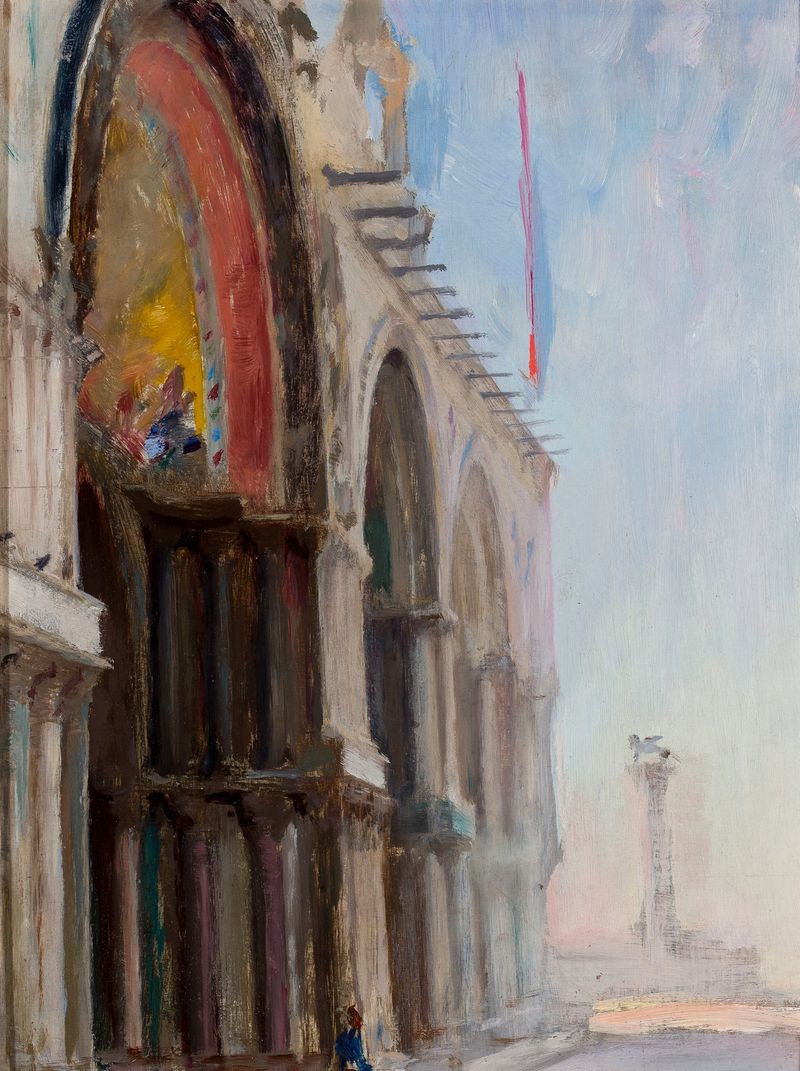
Venice – San Marco. From the journey to Italy
Jan Ciągliński
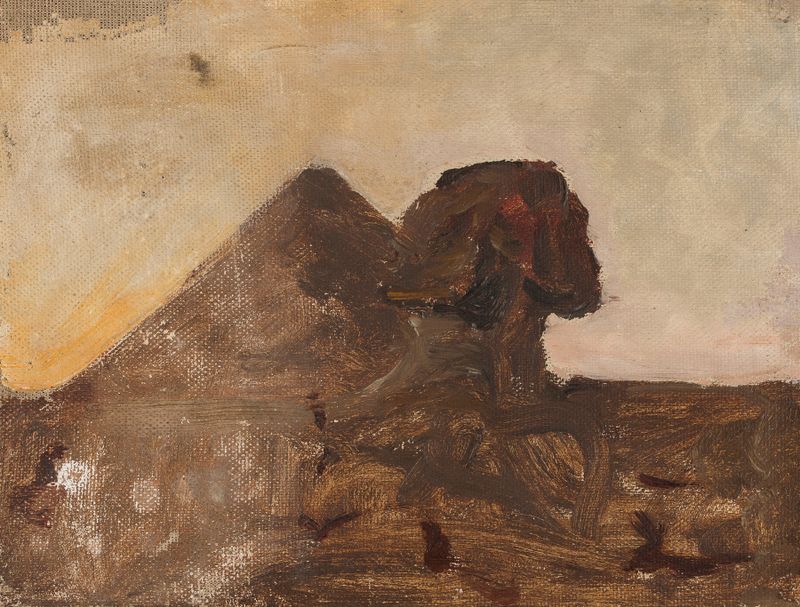
Evening in the desert – Sphinx and pyramid. From the journey to Egypt
Jan Ciągliński