
Appleby, Westmoreland — History & Facts
Can paint confess what words never could? In Appleby, Westmoreland, Edward Dayes captures the quietude of a British landscape, inviting the viewer into a moment that speaks volumes through its serene beauty. Look to the foreground where a gentle river meanders, its surface reflecting the soft hues of the sky above. Notice how the light delicately dances across the water, illuminating the lush greenery that hugs the banks. The composition leads your gaze upward, where a cluster of clouds beckons with hints of a shifting weather, a contrast to the calm below.
The muted palette—earthy greens and warm browns—evokes a sense of tranquility, while the distant hills create a layered perspective that enhances the painting's depth. Beyond its picturesque facade lies a deeper narrative. The flowing river suggests a passage of time, a timeless witness to the lives that unfold within its presence. The stillness of the scene contrasts sharply with the underlying currents of change in the late 18th century—tensions of industrial progress and the pastoral ideal.
Every stroke seems to whisper about the transience of beauty, urging the viewer to reflect on what lies beneath the surface of both nature and human experience. In 1789, as Edward Dayes painted this work, he was immersed in the tumultuous shifts of artistic movements in Britain, where Romanticism was beginning to challenge the established norms of Classicism. This was a period of personal and social upheaval, as the French Revolution stirred the consciousness of Europe, prompting artists to explore themes of nature and emotion as a response. Dayes, with his keen eye for detail and atmosphere, channeled these sentiments to create a landscape that is both a meditation on beauty and a reflection of the era's uncertainties.
More Artworks by Edward Dayes
Browse all →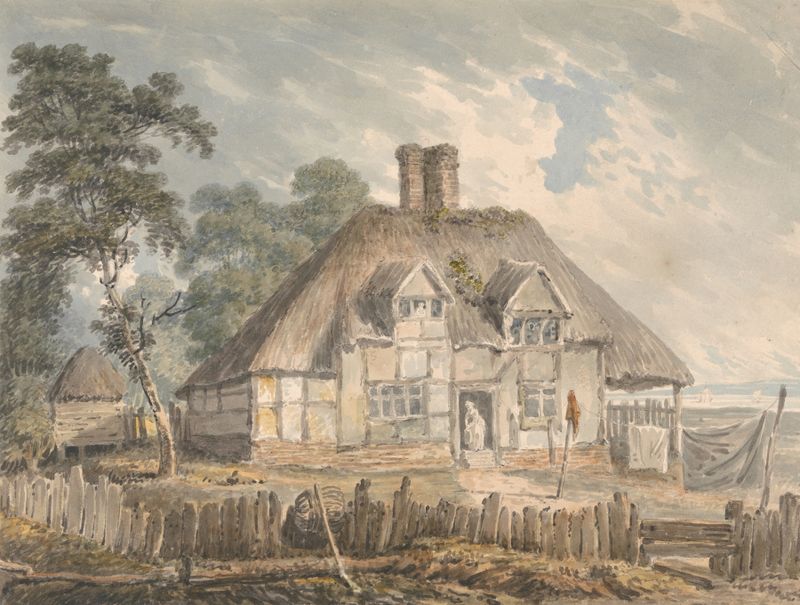
A Cottage near Southampton
Edward Dayes
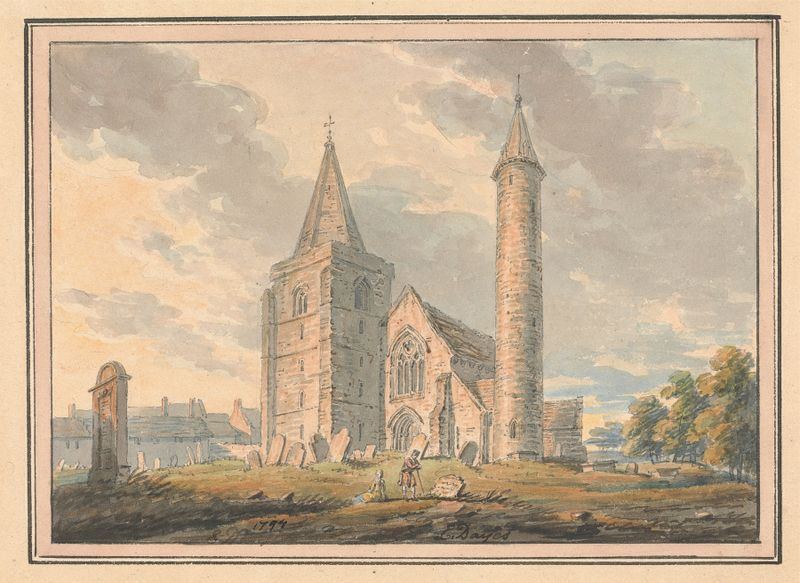
Brechin Cathedral and round tower, Forfarshire, Scotland
Edward Dayes
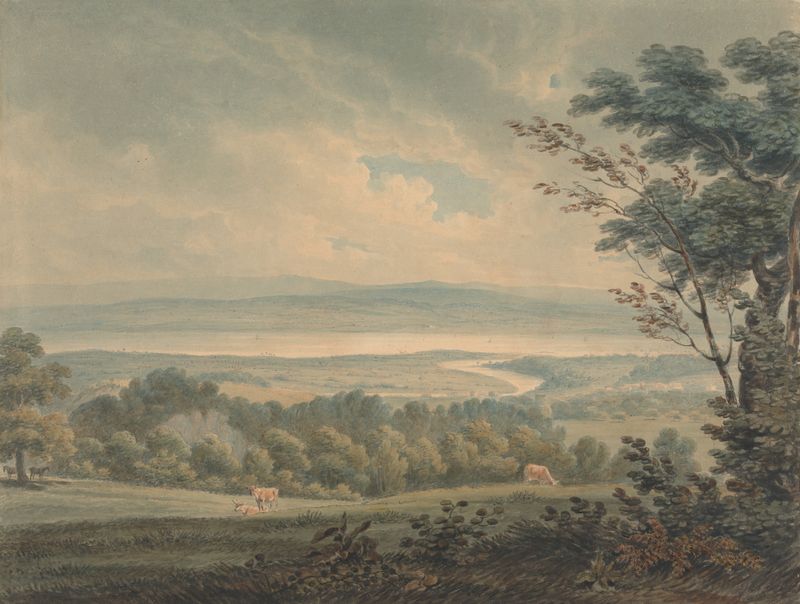
The Meeting of the Rivers Severn and Wye, near Chepstow
Edward Dayes

Ruins of the Old Kirk, Isle of Bute
Edward Dayes
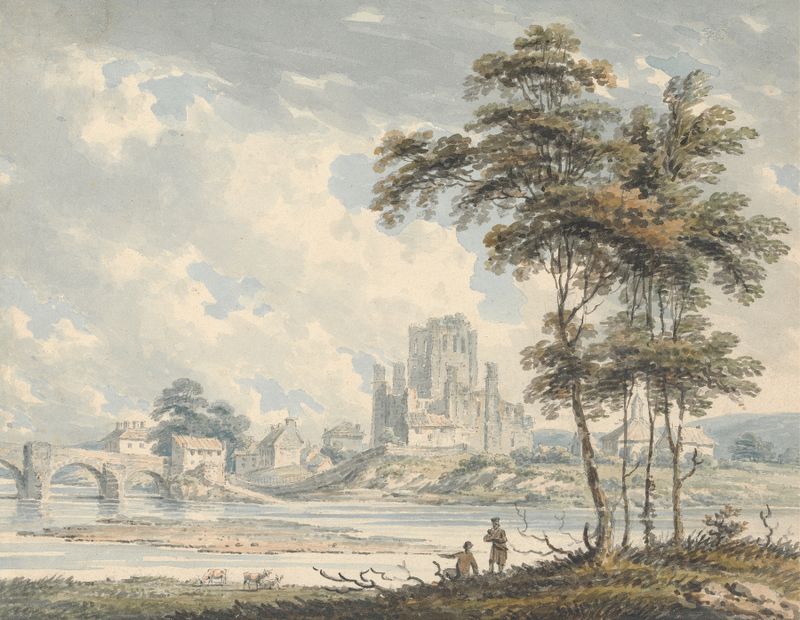
Kelso Abbey, Rosburghshire
Edward Dayes
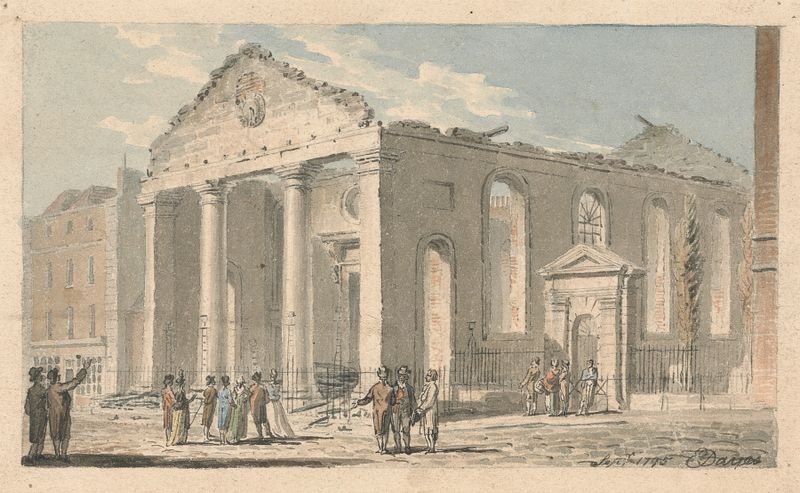
St. Paul’s Church, Covent Garden, after the fire
Edward Dayes
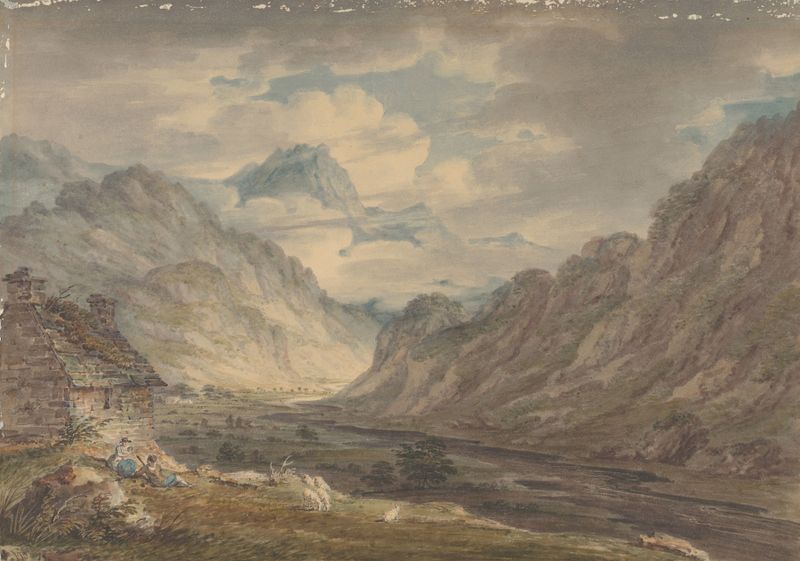
The Honister Pass from Gatesgarth Farm, Gatesgarthdale, Lake District
Edward Dayes
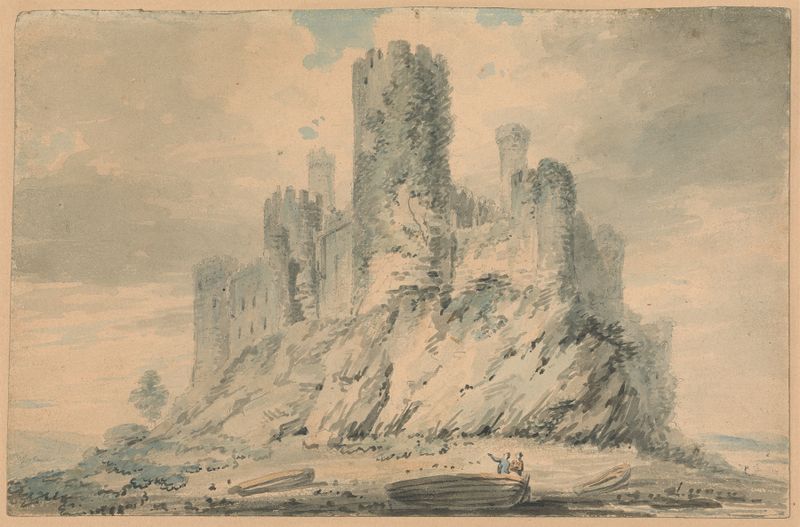
Conway Castle, Caernarvonshire
Edward Dayes
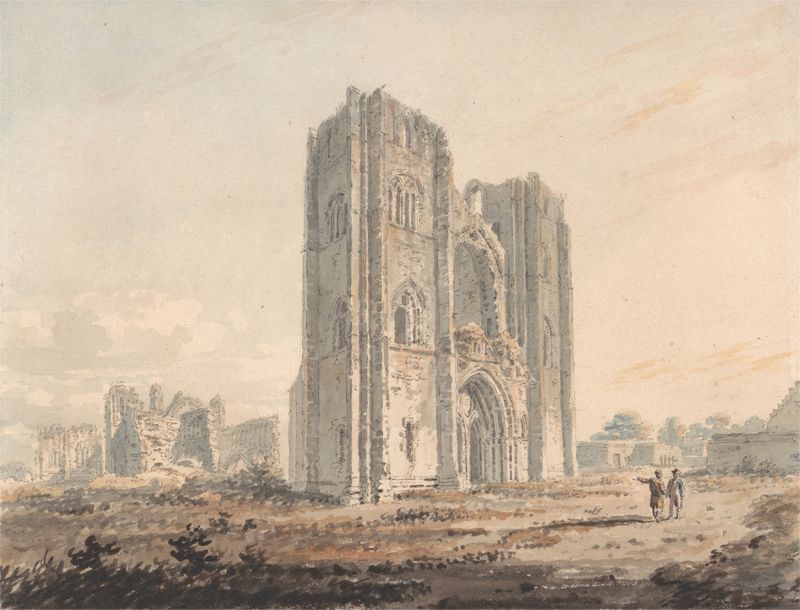
Elgin Cathedral, Moray
Edward Dayes

Lake scene
Edward Dayes





