
Kelso Abbey, Rosburghshire — History & Facts
What if silence could speak through light? In a world where shadows dance among ruins, the whispers of history linger in the air, inviting contemplation and reflection. To fully appreciate this artwork, focus on the ethereal glow that bathes the abbey ruins. The soft, muted palette evokes a dreamlike quality, drawing your eye first to the delicate interplay of light and shadow across the ancient stone. Notice how the sunlight filters through the trees, casting intricate patterns on the ground, as if nature itself is conversing with the remnants of civilization.
The meticulous brushwork captures the textures of the crumbling walls, inviting you to feel the weight of time and the stories held within these sacred grounds. Within this tranquil scene lies a poignant tension between permanence and decay. The lush greenery encroaching upon the stone reflects the relentless march of nature, while the ruins stand as a testament to human ambition, now softened by time. The choice of composition, with the abbey placed slightly off-center, evokes a sense of nostalgia and longing, as if the artist is urging us to reflect on our own transient existence in the face of the eternal. In 1792, Edward Dayes was painting amid the evolving Romantic movement in England, characterized by an emphasis on emotion and the sublime.
Having traveled through the Scottish countryside, he found inspiration in the melancholic beauty of Kelso Abbey. This period marked a growing interest in landscape painting as a means to explore the relationship between humanity and nature, reflecting societal shifts that changed how people perceived their world.
More Artworks by Edward Dayes
Browse all →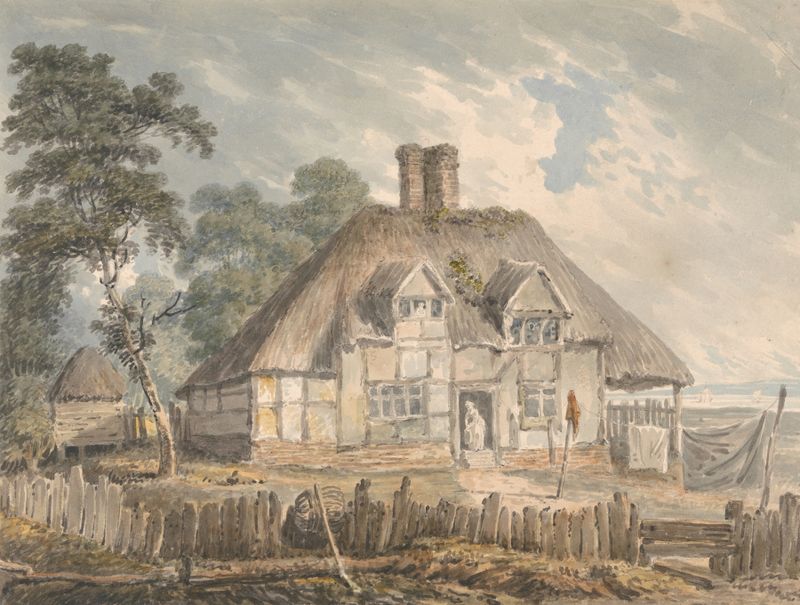
A Cottage near Southampton
Edward Dayes
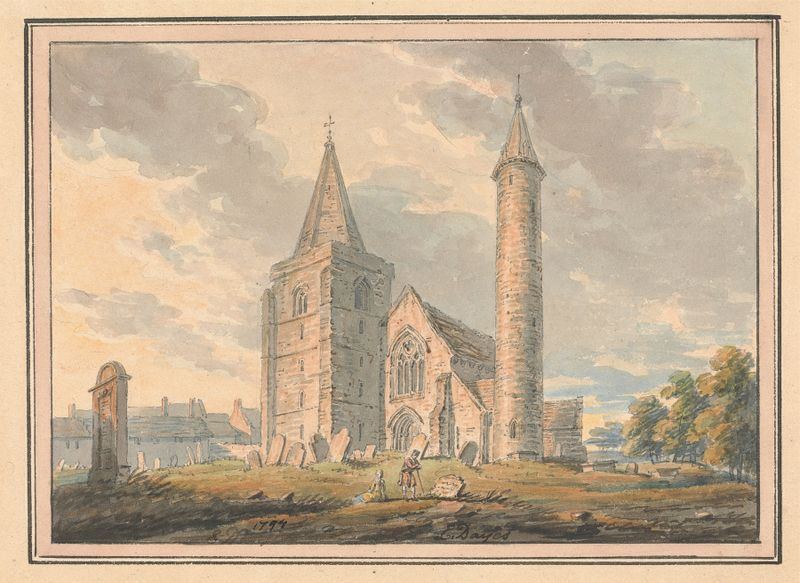
Brechin Cathedral and round tower, Forfarshire, Scotland
Edward Dayes
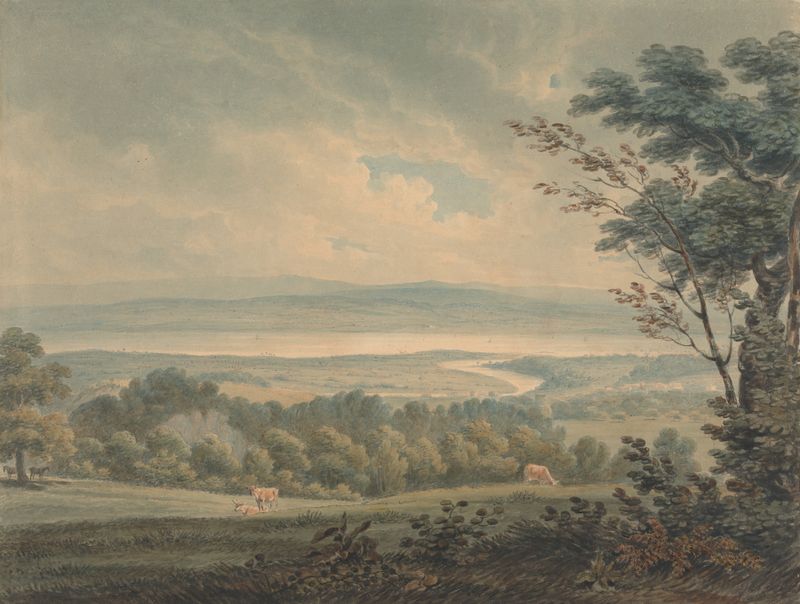
The Meeting of the Rivers Severn and Wye, near Chepstow
Edward Dayes

Ruins of the Old Kirk, Isle of Bute
Edward Dayes
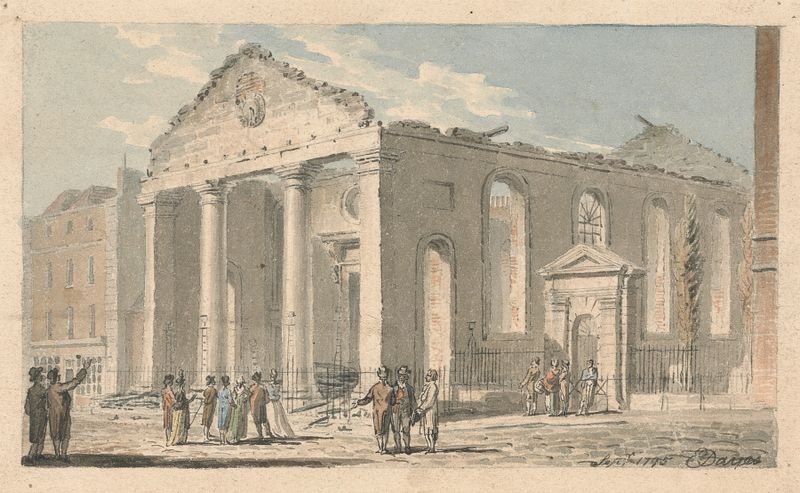
St. Paul’s Church, Covent Garden, after the fire
Edward Dayes
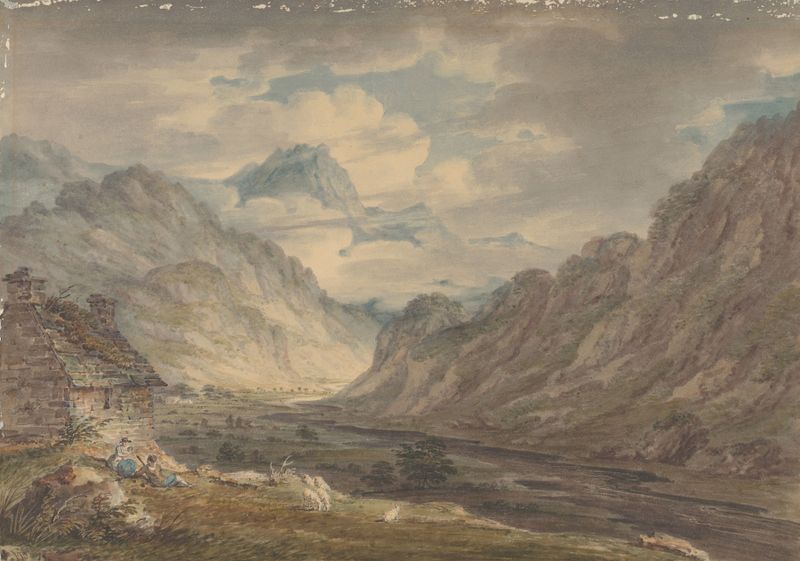
The Honister Pass from Gatesgarth Farm, Gatesgarthdale, Lake District
Edward Dayes
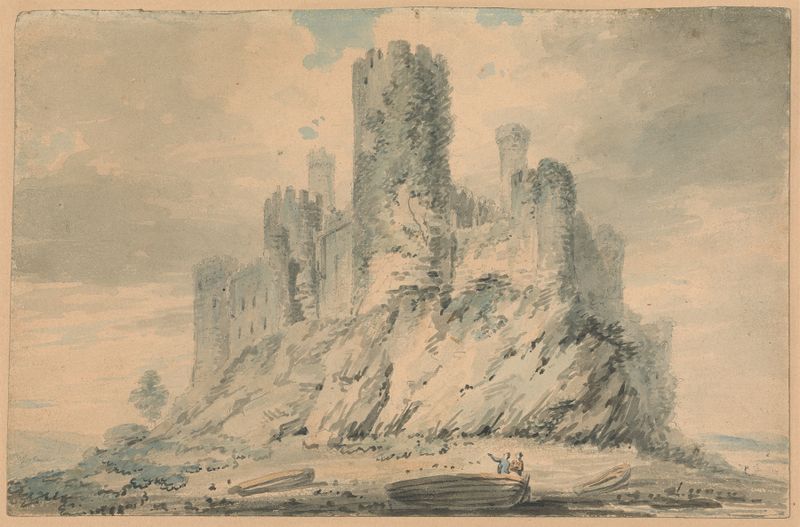
Conway Castle, Caernarvonshire
Edward Dayes
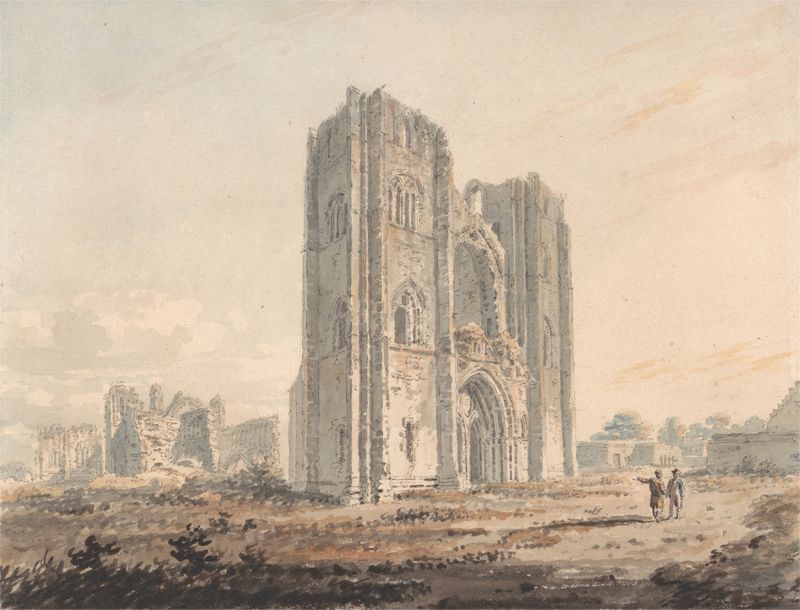
Elgin Cathedral, Moray
Edward Dayes

Lake scene
Edward Dayes
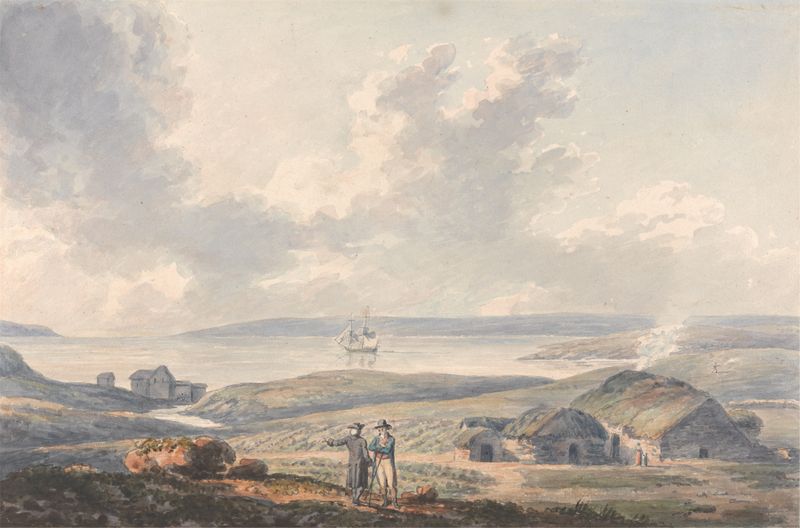
The Island of Hoy, the Orkneys
Edward Dayes





