
Ruins of the Old Kirk, Isle of Bute — History & Facts
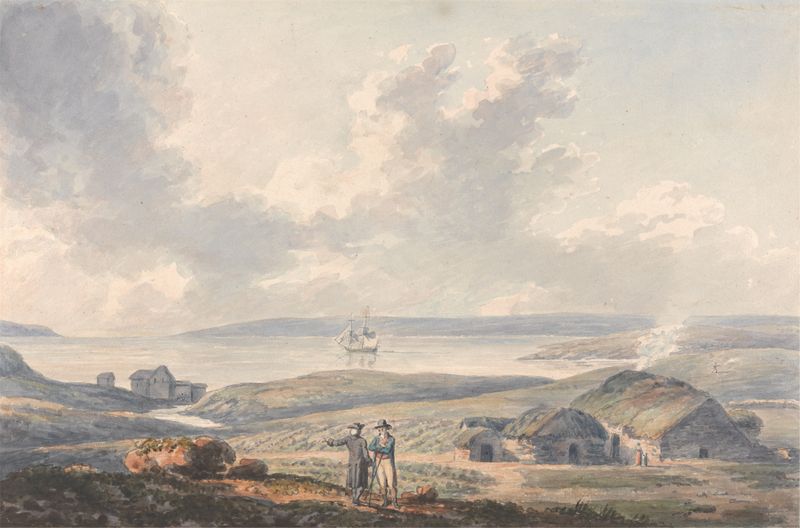
This sentiment echoes within the delicate brushstrokes of an artwork that captures both memory and decay, inviting us into a dreamlike state of reflection. Look to the center of the canvas, where the skeletal remains of the Kirk rise against the backdrop of a muted sky. Soft pastels blend seamlessly with earthy tones, evoking a sense of nostalgia. The crumbling stones are interspersed with wild grass, creating a tapestry of nature reclaiming its space.
Notice how the light filters through the remnants, casting elongated shadows that speak to the passage of time and the impermanence of human creations. The contrast between the structure’s fragility and the resilience of its surroundings reveals deeper emotional tensions. Each broken arch whispers stories long forgotten, while the surrounding landscape seems both mournful and hopeful. The interplay of light and shadow serves as a poignant reminder of the cycle of life, where beauty and decay exist in an eternal embrace. Created during a time when Edward Dayes was deeply engaged with the romantic idealization of ruins, this piece reflects a broader artistic movement in early 19th-century England.
The artist immersed himself in the picturesque beauty of the British landscape, capturing scenes that resonated with both history and the sublime. The absence of a specific date suggests a timeless quality, further emphasizing the enduring impact of memory upon our perceptions of the past.
More Artworks by Edward Dayes
Browse all →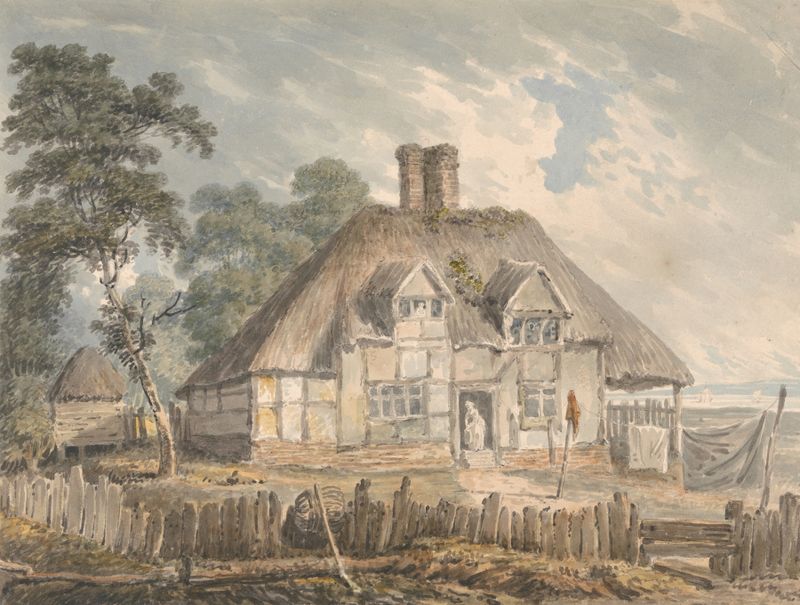
A Cottage near Southampton
Edward Dayes
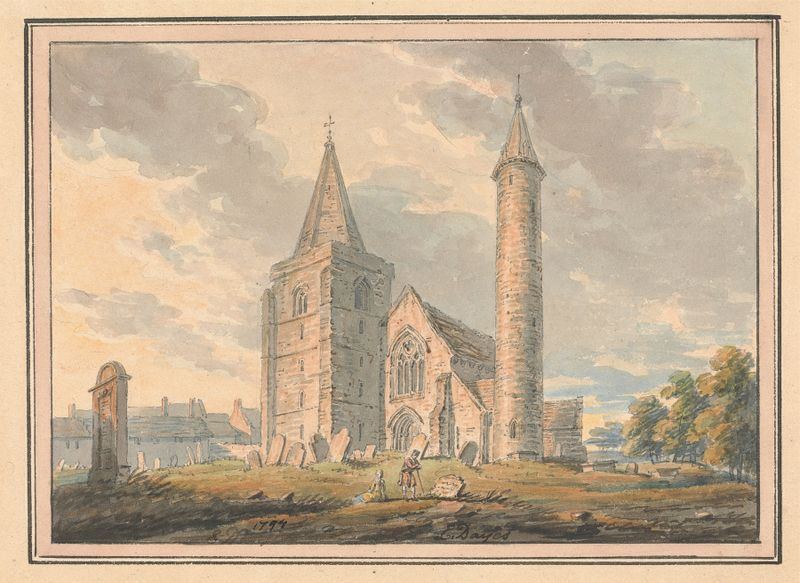
Brechin Cathedral and round tower, Forfarshire, Scotland
Edward Dayes
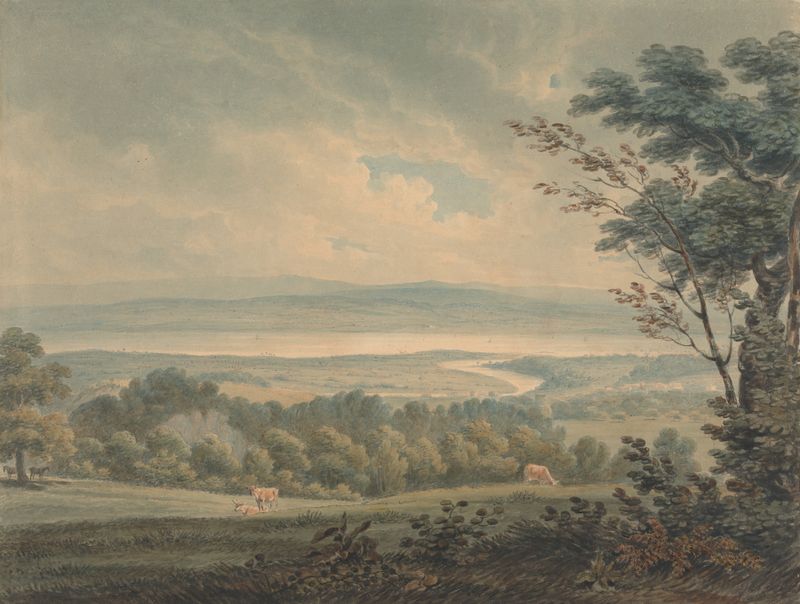
The Meeting of the Rivers Severn and Wye, near Chepstow
Edward Dayes
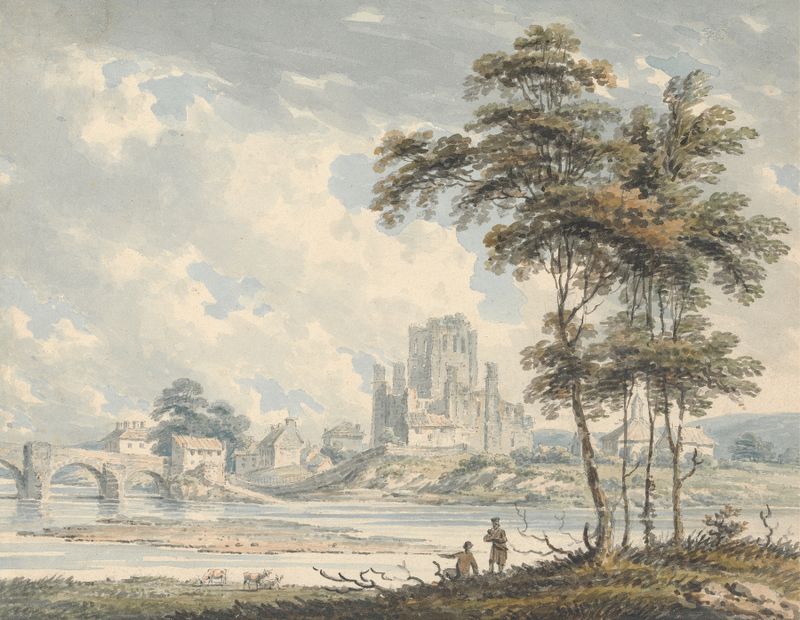
Kelso Abbey, Rosburghshire
Edward Dayes
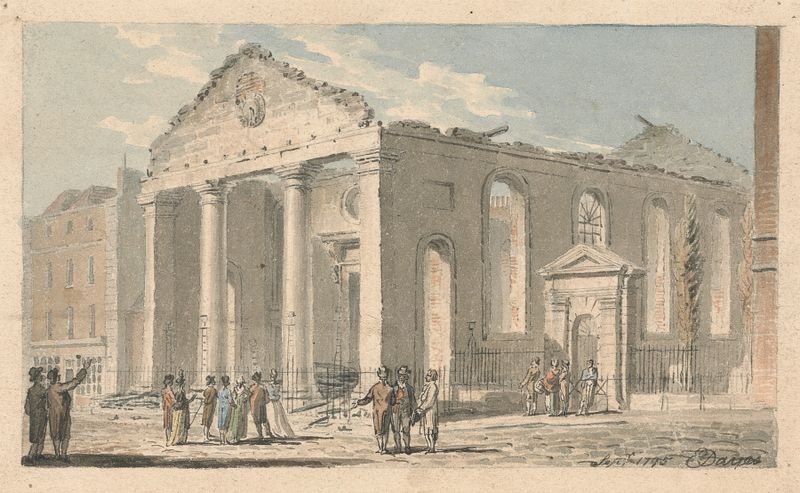
St. Paul’s Church, Covent Garden, after the fire
Edward Dayes
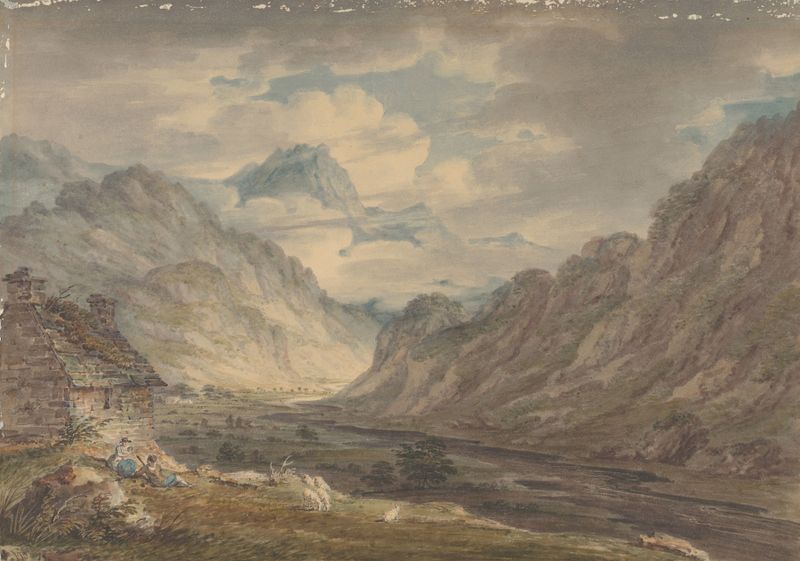
The Honister Pass from Gatesgarth Farm, Gatesgarthdale, Lake District
Edward Dayes
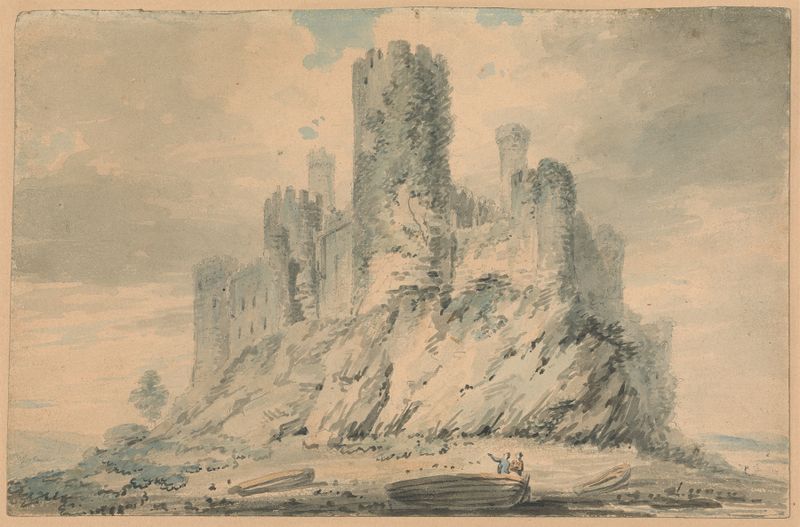
Conway Castle, Caernarvonshire
Edward Dayes
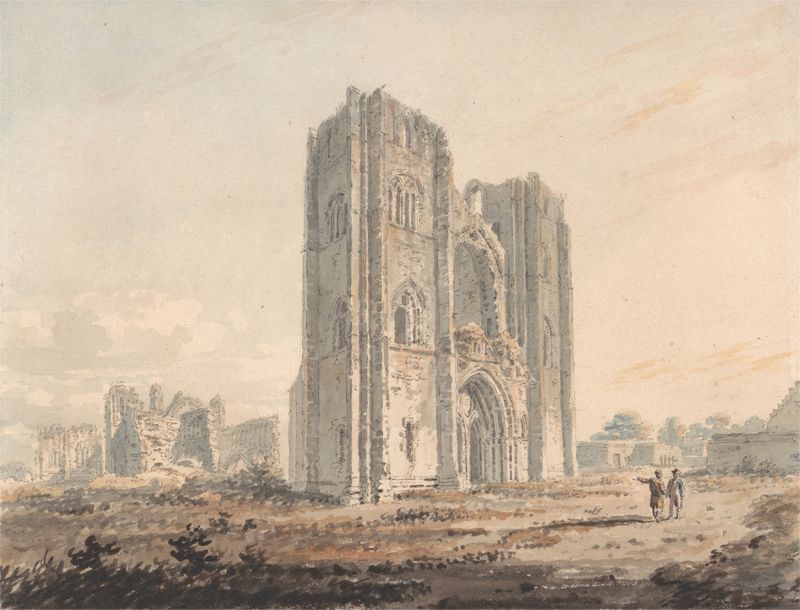
Elgin Cathedral, Moray
Edward Dayes

Lake scene
Edward Dayes
The Island of Hoy, the Orkneys
Edward Dayes





