
A Cottage near Southampton — History & Facts
This sentiment echoes through the quiet elegance of a simple cottage, inviting contemplation and revealing deeper truths nestled within its pastoral charm. Look to the left at the quaint structure, its thatched roof gently sloping, merging harmoniously with the lush greenery that embraces it. Notice how the warm, golden light bathes the scene, illuminating the delicate brushstrokes that define both the flora and the cottage’s weathered facade. The surrounding trees arch protectively, their leafy canopies contrasting with the soft, muted blues of the sky.
This interplay of light and shadow creates a serene yet haunting atmosphere, drawing the eye inward to explore the subtleties of life depicted in this idyllic setting. Among the delicate details, a subtle tension emerges between the cottage's apparent tranquility and the potential solitude it hints at. The overgrown garden suggests a lack of care, a whisper of neglect in an otherwise picturesque scene. This juxtaposition evokes a sense of longing, as if the viewer can almost feel the stories hidden within the walls and the quiet echo of lives once lived there.
It compels us to ponder the transient nature of beauty, contrasting vibrant life against the shadows of the past. The artist worked on this piece during a time when the Romantic movement was influencing many British painters, focusing on nature and emotional depth. Edward Dayes, active in the late 18th to early 19th centuries, crafted this artwork amid a burgeoning appreciation for rural landscapes and the idyllic life they embody. His choice to depict a humble cottage reflects not just an aesthetic preference but a deeper yearning for authenticity in a rapidly changing world.
More Artworks by Edward Dayes
Browse all →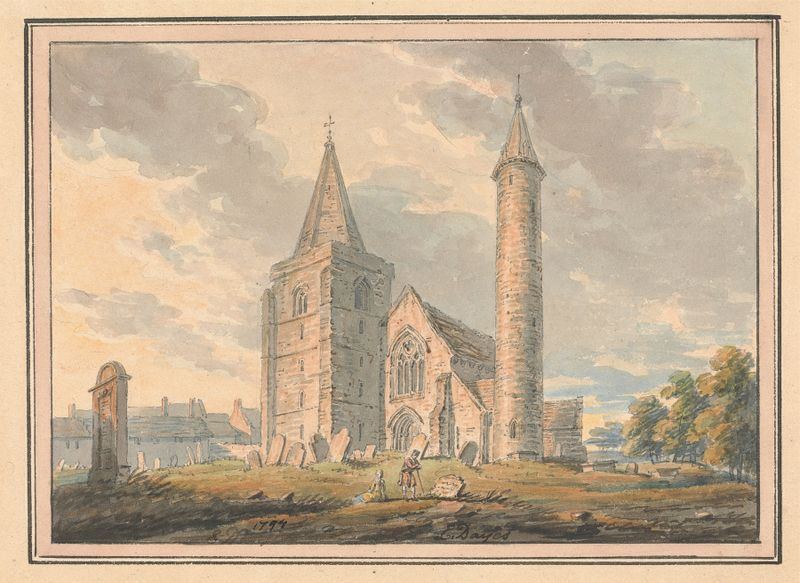
Brechin Cathedral and round tower, Forfarshire, Scotland
Edward Dayes
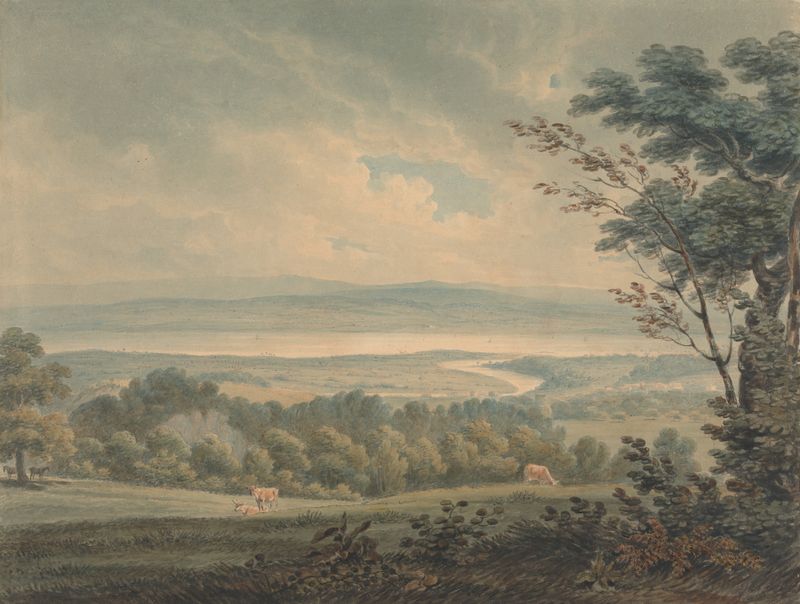
The Meeting of the Rivers Severn and Wye, near Chepstow
Edward Dayes

Ruins of the Old Kirk, Isle of Bute
Edward Dayes
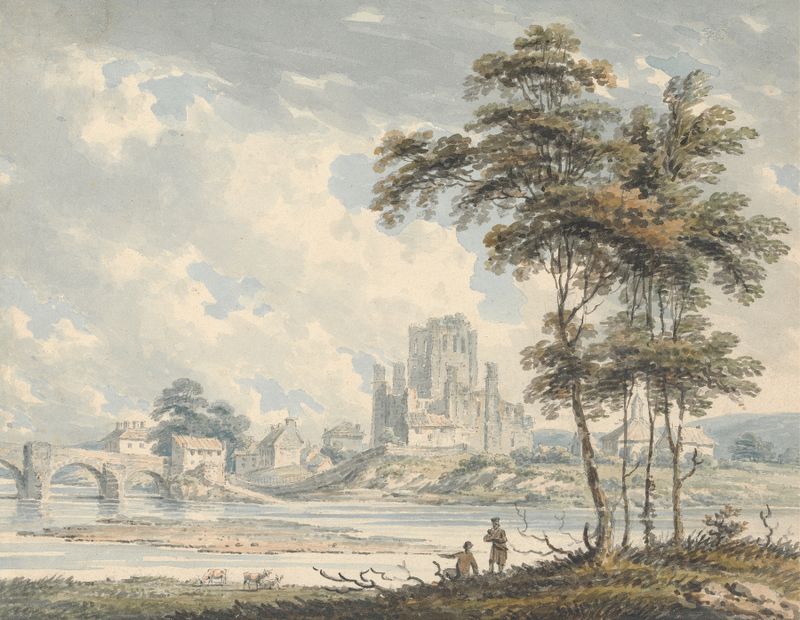
Kelso Abbey, Rosburghshire
Edward Dayes
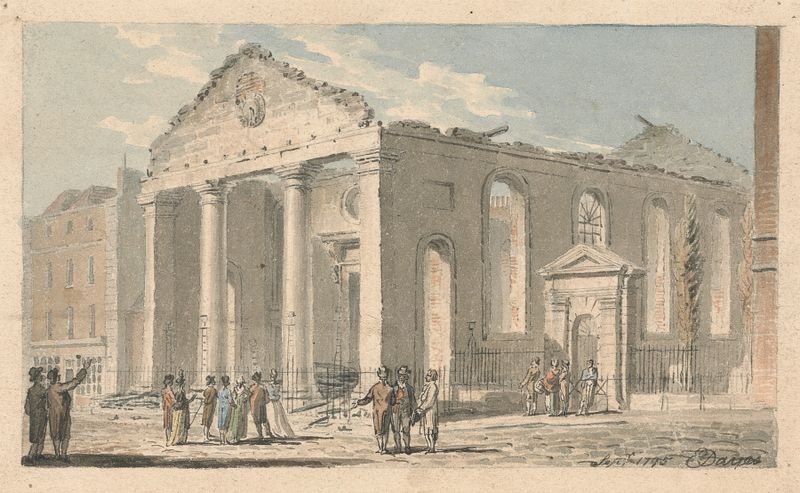
St. Paul’s Church, Covent Garden, after the fire
Edward Dayes
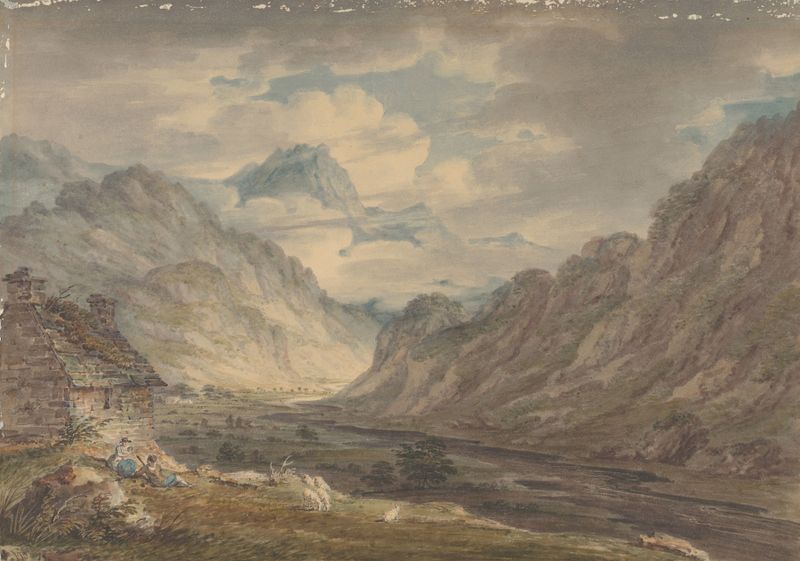
The Honister Pass from Gatesgarth Farm, Gatesgarthdale, Lake District
Edward Dayes
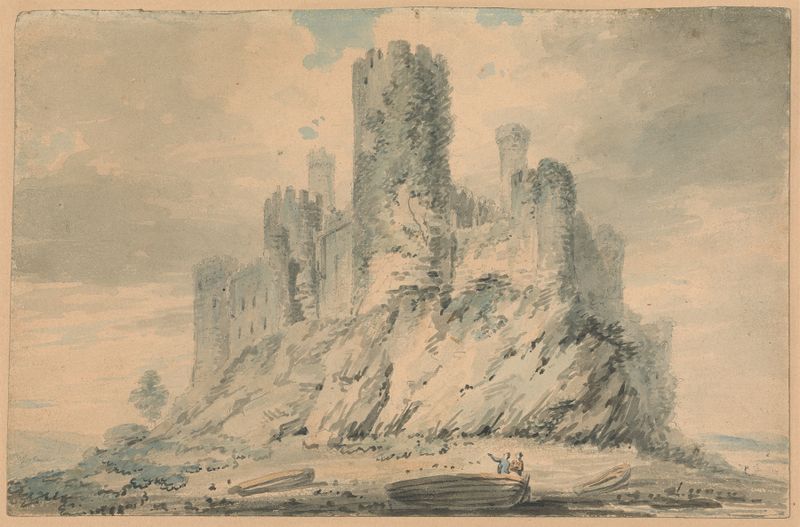
Conway Castle, Caernarvonshire
Edward Dayes
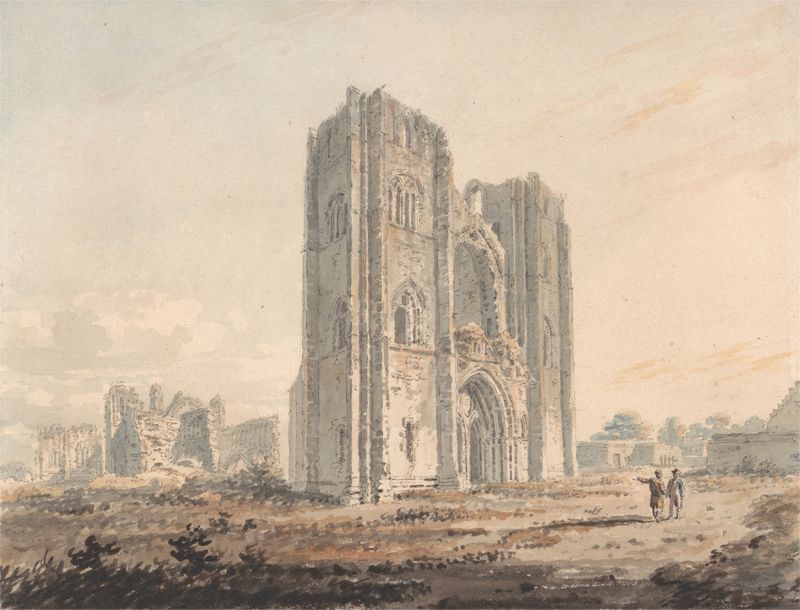
Elgin Cathedral, Moray
Edward Dayes

Lake scene
Edward Dayes
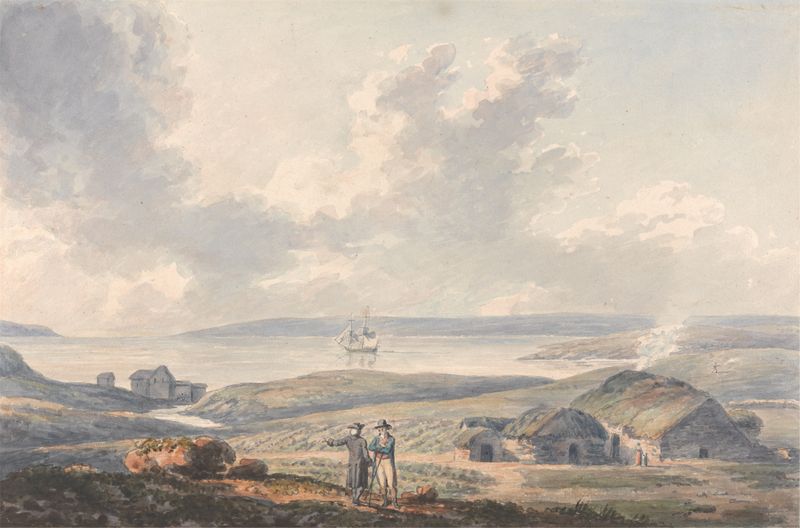
The Island of Hoy, the Orkneys
Edward Dayes





