
Elgin Cathedral, Moray — History & Facts
Who listens when art speaks of silence? In Elgin Cathedral, Edward Dayes captures a moment where the echoes of the past resonate through time, inviting us into a world steeped in contemplation and longing. Look closely at the intricate stonework framing the cathedral entrance, where the viewer's gaze is naturally drawn. The delicate interplay of shadows and light highlights every architectural detail, from the weathered arches to the crumbling walls. The muted palette of earthy tones enhances the solemnity of the scene, evoking a sense of nostalgia and reverence.
The artist’s precise brushwork creates a realistic depth, inviting the viewer to immerse themselves in this sacred space. Beyond its stunning surface, the painting conveys a profound emotional tension. The cathedral stands as a monument to both the beauty and decay of human endeavors, a haunting reminder of time's relentless passage. The small figures at the entrance suggest the insignificance of humanity against the grandeur of the structure, while simultaneously embodying an obsession with permanence in a world characterized by impermanence.
Each cracked stone tells a story, urging us to listen closely to what remains unsaid. Created in 1792, Elgin Cathedral emerged during a time of artistic transition, as neoclassicism began paving the way for romantic ideals. Dayes, based in England, was influenced by the burgeoning fascination with ruins and picturesque landscapes. This work reflects not only his artistic vision but also the contemporary preoccupation with history and memory, resonating with viewers who yearned for a connection to the past.
More Artworks by Edward Dayes
Browse all →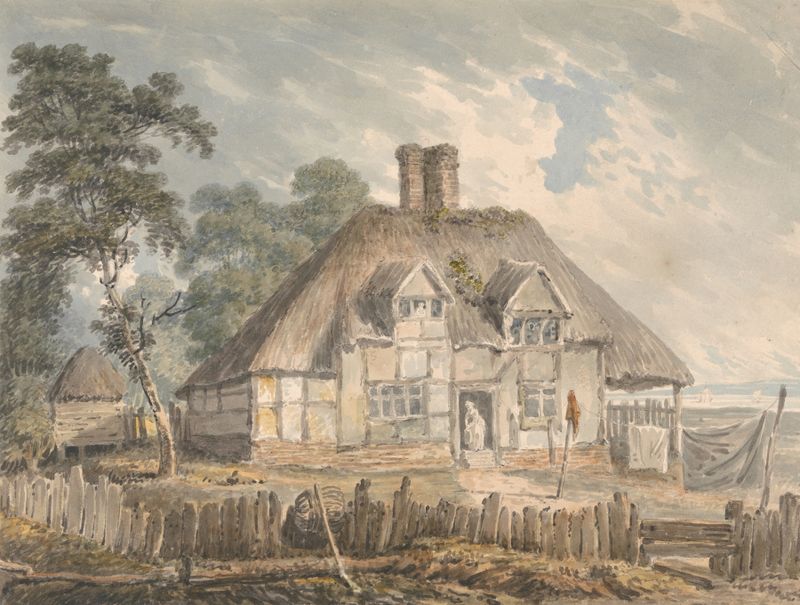
A Cottage near Southampton
Edward Dayes
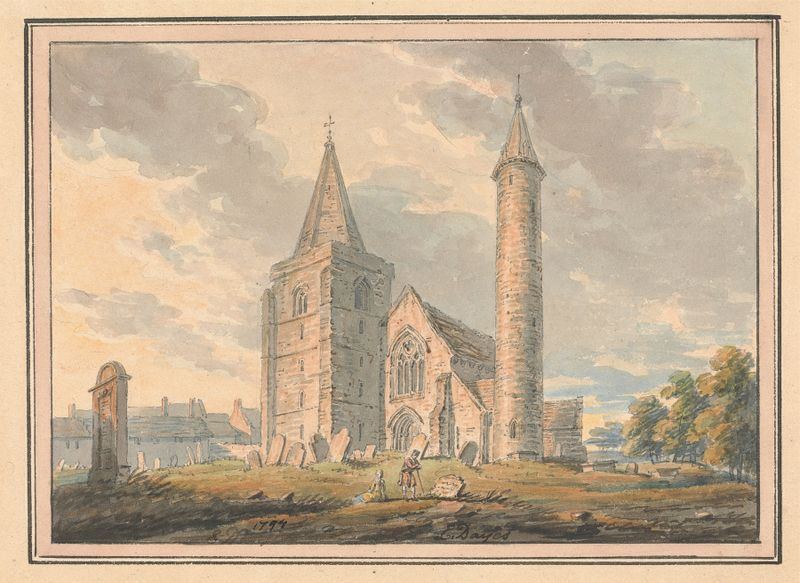
Brechin Cathedral and round tower, Forfarshire, Scotland
Edward Dayes
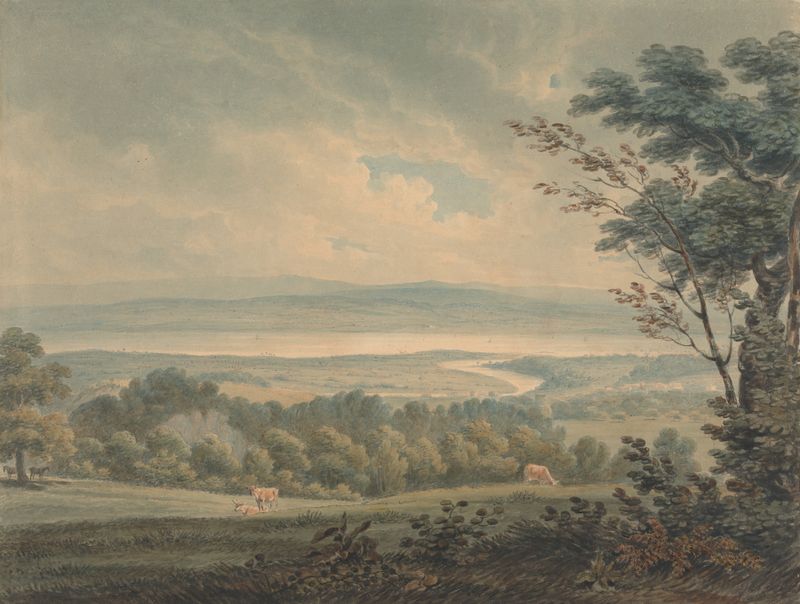
The Meeting of the Rivers Severn and Wye, near Chepstow
Edward Dayes

Ruins of the Old Kirk, Isle of Bute
Edward Dayes
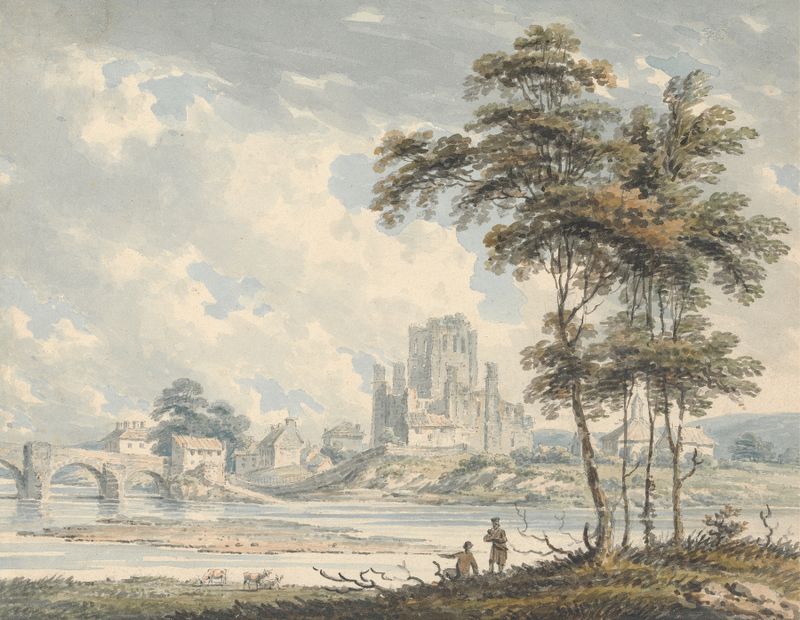
Kelso Abbey, Rosburghshire
Edward Dayes
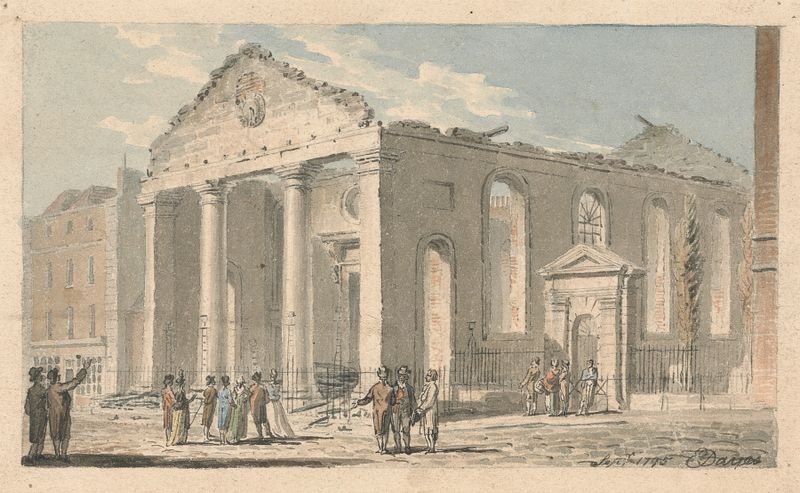
St. Paul’s Church, Covent Garden, after the fire
Edward Dayes
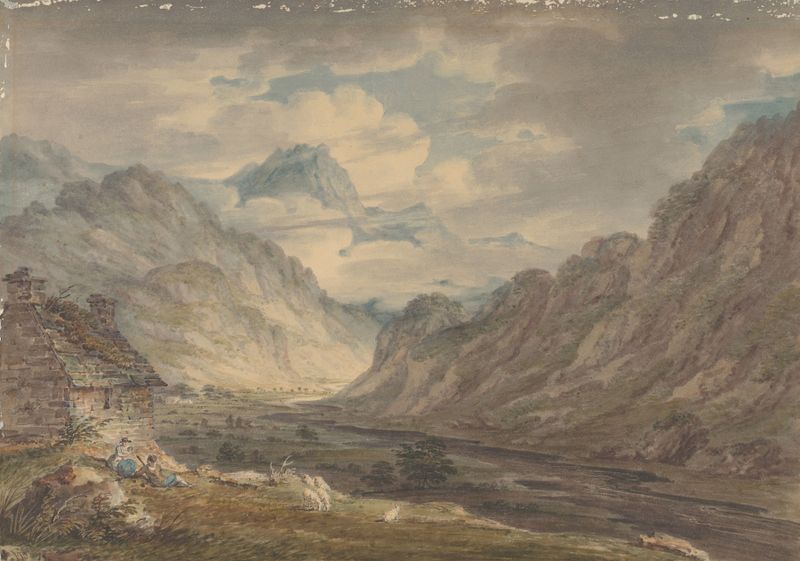
The Honister Pass from Gatesgarth Farm, Gatesgarthdale, Lake District
Edward Dayes
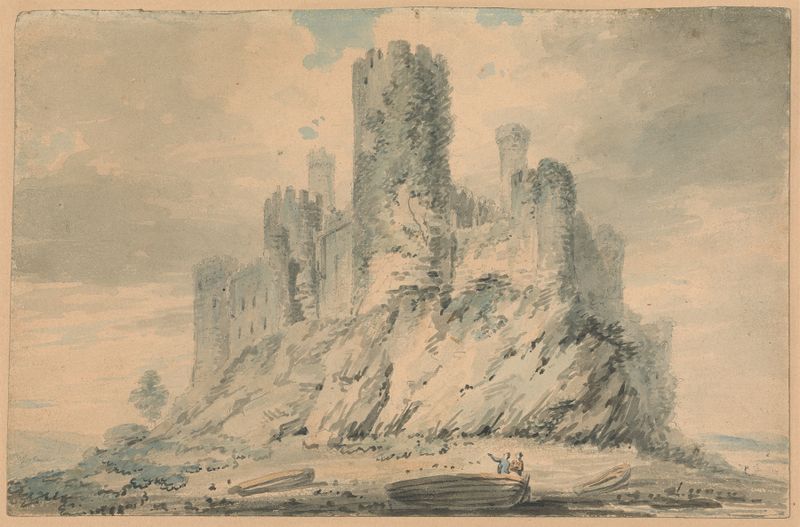
Conway Castle, Caernarvonshire
Edward Dayes

Lake scene
Edward Dayes
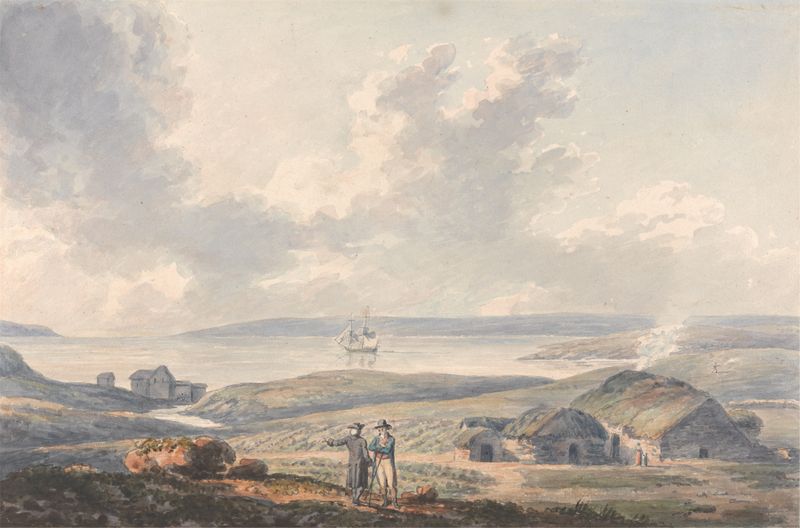
The Island of Hoy, the Orkneys
Edward Dayes
More Architecture Art
Browse all →
The statue of Liberty
Frédéric Auguste Bartholdi

View of Houses in Delft, Known as ‘The Little Street’
Johannes Vermeer

View of Houses in Delft, Known as ‘The Little Street’
Johannes Vermeer

The Cathedral in Rouen. The portal, Grey Weather
Claude Monet

The yellow house
Vincent van Gogh

The Church in Auvers-sur-Oise, View from the Chevet
Vincent van Gogh