
Lake scene — History & Facts
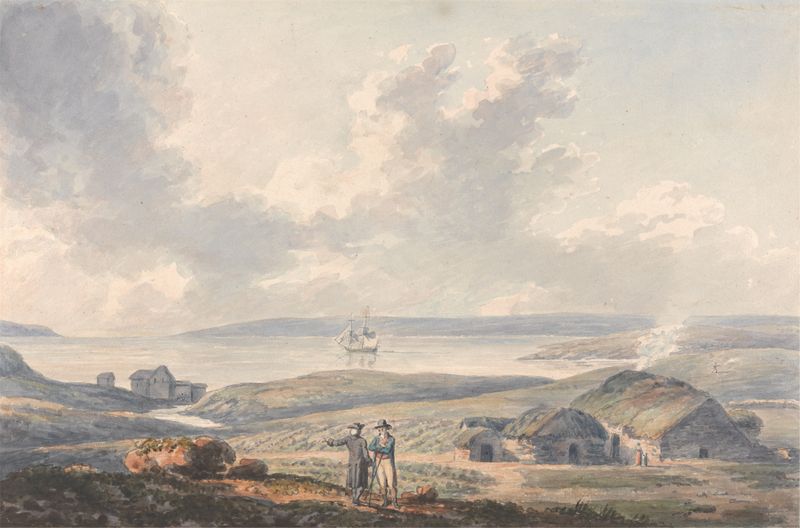
In the quiet corners of our existence, we often find beauty hidden among the remnants of decay. It is in these moments that we confront our own fragility and the poignancy of life slipping through our fingers. Look closely at the foreground of Lake Scene, where the still water mirrors a fractured sky, casting reflections that dissolve into whispers of color. The muted blues and greens convey a sense of calm, yet the browns and ominous grays suggest a decay that lingers just beneath the surface.
Notice how the gentle ripples disturb the tranquility, hinting at an underlying tension; a moment of disruption in an otherwise serene landscape. Each brushstroke carries a weight, combining realism with a subtle melancholy that invites contemplation. The decaying flora framing the lake serves as a reminder of nature's impermanence, contrasting with the peaceful water that seems to harbor secrets. The juxtaposition of vibrant life and the slow march of decay echoes the cycle of existence, suggesting that beauty can often be found in what is fading.
This emotional interplay speaks to the viewer, challenging us to acknowledge the transient nature of our surroundings and, by extension, our own lives. Edward Dayes painted this work in the late 18th to early 19th century, a time when the Romantic movement was burgeoning, emphasizing emotion and nature. As he created Lake Scene, he was navigating a landscape of personal loss, alongside a wider cultural shift towards introspection in art. His ability to capture the delicate balance between beauty and decay reflects a profound understanding of the human experience during a time of great change.
More Artworks by Edward Dayes
Browse all →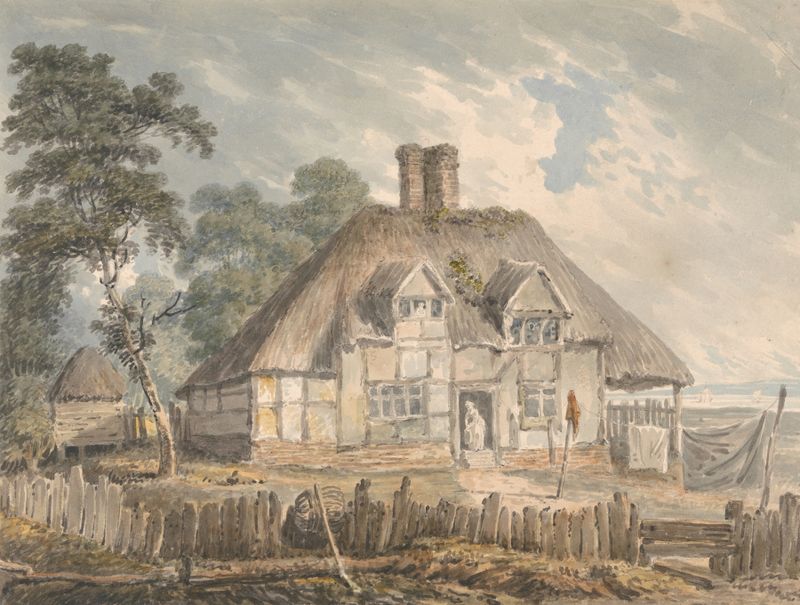
A Cottage near Southampton
Edward Dayes
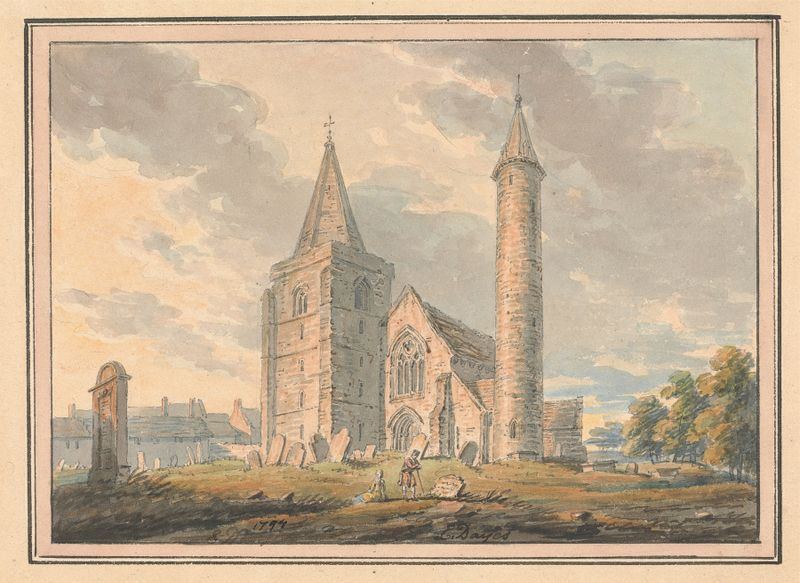
Brechin Cathedral and round tower, Forfarshire, Scotland
Edward Dayes
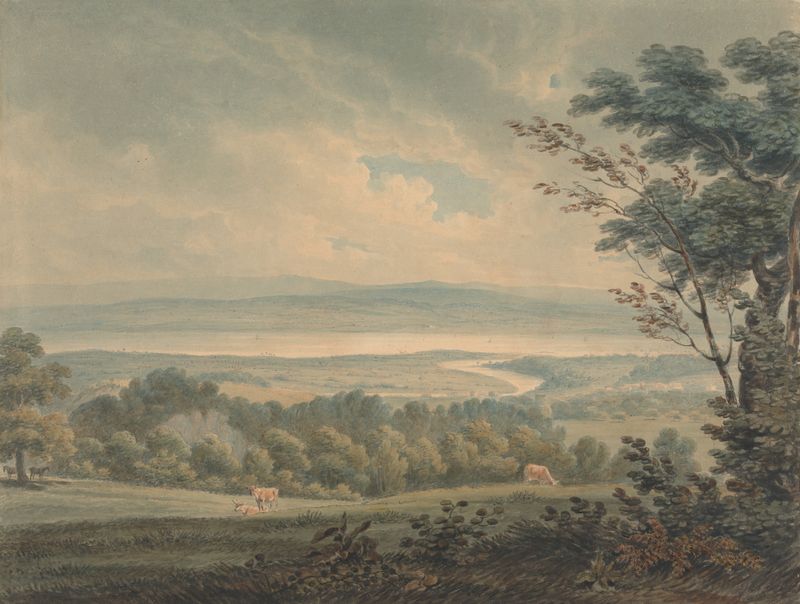
The Meeting of the Rivers Severn and Wye, near Chepstow
Edward Dayes

Ruins of the Old Kirk, Isle of Bute
Edward Dayes
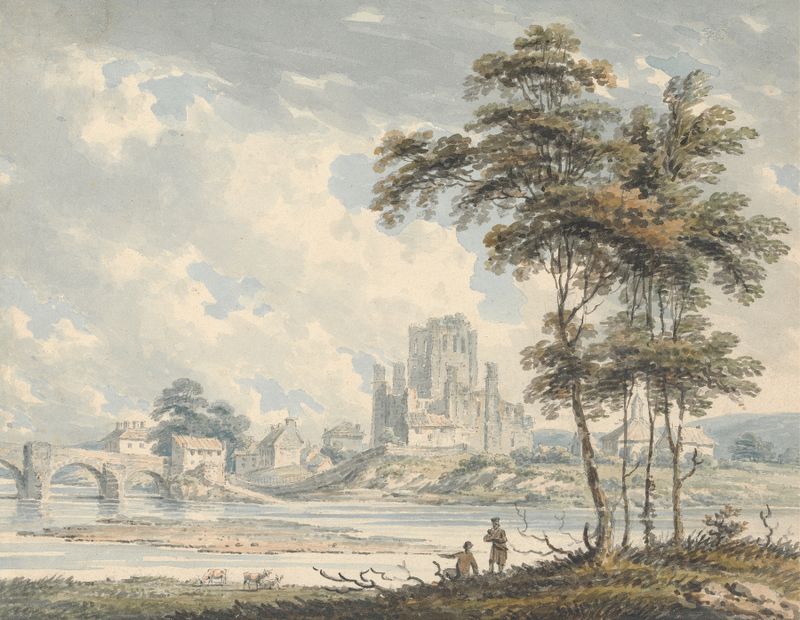
Kelso Abbey, Rosburghshire
Edward Dayes
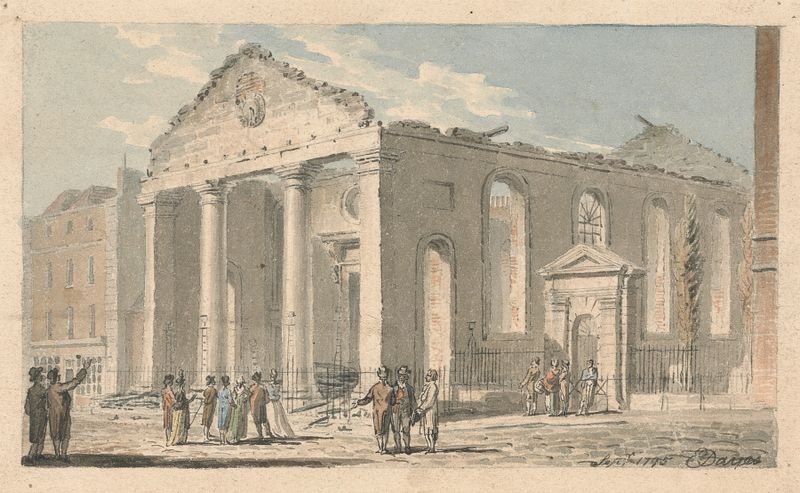
St. Paul’s Church, Covent Garden, after the fire
Edward Dayes
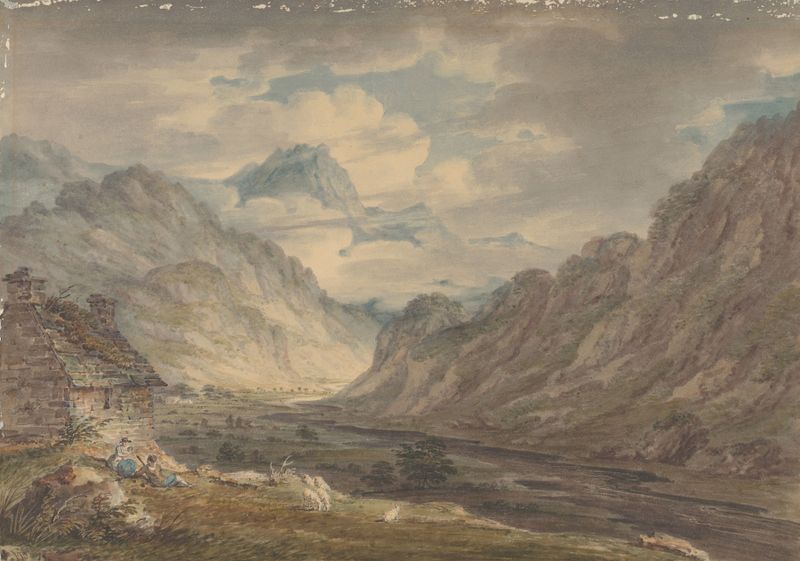
The Honister Pass from Gatesgarth Farm, Gatesgarthdale, Lake District
Edward Dayes
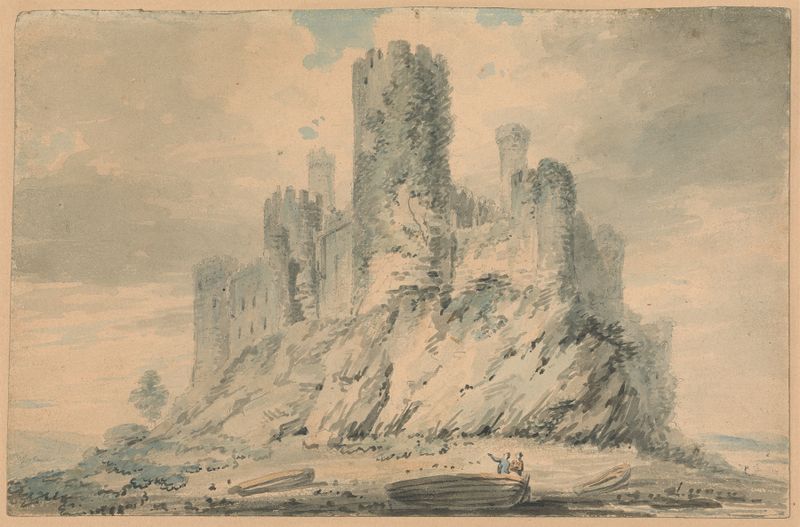
Conway Castle, Caernarvonshire
Edward Dayes
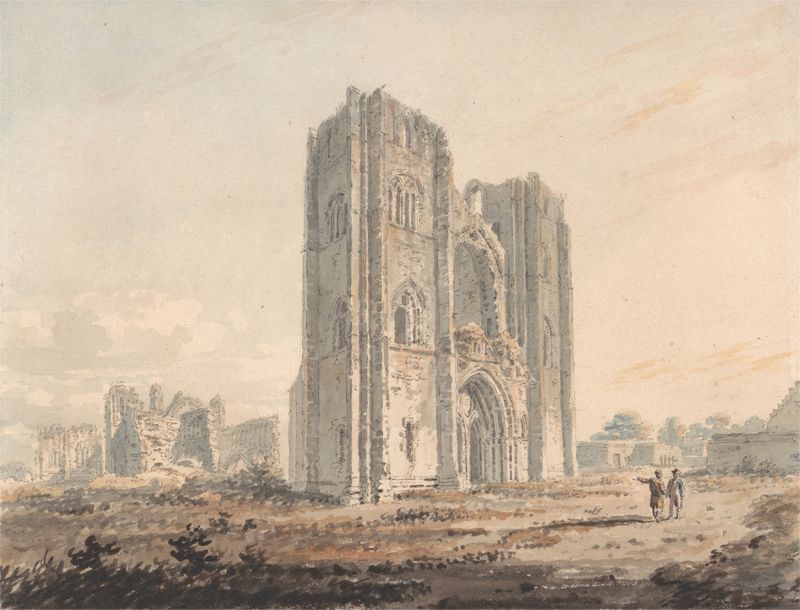
Elgin Cathedral, Moray
Edward Dayes
The Island of Hoy, the Orkneys
Edward Dayes





