
The Meeting of the Rivers Severn and Wye, near Chepstow — History & Facts
Mist clings to the banks of two rivers, where the Severn and Wye intertwine in a delicate embrace. A lone figure stands on the shore, eyes cast towards the horizon, contemplating the moment when water meets water, their currents dancing in harmonious chaos. Light filters through the trees, casting a shimmering glow upon the surface, illuminating the boundary where one river’s identity begins to meld with the other. Look to the left at the verdant hills rising steeply above the water's edge, their lushness juxtaposed against the reflective calm of the rivers below.
Notice how Dayes skillfully employs soft strokes and muted colors to capture the tranquil atmosphere, the gentle hues of green and blue merging seamlessly. The composition guides the eye towards the confluence, creating a sense of movement that invites viewers to ponder the depths beneath the surface. Within this serene tableau lies a potent symbolism of transformation. The mingling waters signify the blending of paths and destinies, suggesting that change is both inevitable and beautiful.
The solitary figure, seemingly at peace, embodies contemplation and introspection—a moment caught between two worlds, much like the rivers themselves. This peaceful yet dynamic setting evokes emotions of unity and transition, reminding us of the currents that shape our lives. In 1795, Edward Dayes painted this work while living in England, a time when the Romantic movement was beginning to take hold in the art world. The interplay between nature and humanity was becoming a central theme, as artists sought to express the beauty and complexities of the natural landscape.
This piece reflects Dayes' dedication to capturing the sublime qualities of the environment, as well as his role in the burgeoning appreciation of landscapes during this transformative period in art.
More Artworks by Edward Dayes
Browse all →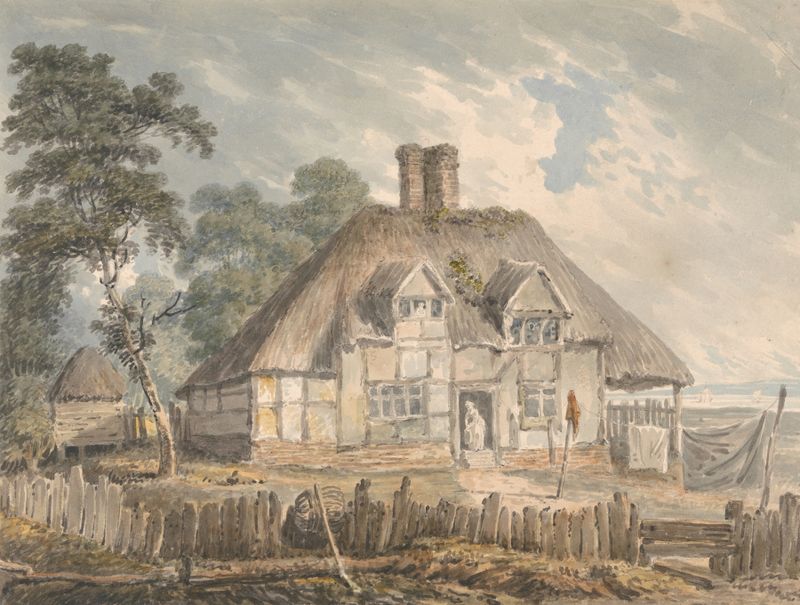
A Cottage near Southampton
Edward Dayes
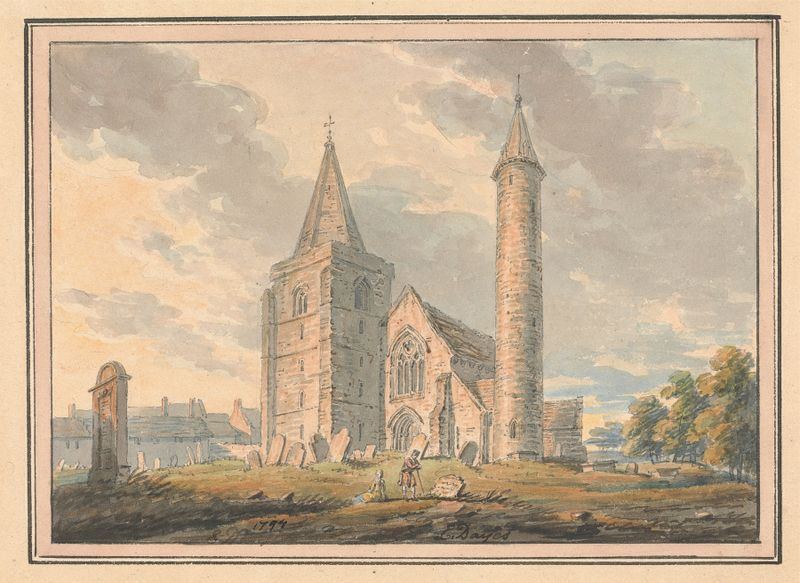
Brechin Cathedral and round tower, Forfarshire, Scotland
Edward Dayes

Ruins of the Old Kirk, Isle of Bute
Edward Dayes
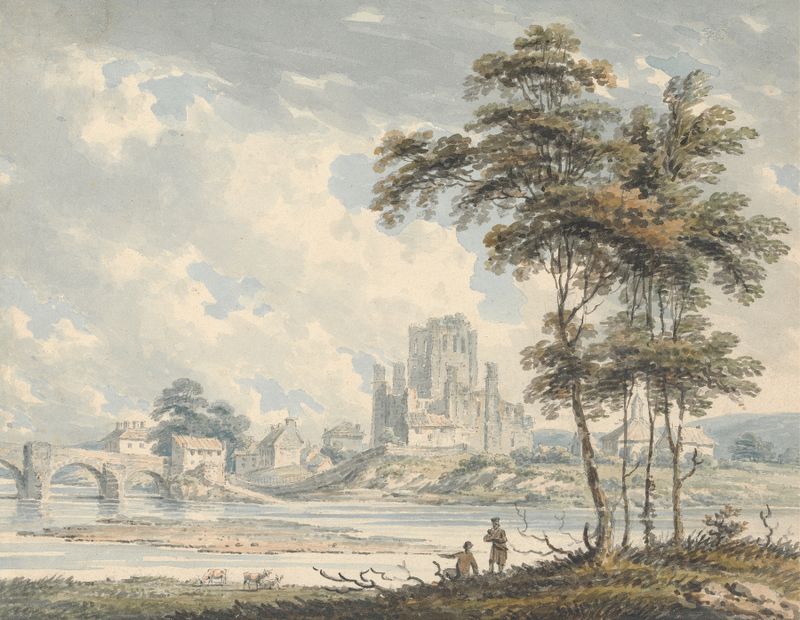
Kelso Abbey, Rosburghshire
Edward Dayes
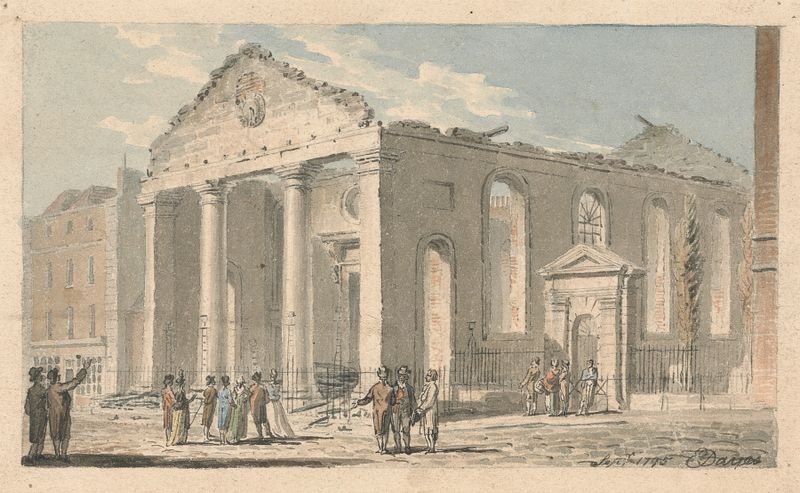
St. Paul’s Church, Covent Garden, after the fire
Edward Dayes
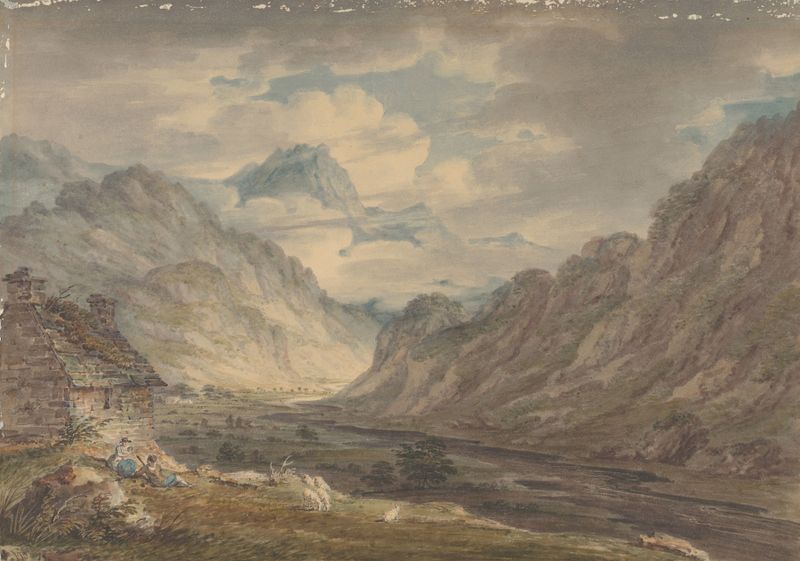
The Honister Pass from Gatesgarth Farm, Gatesgarthdale, Lake District
Edward Dayes
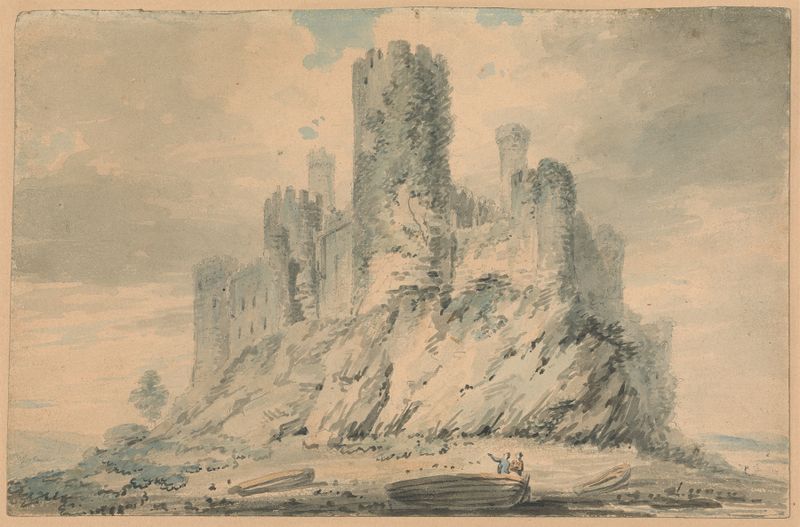
Conway Castle, Caernarvonshire
Edward Dayes
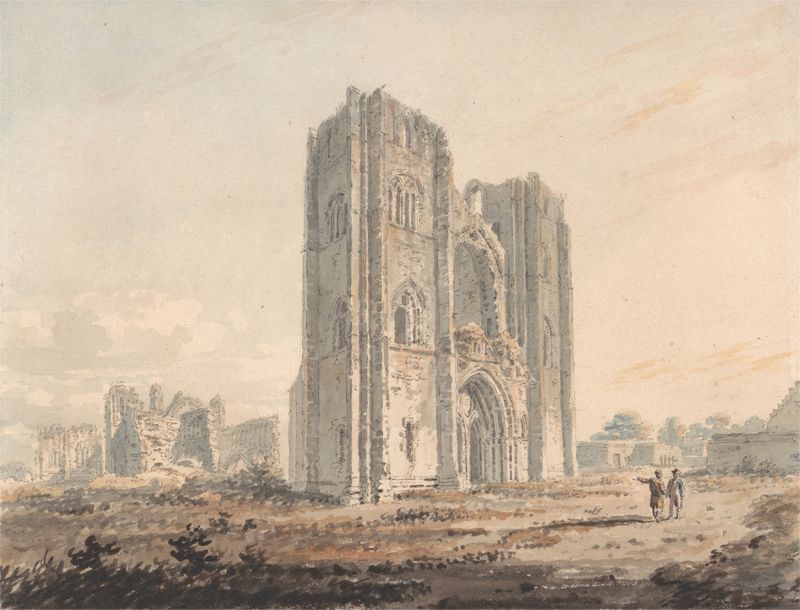
Elgin Cathedral, Moray
Edward Dayes

Lake scene
Edward Dayes
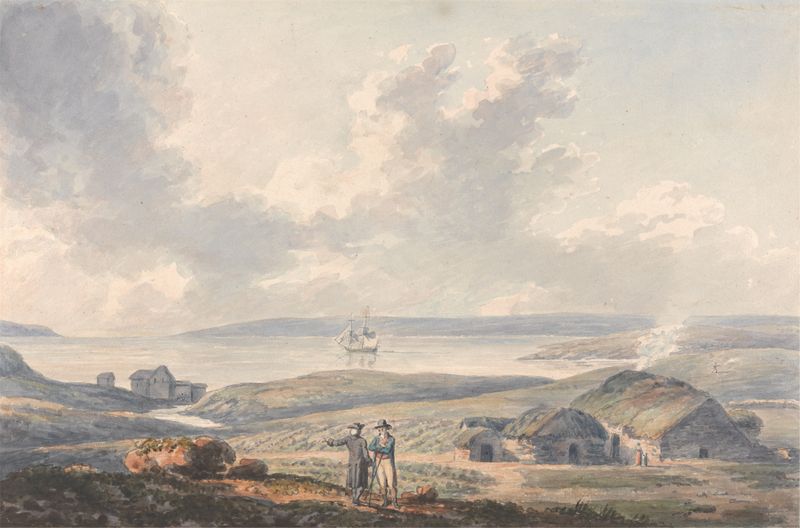
The Island of Hoy, the Orkneys
Edward Dayes





